The boundaries between human ingenuity and algorithmic generation in Hollywood are blurring at an unprecedented rate, and the industry is currently reeling from a series of high-profile controversies. From the backlash surrounding Spider-Man: Brand New Day to the latest revelations regarding the production of Travis Knight’s Masters of the Universe, the integration of generative AI into professional concept art workflows has ignited a fierce debate.
What was once whispered as an industry secret is now manifesting as a public relations firestorm. As studios move to integrate these tools into their standard pipelines, artists, fans, and industry analysts are asking a fundamental question: Is the quest for rapid production speed sacrificing the very soul of cinematic artistry?
The Chronology of a Growing Backlash
The current discomfort within the artistic community did not appear overnight. It is the result of a cumulative series of events that have slowly eroded trust between major production houses and the fanbases that support them.
The Spider-Man Precedent
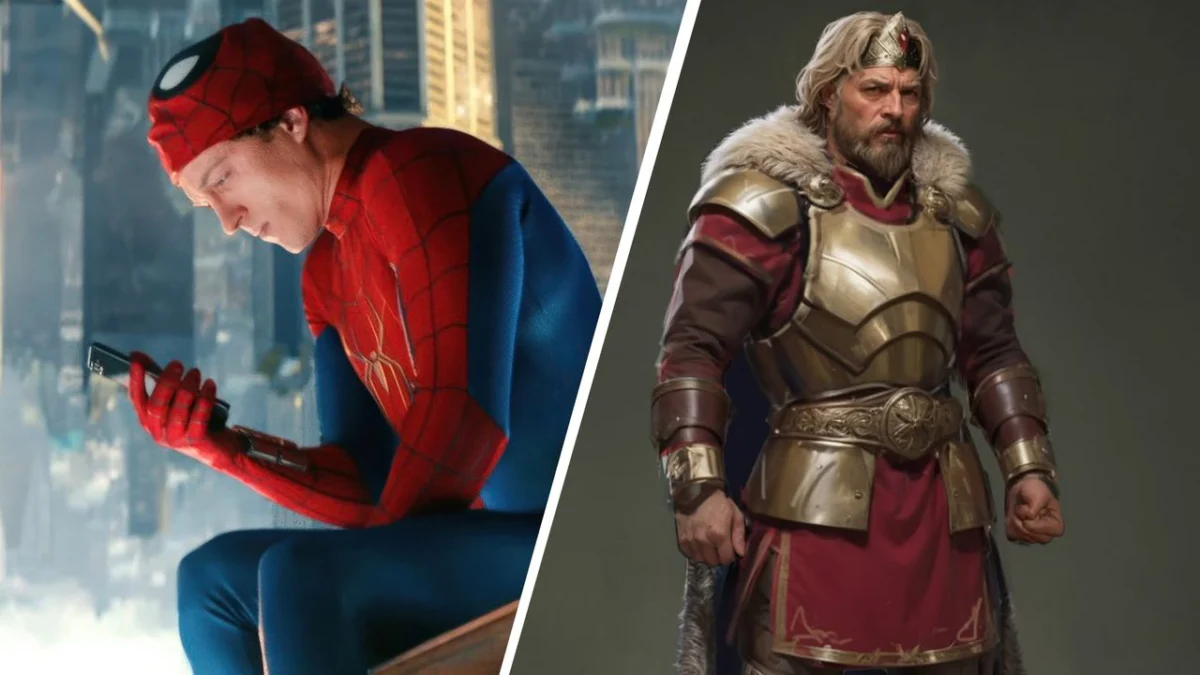
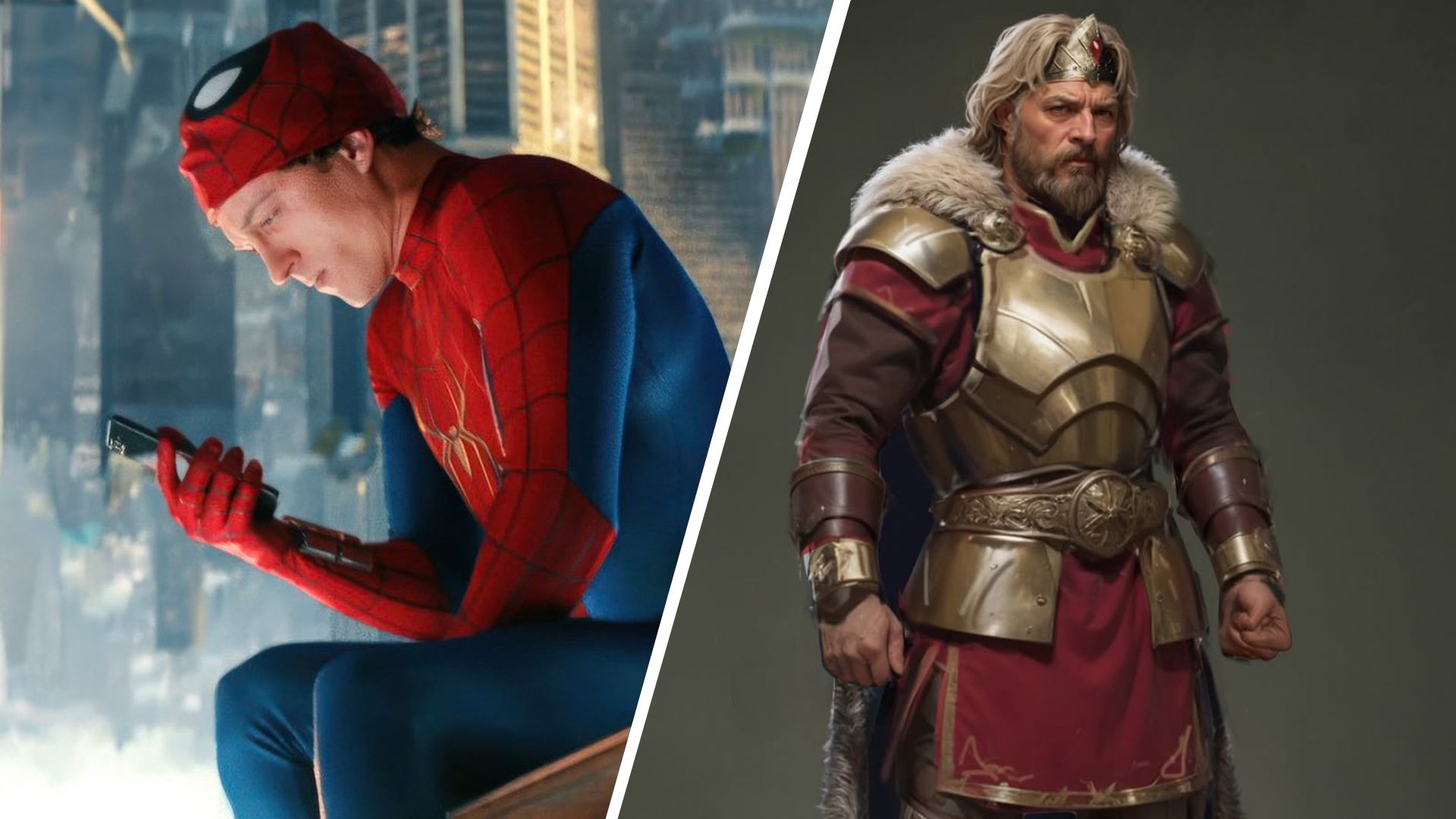
The conversation first reached a boiling point with the release of the Spider-Man: Brand New Day art book. Fans, who traditionally pore over these volumes to appreciate the brushstrokes and technical prowess of professional concept artists, were met with unmistakable signs of AI-generated imagery. Sharp-eyed observers pointed to glitches—specifically in traffic lights and fire escapes—that are characteristic of current text-to-image models. The resulting outcry was swift, with many fans labeling the inclusion of such work in a premium publication as an insult to the craft.
The Masters of the Universe Revelations
Hardly had the dust settled on the Spider-Man controversy when social media platforms, particularly X (formerly Twitter), began circulating images from the production of Masters of the Universe. The images in question, depicting costume explorations for King Randor, the ruler of Eternos, displayed the tell-tale artifacts of AI manipulation.
The public discovery of these images highlighted a troubling trend: AI is no longer just being used for internal, ephemeral ideation. It is being integrated into assets that are curated for public consumption, effectively blurring the lines between professional labor and algorithmic output.
The Studio Perspective: Efficiency vs. Craft
In response to the mounting pressure, Chromatic Studio—the entity behind the Masters of the Universe costume sketches—issued a statement that has become the industry standard for defending these practices.
"Yes, we use AI as a tool when it speeds production up. The design work is ours," a representative for the studio stated on Instagram.
This defense rests on the premise that AI is merely an advanced "brush" in the digital artist’s toolkit. From this perspective, the human artist remains the "architect," using AI to generate variations in lighting, texture, or silhouette at a speed that would be impossible with traditional manual methods. By iterating through hundreds of concepts in hours rather than weeks, studios argue they can reach the "correct" visual identity of a character or environment much sooner.
However, critics remain unmoved. The prevailing sentiment among professional artists is that the "speed" gained is inherently compromised. As one commenter noted, "AI slop + the guy who overpainted this clearly did not enjoy this. Such a disappointment to see good outsourcing studios using such a disgusting method just to ‘speed up their process.’"
The Ethics of Iterative Art
To understand why this is causing such a schism, one must understand the purpose of concept art. Traditionally, concept art is a highly iterative, exploratory process. In the pre-AI era, a concept artist might produce dozens of sketches that were discarded, refined, or abandoned. None of these were intended for the public eye; they were the "behind-the-scenes" mechanics of creative problem-solving.
The "Art Book" Problem
The core of the issue is that in the age of digital media, the walls between internal development and final product have collapsed. When a studio releases an "Art Of" book, they are selling the history of the film’s visual development as a product in itself. Fans buy these books to celebrate the human journey of creation. When that journey is replaced by a prompt-based algorithm, the "value" of the product is perceived to have dropped to zero.
If concept art is now "AI-assisted," it is no longer a record of a human’s artistic evolution. It is a record of an algorithm’s pattern recognition. This shift fundamentally changes the relationship between the viewer and the art. When we look at a classic piece of concept art—say, Ralph McQuarrie’s work on Star Wars—we are admiring the specific, unique decision-making of a human mind. When we look at AI-generated art, we are looking at a statistical probability of what "looks like" a movie asset.
Implications for the Future of Creative Labor
The implications of this shift are profound and extend far beyond the resentment of fans.
The Devaluation of Entry-Level Work
One of the most significant concerns is the impact on junior artists. Historically, the role of a junior concept artist involved creating the "exploratory" pieces—the very tasks now being outsourced to AI. If studios decide that AI is sufficient for these early-stage designs, the entry-level rungs of the career ladder for illustrators and concept artists may simply disappear. This creates an "experience gap," where new artists are denied the opportunity to hone their skills on the job.
The "Point of No Return"
Are we already past the point of no return? It seems likely. Large-scale studios operate on razor-thin margins and tight release schedules. If an AI tool can shave three weeks off the pre-production timeline, shareholders and executives will rarely choose the "more ethical" route that takes longer and costs more.
However, this creates a secondary risk: the homogenization of visual styles. If every studio uses the same foundational AI models, the visual language of blockbuster films could begin to look suspiciously similar. We risk entering an era of "visual drift," where the unique, hand-crafted aesthetic identities that define great cinema are smoothed out by the averaging nature of machine learning.
Moving Forward: Transparency as the Only Path
If studios are determined to continue using AI as a tool for efficiency, they must fundamentally change their approach to transparency.
- Mandatory Disclosure: Studios should be required to label assets that were generated or heavily assisted by AI. If a book contains AI-generated imagery, it should be stated clearly on the cover or in the credits.
- The "Human-First" Standard: Professional organizations and unions, such as the Art Directors Guild, may need to establish standards for what constitutes "professional" work. If a studio insists on AI, perhaps that work should be clearly distinguished from human-authored illustrations.
- Revisiting the "Art Book" Value Proposition: If studios want to continue selling the process behind their movies, they must recognize that the consumer value lies in the human effort. If they choose to automate that effort, they may find that the market for these physical artifacts dries up, as the sentimentality that drives their sales evaporates.
Conclusion
The current AI art scandals in Hollywood are not merely about technology; they are about the sanctity of human labor. While studios argue that they are simply optimizing their workflows, the audience is signaling that they value the process as much as the product.
As we move forward, the entertainment industry faces a stark choice. It can continue to push for maximum efficiency, potentially alienating the artists who build their worlds and the fans who celebrate them, or it can adopt a more transparent, human-centric approach to creation. The tools may be here to stay, but the decision of how to use them—and whether to hide their use—will define the legacy of the next generation of cinema. For now, the "AI slop" discourse serves as a warning: when you strip the humanity out of the creative process, you might just find that the audience notices, and they don’t like what they see.