Sagoh
Sagoh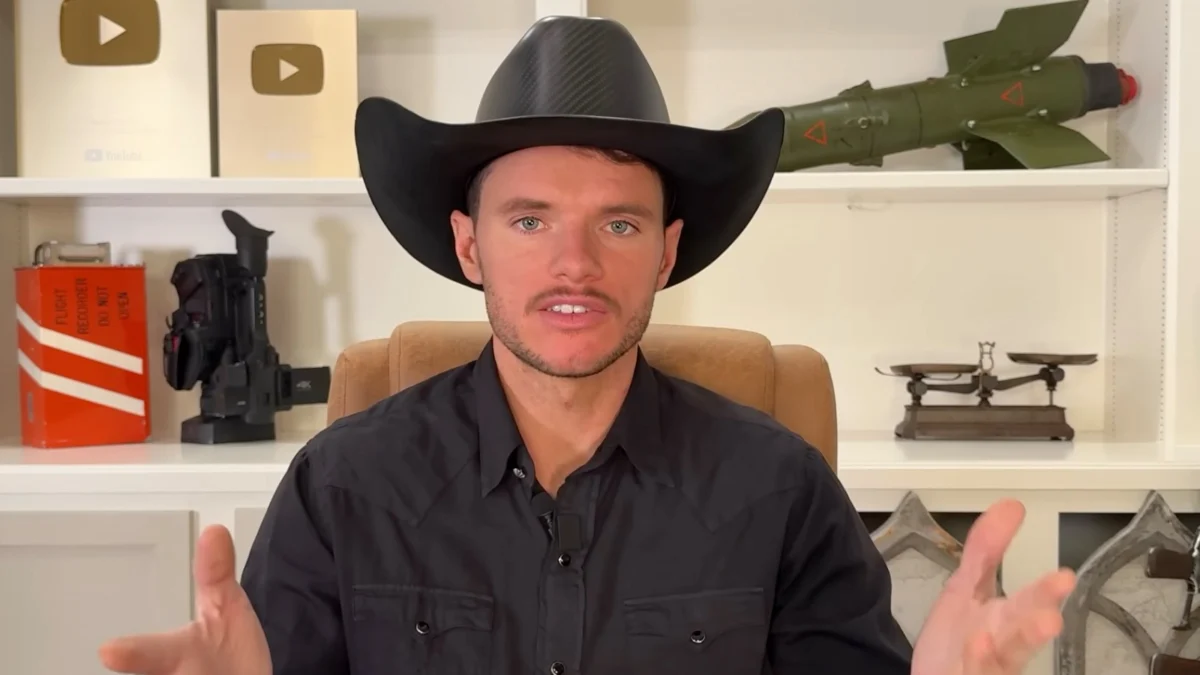
In the hyper-accelerated landscape of modern social media, misinformation can travel across the globe in seconds, often leaving public figures to contend with fabricated narratives that threaten their reputation and peace of mind. Recently, the popular YouTube creator Cody Detwiler, better known to millions as "WhistlinDiesel," became the latest target of a baseless, viral death hoax.
The speculation, which gained significant traction on platforms like TikTok, falsely suggested that the YouTuber had perished in a high-speed automotive accident. Despite the alarming nature of the claims, Detwiler remains alive and well, continuing his high-octane content production schedule. This incident serves as a stark reminder of the fragile boundary between viral entertainment and dangerous digital misinformation.
The Anatomy of a Digital Hoax: How the Rumor Spread
The rumors began when a short-form video circulated on TikTok, featuring graphic imagery of a heavily mangled Tesla Cybertruck. The video was accompanied by a caption that read, “Still can’t believe what happened to WhistlinDiesel,” punctuated by a broken heart emoji.
While the creator of the TikTok never explicitly stated that Detwiler had passed away, the ambiguity of the phrasing—combined with the visceral imagery of a destroyed vehicle—was intentionally designed to exploit the audience’s emotions. Within hours, the algorithm had propelled the video to thousands of viewers, many of whom interpreted the clip as a confirmation of a fatal accident.
In the comments sections of various platforms, fans expressed genuine concern and confusion, speculating on the details of an event that never actually occurred. Because WhistlinDiesel is known for his extreme durability tests and high-stakes stunts, the audience was primed to believe that his high-risk lifestyle had finally resulted in a tragedy. The hoax successfully leveraged his brand identity—which is built on the destruction of expensive machinery—to lend a false air of credibility to the claims.
Chronology of the Incident
The trajectory of the misinformation followed a classic pattern of viral panic:
- Initial Posting: An unidentified account posts a video featuring a destroyed vehicle and ambiguous, emotionally charged text.
- Algorithmic Acceleration: TikTok’s recommendation engine surfaces the video to thousands of fans, many of whom have interacted with WhistlinDiesel’s content previously.
- Public Outcry: Fans begin flooding other social media platforms, including X (formerly Twitter) and Instagram, asking for confirmation of the YouTuber’s status.
- The "Death" Narrative Solidifies: Due to a lack of immediate clarification, the rumor evolves into an accepted "fact" within certain sub-communities of the internet.
- Creator Intervention: Detwiler breaks the cycle of misinformation by posting a scheduled update, effectively proving he is alive and active.
WhistlinDiesel’s Response: Business as Usual
Detwiler, who has built a massive following through his unapologetic, high-budget approach to mechanical destruction, handled the situation with the stoicism of a veteran creator. Rather than issuing a lengthy, defensive statement, he utilized his Instagram platform to signal that he was not only alive but deeply focused on his upcoming projects.
By sharing a teaser for the third installment of his viral Cybertruck durability test series, Detwiler effectively killed the rumors without dignifying the hoaxers with a direct address. The post, which noted, "Cybertruck Durability Test 3 is coming tomorrow," served as the ultimate proof of life. For his fanbase, the return to his standard content cycle was all the confirmation required to dispel the panic.
Understanding the "WhistlinDiesel" Brand and Risk
To understand why the hoax was so effective, one must examine the nature of Detwiler’s content. WhistlinDiesel is not a traditional vlogger; he is a specialist in "destructive engineering." His videos often feature him pushing high-end vehicles, such as Ferraris and Tesla Cybertrucks, to their absolute physical limits.

In 2024, he gained massive notoriety for an extreme durability test that involved subjecting a Cybertruck to C4 explosives, impact tests with heavy objects, and other extreme scenarios that left the vehicle in a state of near-total ruin. Because his audience is accustomed to seeing him standing in the middle of wreckage, the viral TikTok showing a crashed truck did not immediately trigger the skepticism that it might have for other influencers. The hoaxers weaponized the very nature of his content against him, turning his reputation for danger into a tool for spreading fear.
Broader Context: The Rise of Celebrity Death Hoaxes
The incident involving WhistlinDiesel is not an isolated one. In recent years, high-profile creators and celebrities have increasingly become victims of "death hoaxes." These are often motivated by a desire for engagement, as videos centered on sensationalist "news" are prioritized by recommendation algorithms.
The Role of Algorithmic Incentive
The business model of platforms like TikTok often rewards creators who produce high-engagement, emotionally charged content. By using clickbait tactics—such as ambiguous captions and suggestive imagery—hoaxers can manufacture a surge in views, comments, and shares. These metrics translate into revenue for the hoaxer, creating a perverse financial incentive for the spread of misinformation.
The Impact on Creator Mental Health
For creators like Detwiler, these hoaxes present a significant, if intangible, burden. Beyond the initial alarm caused to family, friends, and the fanbase, such rumors can interfere with brand partnerships and cause unnecessary distress to the creator’s support system. When a creator is forced to spend time managing a reputation crisis that is entirely fabricated, it detracts from the creative process and adds a layer of professional toxicity to the digital environment.
Legal and Ethical Implications
While the rumor regarding WhistlinDiesel was eventually debunked, the legal and ethical landscape surrounding online misinformation remains murky. In many jurisdictions, spreading false information about an individual’s death does not meet the legal threshold for defamation unless it causes specific, quantifiable financial damage. However, the ethical implications are clear: the intentional manipulation of public perception for "clout" represents a breach of the social contract that governs online communities.
Furthermore, this incident highlights the lack of robust verification processes for viral content. While platforms have implemented fact-checking labels for certain types of political or health-related information, entertainment-based misinformation often slips through the cracks, leaving the burden of truth on the creator themselves.
Distinguishing Fact from Fiction: A Guide for Fans
As the internet continues to evolve, viewers must become more discerning consumers of information. When encountering "news" about a public figure that seems shocking or tragic, followers should consider the following:
- Verify the Source: Is the information coming from a verified account, a major news outlet, or a random, unverified TikTok account with a history of clickbait?
- Check Primary Channels: Does the creator have a presence on other, more formal platforms? If they are active on Instagram, Twitter, or YouTube, the likelihood of a tragedy is significantly lower.
- Look for Official Statements: In the event of a genuine emergency, professional management teams or family members will usually release official statements through established channels.
- Analyze the Tone: If a video uses high-pressure, emotionally manipulative language (e.g., "I can’t believe this," or "RIP"), it is almost certainly designed for engagement rather than information.
Conclusion: The Resilience of the Content Creator
The attempt to capitalize on a fake death report for WhistlinDiesel serves as a potent case study in the dangers of the modern digital attention economy. While the rumor was short-lived, the speed with which it spread highlights a critical vulnerability in our current social media infrastructure.
Cody Detwiler, through his commitment to his craft and his refusal to engage with the noise, proved that the best defense against misinformation is the continuation of one’s work. As we look toward the future of content creation, the responsibility falls not only on the platforms to curb the spread of malicious content but also on the audience to exercise skepticism in an age where the truth is often the first casualty of the algorithm. WhistlinDiesel remains, and his upcoming projects will continue to push the boundaries of what is possible in the world of automotive content—safely, effectively, and definitively.

 Nana Muazin
 Muslim