In a stunning display of the enduring nature of open-source development, the upcoming Linux kernel 7.3 is set to introduce a feature that feels like a trip back to the dawn of the new millennium. The legendary 3dfx Voodoo 3, a graphics accelerator that defined the late 1990s PC gaming experience, is receiving a major update to its Linux driver support. While this isn’t a full-blown modernization of the card for contemporary 3D rendering, it marks a significant milestone in hardware preservation, ensuring that this iconic piece of silicon remains functional on platforms where it was previously considered "dead on arrival."
The Core Innovation: Moving Beyond Firmware Dependency
For over two decades, the Linux tdfxfb (3dfx Framebuffer) driver operated under a core assumption: that the system firmware (BIOS/UEFI) had already initialized the Voodoo 3 graphics card during the Power-On Self-Test (POST) phase of the boot sequence. In the late 90s, this was a perfectly sound architectural decision. On standard x86 motherboards, the system firmware would identify the Voodoo 3, execute its onboard Video BIOS (VGA BIOS), and configure the card’s registers, effectively handing off a "warm" and ready-to-use device to the Linux kernel.
However, as the computing landscape shifted away from legacy x86 architectures, this assumption began to crumble. On modern platforms, non-x86 hardware, or systems where the Voodoo 3 is treated as a secondary display adapter, the firmware often ignores the card entirely. The result? The Linux kernel detects the PCI device, but because it is uninitialized, it provides no output—leaving users staring at a "No Signal" monitor error.
The patch slated for Linux 7.3, spearheaded by developer Daniel Palmer, changes the paradigm entirely. By embedding logic within the tdfxfb driver to parse the card’s Video BIOS and perform the initialization manually, the driver can now wake up the Voodoo 3 from a cold state. This removes the reliance on system firmware, effectively allowing the hardware to function on virtually any platform that supports a PCI bus.
A Chronology of the 3dfx Legacy
To understand why this matters, one must look back at the meteoric rise and fall of 3dfx Interactive.
- 1996: The release of the original Voodoo Graphics chipset changes PC gaming forever, introducing the world to the "Glide" API and hardware-accelerated 3D rendering.
- 1999: The Voodoo 3 series is released. As a "third-generation" evolution of the Voodoo architecture, it was the company’s response to the rising threat of NVIDIA’s Riva TNT2. It remained a powerhouse for years despite using a die-shrink of previous silicon.
- 2000: 3dfx Interactive, once the undisputed king of 3D graphics, faces mounting financial pressure and is eventually acquired by NVIDIA.
- 2000s–2010s: The "Voodoo" cards become prized collector’s items. Enthusiasts struggle to keep them running on modern operating systems due to the lack of updated driver stacks and the decay of legacy BIOS compatibility.
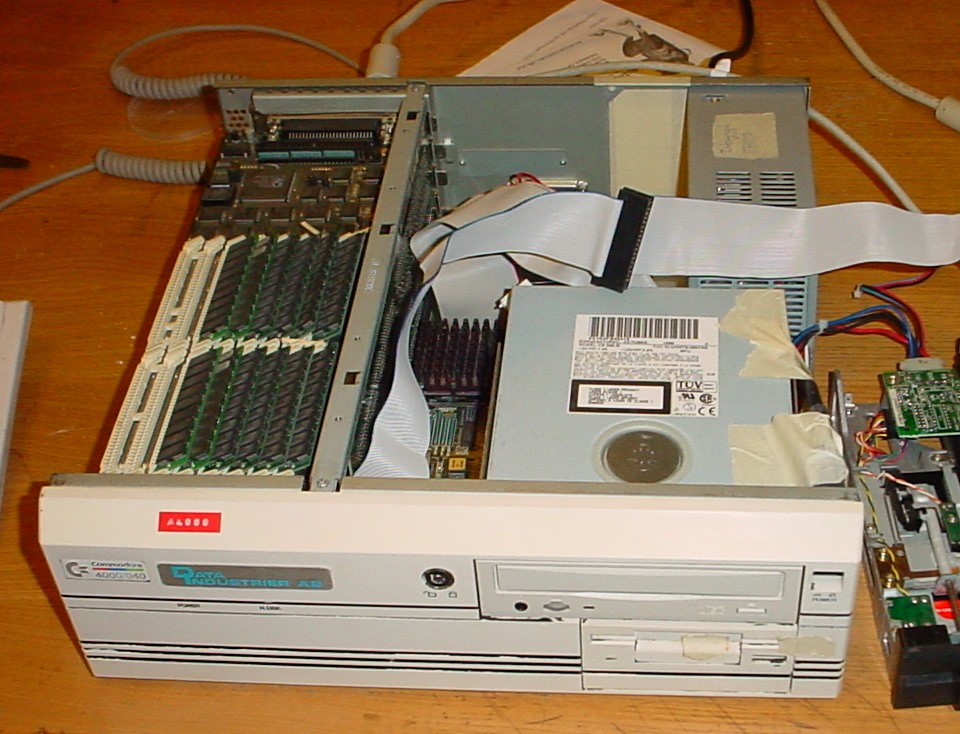
- 2025–2026: Developer Daniel Palmer discovers the Voodoo 3’s limitations while attempting to use it in an Amiga 4000 equipped with a Mediator PCI bridge. The resulting frustration leads to the development of the new initialization code and the
smoltdfxuserspace library.
Supporting Data: Why "Old" Still Matters
Critics might argue that dedicating kernel development time to a 25-year-old GPU is a waste of resources, but the reality of retro-computing and embedded systems suggests otherwise. The tdfxfb update is not about gaming—it is about accessibility and control.
The Technical Hurdle
The Voodoo 3’s initialization is complex. It requires precise timing and register-level programming that was traditionally encapsulated in the card’s ROM. By reverse-engineering this process, Palmer has enabled the driver to set video modes, enable the VGA core, and establish a framebuffer (/dev/fb0) without an external crutch.
The Testing Methodology
Palmer’s work is uniquely rigorous. He has utilized a "co-design" strategy, building a QEMU-based emulator for the Voodoo 3 alongside the actual hardware driver. By comparing "frame digests"—checksums of rendered output—between the emulated card and the physical hardware, he has ensured that the new driver logic is perfectly aligned with the silicon’s original design intent. This process has allowed him to fix bugs in the emulator while simultaneously validating the driver.
Official Perspectives and Community Impact
The developer community has responded with enthusiasm. While the Linux kernel mailing lists often focus on performance optimization for current-gen hardware, the "retro" patches are treated with a unique level of respect. They serve as a testament to the Linux kernel’s philosophy: that support for hardware should be maintained as long as there is a user base, no matter how small.
The inclusion of this patch in the official Linux 7.3 tree signals that the maintainers recognize the value of this work. It isn’t just about the Voodoo 3; it is about establishing a pattern for how to handle "orphaned" legacy hardware that no longer benefits from manufacturer support.
The Broader Implications: Beyond the Framebuffer
The most exciting aspect of this development is not the framebuffer driver itself, but what it has unlocked. By proving that one can initialize a Voodoo 3 from the Linux kernel, Palmer has opened the door for a new, independent 3D graphics stack.
The Rise of smoltdfx and smolminigl
Because the driver now provides access to the card’s register space, developers can bypass the bloated, legacy-ridden X11 and Mesa stacks. The smoltdfx library allows userspace applications to communicate directly with the hardware. Built atop this is smolminigl, a lightweight implementation of OpenGL 1.x.
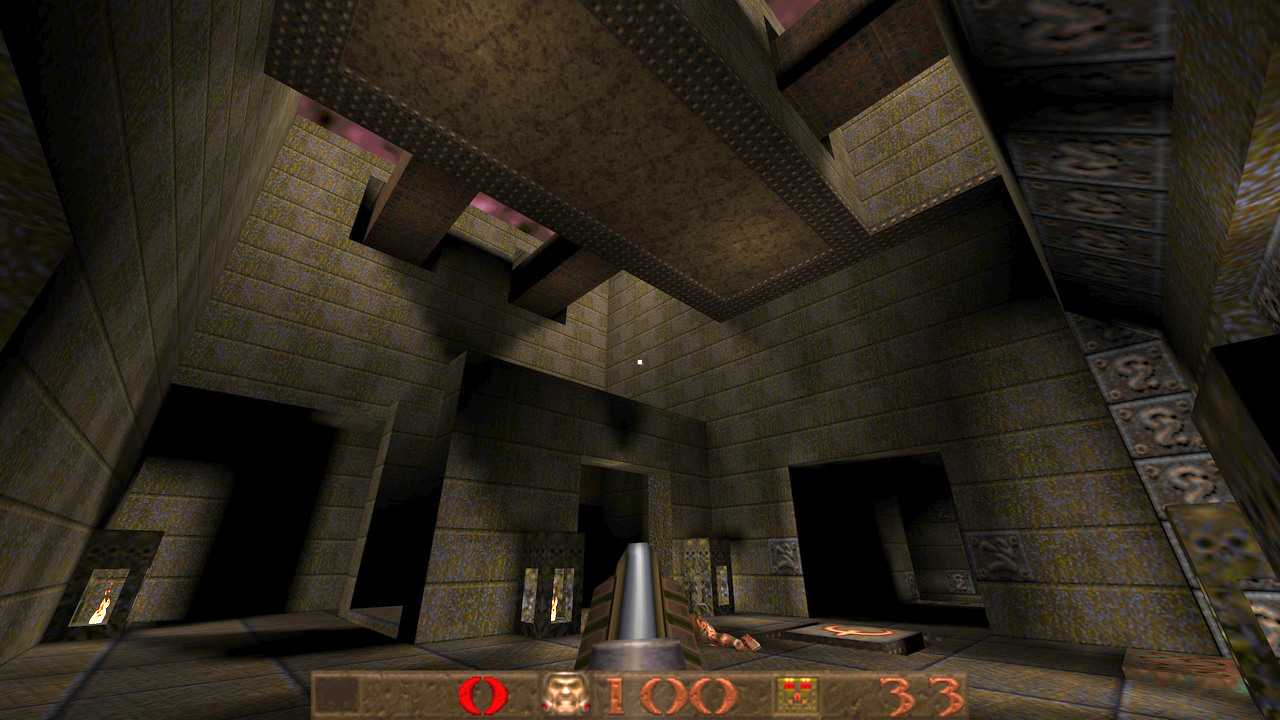
In initial tests, this stack has successfully rendered Quake—the quintessential 3D benchmark of the 90s—directly on real Voodoo 3 hardware. This is a monumental achievement. It means that in the future, we could see "bare-metal" Linux gaming machines that run 90s-era titles without the overhead of modern display servers or complex compatibility layers.
The Future of Virtualization
The implications for virtualization are equally profound. With the ability to initialize the card at the kernel level, the dream of "PCI Passthrough" becomes much more attainable. Imagine a modern Linux host passing a physical Voodoo 3 card to a Windows 98 virtual machine. The VM would treat the Voodoo 3 as native hardware, allowing it to run original 3dfx-era drivers exactly as they were written in 1999. This would provide the ultimate "period-accurate" experience for retro-gaming enthusiasts, bypassing the common issues of texture glitches and performance drops seen in software-based emulators.
Conclusion: A Living History
The update arriving in Linux 7.3 is a reminder that in the world of open-source software, nothing is ever truly obsolete. While the Voodoo 3 will never be a competitor for modern gaming rigs, it remains a focal point for those who cherish the history of computing. By allowing the card to boot on non-traditional hardware and creating a direct path for 3D rendering, developers like Daniel Palmer are not just preserving a piece of hardware; they are maintaining a bridge to our digital past.
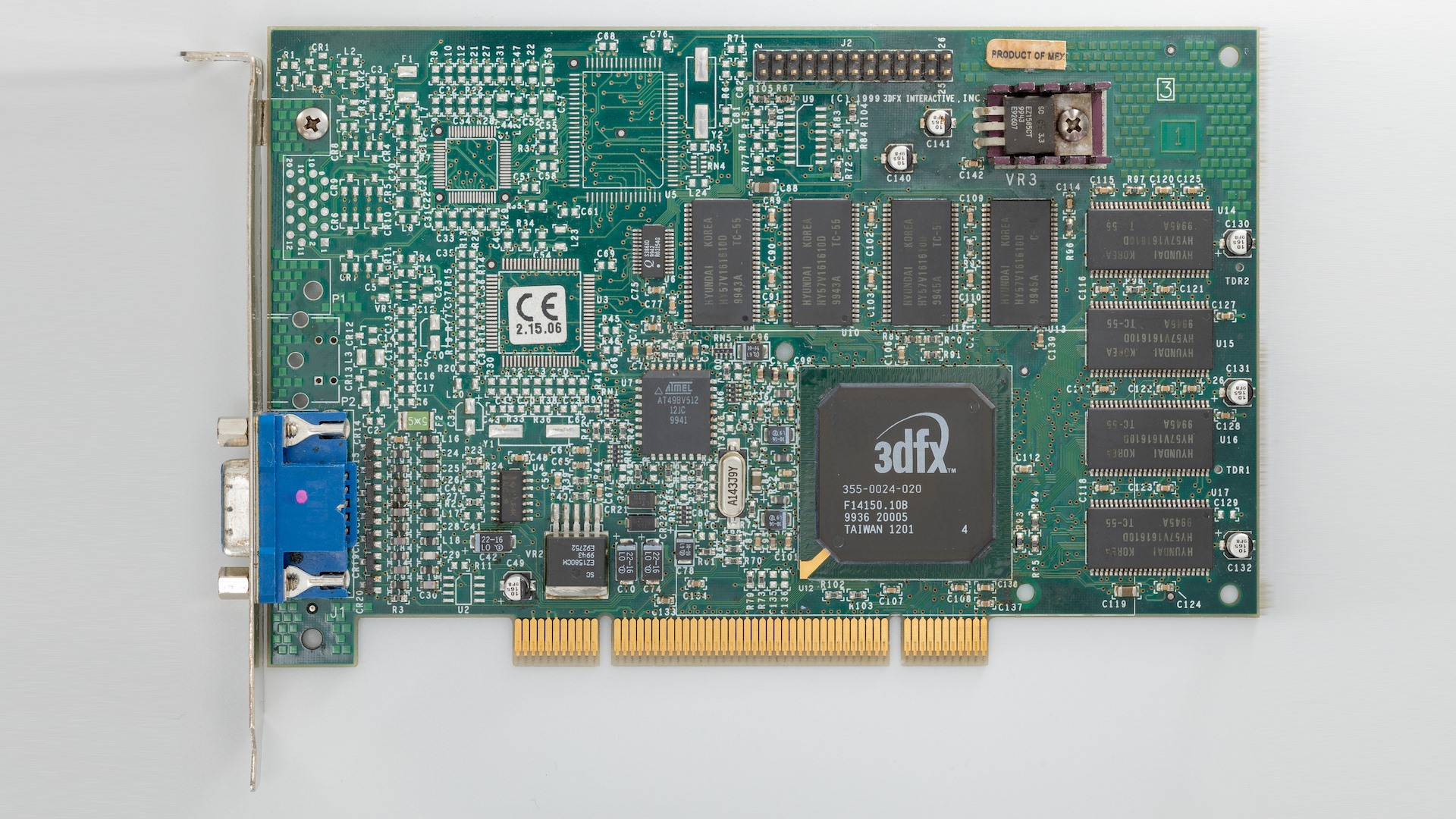
As we look toward the future of computing, where software is increasingly abstracted and hardware is locked behind proprietary ecosystems, the act of reverse-engineering a 25-year-old graphics card feels like an act of rebellion. It ensures that the machines of the past will continue to render, to output, and to surprise us, long after the original manufacturers have closed their doors. In 2026, the Voodoo 3 is not just a relic—it is a platform for new, experimental engineering, proving once again that with enough dedication, even the oldest ghost can be taught new tricks.