

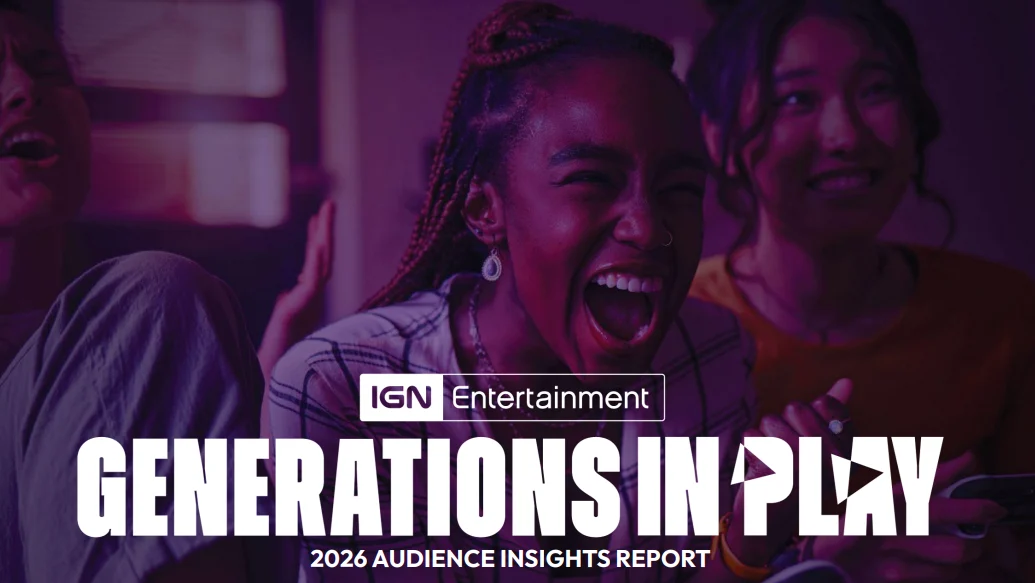
London, UK – [Current Date] – A landmark report by IGN Entertainment (IGNE), parent company of GamesIndustry.biz, in collaboration with data analytics powerhouse Kantar and the esteemed UC Berkeley, has shed critical light on the evolving landscape of entertainment consumption, revealing distinct and often contrasting habits across different generations. Titled "Generations in Play," the extensive study, based on deep polling of thousands of highly engaged consumers across the US, UK, and Australia, underscores a significant divergence in how Gen X and Gen Z interact with video games and broader digital content, offering invaluable insights for the global entertainment industry.
The report’s headline findings paint a vivid picture: Gen X gamers emerge as dedicated "completionist Google users," meticulously dissecting games to extract every ounce of content, often relying on traditional search engines for strategy and lore. In stark contrast, Gen Z demonstrates an unwavering commitment to social media and expansive digital communities, where games are not merely played but lived within a dynamic, ongoing social ecosystem. These insights, derived from a rigorous methodology targeting "highly-committed" consumers, represent a pivotal shift from IGNE’s historical internal data tracking to a publicly accessible, comprehensive analysis designed to inform and guide the future strategies of content creators and marketers worldwide.
Diverging Playstyles: A Generational Divide
The "Generations in Play" report meticulously dissects the unique approaches each generation brings to their digital entertainment, particularly within the gaming sphere. The differences are not merely superficial but deeply rooted in their formative experiences, technological exposure, and intrinsic motivations for engagement.
Gen X: The Completionist Strategists
For Generation X, born roughly between the mid-1960s and early 1980s, gaming is often characterized by a profound sense of investment and mastery. Karl Stewart, SVP of IGNE Global Marketing, aptly describes their ethos: "Gen X come from a point of view of midnight opening, full price games, console base… [they] want to get everything they possibly can, get as much juice out of that lemon as possible." This perspective is a direct byproduct of their early experiences with gaming. In an era predating ubiquitous internet access, games were often significant financial outlays, typically purchased as full-price console titles. There were no expansive digital storefronts, no endless free-to-play options, and certainly no subscription services offering vast libraries. Each game represented a substantial commitment, both monetary and temporal.
This historical context fostered a "completionist" mindset. Gen X players were – and largely remain – driven by the desire to uncover every secret, achieve every objective, and experience every facet of a game’s design. This isn’t just about finishing the main story; it’s about finding hidden levels, unlocking bonus characters, mastering intricate mechanics, and achieving 100% completion rates. To aid in this endeavor, the report highlights their reliance on "Google." While younger generations might turn to TikTok or Twitch for quick tips, Gen X still predominantly leverages traditional search engines. They’re meticulously searching for detailed walkthroughs, comprehensive guides, lore explanations, and discussions on forums that delve deep into game mechanics. Their information-seeking behavior is methodical, analytical, and geared towards comprehensive understanding and ultimate mastery.
Furthermore, the "console base" emphasis for Gen X speaks to a preference for dedicated gaming hardware, often associated with immersive, high-fidelity single-player or local multiplayer experiences. The tactile satisfaction of a controller, the ritual of inserting a physical game disc, and the direct engagement with a meticulously crafted virtual world define their preferred mode of interaction. For this generation, a game is a finite, meticulously engineered product to be thoroughly explored and conquered, a testament to their enduring appreciation for craftsmanship and value extraction from their entertainment investments.
Gen Z: The Social Ecosystem Navigators
In stark contrast, Generation Z, generally encompassing those born from the late 1990s onwards, approaches gaming and content consumption through an entirely different lens, one shaped by pervasive digital connectivity, social media, and the rise of live-service platforms. Stewart notes that Gen Z "live in a world of platforms… games don’t end, but social and community becomes a massive part of their DNA." For this generation, a game is less a standalone product to be completed and more a dynamic, ever-evolving ecosystem to be inhabited and shared.
Their commitment to "social media and digital communities" is paramount. Platforms like Discord, Twitch, YouTube, TikTok, and Reddit are not just adjuncts to their gaming experience; they are integral components of it. Gen Z gamers often engage with a game’s community even when not actively playing. This involves watching streams, participating in forum discussions, sharing memes, creating fan content, and engaging with influencers. The concept of "games don’t end" is deeply ingrained, reflecting the prevalence of live-service titles, seasonal updates, ongoing narratives, and user-generated content that continuously refresh and expand gaming worlds. Their engagement is perpetual, extending far beyond the traditional "end credits."
The desire to be "the most informed" within their chosen communities is a powerful motivator for Gen Z. This isn’t about solo mastery in the same vein as Gen X, but rather about possessing and sharing knowledge within a collective. They thrive on being up-to-date on the latest patch notes, meta changes, character builds, and lore developments. This knowledge is then weaponized in social interactions, allowing them to contribute meaningfully to discussions, offer advice, and establish their credibility within their peer groups. The pursuit of information is inherently social, driven by a desire for connection, belonging, and recognition within their digital tribes. The boundaries between playing a game, talking about a game, and watching others play a game are blurred for Gen Z, forming a holistic, interconnected experience.
The Genesis of "Generations in Play"
The "Generations in Play" report is not merely a snapshot of current trends but the culmination of years of internal data collection and a strategic pivot by IGN Entertainment to broaden its analytical scope and share its rich insights with the wider industry.
From Internal Tracking to Public Insight
Tate Fiebing, Senior Director of Business Intelligence at IGNE, reveals the long-standing tradition of data analysis within the company. "We’ve done a version of this forever," Fiebing explains, noting its origins around 2010. Initially, these comprehensive data sets were "historically very focused on gaming" and served primarily for "client presentations," remaining an internal asset. This historical expertise in understanding gaming audiences provided a robust foundation, but IGNE recognized the evolving landscape demanded a more expansive, public-facing approach.
The impetus for transforming this internal resource into the "Generations in Play" report stemmed from a desire to gain a wider, external understanding of content consumption patterns across multiple entertainment formats, not just gaming. This strategic shift led IGNE to partner with external experts: the globally renowned data, insights, and consulting company Kantar, and the prestigious University of California, Berkeley. This collaboration injected fresh perspectives, enhanced methodological rigor, and broadened the report’s reach and credibility. As Karl Stewart articulated on the Brands in Play podcast, the goal was to "see where Gen Z, millennials and Gen X are consuming content" holistically, recognizing the increasing interconnectedness of various entertainment forms. This marked a significant evolution from proprietary client reports to a publicly available industry resource, reflecting IGNE’s commitment to fostering a deeper understanding of audience intent across the entire entertainment spectrum.
Methodology and Scope
The robustness of the "Generations in Play" report lies in its meticulous methodology, particularly in the selection of its survey participants. This was not a general population survey but a highly targeted endeavor aimed at uncovering the habits of the most dedicated consumers. As Stewart emphasizes, "Working with Kantar and at UC Berkeley, we identified people to ask the questions to. They were highly qualified entertainment cinephiles, gamers consuming a lot of stuff weekly… we’re not talking about casual here. We’re talking about people who basically say: I only have so many hours in the week, and this is still where I choose to spend my disposable time."
This deliberate focus on "highly-committed content consumers" is crucial. By studying individuals who actively prioritize entertainment in their limited leisure time, the report gains profound insights into the motivations, preferences, and behaviors of the most influential segments of the audience. These are the trendsetters, the early adopters, and the most vocal advocates who disproportionately shape market trends and cultural discourse within their respective entertainment communities. The geographical scope, encompassing the US, UK, and Australia, provides a strong tri-continental perspective, capturing nuanced differences and commonalities across major English-speaking markets with mature entertainment industries. This focused yet geographically diverse approach ensures that the report’s findings are both deeply insightful and broadly applicable to a significant portion of the global entertainment landscape.
Broader Implications for the Entertainment Industry
The findings of "Generations in Play" extend far beyond theoretical understanding; they carry profound implications for a multitude of stakeholders across the entertainment ecosystem, from content creators and developers to marketers and platform providers.
Beyond Gaming: A Holistic View of Content
While the initial focus of the report highlights gaming, its foundational premise is to analyze "audience intent across multiple entertainment formats." This signals a crucial recognition that generational shifts in consumption habits are not siloed within specific media types. The same underlying motivations that drive Gen Z to community-centric gaming also influence their engagement with film, television, music, and even news. For instance, a Gen Z consumer seeking "the most informed" status in gaming might also be meticulously following TikTok creators for movie reviews, participating in Reddit discussions about TV show theories, or engaging with artists directly on social media for music updates. Conversely, Gen X’s "completionist" drive might manifest in binging entire seasons of a show, seeking out director’s cuts of films, or investing deeply in a particular music artist’s entire discography.
This holistic perspective underscores the interconnectedness of modern entertainment consumption. Publishers and studios can no longer afford to view their audiences in isolation. Understanding how a generation consumes one form of content can provide valuable clues about their preferences for others. This necessitates a cross-platform strategy, recognizing that audience attention is a fluid resource, constantly shifting between games, streaming services, social media, and other digital experiences. The report implicitly advocates for an integrated content strategy that respects generational preferences for discovery, engagement, and community building across all media.
Strategic Direction for IGN Entertainment
For IGN Entertainment itself, the "Generations in Play" report is far more than an academic exercise; it’s a strategic compass guiding its future growth and operational decisions. Karl Stewart explicitly states the internal utility: "What we’re doing is now looking at it and going: when we think about growing IGN Entertainment, what are the things that we realize Gen Z are now leaning towards? Where are the areas the business is shifting?" This indicates a proactive approach to adapting IGNE’s content, platforms, and marketing strategies to align with the evolving demands and preferences of younger audiences.
This strategic realignment will directly impact IGNE’s content creation. Understanding Gen Z’s preference for community, social interaction, and dynamic, ongoing content means IGNE may increasingly prioritize content formats that foster discussion, enable participation, and integrate seamlessly with social media platforms. This could translate into more live streams, interactive features, community-driven content, and deeper integration with platforms favored by Gen Z. Conversely, insights into Gen X’s habits might inform the creation of in-depth guides, retrospective analyses, and comprehensive reviews that cater to their desire for thorough understanding and completion.
Crucially, the insights and segmentation derived from the report will be used to inform the firm’s cutting-edge "Imagine AI targeting tool." Imagine, IGNE’s proprietary artificial intelligence platform, is designed to enhance advertising effectiveness by precisely targeting content consumers based on their interests and behaviors. By integrating the generational insights from "Generations in Play," Imagine can become even more sophisticated, allowing advertisers to craft campaigns that resonate deeply with specific age demographics, leveraging their preferred content formats, discovery channels, and engagement motivations. This means more relevant ads for consumers and more effective campaigns for clients, a win-win for the digital advertising ecosystem. The commitment to further analysis and publication of data later in the year also signals an ongoing dedication to refining these insights and keeping the industry abreast of the latest trends.
Official Responses and Industry Reception
While the "Generations in Play" report is fresh out, the internal responses from IGN Entertainment’s leadership highlight its strategic importance and anticipated impact on the broader entertainment industry. Tate Fiebing’s account of the report’s evolution from an internal tool to a public resource underscores IGNE’s belief in the universal value of these insights. The transition, driven by a desire to look "externally at content consumption patterns," signifies a commitment to contributing to industry-wide understanding rather than solely leveraging data for proprietary advantage.
Karl Stewart’s emphasis on the meticulously chosen "highly qualified entertainment cinephiles, gamers consuming a lot of stuff weekly" speaks to the quality and depth of the data. This isn’t just surface-level demographics; it’s a deep dive into the psychology of dedicated fans, making the findings particularly potent for decision-makers. The distinction drawn between Gen X’s "midnight opening, full price games, console base" and Gen Z’s "platforms… social and community becomes a massive part of their DNA" is not just an observation but a call to action for developers, publishers, and marketers. It forces a re-evaluation of product development, marketing channels, and community management strategies.
For game developers and publishers, these insights offer a roadmap for tailoring game design, monetization models, and marketing campaigns. Should they focus on creating deep, finite experiences with rich lore for Gen X, or expansive, community-driven live services with continuous content updates for Gen Z? The answer, increasingly, might be both, but with differentiated strategies for engagement. Marketers, too, gain invaluable guidance on where to allocate their resources – whether through traditional search engine optimization for older demographics or through influencer marketing and community engagement on social platforms for younger ones. The report effectively acts as a catalyst, prompting industry players to critically assess their current strategies and adapt to the undeniable generational shifts in consumer behavior.
Conclusion: Navigating the Future of Fandom
The "Generations in Play" report from IGN Entertainment, Kantar, and UC Berkeley serves as a timely and essential compass for navigating the increasingly complex and fragmented landscape of digital entertainment. It definitively illustrates that a one-size-fits-all approach to content creation and marketing is rapidly becoming obsolete. The fundamental differences between Gen X’s methodical, completionist drive and Gen Z’s social, community-centric engagement demand tailored strategies that respect and leverage these distinct generational preferences.
As content creators, publishers, and advertisers look to the future, understanding these deep-seated behavioral patterns is not merely advantageous; it is imperative for sustainable growth and meaningful audience connection. The report not only highlights where different generations consume content but how they consume it, why they prioritize certain forms of engagement, and what truly motivates their investment of time and resources. By recognizing the enduring value of mastery for Gen X and the paramount importance of community for Gen Z, the entertainment industry can craft more resonant experiences, cultivate deeper fandoms, and build more robust, future-proof businesses. The digital world is constantly evolving, but the "Generations in Play" report provides a crucial framework for understanding its most influential inhabitants.
A summary of the "Generations in Play" report is available for viewing at generationsinplay.com, where the full version can also be downloaded for comprehensive analysis.











No comments yet. Be the first to join the conversation!