In the modern digital landscape, the volume of consumer feedback is staggering. Every second, thousands of mentions, reviews, and direct messages flood the internet, creating a chaotic tapestry of public opinion. For brands, this data is a goldmine—but only if it can be understood. Much like non-verbal cues in a face-to-face conversation, there is a hidden layer of human emotion woven into the language customers use online. Decoding these nuances is the core mandate of sentiment analysis.
Sentiment analysis, or opinion mining, is the process of using artificial intelligence (AI) and natural language processing (NLP) to interpret the emotional intent behind text data. By categorizing language based on tone, polarity (positive, negative, or neutral), and emotional intensity, businesses can move beyond basic metrics like follower counts or "likes" to understand the why behind their brand’s reputation.

The Evolution of Sentiment Analysis: A Chronological Shift
The journey of sentiment analysis has moved from basic keyword tracking to sophisticated, context-aware AI.
- The Early Days (The "Keyword" Era): Initially, sentiment analysis was rudimentary. Software simply scanned for "good" or "bad" words. If a review contained "great," it was labeled positive. This approach failed to capture the complexities of human irony, sarcasm, or industry-specific slang.
- The Rise of NLP (2010s): With the integration of Natural Language Processing, tools began to understand grammar, syntax, and sentence structure. This allowed systems to recognize that "not good" was negative, even though it contained a positive word.
- The AI and Machine Learning Frontier (Present Day): Today, advanced models—such as those powering Sprout Social, Medallia, and Qualtrics—leverage deep learning. These systems can differentiate between a sarcastic "Thanks a lot" and genuine gratitude, providing brands with a high-fidelity view of the customer experience in real-time.
Supporting Data: Why Emotional Context is Everything
Traditional metrics often provide a superficial view. For example, a surge in brand mentions might be misinterpreted as a successful campaign, when in reality, it could be a PR crisis brewing.
Consider the "sarcasm factor." If a customer writes, "Oh, wonderful, my package arrived three days late," a basic tracker might flag this as positive because of the word "wonderful." Advanced sentiment analysis tools, however, analyze the context of the delivery delay, correctly classifying the sentiment as negative. This distinction is vital. Businesses that rely on raw data without sentiment filtering are essentially flying blind, reacting to noise rather than signals.
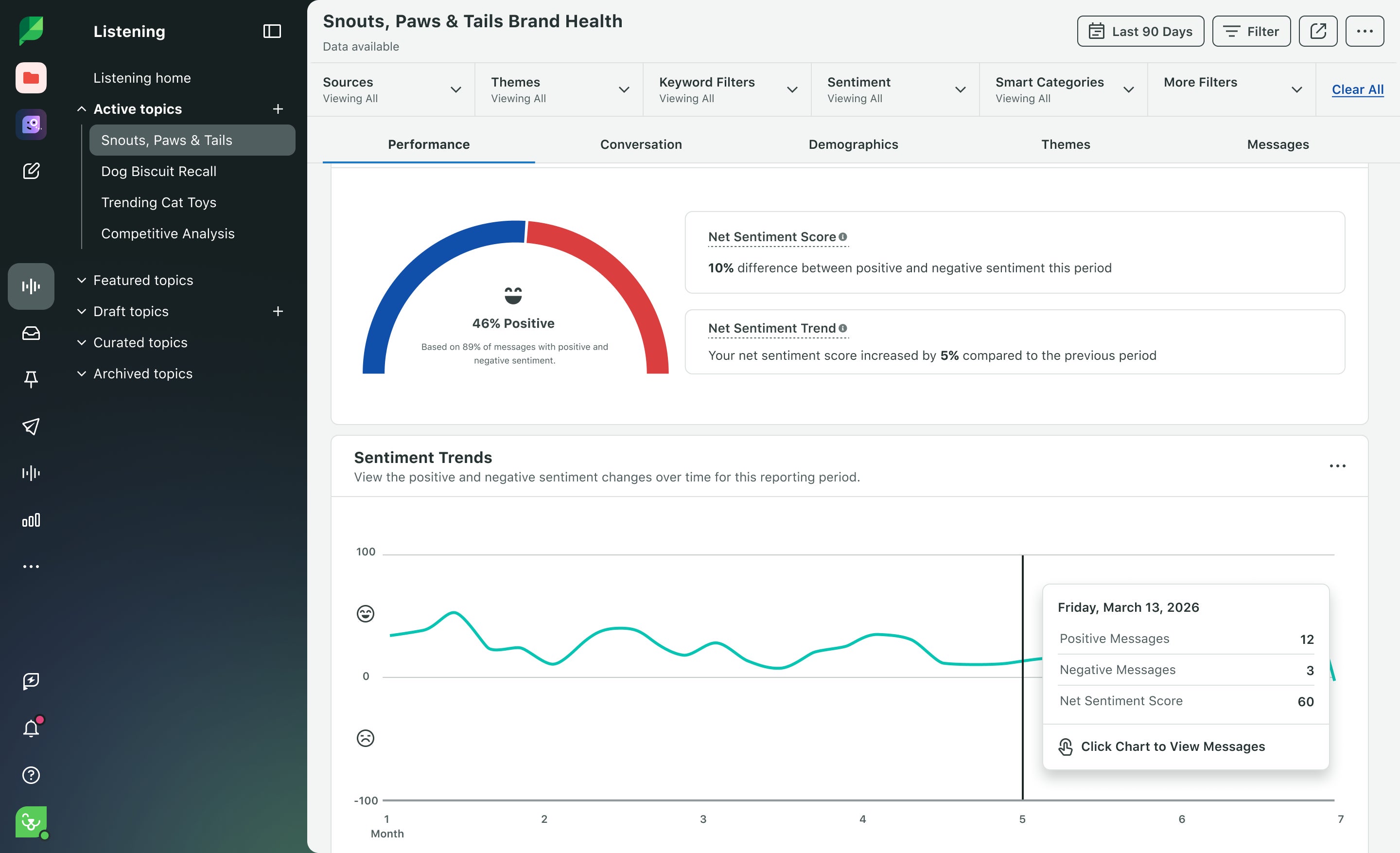
According to market research, companies that implement sentiment-driven strategies see a measurable improvement in customer retention and brand equity. By mapping sentiment over time, firms can correlate specific product updates or service changes with emotional shifts in their user base, allowing for rapid, data-backed course correction.
The Mechanics of Sentiment Analysis Tools
At its core, a sentiment analysis tool acts as a bridge between raw text and actionable business intelligence. These platforms leverage three primary components:
- Data Ingestion: Aggregating data from social platforms, review sites, customer support tickets, and news outlets.
- NLP Processing: Stripping away the "noise" and analyzing the linguistic structure of the feedback.
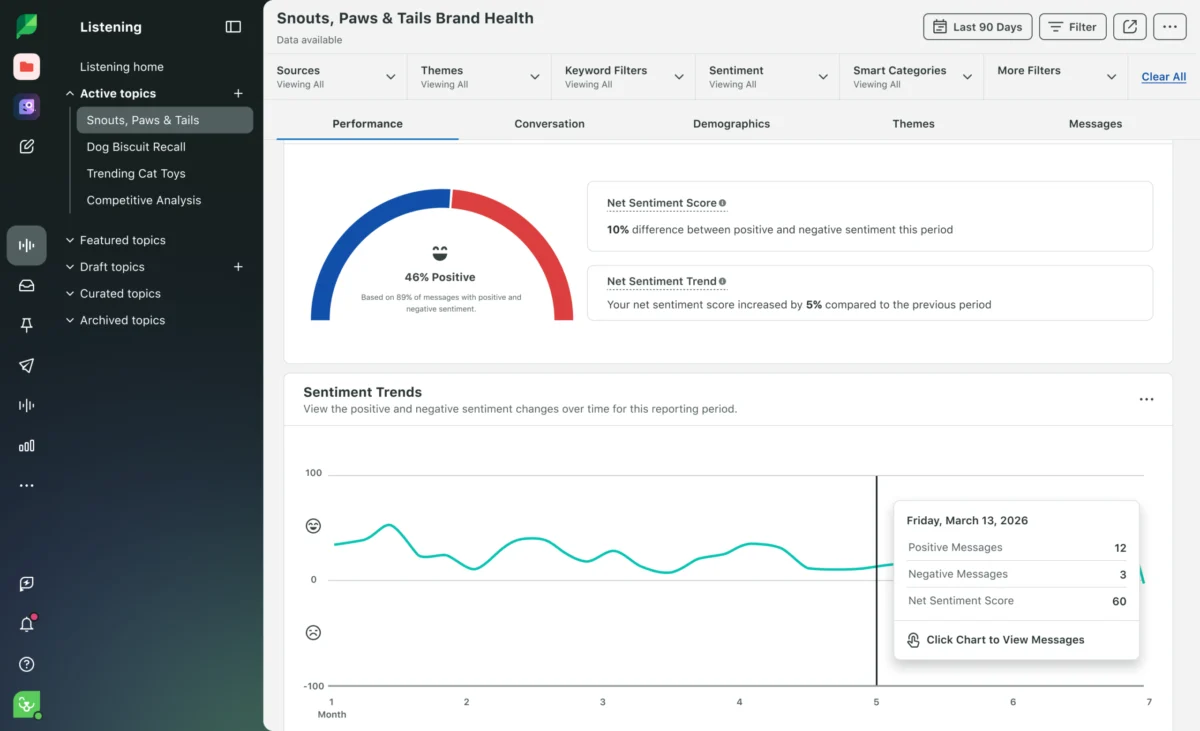
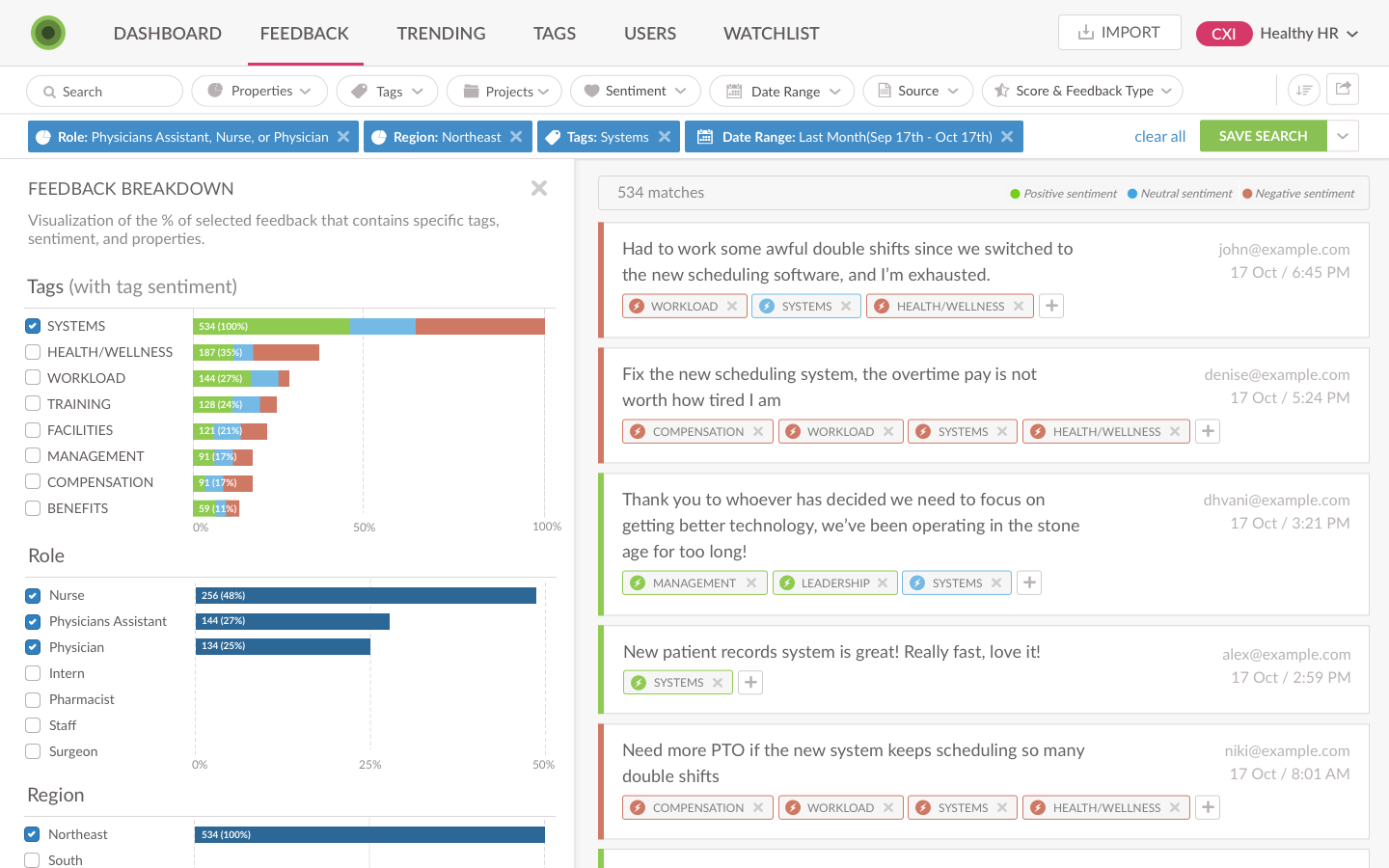
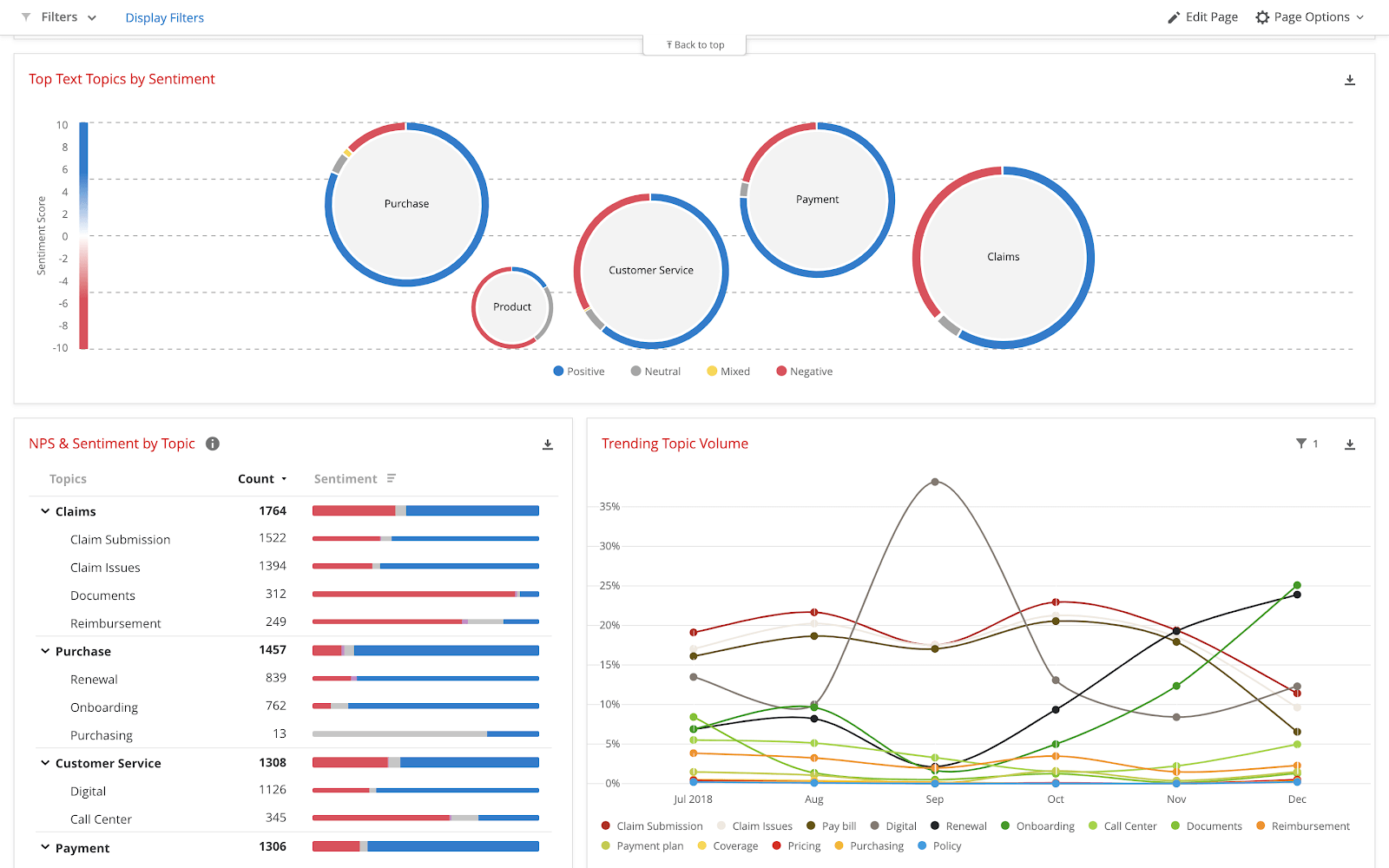
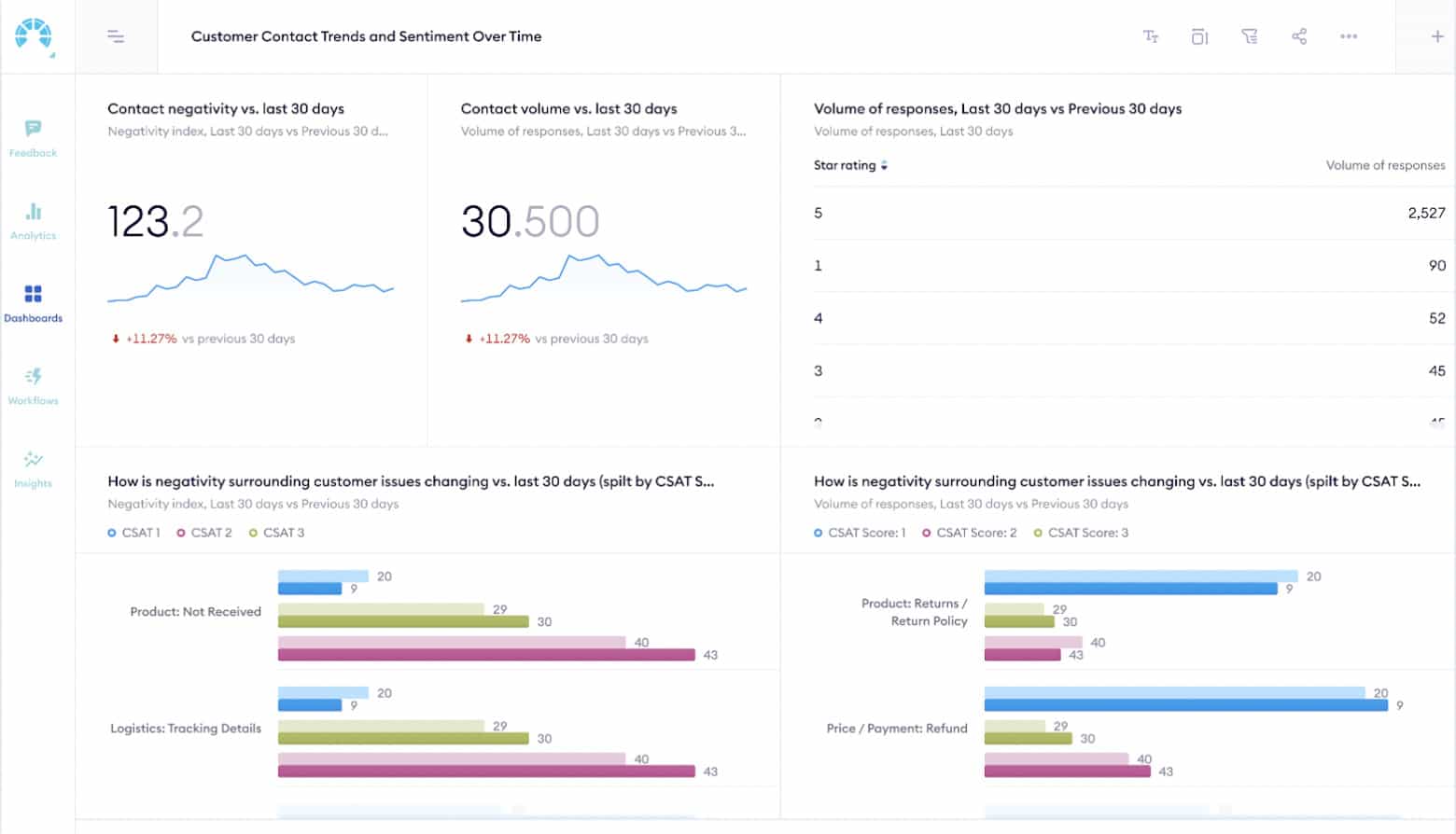
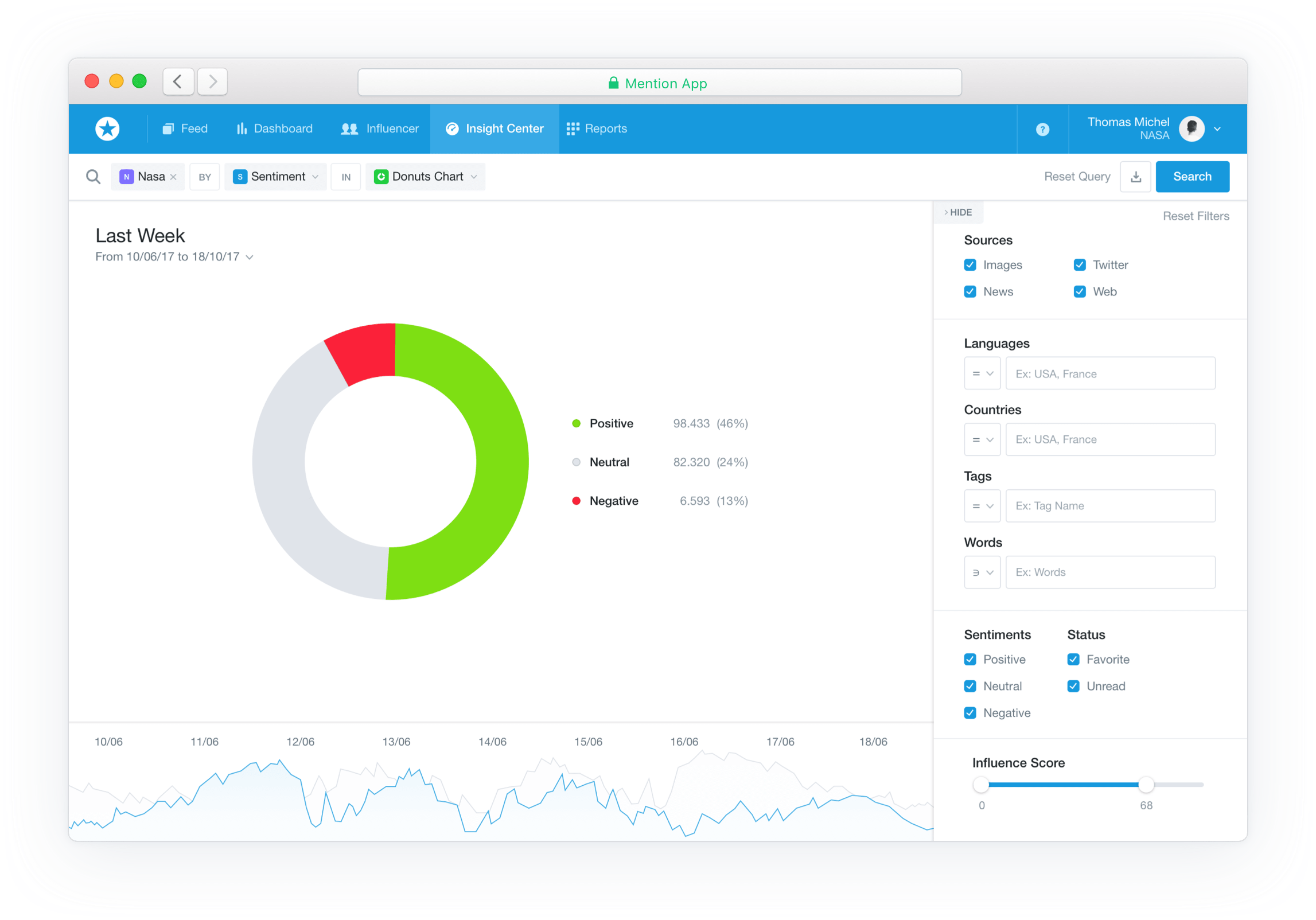
- Visualization and Reporting: Presenting the data in dashboards that highlight trends, topic clusters, and sentiment shifts.
Core Capabilities
- Topic Modeling: Automatically grouping feedback into categories like "Product Quality," "Shipping Speed," or "Customer Service."
- Intent Detection: Identifying whether a user is looking for support, asking a question, or expressing a desire to purchase.
- Comparative Analysis: Tracking how your sentiment score stacks up against direct competitors.
Official Perspectives: The Value of "Listening"
Industry leaders across sectors—from sports to retail—have adopted these tools to humanize their digital presence. A prime example is the Chicago Bulls, who utilize Sprout Social to maintain a personal, relatable connection with their fan base. By using sentiment analysis, the team can distinguish between a fan expressing frustration over a loss and a fan celebrating a highlight-reel play. This allows the social media team to tailor their responses, ensuring they provide empathy during tough times and excitement during victories.

Similarly, the Atlanta Hawks transformed their marketing strategy through sentiment-driven insights. By analyzing fan reactions to content pillars, they discovered that specific types of behind-the-scenes video content generated significantly higher positive sentiment than standard promotional posts. This shift in strategy directly contributed to a 127.1% increase in video views and a 170.1% growth in their Facebook audience.
Categorizing the Top Tools in the Market
Choosing the right tool depends on the scale and nature of your business. The current market is divided into four key categories:
1. Full-Stack Enterprise Solutions
These platforms are designed for scale and deep integration.
- Sprout Social: Offers a comprehensive suite of social listening, publishing, and engagement tools. Its AI-powered sentiment detection is highly regarded for its ability to parse complex social media slang and emojis.
- InMoment: A leader in customer experience, focusing on aggregating feedback from surveys and voice-of-customer programs.
- Medallia: Exceptional at capturing sentiment from omnichannel sources, including speech and video interactions.
- Qualtrics (Text iQ): A powerhouse for deep text analysis and thematic categorization of unstructured data.
- Chattermill: Highly effective for businesses that need to bridge the gap between customer support tickets and broader brand sentiment.
2. Social Media Specialized Tools
Built for the rapid, high-volume environment of social platforms.
- Brandwatch: Renowned for its massive data archives and historical trend tracking.
- Buffer: An excellent entry-point for teams focusing on social media management and basic sentiment tagging.
- Agorapulse: Offers a user-friendly interface with keyword-based sentiment categorization, ideal for community managers.
3. Media and News Monitoring
- Brand24: Perfect for PR teams who need to know exactly how news outlets are portraying their brand in real-time.
- Meltwater: A global standard for monitoring international news sentiment across hundreds of languages.
4. Technical APIs
For organizations that want to build their own sentiment models.
- Google NLP API & Amazon Comprehend: These provide the "raw ingredients"—powerful algorithms that developers can embed into custom software or internal proprietary tools.
Strategic Implications: Moving Toward Proactive Management
The implication of widespread sentiment analysis adoption is the death of the "reactive" marketing model. Businesses are no longer waiting for a crisis to peak before responding; they are spotting the early warning signs in the sentiment data.

Prioritizing Customer Experience
When sentiment analysis reveals that a specific touchpoint—such as a clunky checkout process—is consistently driving negative sentiment, companies can prioritize technical fixes. This is not just about fixing bugs; it is about optimizing the entire customer journey to ensure that every interaction is designed to build trust.
Benchmarking and Accountability
Sentiment analysis allows CMOs and CX leaders to present board-level reports that reflect the "emotional health" of the brand. Rather than just reporting on spend and impressions, they can report on "Audience Trust" and "Brand Advocacy," metrics that are far more predictive of long-term business growth.
Navigating the Challenges
Despite their power, sentiment analysis tools are not infallible. Challenges such as linguistic evolution, cultural context, and irony continue to be hurdles. However, the industry is overcoming these through the use of Human-in-the-Loop (HITL) machine learning, where the AI learns from human corrections, constantly refining its understanding of nuanced language.
As we look toward 2026, the convergence of predictive analytics and sentiment AI will allow brands to forecast how their audience will likely react to a campaign before it is even launched. By testing messaging against historical sentiment data, brands can refine their tone and content to maximize engagement.

Conclusion: Data-Driven Empathy
In a world where consumers are increasingly vocal, the ability to listen—really listen—is the ultimate competitive advantage. Sentiment analysis tools provide the framework to transform the raw, chaotic noise of the internet into a clear, strategic roadmap. Whether you are a small business looking to improve your social media engagement or an enterprise managing global reputation, the technology exists to ensure you never miss the human story behind the data.
By investing in the right tools, companies do more than just monitor metrics; they foster deeper, more meaningful relationships with the people who matter most: their customers. As these tools continue to evolve, the brands that win will be those that use AI not to replace the human touch, but to amplify it, ensuring their voice resonates clearly in an increasingly crowded digital conversation.