

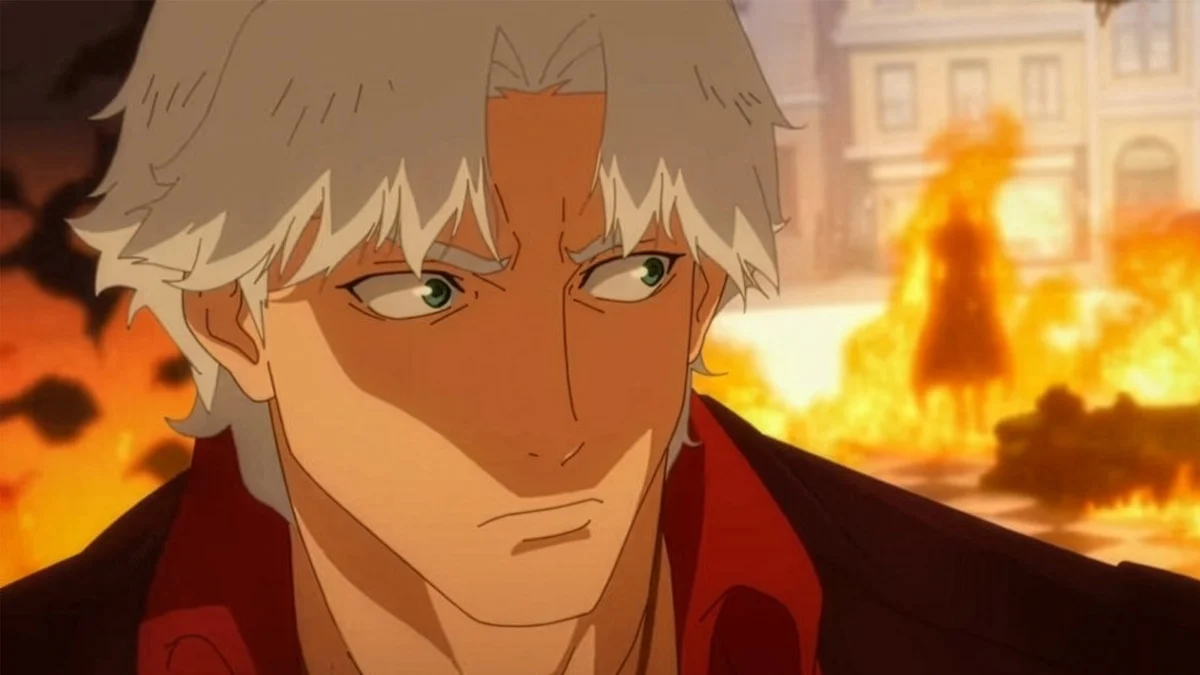
In the high-stakes world of intellectual property management, attention to detail is not merely a preference—it is a requirement. For a global powerhouse like Netflix, which handles some of the world’s most beloved franchises, the expectation for quality control is paramount. However, the streaming giant recently found itself in the middle of a self-inflicted public relations snafu after releasing official merchandise for its Devil May Cry animated series that featured a glaring, fundamental error.
The incident, which saw a piece of apparel featuring the series’ iconic protagonist, Dante, and his brother, Vergil, removed from the official store, has ignited a firestorm of criticism. For many fans, the typo was not simply a clerical error; it was a symbolic failure that reinforced long-standing concerns regarding Netflix’s commitment to the source material of Capcom’s legendary action series.
A Chronology of the Blunder
The Devil May Cry animated adaptation, which debuted on Netflix in April of last year, was met with a polarized reception. While the streaming service was quick to greenlight a second season—capitalizing on the show’s viewership metrics just one week after the premiere—the creative direction of the show remained a point of contention for purists of the original video game franchise.
The timeline of the current controversy began with the rollout of promotional merchandise intended to coincide with the highly anticipated second season. The collection included a T-shirt featuring split-screen style artwork of the series’ two central figures: Dante and his brother, the enigmatic antagonist Vergil.
Eagle-eyed fans browsing the Netflix official store were quick to notice that while "Dante" was rendered correctly, the name "Vergil" had been misspelled as "Virgil." Given that Vergil has been a pillar of the Devil May Cry canon for over two decades, appearing in three mainline titles (Devil May Cry 3, 4 Special Edition, and 5), the error was immediately identified as a egregious oversight by the licensing and design teams.
The discovery went viral almost instantly. X (formerly Twitter) user @vergildearest captured the sentiment of the community, posting: “THEY SPELLED HIS NAME WRONG ON THIS OFFICIAL SHIRT BROTHER WHAT.” The post served as a catalyst for widespread mockery, forcing Netflix to pull the listing from its online storefront entirely.
The Significance of the "Vergil vs. Virgil" Distinction
To the uninitiated, the difference between "Vergil" and "Virgil" might appear negligible—a simple vowel swap. However, within the context of the Devil May Cry fandom, this distinction is sacrosanct. The character’s name is a deliberate reference to the Roman poet Virgil, but Capcom’s specific styling—"Vergil"—has been the consistent, non-negotiable branding for the character since his inception.
The misspelling acts as a "tell." It signals to the dedicated fanbase that the creators of the merchandise—and, by extension, perhaps the oversight team behind the broader adaptation—may lack a foundational understanding of the lore they are tasked with representing.
Why the Fandom is Particularly Sensitive
The Devil May Cry community is known for its high standards regarding character accuracy and stylistic integrity. The franchise, defined by its over-the-top combat and distinct gothic-anime aesthetic, relies heavily on the specific identities of its leads. When a company with the vast resources of Netflix fails to proofread the name of a lead character on a product intended for purchase, it validates the fears of those who believe the animated series is an "outsider’s" interpretation of the games.
Supporting Data: The Impact of Merchandise in IP Management
In the modern entertainment landscape, merchandise is more than just revenue; it is a marketing tool that serves to validate a series’ legitimacy. When a streaming service releases official gear, it is viewed as an extension of the show’s "canon" presentation.
According to retail analytics in the entertainment sector, consumers are significantly more likely to return or boycott merchandise that contains errors, particularly when the target audience is a "hardcore" demographic. In this case, the Devil May Cry fanbase is characterized by high engagement and long-term brand loyalty. By failing to get the name right, Netflix inadvertently signaled a lack of respect for the franchise’s legacy.
Furthermore, the timing of this error was particularly damaging. With the second season of the series dropping yesterday—a season that places Vergil at the center of its narrative arc—the timing of the typo made the oversight appear even more careless. The promotional posts for the new season are currently being flooded with comments from fans who are using the misspelling as a litmus test for the show’s quality. Comments such as "Can’t wait to see ‘Virgil’ in action" serve as a constant reminder of the company’s embarrassment.
Official Responses and Corporate Silence
As of the time of writing, Netflix has not issued a formal apology or a public statement regarding the manufacturing oversight. The item has been quietly removed from the store, and the company’s social media teams have largely ignored the flood of comments regarding the typo.
This silence is typical of modern corporate crisis management, which often favors the "quiet deletion" strategy over acknowledging a mistake that might draw further attention to the brand’s perceived incompetence. However, this lack of transparency often frustrates fans further, as it denies them an acknowledgement that the error was noted and that steps are being taken to prevent future occurrences.
Broader Implications: Authenticity in Adaptations
The Devil May Cry shirt incident is a microcosm of a larger, systemic issue in the adaptation of video games for television and film. As Hollywood continues to look toward the gaming industry for intellectual property, the bridge between game developers (who understand the nuance of their characters) and film studios (who often prioritize broad market appeal) remains shaky.
The "Gatekeeper" Mentality
Fans often act as the "gatekeepers" of these franchises, holding studios to account for every detail. When Netflix, a company that has had significant success with game-to-anime adaptations like Castlevania, falters on a simple name, it undermines the credibility of the entire production. If the studio cannot ensure the correct spelling of a main character’s name on a shirt, the audience is left to wonder: what other details in the writing, character development, or world-building might have been similarly glossed over?
Moving Forward: The Need for Expert Consultation
Industry analysts suggest that for future collaborations, studios must integrate subject matter experts from the developer side into the merchandising and marketing review processes. Capcom, as the rights holder, undoubtedly has a rigorous vetting process, yet the shirt still made it to production. This suggests a failure in the communication pipeline between the creative departments and the merchandising vendors.
Conclusion
The Devil May Cry "Virgil" incident may seem like a trivial footnote in the history of streaming media, but it serves as a stark reminder that in the world of fandom, details matter. For Netflix, the error is an unfortunate blemish on a high-profile launch, one that has provided skeptics with a tangible reason to doubt the studio’s commitment to the franchise.
As the second season of the Devil May Cry anime moves forward, the pressure is now on the production team to deliver a narrative that is as precise as the fans demand. Whether or not this typo will have any lasting impact on the show’s viewership remains to be seen, but one thing is certain: the internet does not forget, and the legacy of "Virgil" will likely haunt the comment sections of the Netflix Devil May Cry social media accounts for seasons to come.
For those interested in the actual history and lore of the series, the debate continues over the show’s merits, its connection to the games, and the creative choices made by its showrunners. While the merchandise store may have scrubbed the mistake, the conversation around the respect—or lack thereof—shown to the source material is far from over.










No comments yet. Be the first to join the conversation!