Raul Delapena Setiawan
Sanctuary Prepares for a Divided Future as Major Content Drop Looms
Blizzard Entertainment is on the cusp of delivering its most substantial post-launch content for Diablo 4 to date, with the imminent arrival of the "Lord of Hatred" expansion. This monumental release is poised to redefine the landscape of Sanctuary, introducing new narratives, gameplay mechanics, and challenges. However, the excitement is tempered by a significant detail: the accompanying Season 13, officially dubbed "Season of Reckoning," will offer a noticeably less robust experience for players who opt not to purchase the "Lord of Hatred" expansion. This strategic decision by Blizzard marks a pivotal moment for Diablo 4‘s content delivery model, creating a distinct two-tiered seasonal journey for its diverse player base.
The announcement has sparked considerable discussion within the community, as players grapple with the implications of a season that, while universally accessible, will reserve its most impactful and thematic elements for those who invest in the premium expansion. As the pre-load for the "Lord of Hatred" expansion and its foundational Patch 3.0.0 becomes available, the stage is set for a dramatic shift in how players engage with the ongoing saga of Diablo 4.
The Dawn of Season of Reckoning and Lord of Hatred
A New Chapter for Sanctuary
The upcoming Season 13, "Season of Reckoning," is more than just another seasonal refresh; it’s intricately woven into the fabric of the "Lord of Hatred" expansion. For the first time since the game’s launch, a seasonal update will directly coincide with a major paid content release, mirroring a strategy seen in other long-running live-service titles. Blizzard has confirmed that "Season of Reckoning" will kick off concurrently with the expansion’s launch, making it accessible to all Diablo 4 players, regardless of their expansion purchase. This ensures that the foundational seasonal structure remains inclusive, a core tenet of Diablo 4‘s post-launch philosophy.
Traditionally, each Diablo 4 season introduces a unique theme, complete with novel gameplay mechanics, seasonal questlines, and a distinct power progression system that resets every few months, encouraging players to experiment with new builds and strategies. These seasonal cycles have been instrumental in maintaining player engagement and providing fresh challenges beyond the core campaign. "Season of Reckoning" will uphold some of these traditions, featuring the familiar Season Rank chase, the acquisition of Smoldering Ashes for various bonuses, and a suite of rewards distributed across its chapters. Season Blessings, a popular system allowing players to enhance their seasonal journey, will also make a return.
However, the crucial distinction lies in the depth and breadth of new thematic content. While previous seasons have introduced entirely new gameplay loops, such as the vampiric powers of Season 2 or the Seneschal Companion of Season 3, "Season of Reckoning" will primarily serve as a foundational layer for the "Lord of Hatred" narrative and mechanics. For those without the expansion, the seasonal experience will lean more heavily on general objectives and progression rather than a bespoke, innovative seasonal mechanic that profoundly alters gameplay.
A Divergent Path: The Impact on Non-Expansion Players
Reduced Seasonal Scope
Blizzard has been transparent about the nature of "Season of Reckoning" for its non-expansion owners, describing it as "less meaty" when it comes to the sort of innovative gameplay mechanics and overarching themes players have grown accustomed to. This strategic decision aims to create a clear value proposition for the "Lord of Hatred" expansion, channeling the bulk of new, game-altering content into the paid add-on.
For players who choose not to purchase "Lord of Hatred," the seasonal experience will still offer a path of progression and rewards. They will engage with the Season Rank system, earning Smoldering Ashes to unlock various boosts, and completing objectives across different chapters to claim rewards. The popular Season Blessings will also be available, providing incremental advantages as players progress. Furthermore, Blizzard has indicated that there will be "more goals and objectives to tackle this season," suggesting an increased volume of general tasks to keep players occupied.
What will be notably absent for free players, however, are the signature, game-changing seasonal mechanics that have defined previous Diablo 4 seasons. These have often introduced entirely new enemy types, unique power systems, or distinct activities that profoundly reshaped the moment-to-moment gameplay. The "less meaty" description implies that the core innovations and thematic depth of "Season of Reckoning" will be intrinsically tied to the "Lord of Hatred" content, leaving those without the expansion with a more generalized, albeit still rewarding, seasonal grind. This approach inevitably creates a segmentation within the player base, with a premium experience reserved for purchasers and a more streamlined, foundational one for others.
The Battle Pass Structure
Accompanying "Season of Reckoning," as with all previous seasons, will be a new battle pass. This staple of live-service games offers a tiered reward system, providing both free and premium tracks for players to unlock cosmetic items, emotes, and other non-power-affecting bonuses. The upcoming battle pass will feature the usual four Reliquaries, which are bundles of rewards. Consistent with past practices, the first Reliquary will be freely available to all players, offering a taste of the battle pass’s offerings. Subsequent Reliquaries, however, will be locked behind the premium battle pass, requiring an additional purchase for those who wish to unlock the full array of cosmetic items and seasonal flair. This model ensures a baseline of free content while incentivizing further investment for dedicated players seeking to personalize their Sanctuary experience.
Chronology of Deployment: Preparing for the Onslaught
Pre-Loading the Future
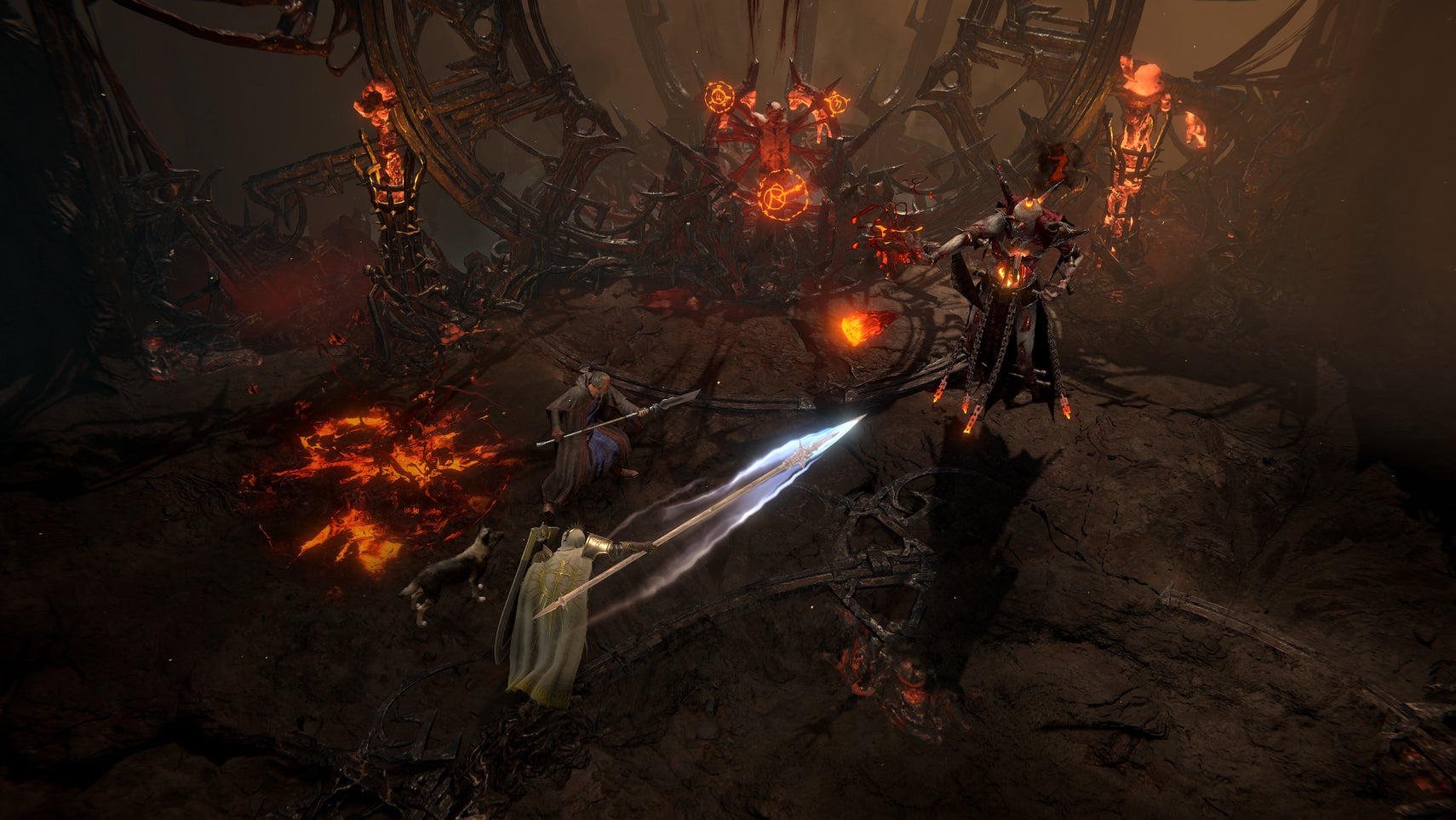
In a crucial step towards the expansion’s launch, Blizzard has already made the pre-load for "Lord of Hatred" available across all platforms. This pre-load includes the substantial Patch 3.0.0, which encompasses all the core expansion content, foundational updates, and necessary adjustments to the game’s engine and systems. This is a significant logistical move, allowing players to download the bulk of the new data in advance, thereby minimizing wait times on launch day.
Crucially, this pre-load is available to all Diablo 4 players, irrespective of whether they have purchased the "Lord of Hatred" expansion. This universal deployment ensures that all game clients are updated to the same version, preventing compatibility issues and laying the groundwork for a smooth transition once the expansion officially goes live. While non-expansion owners will have the data on their systems, they will not be able to access the new "Lord of Hatred" content until they purchase the expansion.
Key Dates and Anticipation
The "Season of Reckoning" and the "Lord of Hatred" expansion are both slated to launch concurrently "next week," marking a significant milestone in Diablo 4‘s post-release content roadmap. For players eager to dive into the new content, the pre-load for Patch 3.0.0 is now available, preparing their systems for the anticipated release on April 27/28. On the day of the official launch, players can expect a final, smaller patch, version 3.0.1, which will activate the new content and apply any last-minute adjustments. This staggered release of a large pre-load followed by a minor day-one patch is a standard practice in the industry, designed to optimize the launch experience for millions of players globally. The coordinated rollout underscores Blizzard’s commitment to a seamless transition into this new era for Diablo 4.
Supporting Data and Developer Intent
Blizzard’s Rationale
The decision to create a "less meaty" season for non-expansion players while tying substantial new content to "Lord of Hatred" is a calculated one, rooted in the economics and development cycles of live-service games. Developing a major expansion like "Lord of Hatred" requires significant investment in terms of time, resources, and creative talent. By integrating the most impactful seasonal mechanics and themes directly into the expansion, Blizzard aims to achieve several objectives:
- Enhance Value Proposition: It clearly defines the value of purchasing "Lord of Hatred," making it the gateway to the most exciting new gameplay experiences. This incentivizes sales of the expansion, which are crucial for funding future development.
- Streamlined Development: Focusing the core innovative mechanics on the expansion content allows for a more cohesive and impactful design. Rather than developing two entirely separate "major" content streams (one for the season, one for the expansion), resources can be concentrated on making the expansion as rich as possible.
- Narrative Cohesion: The "Season of Reckoning" can then serve as a narrative and mechanical bridge to the expansion, seamlessly integrating the new story and zones into the ongoing world of Sanctuary.
- Baseline Engagement: Providing a free, albeit leaner, seasonal experience ensures that non-expansion owners still have reasons to log in, keep their characters active, and potentially be swayed to purchase the expansion later.
This approach is not without precedent in the gaming industry, where expansions often become the primary drivers of significant content updates, with free seasons serving as more incremental additions or preparatory phases.
The Promise of Future Seasons
A key piece of reassurance from Blizzard for the Diablo 4 community is the promise that future seasons, following "Season of Reckoning," will revert to the "classic format." This means that subsequent seasonal releases are expected to once again feature their own distinct, innovative gameplay mechanics and thematic content, independent of major expansion purchases. This commitment is vital for maintaining the long-term health of the game’s free-to-play seasonal model.
The "classic format" refers to the model established in previous seasons, where unique powers, events, and progression systems were introduced that significantly altered the gameplay experience for all players, regardless of any premium purchases. By confirming a return to this model, Blizzard aims to alleviate concerns that future seasons might perpetually be diluted for non-expansion owners. This suggests that the "Season of Reckoning" approach is a temporary measure, specifically tailored to the launch of a major expansion, rather than a permanent shift in content strategy. It aims to balance the need for monetization through premium expansions with the desire to keep the broader player base engaged through regular, free content updates.
Official Responses and Community Reception (Anticipated)
Balancing Accessibility and Premium Content
Blizzard’s communication regarding the nature of "Season of Reckoning" reflects a careful balancing act between ensuring continued accessibility for all players and creating a compelling reason to purchase the "Lord of Hatred" expansion. The official stance emphasizes that the season will still offer progression, rewards, and objectives for everyone, but the truly transformative gameplay innovations will be found within the expansion itself. This transparency, while potentially disappointing for some, allows players to set their expectations accordingly.

The developer’s rationale likely centers on the idea that an expansion represents a significant investment of resources and a substantial addition to the game’s core experience, justifying a premium price tag. By tying the "meaty" seasonal content to the expansion, they reinforce its value. This is a common strategy in the ARPG genre, where expansions often introduce new classes, regions, and endgame systems that fundamentally alter the game, while free updates tend to focus on balance, quality-of-life improvements, and smaller seasonal themes.
Player Expectations and Engagement
The community’s reception to this news is likely to be mixed, reflecting the diverse expectations of Diablo 4‘s player base. On one hand, players who were already planning to purchase "Lord of Hatred" will likely welcome the deeper integration of seasonal mechanics with the expansion content, seeing it as a cohesive and enriched experience. For them, "Season of Reckoning" will feel like an integral part of their new adventure in the expansion.
On the other hand, free-to-play players, or those on the fence about purchasing the expansion, may express disappointment. Having grown accustomed to robust, innovative seasonal mechanics that are free for all, a "less meaty" season might feel like a step back. While the presence of the battle pass, Smoldering Ashes, and general objectives will still provide a reason to play, the absence of a truly unique seasonal power or theme could diminish long-term engagement for this segment of the audience. Some may view it as a direct pressure to buy the expansion, potentially leading to feelings of being left behind. However, Blizzard’s promise of a return to the "classic format" for future seasons offers a glimmer of hope, suggesting this particular seasonal structure is an exception rather than the new rule.
Implications for Diablo 4’s Ecosystem
A Strategic Move for Long-Term Engagement
The launch of "Lord of Hatred" and the concurrent "Season of Reckoning" represent a crucial strategic pivot for Diablo 4. It signifies a move towards a more traditional ARPG expansion model, where major content drops fundamentally reshape the game, while seasons serve to maintain ongoing engagement between these larger releases. This model is designed for long-term sustainability, providing distinct revenue streams (expansion sales, battle pass, cosmetics) that fund continuous development.
The success of this approach will hinge on two main factors: the quality and scope of "Lord of Hatred" itself, and Blizzard’s ability to deliver on its promise of returning to "classic format" seasons thereafter. If "Lord of Hatred" provides a truly compelling and expansive experience, it will justify the seasonal trade-off. If subsequent seasons can genuinely deliver innovative free content, it will reassure the broader player base that Diablo 4 remains a rewarding experience for all, not just those who purchase every premium offering.
The Narrative Evolution: Lord of Hatred’s Role
Beyond mechanics, "Lord of Hatred" promises a significant expansion of Diablo 4‘s narrative. The name itself, likely referring to Mephisto, one of the Prime Evils, suggests a deep dive into the darker corners of Sanctuary’s lore and an escalation of the ongoing conflict. Expansions in the Diablo series have historically been pivotal in advancing the overarching storyline, introducing new regions, characters, and climactic battles that shape the fate of the world. The review of "Lord of Hatred" published earlier in the week would have delved into its impact on the narrative and how it redefines core Diablo 4 gameplay, offering insights into the story’s direction and the introduction of new zones and challenges. This narrative progression is a core draw for many players, providing a fresh impetus to explore Sanctuary and confront new threats.
Gameplay Shifts and New Horizons
Major expansions in the ARPG genre are renowned for introducing fundamental shifts in gameplay. This typically includes new character classes, entirely new zones with unique environments and enemy types, expanded skill trees, and innovative endgame activities. "Lord of Hatred" is expected to deliver on these fronts, offering fresh avenues for character progression and customization. For expansion owners, this means a significantly broadened game world, new abilities to master, and perhaps entirely new ways to interact with Sanctuary’s myriad dangers. These gameplay enrichments are what truly differentiate the expansion experience from the base game and a "less meaty" season, providing the depth and longevity that dedicated Diablo fans crave.
Conclusion
The impending launch of Diablo 4‘s "Lord of Hatred" expansion alongside "Season of Reckoning" marks a critical juncture for the game. While all players will have access to the new season, those who forgo the expansion will find a more streamlined, less mechanically innovative experience. This strategic decision by Blizzard aims to solidify the value proposition of "Lord of Hatred" as a premium content offering, channeling the bulk of new thematic gameplay into the paid add-on.
As Sanctuary braces for the arrival of new evils and new challenges, players must decide which path they will take: embrace the full scope of "Lord of Hatred" and its integrated seasonal experience, or navigate a "Season of Reckoning" that provides progression and rewards, but reserves its deepest innovations for those who venture further into the heart of hatred. Blizzard’s promise of a return to the "classic format" for future seasons offers a crucial assurance for the game’s long-term health, but for now, the future of Diablo 4 stands divided, offering a distinct experience depending on a player’s investment. The coming weeks will reveal how this new chapter truly reshapes the battle for Sanctuary.


 Lina Irawan
 Sagoh
Sagoh