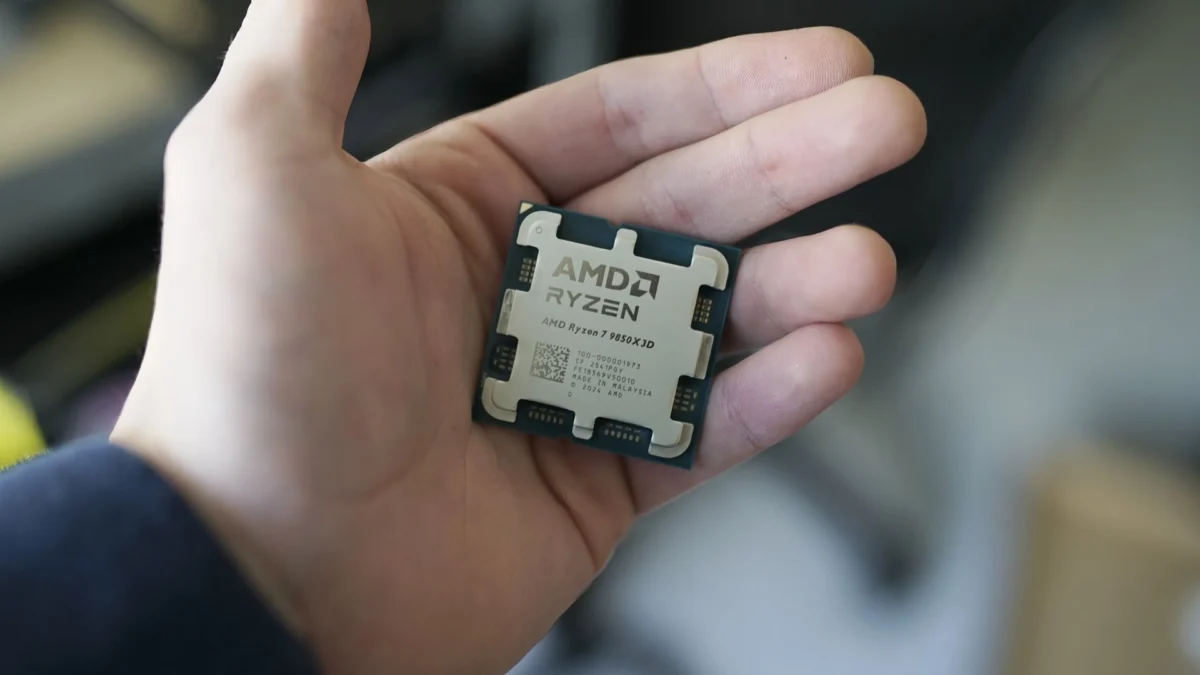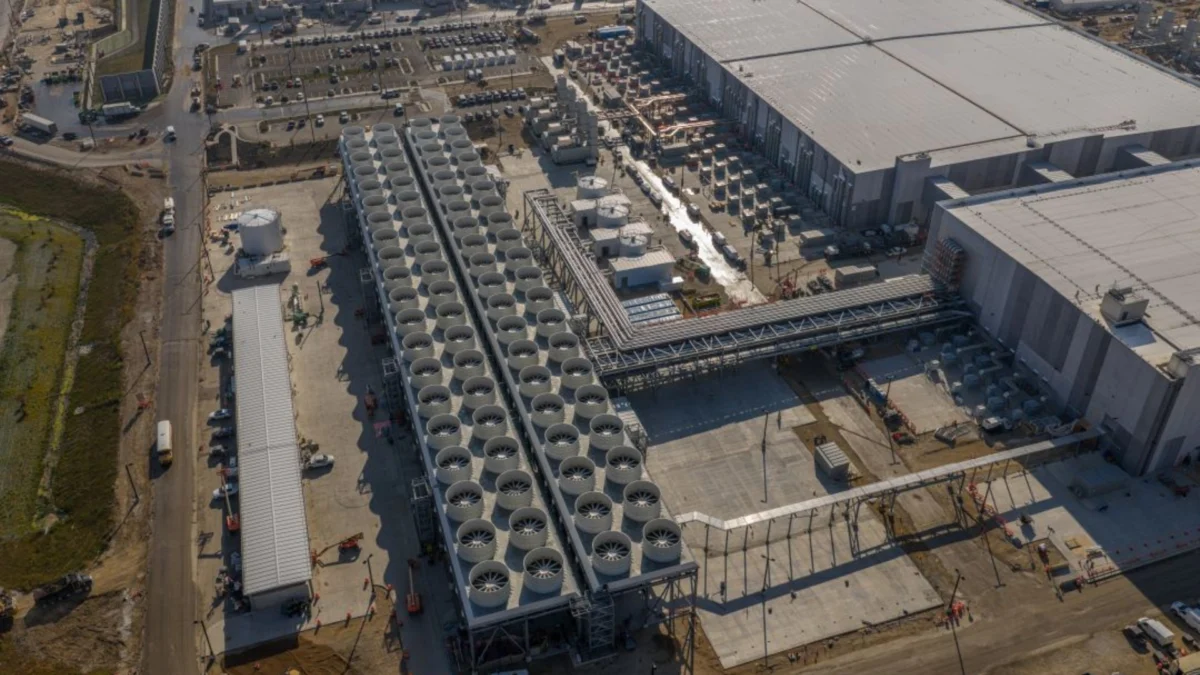
The geopolitical battle for artificial intelligence supremacy is moving from the factory floor to the cloud. As the United States government tightens its grip on the physical flow of semiconductors, a new front has opened in the trade war: remote access. The Trump administration is reportedly crafting a sophisticated new set of export controls aimed at preventing Chinese entities from bypassing hardware restrictions by utilizing foreign-based cloud computing clusters.
For years, the U.S. has maintained a stringent embargo on the shipment of advanced AI accelerators—such as Nvidia’s flagship GPUs—to China, citing national security concerns regarding the potential for these chips to power military-grade surveillance and autonomous weapon systems. However, as the hardware becomes harder to procure, reports suggest that Chinese AI developers have increasingly turned to "renting" compute power via remote servers located in jurisdictions like Thailand and Singapore. By doing so, they can access the same level of raw performance without ever physically importing the restricted hardware.
The proposed regulation, which could see its first public draft shared with industry trade groups as early as September, represents an ambitious attempt by the Department of Commerce to extend the reach of U.S. law into the digital infrastructure of third-party nations.
A History of Flux: The Regulatory Tug-of-War
The current climate of uncertainty surrounding AI export policy is the result of a multi-year, volatile transition between administrations. The landscape of U.S. trade policy has been in a state of near-constant motion since the early 2020s, characterized by the introduction, subsequent suspension, and occasional revocation of critical executive orders.
The Biden-Era Legacy
In the final months of the Biden administration, the government implemented the "AI Diffusion Rule." This policy was designed to force chip manufacturers and cloud providers to conduct more rigorous due diligence regarding their end-users. It was intended to create a comprehensive oversight net, ensuring that no matter where the hardware was located, its usage was tracked and authorized. However, the policy was met with immediate, fierce pushback from the domestic AI and semiconductor sectors, which argued that the compliance costs were prohibitive and the scope was overly broad.
The Trump Administration’s Reversal and Pivot
Upon taking office in early 2025, the Trump administration moved quickly to dismantle or pause many of the Biden-era regulations. The AI Diffusion Rule was overturned, and while the Department of Commerce maintained that it remained "on the books," it was effectively rendered toothless through a lack of active enforcement.
This vacuum of enforcement created a period of confusion for global tech giants. Companies like Nvidia, which rely on a delicate balance of export compliance and global sales, found themselves operating in a "gray zone." In March 2025, the Commerce Department attempted to stabilize the situation by proposing a tiered licensing structure for advanced chip exports. This approach, which would categorize exports based on the perceived sensitivity of the end-user, was also retracted within a week following intensive lobbying from the U.S. tech industry.
The result has been a "regulatory whiplash," where the rules of the game change so rapidly that global supply chains struggle to maintain compliance, and the rest of the world is left paying the price through market instability.
The Catalyst: The Case of Moonshot AI
The shift toward targeting remote access is not merely a theoretical exercise in trade policy; it is driven by specific, high-profile intelligence reports. A primary driver behind the new proposal is the rapid development of the Kimi K3 model by the Chinese firm Moonshot AI.
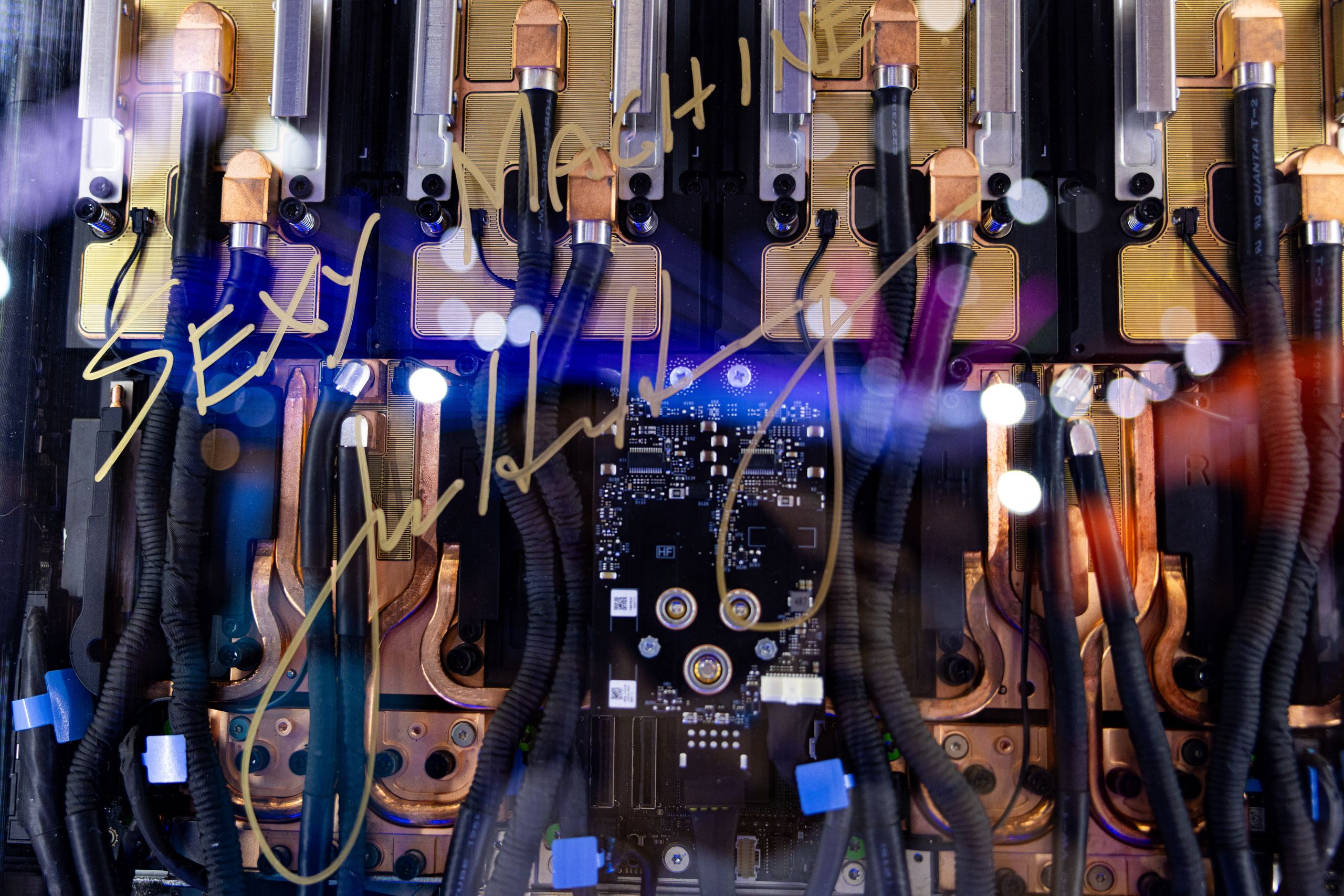
In July 2026, Michael Kratsios, the Director of the White House Office of Science and Technology Policy, took to social media to raise the alarm. According to Kratsios, there is credible evidence that Moonshot AI utilized "distilled" U.S. models—specifically leveraging the architecture of Anthropic’s Fable—to train their own K3 model. Crucially, the allegations claim this was achieved by tapping into a high-performance compute platform hosted on servers in Thailand, which were equipped with advanced, U.S.-made AI hardware.
This incident has served as a "smoking gun" for policymakers who argue that the physical export ban is failing to achieve its primary objective: preventing China from reaching state-of-the-art AI parity. If a company can simply "rent" an American-built brain via a high-speed fiber connection, the physical blockade of hardware becomes merely an inconvenience rather than a barrier.
Implications for the Semiconductor Industry
If the Commerce Department successfully implements these new remote-access regulations, the ripple effects will be felt throughout the entire global technology ecosystem.
The Legal Hurdle
The most significant obstacle to this policy is jurisdictional. Attorneys specializing in international trade, such as those at Baker McKenzie, have pointed out that the Department of Commerce has traditionally been limited to regulating the movement of tangible goods across borders. Expanding this mandate to regulate "data flows" or "remote compute access" moves the Department into uncharted legal territory.
"It is widely acknowledged that the Commerce Department cannot simply issue a regulation on remote access without facing significant constitutional and international legal challenges," one trade expert noted. The industry is bracing for a wave of lawsuits that could stall the rule even if it is formally signed into law.
Know-Your-Customer (KYC) Protocols
To bypass the legal difficulties of regulating "the cloud," the government is expected to lean heavily on an expansion of "Know-Your-Customer" (KYC) mandates. By requiring cloud service providers (CSPs) to verify the identities of all users accessing high-end clusters, the U.S. effectively turns these companies into border agents of the digital world. While this avoids the direct regulation of data, it places an immense administrative burden on cloud providers, who may be forced to monitor their clients’ workloads to ensure they are not "distilling" prohibited AI models.
Global Enforcement and Smuggling
While the U.S. debates its future policy, other nations are taking a more direct, physical approach to the issue of illicit hardware. Taiwan, which serves as the global hub for the semiconductor industry, has recently intensified its crackdown on smuggling operations.
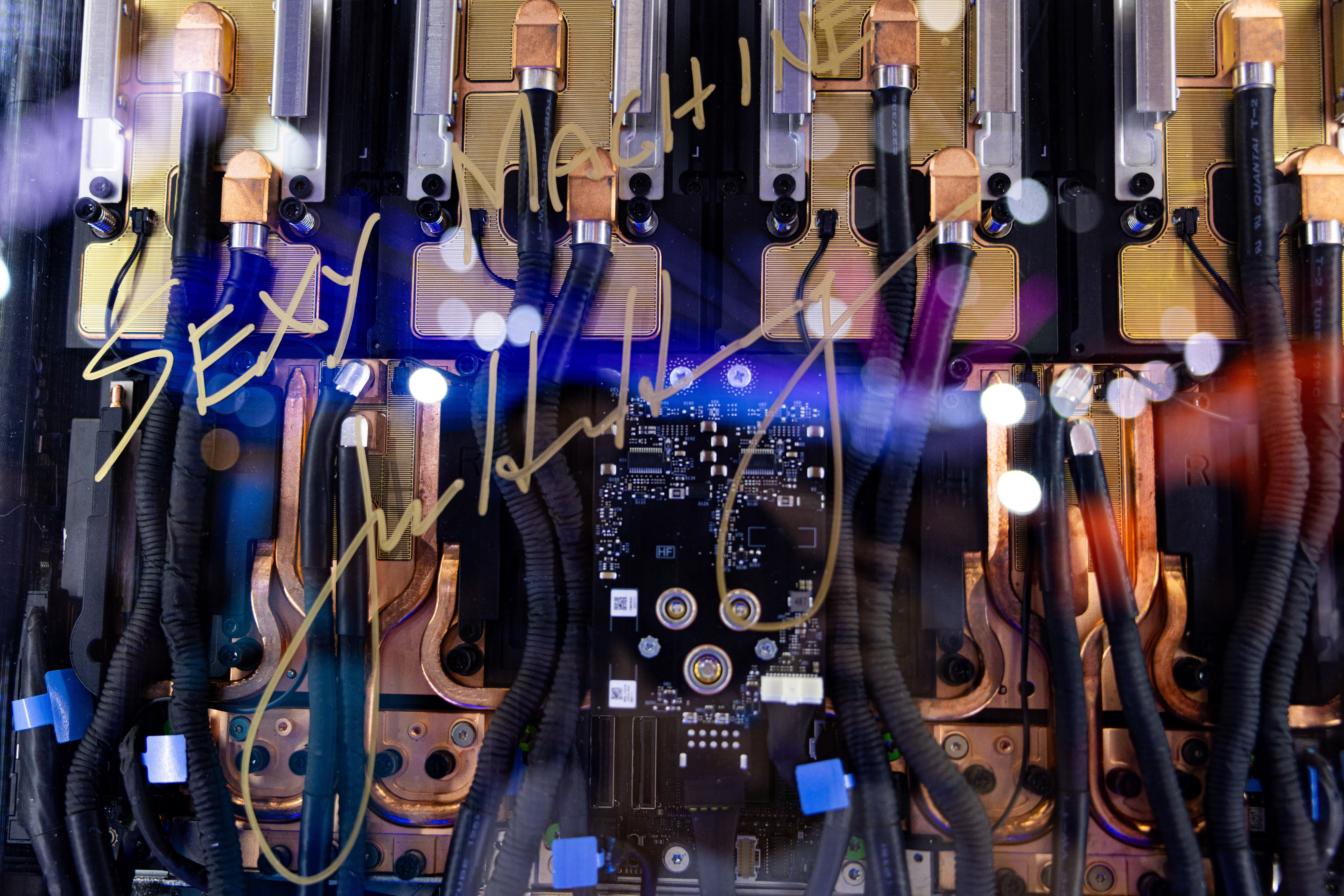
In July 2026, a high-profile investigation led to the detention of an Nvidia employee in Taipei, following accusations of document falsification used to bypass export controls. The situation escalated further when the Taiwanese government indicted nine individuals involved in a scheme to move Supermicro servers to the Chinese mainland.
The details of these indictments have provided a roadmap for regulators, revealing a "five-point strategy" used by smugglers to avoid customs. This includes the use of shell companies, falsified end-user certificates, and the routing of goods through neutral transit hubs. These cases serve as a sobering reminder that as long as there is a profit motive for high-end AI compute, smugglers will continue to find creative ways to circumvent the law.
Conclusion: A New Era of Digital Sovereignty
The proposed U.S. export rule is more than just a trade policy; it is a declaration of digital sovereignty. By attempting to restrict access to remote compute, the U.S. government is acknowledging that in the 21st century, hardware is only half the battle.
As we look toward the remainder of 2026, the tech industry remains in a state of high alert. Companies are waiting to see if the Department of Commerce can navigate the complex legal landscape required to implement these rules without crippling the global competitiveness of American cloud providers.
The outcome will define the next decade of the AI arms race. Will the world continue to benefit from an open, globalized computing infrastructure, or are we witnessing the beginning of a "splinternet," where compute power is as restricted and nationalized as any other strategic resource?
For now, the message from Washington is clear: the U.S. is prepared to extend its trade wall into the cloud, regardless of the legal or economic friction it creates. The era of frictionless global AI development is effectively coming to an end, replaced by a complex, regulated environment where every byte of compute is subject to the scrutiny of national security interests. As industry trade groups prepare their feedback for the September consultations, the stakes could not be higher for the future of global technology.