

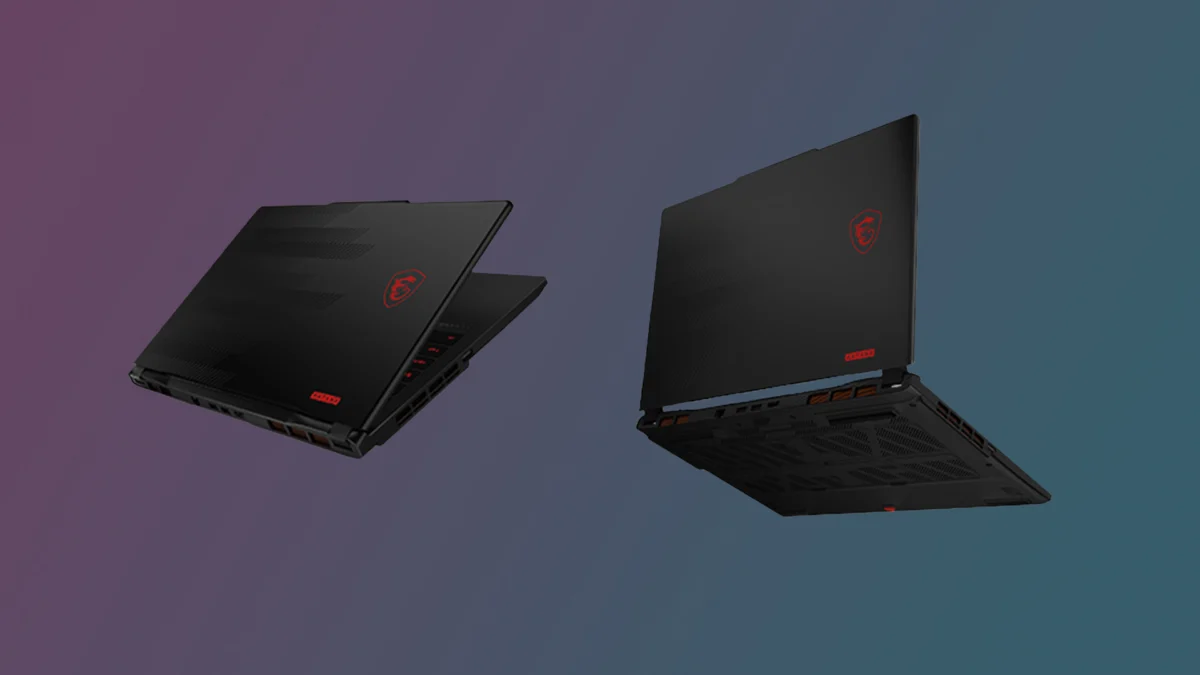
In an era where the global electronics market is reeling from a persistent DRAM supply crisis, the cost of high-performance computing has reached an inflection point. As manufacturers grapple with the surging prices of memory and SSD components, the "entry-level" gaming laptop segment has seen a significant contraction, pushing affordable, high-fidelity machines further out of reach for the average consumer. In a strategic maneuver to combat these inflationary pressures, MSI has unveiled its latest answer to the market’s volatility: the Katana 15 HX C14. By offering a dual-path approach to memory compatibility—supporting both legacy DDR4 and cutting-edge DDR5—MSI is attempting to bridge the gap between budget-conscious necessity and future-proof performance.
Main Facts: A Hybrid Approach to Performance
The MSI Katana 15 HX C14 arrives as a direct response to the "affordability gap." At its core, the laptop is built around Intel’s 14th-generation Raptor Lake Refresh architecture, providing a robust processing foundation that can scale up to the formidable 24-core Intel Core i9-14900HX.
However, the most notable innovation lies in its flexible memory architecture. MSI has engineered the motherboard to support dual SO-DIMM slots that are configurable for either DDR4-3200 or DDR5 modules. This design choice is a calculated hedge against the volatile DRAM market. With DDR5-6000 kits currently commanding a significant price premium over their DDR4-3200 counterparts, this bifurcation allows MSI to keep the base price of the Katana 15 HX competitive while still offering a pathway to high-speed memory for those willing to pay the premium.
Beyond the processor and memory, the machine is anchored by the latest in graphical processing technology: the Nvidia RTX 5070 laptop GPU. This inclusion brings substantial upgrades to the table, including support for next-generation GDDR7 video memory, advanced AI-driven features, DLSS 4.5, and sophisticated real-time ray tracing capabilities.
A Chronology of the Component Crisis
To understand why MSI’s move is so significant, one must look at the recent history of the semiconductor industry.
- Early 2023: The global tech industry began to feel the pinch as DRAM manufacturers restricted supply in an attempt to stabilize plummeting prices from the post-pandemic slump.
- Late 2023 – Early 2024: Prices for both NAND flash (SSDs) and DRAM modules began to climb steadily. This created a "hidden tax" on every laptop sold, forcing manufacturers to either sacrifice margins or raise MSRPs.
- Mid-2024: The market saw a bifurcation. High-end machines moved exclusively to DDR5 to satisfy performance demands, while entry-level machines were forced to compromise on storage speeds or build quality to stay under a $1,200 price point.
- Present Day: MSI’s introduction of the Katana 15 HX C14 marks a turning point where manufacturers are openly acknowledging the consumer’s need for "optionality." By providing a chassis that doesn’t force the consumer into the high cost of DDR5 until the market stabilizes, MSI is effectively placing the power of choice back into the hands of the end-user.
Supporting Data and Technical Specifications
The technical prowess of the Katana 15 HX C14 is designed to cater to both the power user and the competitive gamer. Below is a breakdown of the critical performance metrics:
Cooling and Power Management
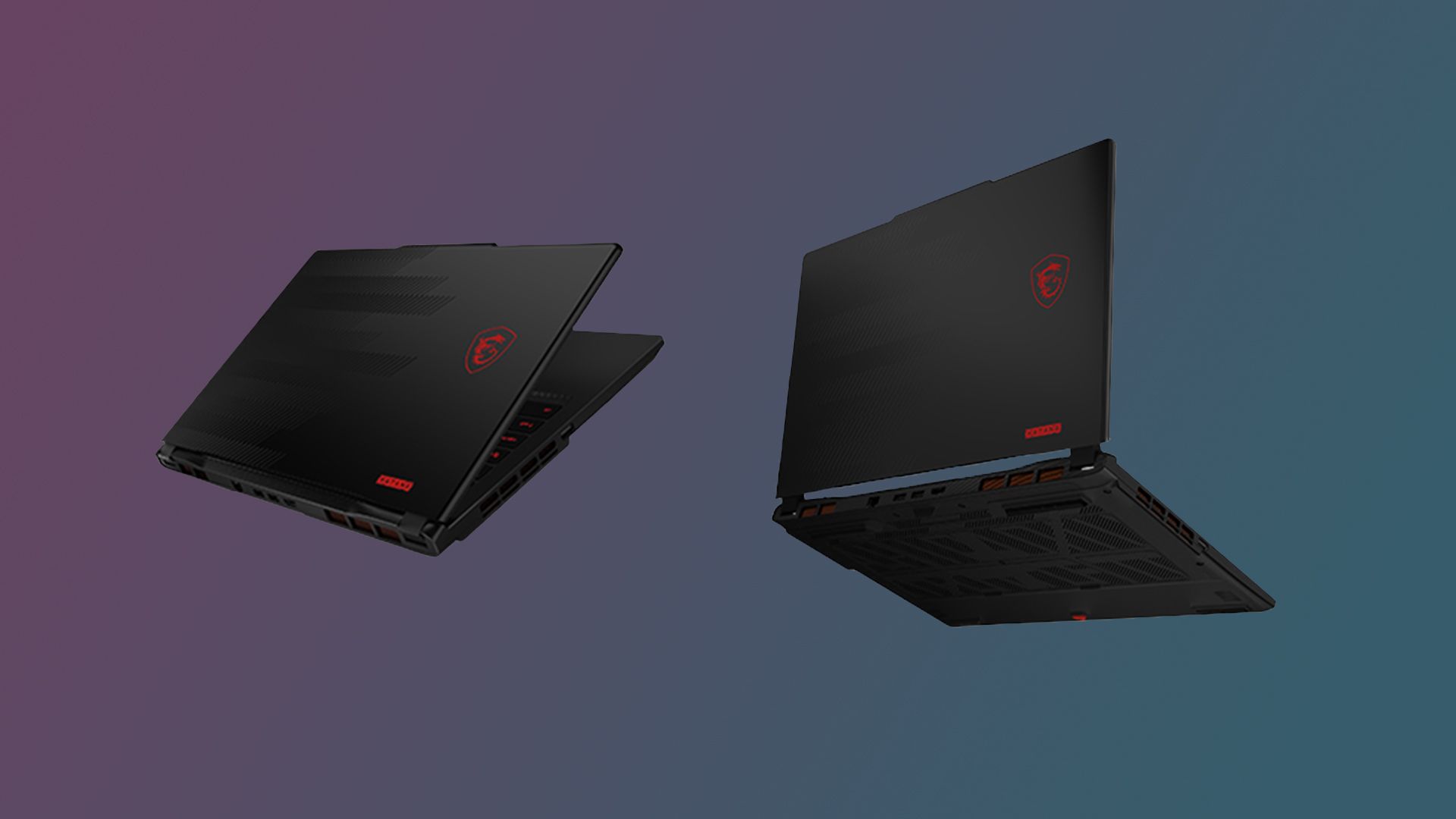
MSI has tuned the laptop to handle a "Total Graphics Power" (TGP) and CPU wattage combination of up to 170W. To dissipate the heat generated by such high-output components, the company has employed a cooling suite consisting of dual fans, three dedicated heat pipes, and four distinct exhaust outlets. This thermal management system is critical for maintaining the clock speeds of the Core i9-14900HX during long, sustained gaming sessions or heavy workstation loads.
Expansion and Connectivity
The laptop features two PCIe Gen 4×4 M.2 slots. This is a crucial inclusion, as it allows users to keep their primary OS drive separate from their secondary gaming library, a common preference among enthusiasts.
- Networking: The machine utilizes Wi-Fi 6E and Bluetooth 5.4, ensuring that users have the lowest possible latency for online competitive play.
- Display: The panel options are optimized for the mid-range sweet spot. Users can choose between a 15.6-inch QHD (2560×1440) display at 165Hz or an FHD (1920×1080) display at 144Hz.
- Portability: Despite the heavy-duty internals, the chassis maintains a thickness of 22.9mm and a weight of 4.62 pounds. It balances the need for a robust thermal footprint with the mobility required for a modern laptop.
Official Responses and Strategic Positioning
MSI has positioned the Katana 15 HX C14 as a "no-compromise" gaming solution that acknowledges the reality of the hardware market. While company representatives have not provided specific regional pricing, the marketing narrative is clear: the Katana series remains the brand’s flagship value-proposition.
In internal discussions regarding the product launch, the emphasis has been on "longevity." By allowing users to potentially upgrade from DDR4 to DDR5 in the future (depending on the motherboard revision and BIOS support), or simply by keeping the entry price lower through DDR4 usage, MSI is attempting to secure brand loyalty among gamers who feel alienated by the rapidly increasing costs of high-end hardware.
"Our goal with the C14 series is to ensure that the performance of the 14th-gen Raptor Lake architecture and the power of the RTX 50-series GPUs remain accessible," a spokesperson noted in a briefing. "We aren’t just selling a laptop; we are selling a platform that respects the user’s budget without bottlenecking their gaming experience."
Implications for the Industry
The release of the Katana 15 HX C14 has several far-reaching implications for the gaming laptop market:
1. The Death of the "One-Size-Fits-All" Motherboard
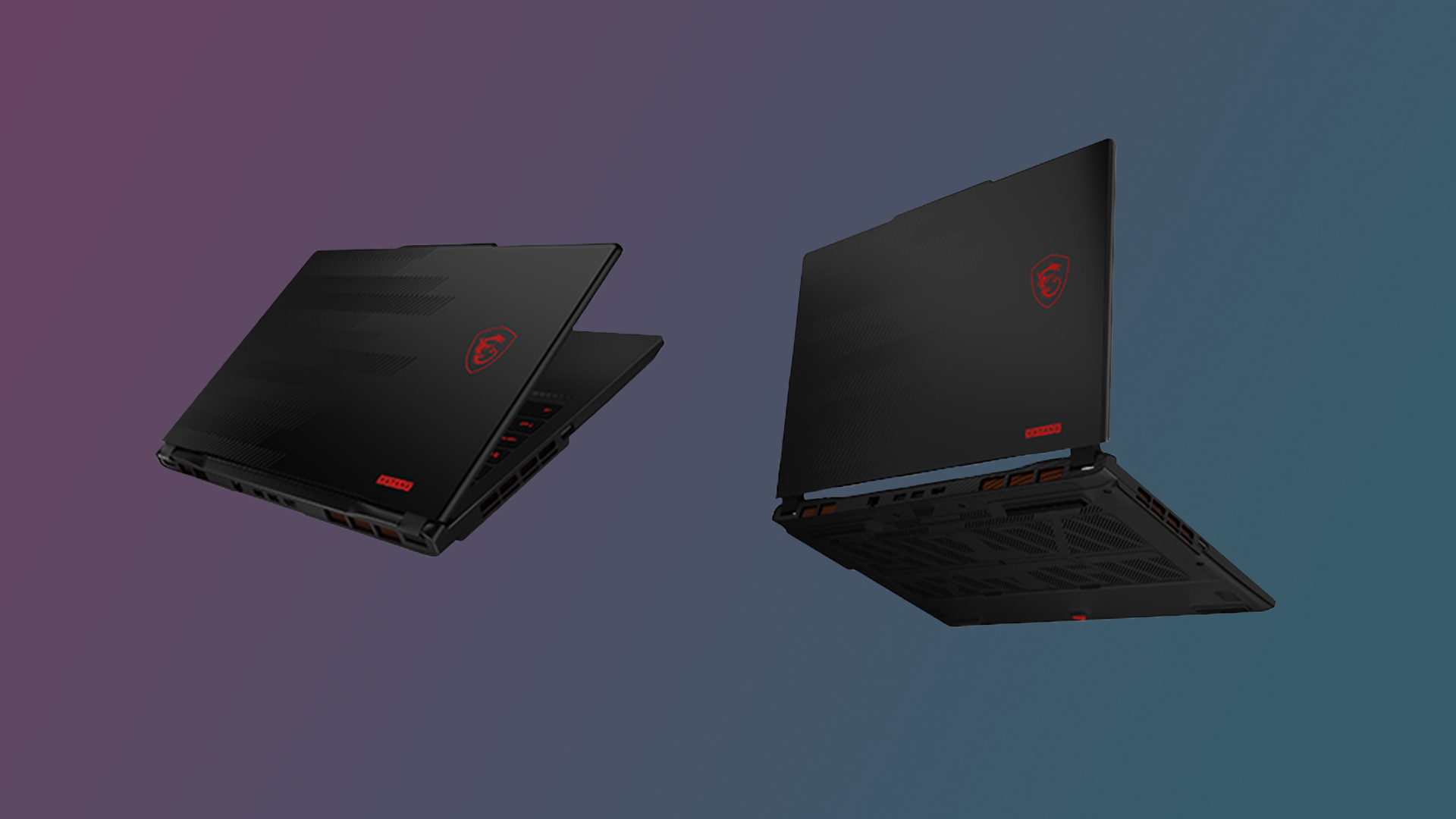
For years, the industry has trended toward soldering RAM directly to the motherboard to save space and reduce costs. MSI’s decision to maintain dual SO-DIMM slots in a 15-inch chassis is a win for "Right to Repair" advocates and upgraders. It signals that there is still a significant segment of the market that values modularity over absolute thinness.
2. Market Stabilization through Hybridization
If other manufacturers follow MSI’s lead, we may see a stabilization in the "mid-range" gaming sector. By allowing DDR4 to persist, MSI is effectively subsidizing the performance of the machine. As the price of DDR5 continues to fall—which analysts predict will happen as production capacities increase throughout 2025—this hybrid strategy will look increasingly prescient.
3. A Shift in Consumer Expectations
Gamers are becoming more tech-literate. The average buyer now understands the difference between DDR4 and DDR5, and the impact that latency and bandwidth have on 1% low frame rates. MSI is betting that by offering the user a choice, they can avoid the negative sentiment that often accompanies forced upgrades to expensive, newer standards that may not yet be essential for the user’s specific gaming needs.
Conclusion: Is the Katana 15 HX C14 the Future?
The MSI Katana 15 HX C14 is not merely a hardware refresh; it is a tactical response to a challenging economic environment. By marrying the latest in CPU and GPU technology with a flexible memory strategy, MSI has created a machine that is as much a financial instrument as it is a gaming device.
For the prospective buyer, the machine offers a tantalizing prospect: the ability to own a top-tier gaming notebook that doesn’t require a total overhaul of one’s bank account to secure the base model. Whether the market follows MSI’s lead remains to be seen, but for now, the Katana 15 HX C14 stands as a beacon of pragmatism in a sector that has, for too long, ignored the growing divide between component cost and consumer purchasing power. As the laptop rolls out to global markets, its performance in the wild will be the ultimate litmus test for whether the industry can successfully navigate the ongoing DRAM crisis without leaving its core audience behind.











