The modern artificial intelligence boom is not just a story of software breakthroughs and silicon prowess; it is increasingly a narrative about the fundamental physics of electricity. As tech giants scramble to scale their data centers to accommodate the insatiable energy demands of next-generation GPU clusters, they are hitting a rigid, physical ceiling: the national power grid.
In a move that underscores the severity of the energy crisis facing the tech industry, Elon Musk recently announced on X (formerly Twitter) that SpaceX intends to bring the casting of turbine blades and vanes in-house. This strategic pivot is a direct response to the massive supply chain bottlenecks currently strangling the deployment of portable gas-powered generators—a technology that has become the de facto lifeline for AI companies unable to wait for local utility upgrades.
The Bottleneck: Electricity as the New Scarcity
For the better part of a decade, the primary concern for hyperscalers like Microsoft, Google, and Amazon was rack density and chip availability. Today, the conversation has shifted entirely to power capacity. As Microsoft CEO Satya Nadella recently admitted, the company has warehouses filled with state-of-the-art AI GPUs that simply cannot be plugged in because the local grid lacks the necessary headroom to support them.
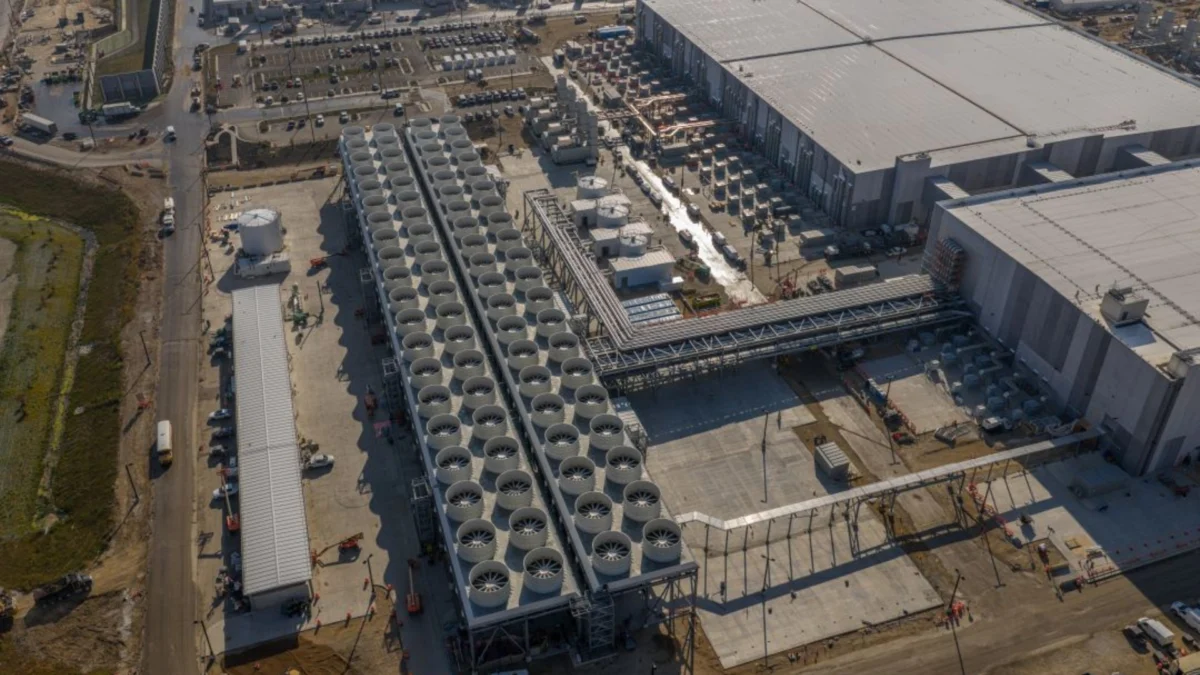
The U.S. power grid, designed for a different era of industrial load, is struggling to modernize fast enough to keep pace with the hyper-growth of data centers. Wait times for a grid connection can now stretch into the better part of a decade. Consequently, companies like xAI, OpenAI, and Meta have turned to "off-grid" solutions, relying on massive, trailer-mounted natural gas turbine generators to bypass utility delays and bring data centers online in weeks rather than years.
Chronology: From Colossus to Custom Casting
The trend of deploying mobile, high-output gas turbines to sidestep grid constraints was pioneered in earnest by Elon Musk during the construction of the "Colossus" data center in Memphis, Tennessee. By utilizing a fleet of mobile generators, Musk managed to bring a massive cluster of 100,000 Nvidia H200 GPUs online in a staggering 19 days—a process that typically takes years when relying on traditional utility infrastructure.
- Mid-2024: The "Colossus" project demonstrates the efficacy of portable power, proving that massive AI training clusters can be deployed without waiting for grid upgrades.
- Late 2024: OpenAI announces plans to follow the "Musk model," integrating gas turbines into its upcoming "Stargate" data center project to ensure energy availability.
- Early 2025: Demand for gas turbines skyrockets, creating a massive shortage in the power generation market.
- August 2026: Elon Musk confirms via X that SpaceX will move into the manufacturing of turbine blades and vanes to alleviate the supply chain bottleneck, citing an expected industry wait time extending into 2030.
The Precision Engineering Crisis: Why Turbine Blades Matter
To understand why SpaceX—a company primarily known for orbital rockets—is entering the turbine blade business, one must understand the extreme engineering requirements of these components.
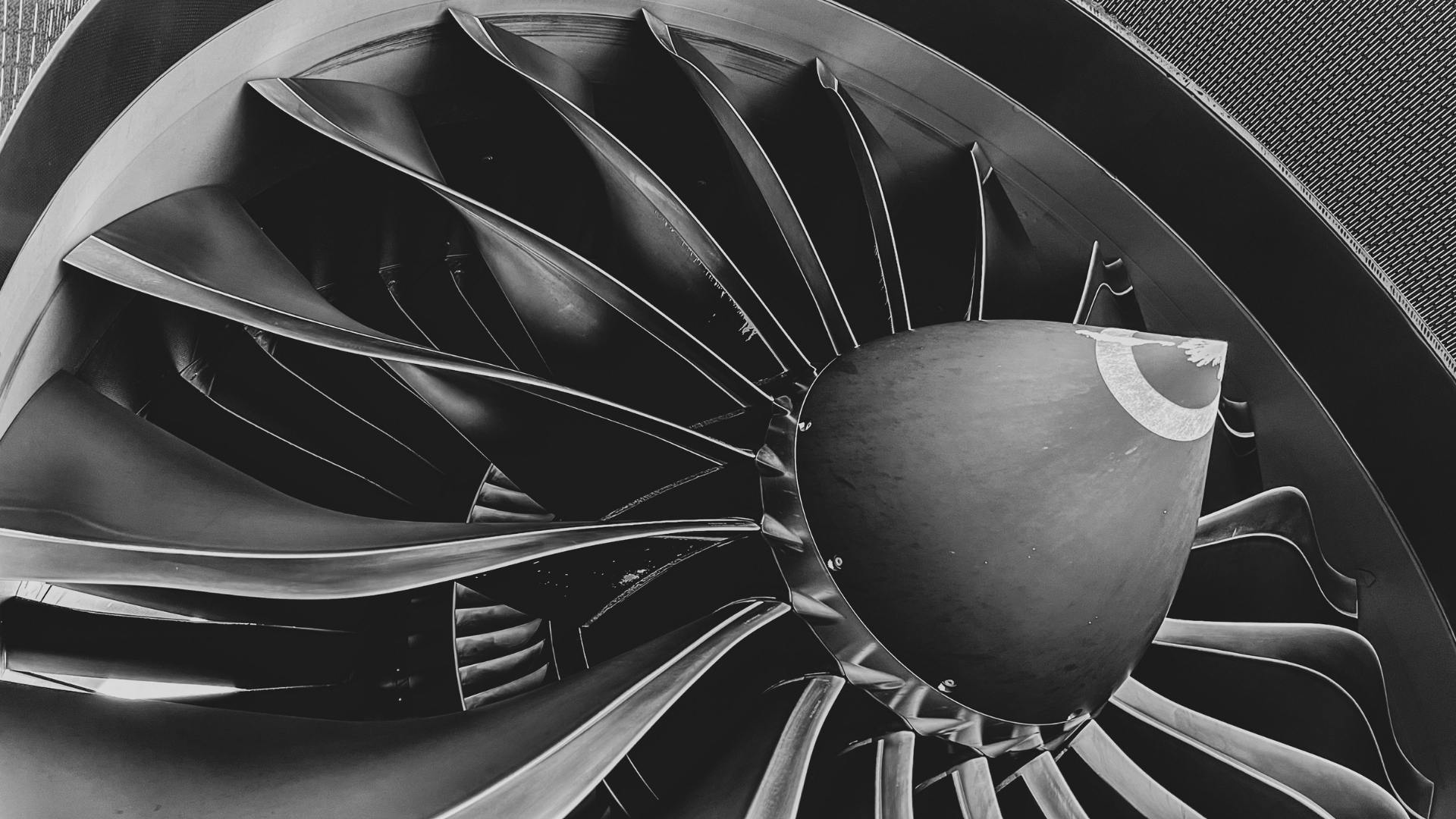
Gas turbines operate at the very limits of materials science. The blades in the core of these engines must withstand temperatures that would melt conventional steel, all while rotating at thousands of revolutions per minute under immense centrifugal force. A single batch of high-performance turbine blades can take between 60 to 90 weeks to manufacture from start to finish.
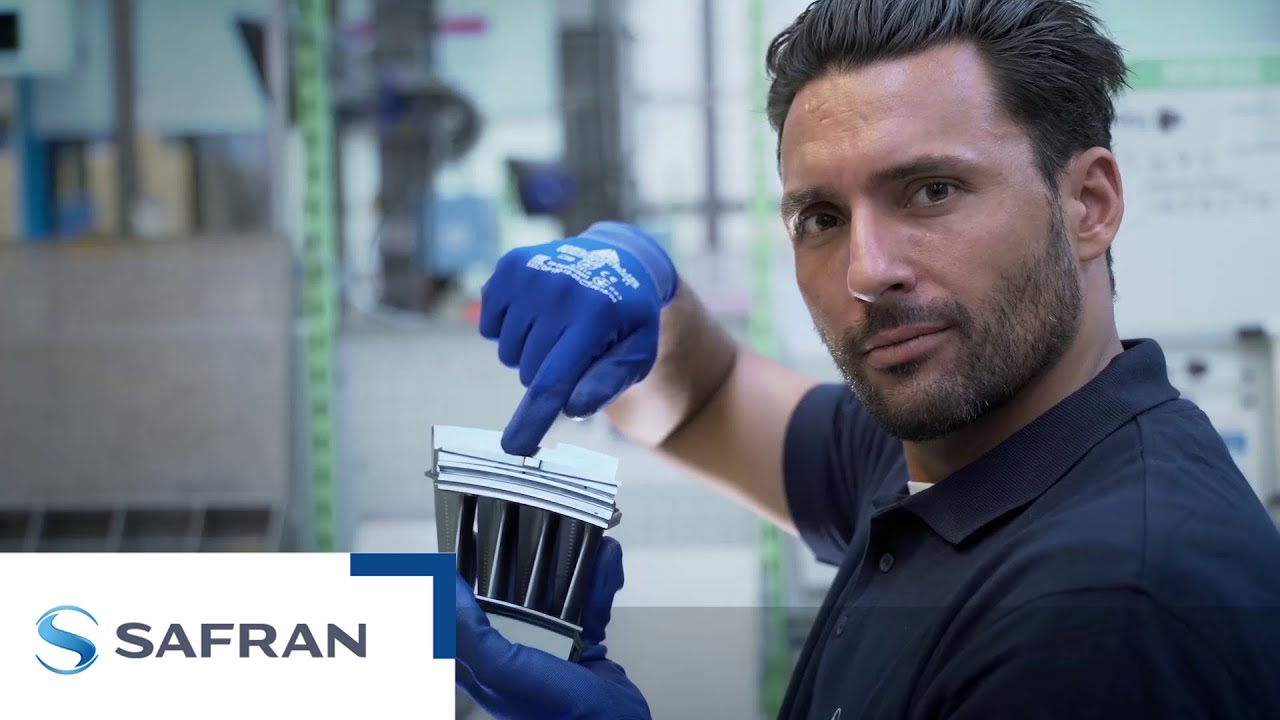
The manufacturing process involves complex investment casting, specialized superalloys, and rigorous quality control. Even when these turbines are used for stationary power generation rather than aviation, the standards remain uncompromisingly high. Because the demand for these engines has surged across both the aviation sector—which was already struggling with post-pandemic supply chain issues—and the data center sector, manufacturers are unable to keep up.
Supporting Data: The Scale of the Energy Appetite
The scale of the energy requirement for modern AI is difficult to overstate. A single large-scale AI training cluster can require hundreds of megawatts of power—enough to supply a small city. When companies like xAI purchase entire fleets of trailer-mounted turbines (a move for which Musk reportedly spent roughly $1 billion), they are effectively creating a private, localized power plant.
Musk’s assertion that SpaceX and Tesla are aggressively pursuing 100GW/year of solar production capacity is a testament to the long-term vision of a renewable-heavy energy mix. However, the data confirms his reality check: for the foreseeable future, solar is intermittent. Natural gas remains the only viable "bootstrap" energy source capable of providing the constant, high-density baseload power required to keep an AI supercomputer running 24/7 without interruption.
The Strategic Implication: Vertical Integration as a Survival Strategy
Elon Musk’s decision to bring turbine component manufacturing in-house is the latest chapter in his long-standing philosophy of radical vertical integration. Just as Tesla manufactures its own battery cells and SpaceX builds its own rocket engines to avoid third-party delays, Musk is applying the same logic to the power sector.
1. Disrupting the Supply Chain
By producing turbine blades, Musk effectively cuts out the "middlemen" in the supply chain. If he can shave 18 months off the delivery time for a new turbine generator, he gains a massive competitive advantage in the AI race. For xAI, which is locked in a fierce battle for model supremacy, an 18-month lead in compute availability is the difference between leading the market and playing catch-up.
2. The "Impossible" Problem
Critics often point to the difficulty of manufacturing turbine blades as a reason for skepticism. However, Musk’s record with liquid-fueled rocket engines—which are significantly more complex and volatile than stationary gas turbines—suggests that his engineering teams are well-equipped to handle the metallurgy and precision casting required. If SpaceX can master the thermal management and material stress of a Raptor engine, a stationary turbine blade is, by comparison, a manageable engineering hurdle.
3. A Precedent for the Tech Sector
The entry of a tech-heavy firm into heavy industrial manufacturing sets a concerning, yet fascinating, precedent. It suggests that the largest tech companies may soon evolve into energy conglomerates. As AI models continue to grow, the ability to control one’s own power source will become just as critical as the ability to design one’s own custom silicon.
Future Outlook: A New Industrial Era
The scramble for gas turbines is symptomatic of a broader shift in the global economy: the "Energy-Compute" nexus. For years, silicon chips were the primary unit of value in tech. Now, that value is being inextricably linked to the kilowatt-hour.
As we look toward 2030, the companies that thrive will be those that have secured their energy independence. Whether through the development of small modular reactors (SMRs), massive solar arrays, or, as in Musk’s case, the self-manufacture of turbine components, the race to power the AI revolution is moving from the software realm back into the heart of heavy industry.
Musk’s pivot into turbine production serves as a clear warning to the rest of the industry: the grid will not save you. If you want to build the future of AI, you must first be prepared to build the infrastructure that powers it—right down to the very blades that turn the turbines. As the backlog for industrial equipment continues to grow, we should expect to see more tech companies making similar, high-stakes moves into the energy sector, forever blurring the lines between the data center and the power plant.