

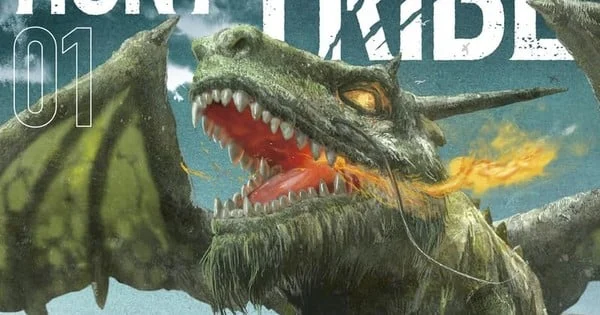
May 17, 2026, 5:00 PM EDT – In a significant announcement for fans of fantasy manga, acclaimed artist Shiro Kuroi has confirmed the conclusion of their popular series, Dragon Hunt Tribe. The final volume of the manga shipped in France on Wednesday, marking the end of a compelling narrative that captivated readers with its unique blend of dragon lore and human adventure. The news, disseminated via Kuroi’s official X (formerly Twitter) account on Thursday, brings a close to a saga that began its publication journey in July 2024 under the French publisher Ki-oon.
Dragon Hunt Tribe plunges readers into a world where a formidable tribe of dragon hunters stumbles upon a remarkable discovery: a human girl named Nato, who has been raised entirely by dragons. This intriguing premise set the stage for a story rich in fantasy elements, exploring themes of belonging, identity, and the complex relationship between humanity and the mythical creatures that inhabit their world. The series’ conclusion with its fifth volume signifies a complete arc, offering a sense of closure to the characters and their epic journey.
A Timeline of Publication and Creative Evolution
The announcement of Dragon Hunt Tribe‘s conclusion follows a deliberate and strategic publication path across different markets. The manga’s journey began with its French debut in July 2024, a testament to the strong reception of Kuroi’s work in the European market. This initial release was orchestrated by Ki-oon, a French publisher known for its commitment to bringing diverse and engaging manga titles to a wider audience.
Prior to its French debut, Dragon Hunt Tribe, originally titled Ryōkari no Nato (Dragon Hunter Nato), made its mark in Japan. The series was serialized in Kodansha’s esteemed Monthly Shonen Magazine. Its Japanese debut, which commenced in October of the previous year (referencing the article’s mention of "last October" in relation to a 2025 September 5th news item, implying the manga started serialization around September 2025 in Japan, but the French publication date is stated as July 2024), showcased Kuroi’s ability to resonate with the core manga readership in its country of origin. This dual publication strategy highlights the growing global appeal of manga and the cross-cultural success Kuroi has achieved.
This recent conclusion also frames Kuroi’s broader creative output. The artist is also recognized for their earlier work, the Leviathan manga. Leviathan initially premiered in France in January 2022, published by Ki-oon, and subsequently launched in Japan on Shueisha’s digital platform Shonen Jump+ in August 2022. The Japanese serialization of Leviathan concluded in February 2023, with its third compiled volume released in May 2023. The international reach of Leviathan was further amplified when Abrams ComicArts’ manga-focused imprint, Kana, licensed the series for the U.S. market. The licensing was announced in October 2024, indicating a steady stream of engagement with Kuroi’s creations across multiple territories.
The successful publication and subsequent conclusion of Dragon Hunt Tribe, alongside the ongoing international presence of Leviathan, underscore Shiro Kuroi’s established position as a prominent voice in the contemporary manga landscape.
Narrative Threads and Thematic Resonance
At its heart, Dragon Hunt Tribe is a story about discovery and adaptation. The central premise revolves around the unexpected encounter between a tribe whose very existence is defined by their mastery over dragons, and Nato, a human girl who has been immersed in the draconic world from birth. This juxtaposition immediately establishes a rich ground for exploring themes of nature versus nurture, the boundaries of civilization, and the potential for interspecies understanding.
The dragon hunters, likely depicted as a hardy and perhaps stoic group, represent a traditional human engagement with the mythical. Their expertise in hunting dragons suggests a dynamic of conflict or at least a well-established relationship built on survival and respect. The introduction of Nato, however, disrupts this established order. Raised by dragons, she is likely to possess unique insights, abilities, and a perspective that transcends typical human understanding. Her presence challenges the hunters’ worldview and potentially their very purpose.
The narrative likely delves into Nato’s integration (or lack thereof) into human society, her bond with her dragon family, and the adventures that arise from her unique circumstances. Questions of identity are paramount: is Nato a human who acts like a dragon, or a dragon in human form? How does her upbringing shape her moral compass and her understanding of right and wrong? The interactions between Nato and the dragon hunters would provide fertile ground for character development, exploring prejudice, acceptance, and the formation of new bonds.
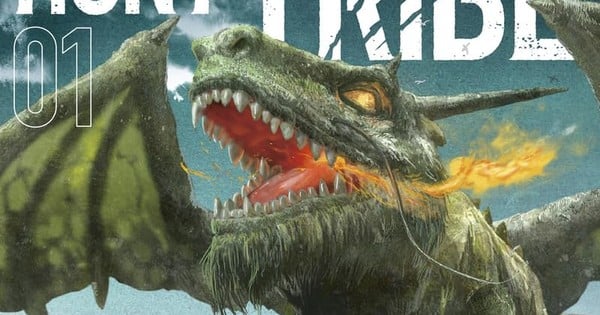
Furthermore, the world-building inherent in a "Dragon Hunt Tribe" suggests a setting steeped in fantasy. Readers would expect to encounter varied dragon species, perhaps with their own societies and motivations, and a landscape shaped by their presence. The "hunting" aspect could imply not just combat but also a deep understanding of dragon ecology and behavior, perhaps even a form of symbiosis or respectful coexistence that goes beyond simple predation. The series’ conclusion implies that these complex relationships and character arcs have reached a satisfying resolution, leaving readers with a lasting impression of Nato’s journey and the world she inhabits.
Industry Reception and Publisher’s Perspective
The serialization and subsequent publication of Dragon Hunt Tribe by Ki-oon and its presence in Monthly Shonen Magazine reflect the industry’s recognition of Shiro Kuroi’s talent. Ki-oon, as a French publisher, has a track record of identifying and promoting manga that offer fresh perspectives and compelling narratives. Their decision to bring Dragon Hunt Tribe to the French market, and to do so with a timely release schedule that culminated in the fifth volume’s shipping, speaks to a strategic investment in the series.
The original serialization in Monthly Shonen Magazine, a flagship publication from Kodansha, indicates that the series met the high standards set by one of Japan’s major manga publishers. This dual endorsement from both French and Japanese publishers validates the manga’s quality and its broad appeal.
While specific quotes from Ki-oon or Kodansha regarding the conclusion of Dragon Hunt Tribe are not provided in the initial report, the act of publishing and distributing the series through its final volume implies a positive partnership. Publishers typically invest in series that demonstrate strong sales potential and critical acclaim. The smooth progression from serialization to compiled volumes, and finally to the completion of the series, suggests a collaborative effort focused on delivering a complete and satisfying experience for readers.
The continued success of Kuroi’s previous work, Leviathan, which has been licensed internationally and published by Abrams ComicArts’ Kana imprint, further solidifies the artist’s standing. This demonstrates a consistent ability to produce engaging content that garners interest from multiple territories and publishing houses. The industry’s continued support for Shiro Kuroi’s projects points to a promising future for the artist, with fans eagerly anticipating what they will create next.
Broader Implications for the Manga Landscape
The conclusion of Dragon Hunt Tribe is more than just the end of a single series; it is a marker of the dynamic and evolving nature of the global manga industry. The success of this series, particularly its strong showing in the French market, highlights the increasing importance of international audiences in shaping the trajectory of manga. French publishers like Ki-oon play a crucial role in this ecosystem, not only by licensing Japanese works but also by fostering a vibrant manga culture that supports both established and emerging artists.
Shiro Kuroi’s career trajectory, marked by successful series in both France and Japan, exemplifies the potential for cross-cultural artistic achievement. The fact that Dragon Hunt Tribe was published in France before its full scope was perhaps realized in some other markets underscores the fluidity of global media distribution. This also suggests a growing trend where manga creators can build significant careers and fan bases beyond their home country’s borders from the outset.
Furthermore, the thematic richness of Dragon Hunt Tribe, with its exploration of interspecies relationships and unique upbringing, aligns with a broader trend in manga towards diverse and thought-provoking narratives. As audiences become more sophisticated and globalized, there is a greater appetite for stories that challenge conventions and explore complex social and philosophical questions. The success of a series like Dragon Hunt Tribe indicates that such nuanced storytelling can find a receptive audience across different cultures.
The conclusion of this series also prompts anticipation for Shiro Kuroi’s next creative endeavor. With a proven track record and a demonstrated ability to captivate readers with imaginative worlds and compelling characters, fans will undoubtedly be eager to see where the artist’s talents will lead them next. The industry, too, will be watching, as Kuroi’s contributions continue to enrich the diverse tapestry of manga. The ongoing success of Leviathan in international markets further solidifies Kuroi’s reputation, suggesting a sustained period of creative output that will continue to engage and inspire a global readership.










No comments yet. Be the first to join the conversation!