The original Echo Generation, released in 2024, captured the hearts of players with its whimsical charm, distinct voxel art style, and a narrative grounded in suburban heart and humor. Its success set a high bar for its successor, Echo Generation 2, a prequel that attempts to pivot toward a more somber, character-driven narrative. Centering on the journey of Jack—the enigmatic, missing father from the first installment—the game aims to expand the universe’s lore. However, despite the studio’s ambition to evolve the series’ tone, the final product struggles to bridge the gap between its lofty narrative aspirations and its mechanical execution.
The Narrative Pivot: A Shift in Tone
At its core, Echo Generation 2 is a bold experiment in tonal transition. Moving away from the lighthearted, adventurous spirit of its predecessor, the developers opted for a more serious, grounded exploration of Jack’s history. The game spans roughly nine hours, tasking players with navigating the multiverse and uncovering the origins of the original game’s supernatural anomalies.
While the creative decision to delve into a more mature, serious storyline is commendable, the execution suffers from a disconnect between the writing and the world-building. The game frequently leans on "expository dumping," a narrative technique that replaces organic discovery with dense, prolonged dialogue. Players are often subjected to clunky exchanges, such as, "Ah, yes, I knew you from so long ago when you were once an agent at such-and-such during that time when you…" Such lines feel disconnected from the environment, stripping the game of its "show, don’t tell" potential. Instead of utilizing visual storytelling or flashback sequences to flesh out the history of the characters and their connections to other dimensions, the script remains tethered to a static, comic-book style of exposition that feels archaic and repetitive.
A Chronicle of Disjointed Design
The structure of Echo Generation 2 follows a linear progression through various dimensions, with Jack at the helm. While the concept of exploring a universe through multiple lenses is typically a narrative strength, the game’s short runtime prevents these threads from truly intertwining. By the time the climax arrives, the emotional payoff—which the developers clearly intended to be a profound moment of connection between the cast—feels unearned.
The reliance on tropes reminiscent of Stranger Things provides a familiar, nostalgic backdrop, but the game fails to leverage this foundation for deeper innovation. The story possesses fascinating kernels of potential, yet it consistently misses the mark, leaving players with a sense of "what could have been" rather than a coherent, impactful experience.
Supporting Data: The Mechanics of Combat
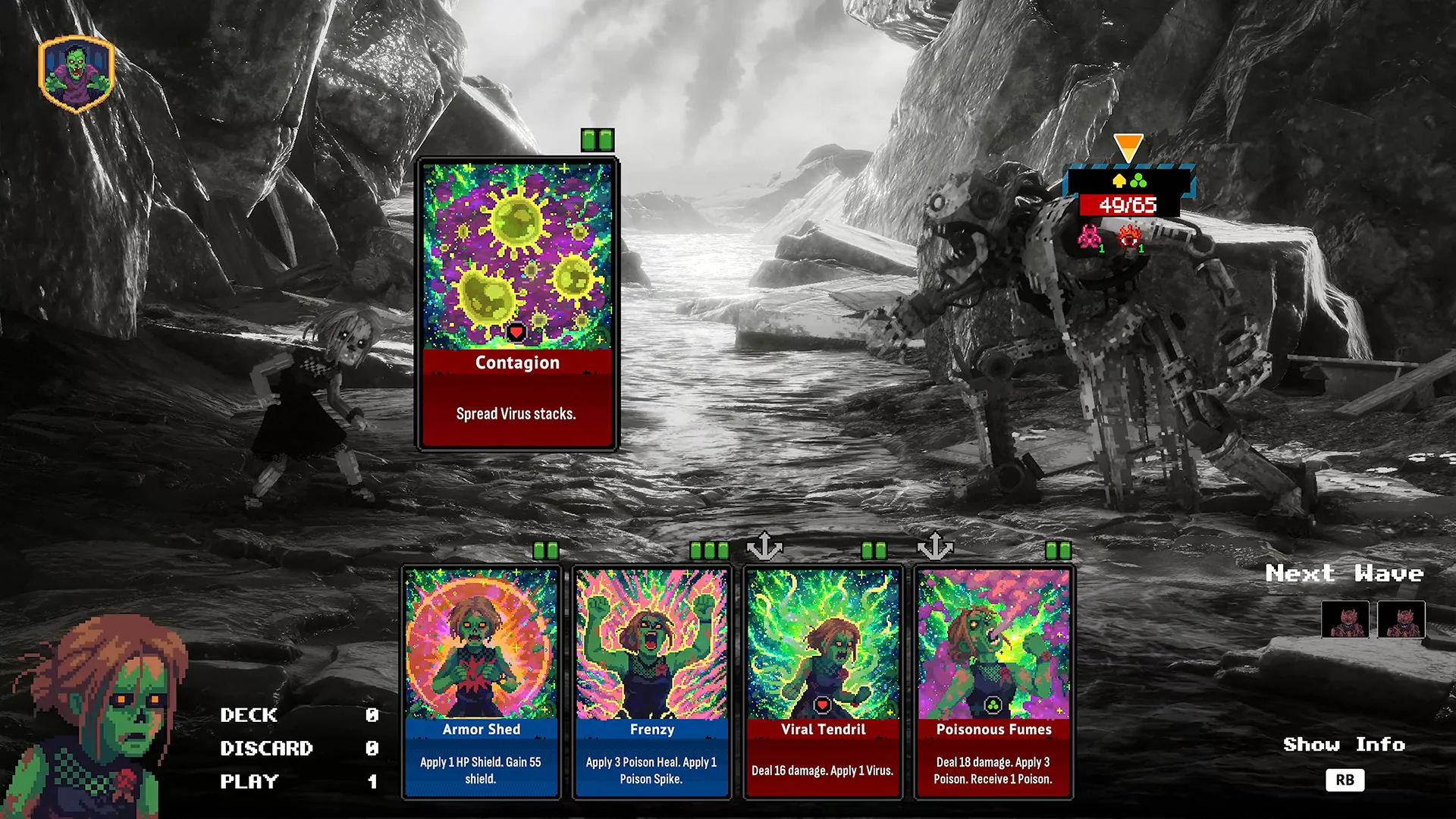
If the narrative is the game’s heart, the combat system serves as its skeletal structure—and unfortunately, it is here that Echo Generation 2 falters most significantly. The game utilizes a 2.5D map traversal system, punctuated by turn-based, card-driven combat encounters that feel largely derivative of the genre’s past offerings.
The Stagger System and Combat Stagnation
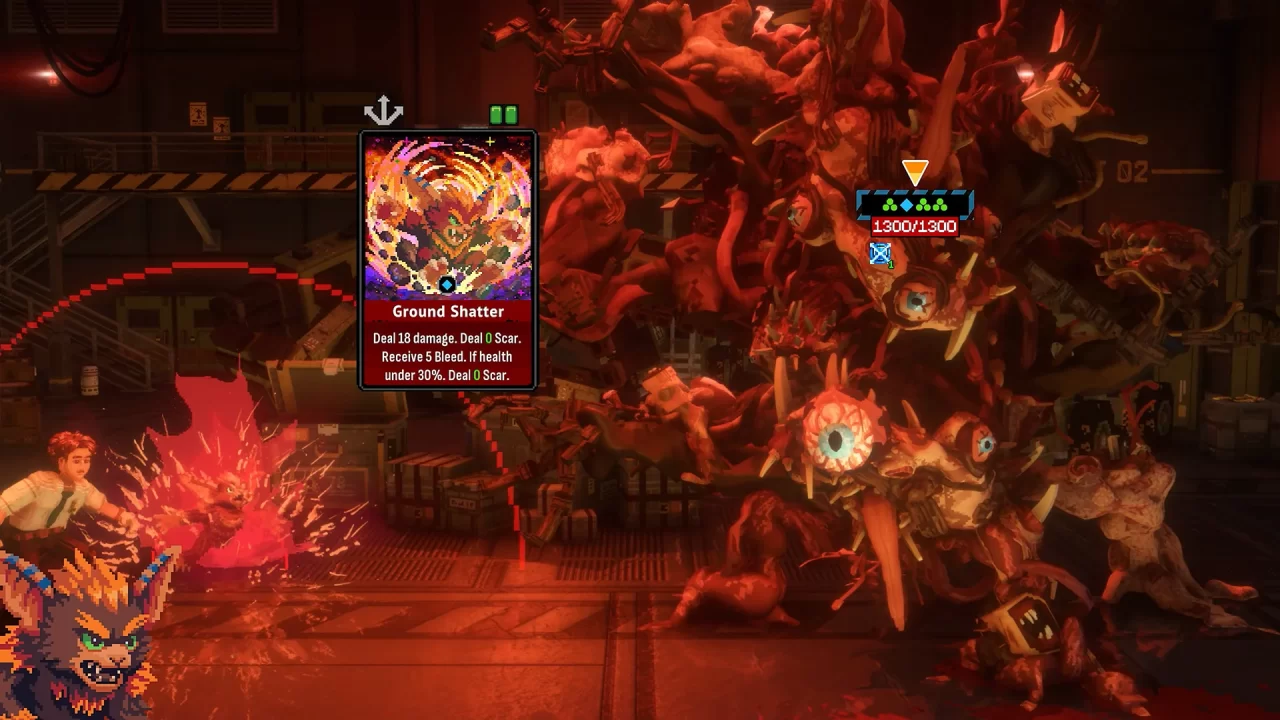
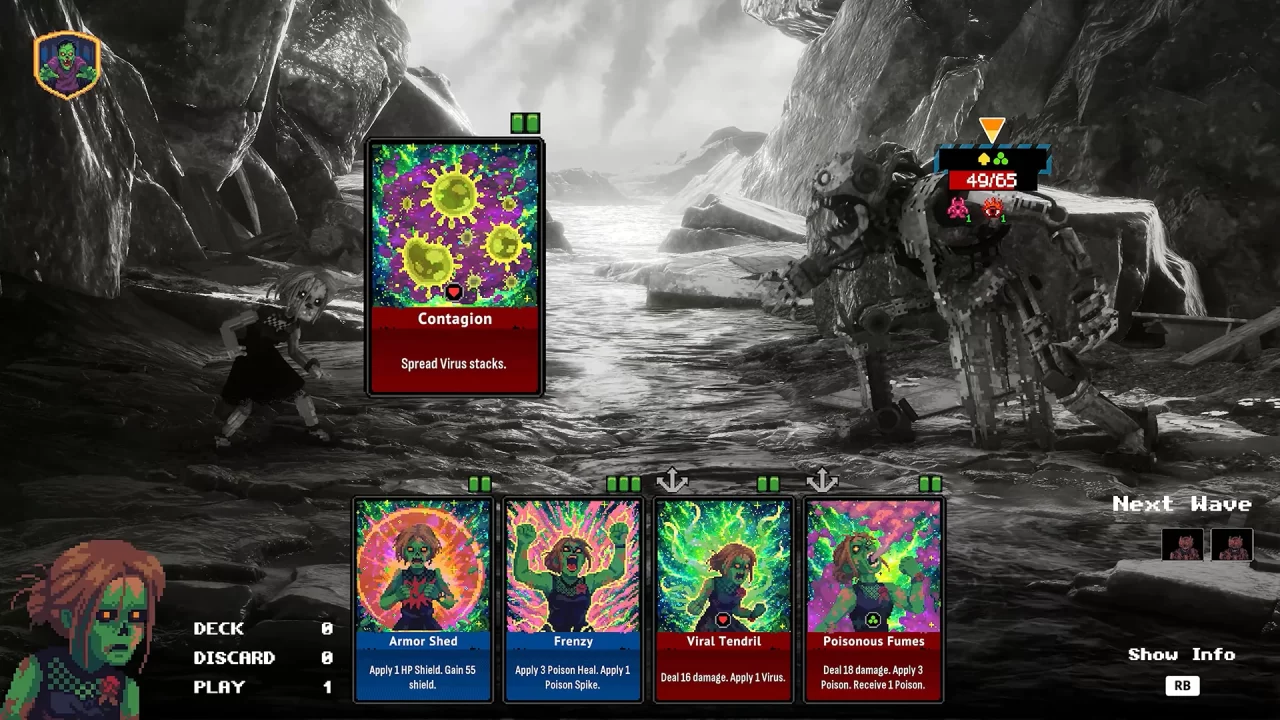
The combat loop relies on a card-based selection system where players manage action points to perform basic tasks: attacking, shielding, or buffing. A central feature—the "stagger system"—is designed to introduce tactical depth. Enemies display random symbols, and by matching specific cards to these symbols, the player can theoretically break an enemy’s stance.
However, in practice, this system feels vestigial. The developer’s intent for this mechanic to provide a tactical advantage—such as increased damage or additional turns—never manifests in a meaningful way. Most encounters devolve into a repetitive cycle of standard attacks and health restoration. Because the status effects like poison and bleeding lack sufficient potency to alter the flow of battle, the most optimal strategy remains simply selecting the card with the highest numerical value. Furthermore, the skill trees offered upon leveling up provide only marginal, uninspired percentage increases to base stats, stripping away any sense of meaningful progression.
Technical Frustrations
Beyond the lack of tactical depth, the game is hampered by control issues. During the card-selection phase, the interface often exhibits "stickiness," where cards become difficult to de-select. While the combat is simple enough that this doesn’t render the game unplayable, it creates a persistent, needless frustration that disrupts the flow of the experience.
Official Responses and Studio Vision
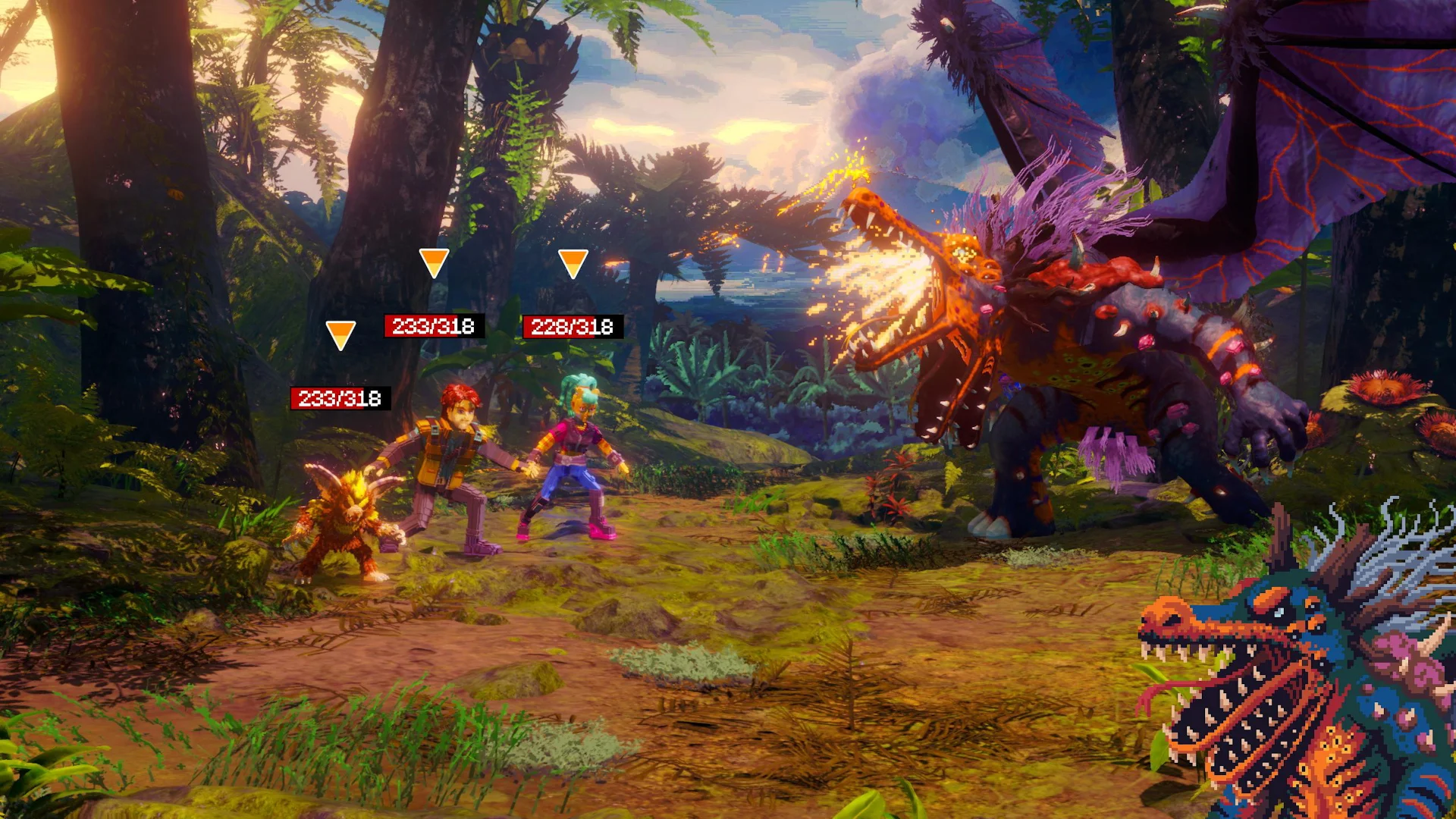
While no formal statement has been issued by the development team regarding the lukewarm reception of the game’s mechanics, it is clear that the studio prioritized aesthetic consistency. The voxel art remains the title’s strongest asset. The Minecraft-esque character models and the detailed, multi-dimensional environments serve as a visual testament to the team’s dedication.
However, the auditory experience fails to match the visual fidelity. The soundtrack attempts to capture a synth-heavy, Stranger Things-inspired atmosphere but ultimately lacks the emotional range or dynamic shifts necessary to elevate the game’s somber moments. Much like the narrative, the music feels "flat," failing to underscore the stakes or the tension of the story effectively.
Implications for the Series
The reception of Echo Generation 2 serves as a sobering reminder of the difficulties inherent in expanding a beloved indie title. The "voxel burger" analogy—a dish that looks appealing but lacks flavor and substance—aptly captures the experience. The developers clearly set out to achieve a more mature and complex vision, but by attempting to pivot the tone while simultaneously introducing new, under-baked mechanics, they diluted the core appeal of the franchise.
The implications for the future of the Echo Generation series are clear: there is a need for a return to the fundamentals. The studio has demonstrated a remarkable capability for world-building and visual design, but the next project must prioritize tight, impactful writing and a more robust combat system. The "serious tone" shift was a risk, and while the risk itself is not the problem, the lack of depth in the writing that accompanied it was.
The Path Forward
For fans of the original game, Echo Generation 2 may offer a curiosity worth exploring for its lore, but it is unlikely to satisfy those looking for the same emotional resonance found in the 2024 debut. The developers have proven they can build a beautiful world; now, they must focus on populating that world with meaningful, well-executed narratives and engaging, responsive gameplay systems.
Ultimately, Echo Generation 2 stands as an ambitious, if flawed, installment. It is a work of passion, but it serves as a lesson in the importance of refining a specific vision rather than attempting to juggle too many disparate elements at once. As the studio looks toward its future projects, it will hopefully learn to distinguish between the desire to be "serious" and the need to be "meaningful." By balancing the charm that made the series famous with a more rigorous approach to design, there is no doubt that the team has the potential to find its stride once again.