

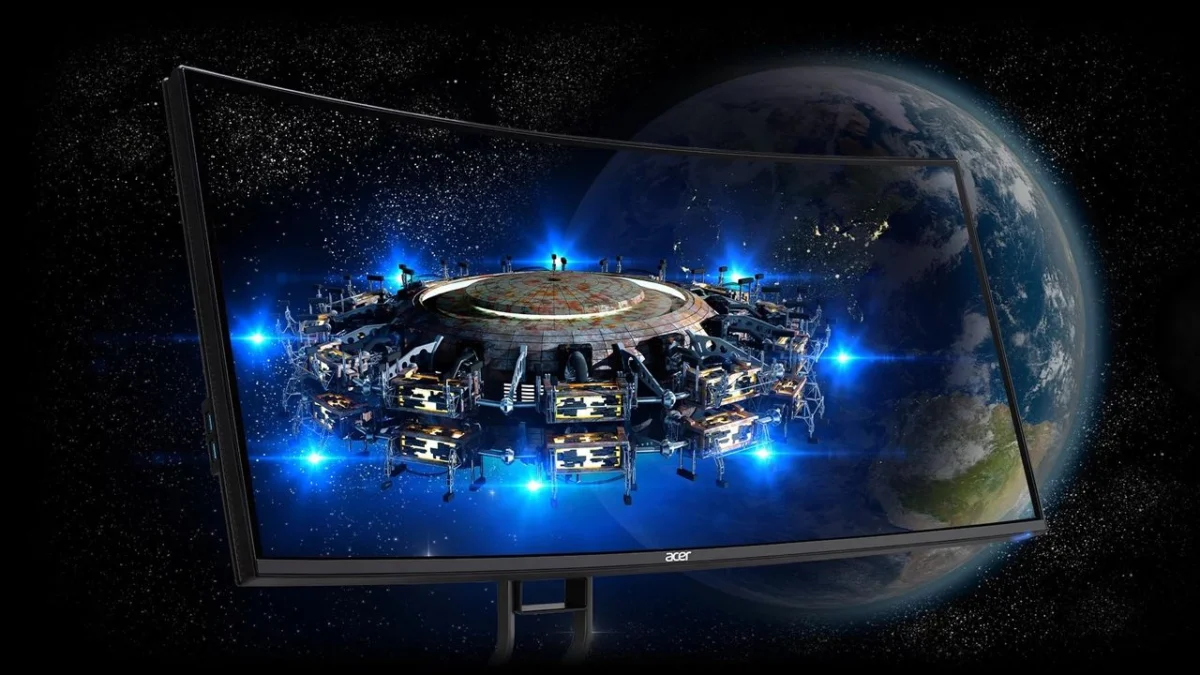
The annual pilgrimage to Computex in Taipei serves as the industry’s proving ground, and this year, Acer has cemented its position at the forefront of display innovation. With a sprawling new collection of five gaming monitors across its premium Predator and value-oriented Nitro sub-brands, Acer is pushing the boundaries of what is technically possible in the desktop display space. From the mind-bending speed of 1,000 Hz refresh rates to the persistent evolution of glasses-free 3D, Acer’s 2026 roadmap is nothing if not ambitious.
The Core Innovations: A Shift in Performance Paradigms
At the heart of Acer’s new announcement is a clear focus on two diverging paths: extreme speed for competitive eSports and immersive fidelity for high-end cinematic gaming. By leveraging advanced panel technologies—including Mini LED, high-refresh IPS, and cutting-edge QD-OLED—Acer is targeting a diverse demographic of users, ranging from professional gamers who demand sub-millisecond precision to content creators requiring perfect color accuracy and high-resolution real estate.
Chronology of the 2026 Lineup
Acer has scheduled the market availability for all five newly announced monitors for Q2 2026. This timeline indicates a strategic rollout aimed at aligning with the next generation of GPU architectures expected from Nvidia and AMD. By positioning these monitors as the ultimate companions for upcoming high-performance hardware, Acer is looking to capture the "early adopter" market that thrives on the release cycles of Computex announcements.
The Nitro Series: Redefining Value and Velocity
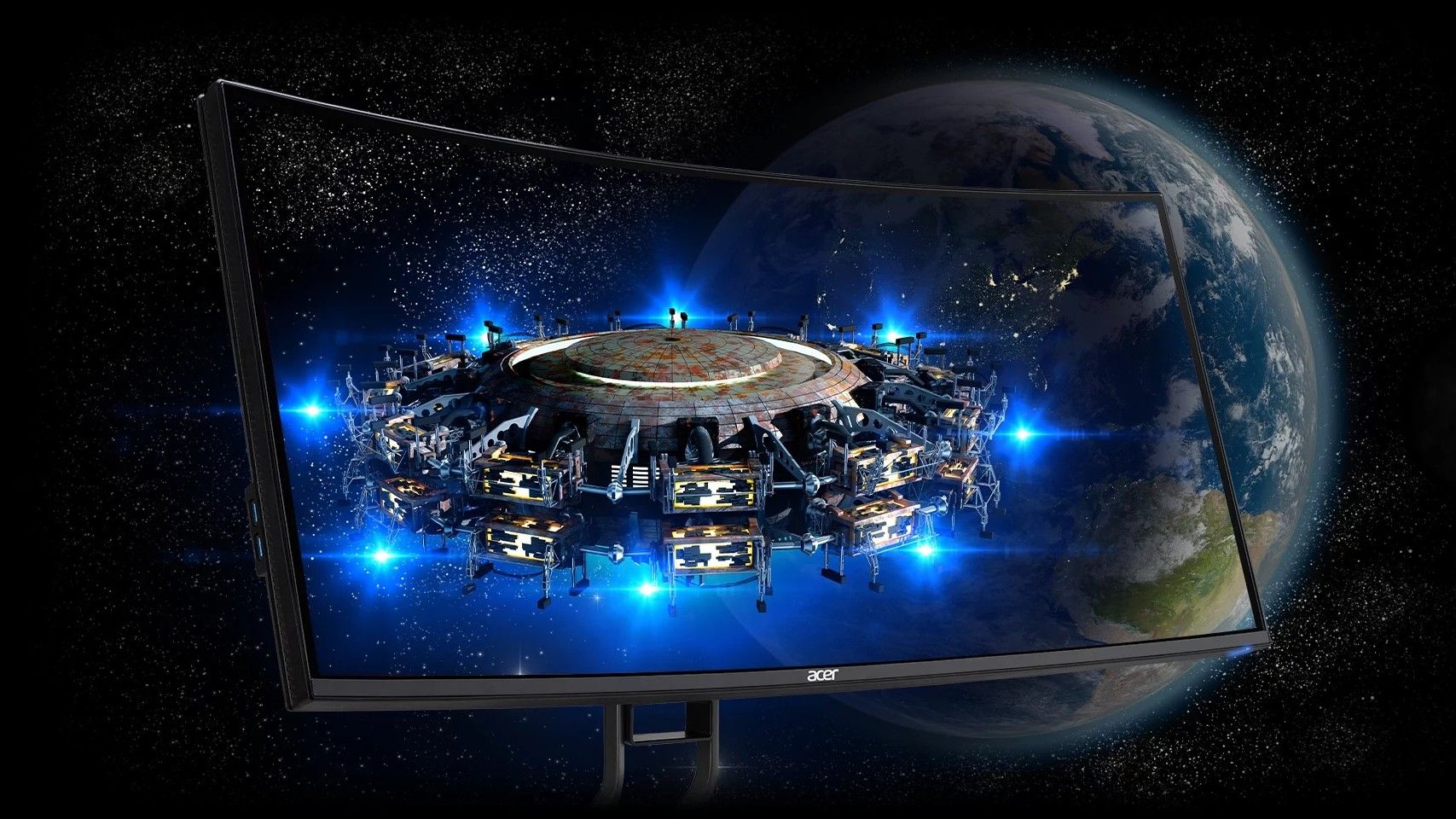
The Nitro brand, traditionally synonymous with high-value performance, has received a massive injection of high-end specifications. The trio announced—the Nitro XV345CKR P, the Nitro XV320QX, and the Nitro XV273U F5—represents a significant leap in capabilities for the mid-range segment.
Nitro XV345CKR P: The Mini LED Workhorse
Priced at $899, the Nitro XV345CKR P is arguably the most versatile monitor in the new collection. Featuring a 34-inch 5K (5120 x 2160) VA panel, it bridges the gap between productivity and gaming. The inclusion of Mini LED backlighting, utilizing 1,344 individual dimming zones, is a game-changer for contrast-heavy content. While VA panels have historically struggled with ghosting, the inclusion of a 180 Hz native refresh rate (boostable to 360 Hz at 2560 x 1080 resolution) suggests that Acer has successfully tuned the response times to satisfy modern gamers.
Nitro XV320QX: The Creator’s Hybrid
At $1,099, the 31.5-inch Nitro XV320QX targets those who straddle the line between creative work and high-end gaming. Its 5K (5120 x 2880) resolution provides the pixel density necessary for professional color grading, while the integration of Dynamic Frequency and Resolution (DFR) allows the panel to hit a blistering 330 Hz at 1440p. With 95 percent coverage of the DCI-P3 color gamut, this monitor is a strong contender for the "one-size-fits-all" office setup.
Nitro XV273U F5: The eSports Apex
For the competitive gamer, the Nitro XV273U F5 ($699) is the headline act. While its native QHD (2560 x 1440) resolution offers a crisp 540 Hz refresh rate—already among the fastest in the industry—its true party trick is the DFR-enabled 1,000 Hz mode at 1280 x 720 resolution. While the lower resolution may seem archaic to some, the reduction in motion blur provided by a 1,000 Hz scan rate is essentially the "holy grail" for professional tactical shooters, where every millisecond of frame delivery latency counts.
The Predator Series: Pushing the Envelope
Acer’s Predator line remains the showcase for the company’s most experimental and premium technologies. This year, the focus is squarely on the continued refinement of 3D gaming and the adoption of QD-OLED technology.
The Return of 3D: Predator XB273K
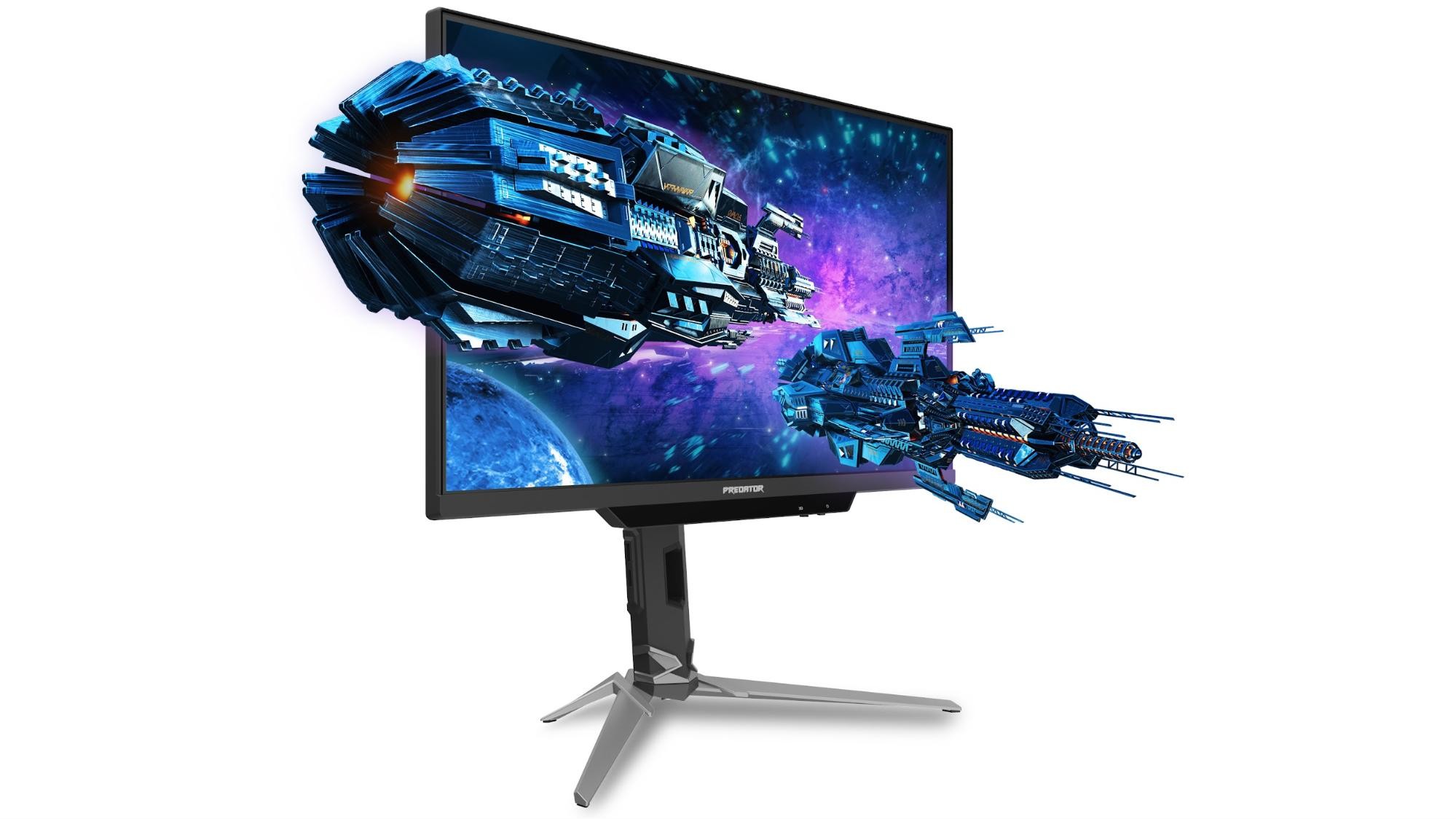
Despite the industry’s historical skepticism toward 3D, Acer is doubling down. The Predator XB273K ($1,299) represents the next iteration of the company’s glasses-free 3D technology. Building upon the foundation of the SpatialLabs View 27, this 4K panel uses advanced eye-tracking sensors and local AI to perform real-time depth mapping of standard 2D content. By bumping the refresh rate to 180 Hz, Acer is attempting to make the 3D experience smoother and less fatiguing for long-term play.
The Predator X34 F1: QD-OLED Excellence
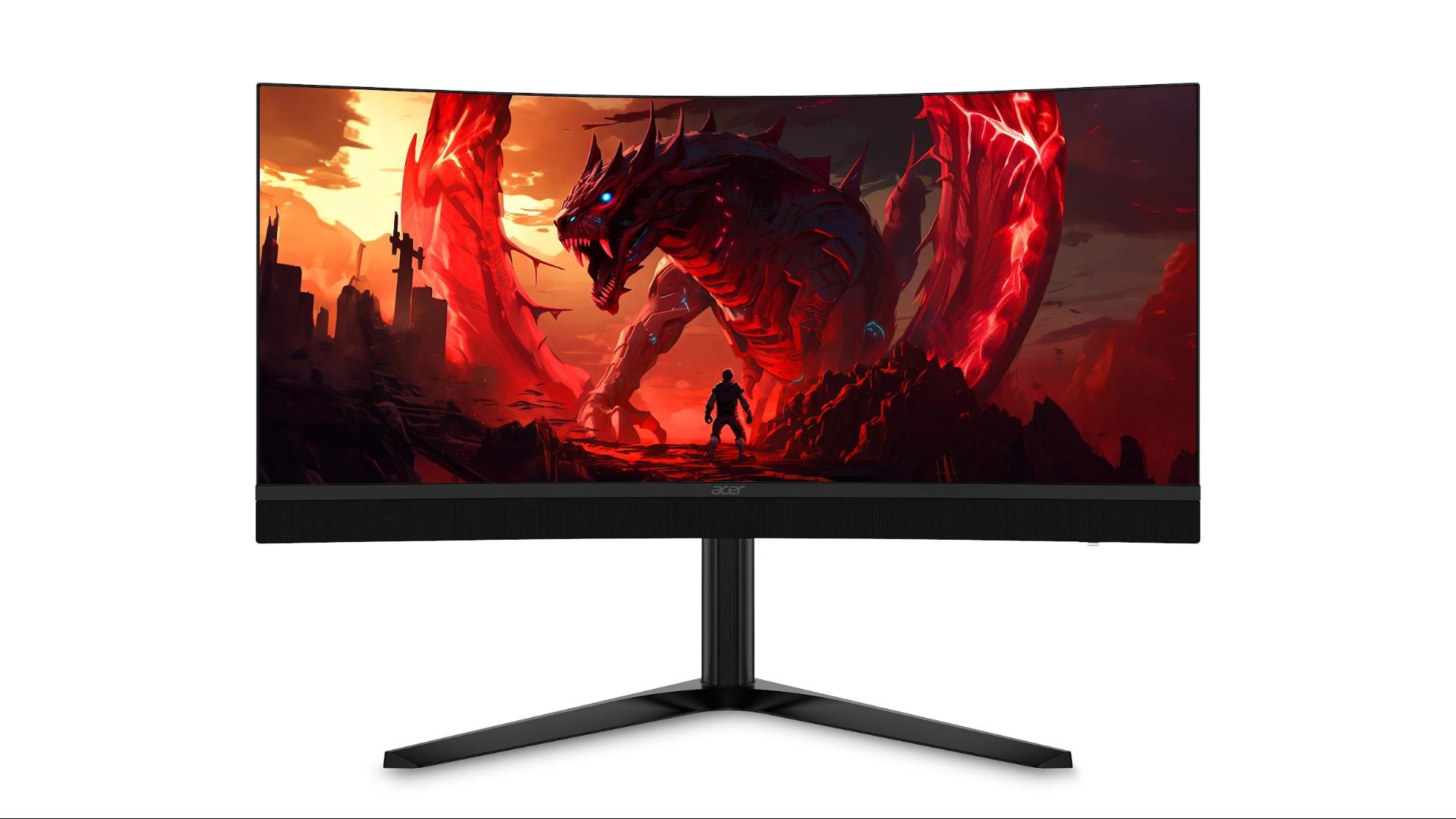
The crown jewel of the announcement is undoubtedly the Predator X34 F1. This is Acer’s flagship entry into the high-end OLED space. Utilizing a 34-inch QD-OLED panel with an 1800R curve, the monitor provides the near-instantaneous 0.03 ms response times that only OLED can offer. With a 330 Hz refresh rate and VESA DisplayHDR 400 certification (capable of 1,300 nits peak brightness), it is positioned as the ultimate choice for enthusiasts who demand the absolute best in motion clarity and color depth.
Supporting Data and Technical Specifications
| Model | Panel Type | Native Res | Max Refresh | Key Feature |
|---|---|---|---|---|
| Nitro XV345CKR P | VA (Mini LED) | 5120 x 2160 | 360 Hz (DFR) | 1,344 dimming zones |
| Nitro XV320QX | IPS | 5120 x 2880 | 330 Hz (DFR) | 95% DCI-P3 coverage |
| Nitro XV273U F5 | IPS | 2560 x 1440 | 1,000 Hz (DFR) | Elite eSports speed |
| Predator XB273K | IPS | 3840 x 2160 | 180 Hz | Glasses-free 3D |
| Predator X34 F1 | QD-OLED | 3440 x 1440 | 330 Hz | 0.03 ms response |
Industry Implications: The Era of DFR
The most significant technical takeaway from this year’s Computex is the widespread adoption of Dynamic Frequency and Resolution (DFR) technology. By allowing monitors to downscale resolution in exchange for higher refresh rates on the fly, Acer is effectively creating "multimodal" monitors.
This is a pragmatic solution to a growing hardware problem: as resolutions climb to 4K and 5K, even the most powerful GPUs struggle to hit the high frame rates competitive gamers demand. DFR allows a user to work in 5K for productivity during the day and drop to a lower resolution at night to hit 300+ Hz for gaming, effectively providing two monitors in one chassis.
Addressing the 3D Skepticism
Acer’s insistence on 3D technology remains a point of debate. While the Predator XB273K is undeniably impressive from a technical standpoint, the market viability of glasses-free 3D remains unproven. Acer’s strategy of using local AI to convert 2D content is a clever workaround for the lack of native 3D game titles, but the success of this product will likely depend on whether the "wow factor" of depth perception can overcome the inherent resolution and brightness compromises required by 3D lenticular filters.
Conclusion
Acer’s 2026 monitor lineup is a testament to the company’s desire to cater to every niche of the PC gaming market. By providing options that span from the high-resolution, high-contrast Mini LED screens to the ultra-fast, high-refresh IPS panels and the premium OLED experience, Acer is effectively insulating itself against shifting market trends.
The move to integrate DFR across multiple models suggests that the industry is finally accepting that a single, static resolution/refresh rate combination is no longer sufficient for the modern gamer. As we look toward the Q2 2026 release, the success of these monitors will likely rest on the execution of the software-side implementation of their AI features and the ability to maintain consistent image quality across these aggressive refresh-rate targets. For now, Acer has certainly ensured that they remain the brand to watch for any enthusiast looking to upgrade their visual experience.










No comments yet. Be the first to join the conversation!