

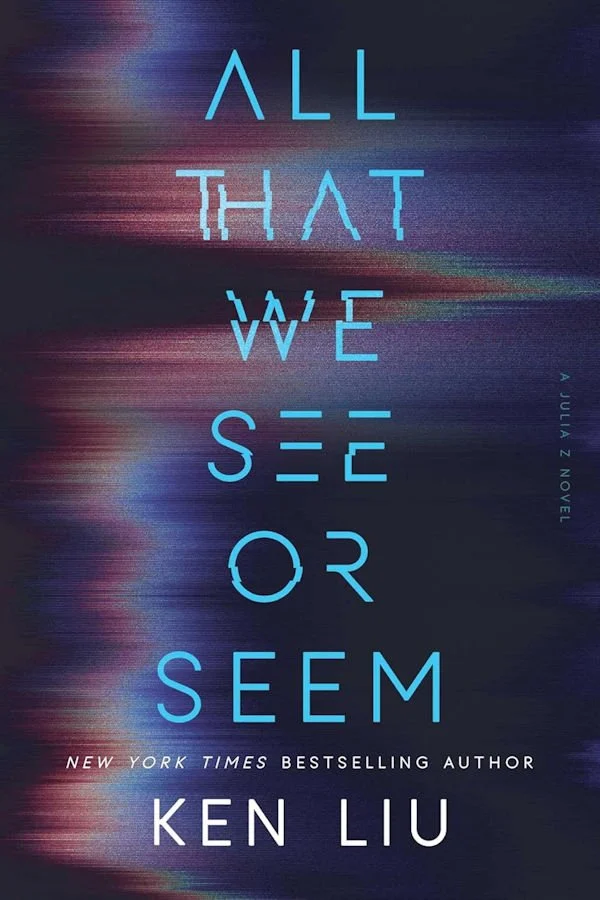
In the landscape of modern speculative fiction, few authors possess the clinical precision and empathetic reach of Ken Liu. With his latest release, All That We See or Seem, Liu returns to the near-future, a setting he has mastered through his short fiction and the Dandelion Dynasty series. However, this time, he narrows his focus to the claustrophobic intersection of identity, privacy, and the commercialization of human consciousness. As the inaugural entry in a new series, the novel serves as both a high-stakes mystery and a sobering mirror held up to our current digital trajectory.
The Premise: A Hacker in the Shadows
The story centers on Julia Z, a figure who once held the moniker of the "orphan hacker"—a title earned during her teenage years of digital rebellion. Years later, she is attempting to lead a life of profound anonymity in the quiet suburbs of Boston. In this version of the future, Liu crafts a world that feels uncomfortably plausible: privacy is a relic of the past, surrendered willingly in exchange for the convenience of hyper-intelligent, omnipresent AI assistants. It is a society that is functional, optimized, and deeply unsettling.
Julia’s tenuous peace is shattered by the arrival of Piers, a desperate husband seeking aid. His wife, Elli, a world-renowned "onierofex"—or dream artist—has been abducted. Elli’s craft involves weaving the dreams of live audiences into shared virtual landscapes, an experience that bridges the gap between collective consciousness and digital entertainment. The mystery deepens when Julia discovers that Elli’s abduction is not a random crime of opportunity, but a calculated demand. The perpetrator is the head of an international criminal syndicate, a man who has been utilizing Elli’s services for illicit, private dream-weaves and now demands an exclusive, high-stakes session in exchange for his captive’s life.
Chronology of the Conflict
The narrative trajectory of All That We See or Seem is unconventional, eschewing the rapid-fire pacing typically associated with kidnapping thrillers in favor of a more deliberate, atmospheric progression.
- The Inciting Incident: Piers breaches Julia’s carefully curated digital isolation, pulling her back into a world she sought to leave behind. The initial phase of the novel is characterized by a "breezy" tone, focusing on the technological mechanics of the dream-weaving industry and the complex social dynamics of Boston’s elite.
- The Mid-Point Pivot: The story undergoes a stark tonal shift. What begins as a technological caper turns abruptly dark. A calculated, brutal act of violence serves as the author’s signal that the stakes have transitioned from professional curiosity to life-or-death survival.
- The Climax: As the narrative takes the reader across the country, the mystery shifts inward. The resolution involves a confrontation with the criminal mastermind, forcing Julia to confront the limitations of her own psyche and the digital ghosts of her past.
Supporting Data: The Technology of Dreams
Liu’s world-building hinges on the concept of the "onierofex." In the novel, dreams are no longer private sanctuaries of the mind but are commodified assets that can be shared, edited, and performed. This conceptual framework allows Liu to explore the erosion of the self in an age of hyper-connectivity.
The "orphan hacker" archetype is a staple of cyberpunk, yet Liu avoids the genre’s typical tropes. Julia is not merely a keyboard warrior; she is a character defined by the "layers" of her history. The missing Elli is initially presented through the lens of a "shallow influencer," a characterization that Liu deftly deconstructs as the story unfolds. Similarly, Piers, who initially appears as a man out of his depth, evolves into a more complex catalyst for the plot’s moral dilemmas. The strength of the book lies in this constant "peeling back" of character masks, suggesting that in a world of total surveillance, the only true secrets are those we keep from ourselves.
Critical Analysis: A Genre-Defying Narrative
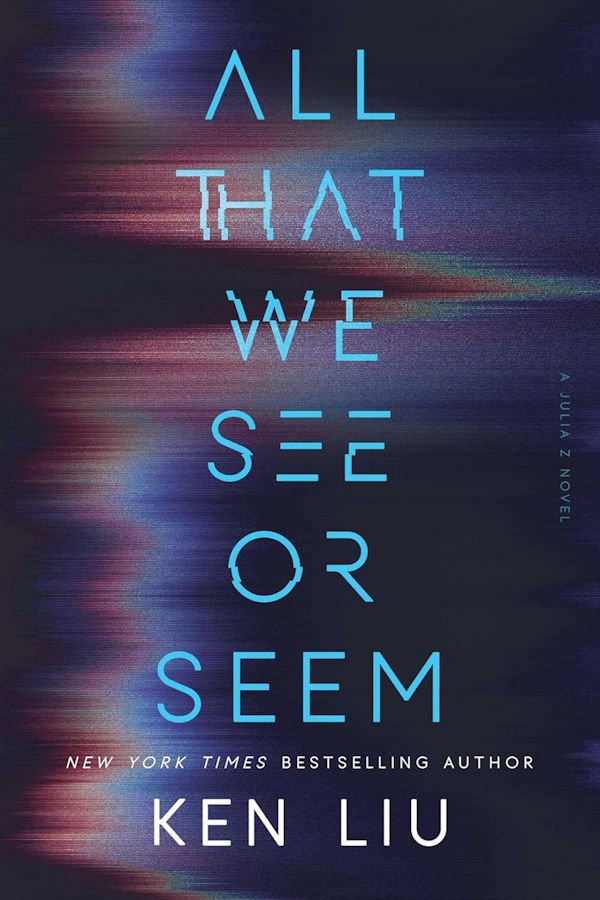
One of the most significant takeaways from All That We See or Seem is the importance of managing reader expectations. While the marketing materials position the novel as a high-octane thriller, this label does a disservice to the work’s true nature.
The "Thriller" Misnomer
Readers seeking the relentless pacing of a standard kidnap-rescue thriller may find themselves frustrated. Liu is less interested in the mechanics of the chase than he is in the implications of his setting. The book is, at its core, a "futuristic mystery." It operates on the logic of atmosphere and philosophical inquiry. The slow-burn approach allows the reader to absorb the unsettling nature of a world where one’s dreams are as trackable as one’s browsing history.
The Villain Problem
The novel is not without its flaws. While the supporting cast is brimming with depth and nuance, the primary antagonist feels like a jarring departure from the book’s established complexity. The villain is painted with broad strokes—"evil for evil’s sake"—and exhibits a degree of overconfidence that strains the narrative’s internal logic. The resolution, which relies on a cinematic, movie-script-style finale, feels disconnected from the more intimate, intellectual journey that preceded it. It is a rare moment of narrative imbalance in an otherwise tightly constructed work.
Implications for the Future of Humanity
Ken Liu is an author who uses technology to ask existential questions, and All That We See or Seem is no exception. The novel raises critical questions about:
- The Death of Privacy: The ease with which Julia’s digital footprint is uncovered serves as a warning about the fragility of anonymity in the digital age.
- The Commodification of Experience: By making dreams a performative art, Liu asks where the boundary lies between genuine human experience and synthetic entertainment.
- The Reliability of the Self: If our memories and dreams can be influenced by technology, what remains of our authentic identity?
The book suggests that our fascination with "useful" AI—the personal assistants that make our lives easier—comes at the cost of our agency. The world Liu creates is not "hopeless or preachy," but it is deeply sobering. It presents a future that feels like a logical conclusion to our current trajectory, making the "unsettling" aspects of the world feel remarkably grounded.
Conclusion: A Promising Series Opener
Despite the unevenness of its conclusion, All That We See or Seem is a triumphant beginning to a new series. Ken Liu has once again proven his ability to build worlds that are both expansive and deeply human. By shifting the focus away from the tropes of the thriller and toward the intricacies of a futuristic mystery, Liu allows his characters to breathe, surprise, and evolve.
For readers who appreciate speculative fiction that prioritizes atmosphere, character depth, and complex ethical questions over hollow action, this novel is essential reading. It is a testament to the idea that even in a world where everything can be seen and everything can be tracked, the human spirit—and the secrets it hides—remains the ultimate frontier. Julia Z is a protagonist with the potential to anchor a series that could define the next decade of genre literature, and she is well worth following into the uncertain, dream-haunted chapters that are sure to come.











No comments yet. Be the first to join the conversation!