Basiran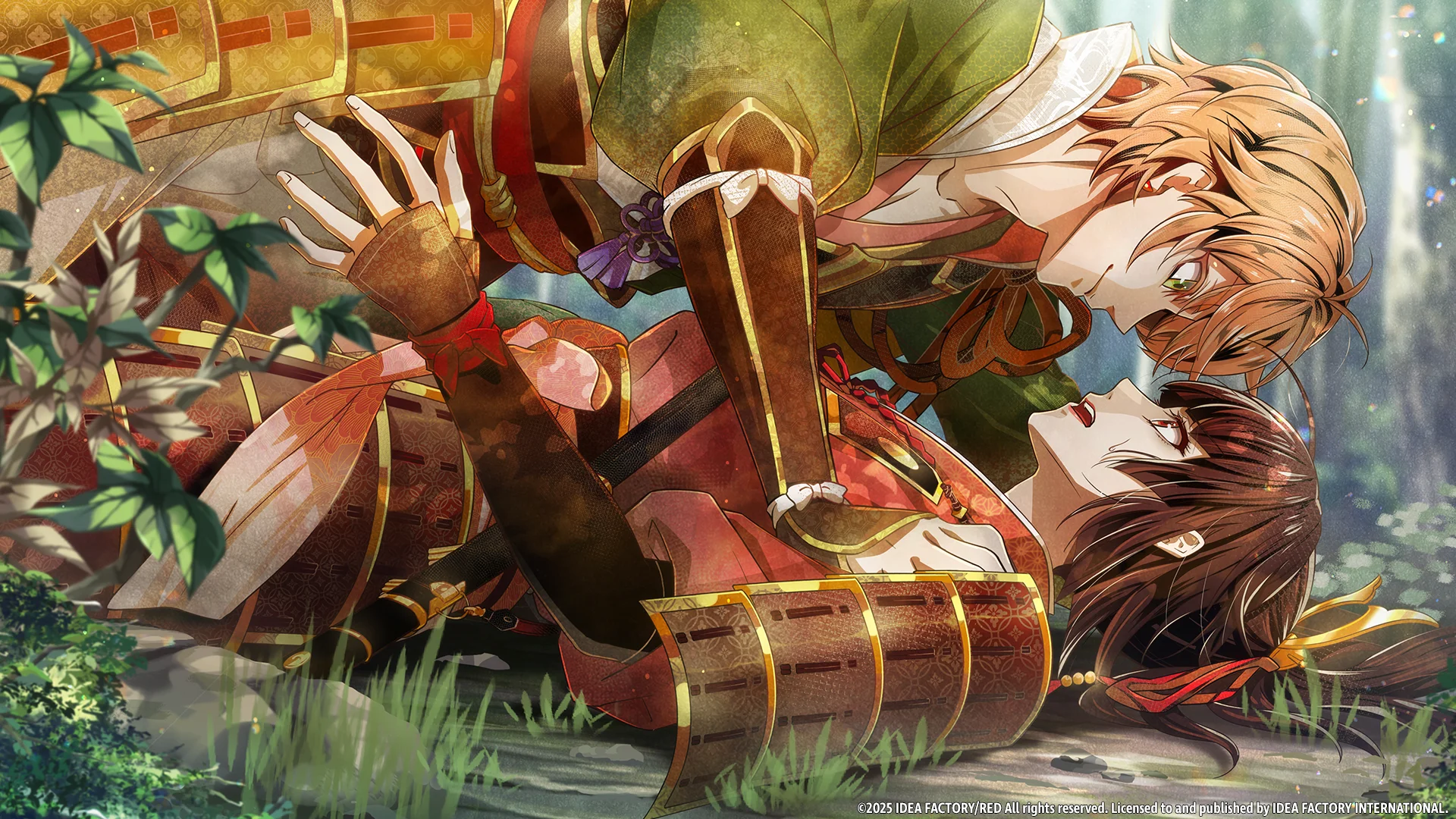
The visual novel landscape is a crowded field, but few titles have managed to capture the intersection of historical drama and romantic intrigue quite like the Birushana series. Following the resounding success of Birushana: Rising Flower of Genpei—a title that set a high watermark for the genre with its intricate narrative and thematic depth—developer Idea Factory and publisher Aksys Games have returned with its successor, Birushana: Winds of Fate.
Winds of Fate functions as both a nostalgic retrospective and an expansive addition to the existing lore. By offering a hybrid structure that includes long-awaited epilogues for the original cast alongside entirely new character routes, the title attempts to satisfy the demands of established fans while inviting new players to experience the turbulent, war-torn landscape of the late 12th-century Heiji Rebellion.
A Historical Tapestry: The World of Shanao
At the heart of Winds of Fate remains the compelling protagonist, Shanao. As the youngest surviving heir to the storied Genji clan, Shanao’s existence is defined by the necessity of survival. Raised as a man by her temple caretaker to shield her from the political machinations and violent purges threatening her bloodline, she embodies a complex intersection of duty, gender identity, and martial prowess.
The narrative picks up in the shadow of the Heiji Rebellion, a period of Japanese history defined by shifting allegiances and the violent ascent of the Taira clan. Shanao’s journey—from a hidden heir to a warrior seeking to aid her brother—is the anchor of the experience. The game excels in placing the player within the volatile atmosphere of the era, where the "embers of conflict" are constantly threatening to consume the protagonists. Whether she is maneuvering through the political intrigues of the capital or leading a loyal contingent of vassals into the heat of battle, Shanao remains a beacon of strength and nuance.
Chronology and Content Structure: Bridging the Past and Present
Birushana: Winds of Fate is meticulously structured to cater to different segments of its player base. Upon launching the game, players are greeted with a choice between two distinct content streams: the epilogues of the original game and the brand-new main story routes.
The Epilogues: A Glimpse Beyond the Horizon
The epilogue content serves as the final word for the five character routes introduced in Rising Flower of Genpei. These segments provide closure, offering a glimpse into the domestic and political lives of the characters after the dust of the original conflict settled. While these segments are lauded for their heartfelt writing, they operate as a "kinetic" experience.
For many, this may be a point of contention. The lack of player choice in the epilogues signals a shift toward a more passive storytelling mode. However, for those who spent dozens of hours investing in the relationships of the first game, these epilogues provide the emotional catharsis necessary to close that specific chapter of the saga.
The Four Pillars: New Paths to Glory
The primary draw for the majority of players will be the four new character routes. These arcs are set during the same turbulent timeframe but introduce fresh dynamics and emotional stakes.
- The Taira Connection: The route for Shigehira Taira has emerged as a standout, praised for its grounded progression from antagonistic rivals to partners.
- The Sato Brotherhood: The inclusion of both Tsugunobu and Tadanobu provides deep, heartfelt narratives that contrast with the darker political themes of the main conflict.
- Tactical Depth: The addition of Takatsuna adds a layer of mystery and surprise that keeps the pacing fresh for returning players.
Unlike the epilogues, these four routes retain the interactive DNA of a traditional visual novel. Players are tasked with managing an affection meter, where strategic dialogue choices dictate the path of the narrative. The introduction of the "flower blossom" UI element—which visually represents the growth of intimacy—is both intuitive and satisfying, providing clear feedback on the player’s influence over the story’s conclusion.
Supporting Data: Analyzing the Mechanics of Romance
The mechanics of Winds of Fate represent a streamlined evolution of its predecessor. While some purists may find the simplification of the affection system a slight departure from the complexity of the first game, the trade-off is a more accessible and brisk narrative experience.
In each of the five chapters within a route, the player encounters a series of dialogue prompts. Typically, one option serves as a neutral filler, while the remaining two influence the affection gauge. This system directly impacts the ending of each route, ensuring that player agency remains a core component of the gameplay loop.
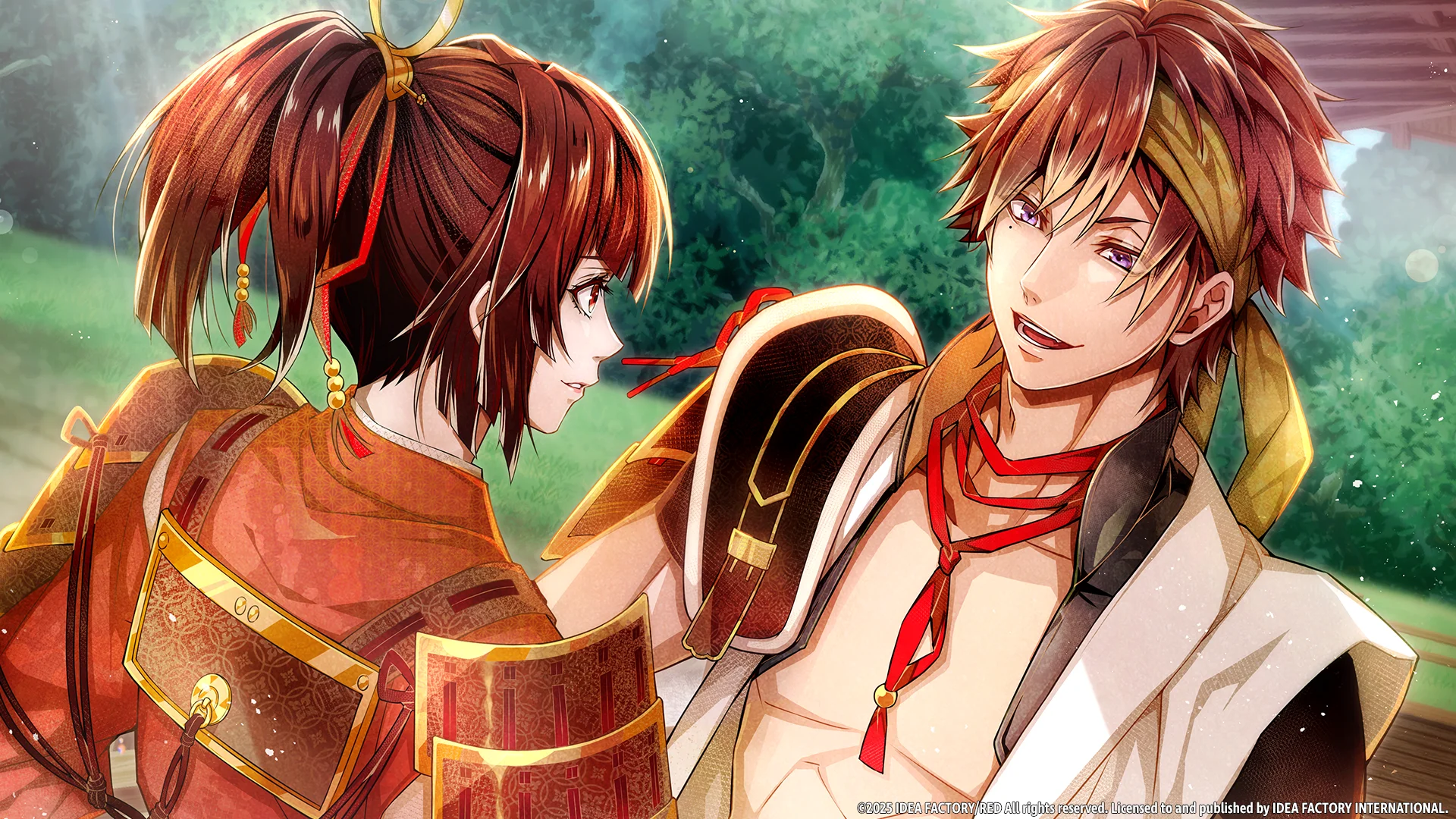
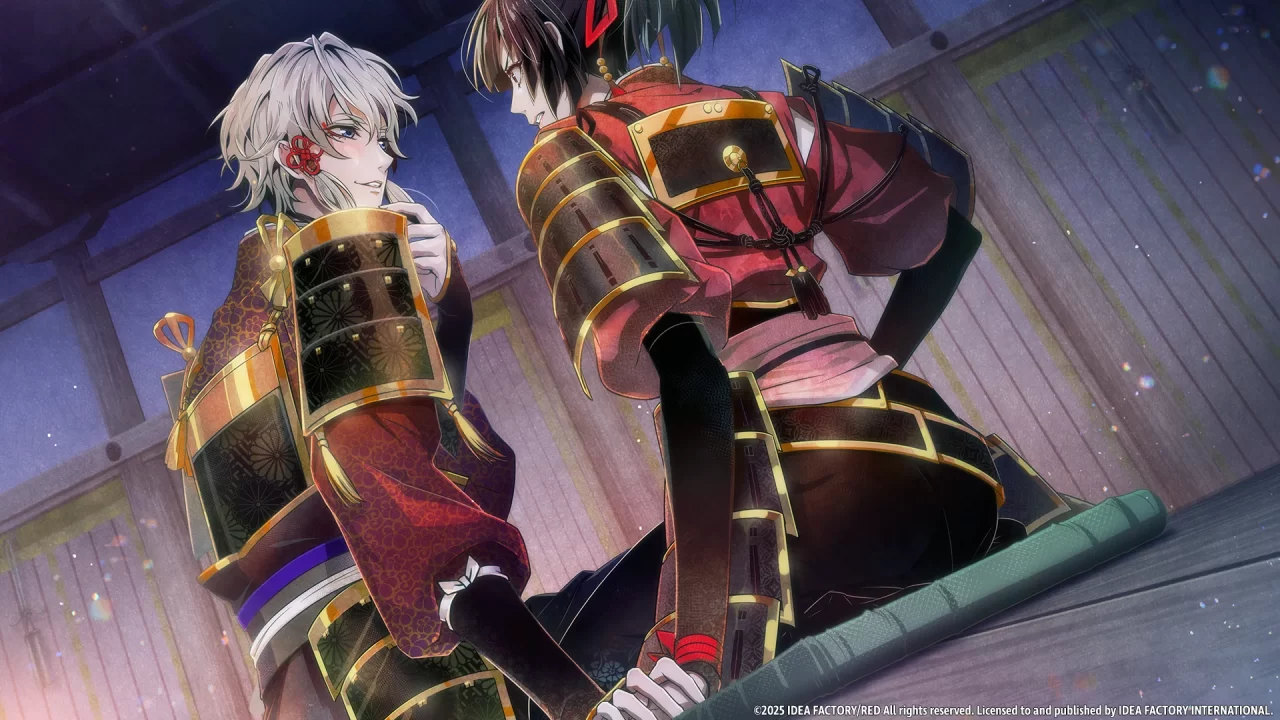
Technically, the game is a feast for the eyes. The character designs are vibrant and distinct, and the implementation of animated character sprites during combat sequences adds a layer of kinetic energy rarely seen in static visual novels. The CG illustrations, which commemorate key romantic or dramatic moments, are consistently high-quality, capturing the earnestness and tenderness of the characters’ relationships.
The Professional Critique: Audio, Visuals, and Localization
A standout feature of Winds of Fate is its production value. The voice acting is nothing short of exceptional. The cast delivers performances that are highly emotive, effectively conveying the weight of duty and the fragility of love. One notable, if common, omission is the lack of a voice track for Shanao herself; while this is a standard practice in the otome genre, her characterization is so robust that many players have noted the potential for a voice performance to have elevated the experience even further.
The sound design extends beyond the voice booth. The opening musical themes are infectious, and the background music (BGM) does the heavy lifting in establishing the atmosphere of the Genpei era. The foley work—from the subtle rustle of robes to the thunderous, chaotic clanging of steel on steel—grounds the more fantastical elements of the story in a tangible reality.
The localization team deserves significant praise. In a genre where translation errors can easily break immersion, Winds of Fate stands out as a polished, professional effort. The script is clean, evocative, and faithful to the historical and emotional nuances of the original Japanese text.
Implications and The Legacy of the Series
Does Birushana: Winds of Fate tarnish the legacy of its predecessor? The evidence suggests quite the opposite. By successfully balancing the need to conclude old stories with the ambition to tell new ones, the game cements the Birushana series as a cornerstone of the modern otome visual novel market.
However, there is a clear distinction in quality between the main routes and the secondary assets. While the backgrounds are artistically impressive in their lighting and composition, the reliance on duplicate character designs for minor, tertiary characters (the "identical triplets and quadruplets" of the background cast) creates a slight dissonance. It serves as a reminder that even high-tier visual novels are subject to budget constraints, which occasionally manifest in the background population of the game world.
Ultimately, the implications for the genre are positive. Winds of Fate demonstrates that a sequel does not need to reinvent the wheel to be successful; it simply needs to deepen the bond between the player and the cast. For the newcomer, the new routes offer a perfect entry point. For the veteran, it is an essential purchase that provides the closure that only a well-written, long-form narrative can offer.
Conclusion: A Must-Buy for the Discerning Fan
Birushana: Winds of Fate succeeds because it trusts its audience. It trusts that they care about the political fate of the Genji, that they are invested in the personal growth of Shanao, and that they appreciate the slow-burn development of romance against a backdrop of war.
It is not without its minor flaws—the passive nature of the epilogues and the reuse of NPC assets prevent it from reaching absolute perfection—but these are vastly overshadowed by the strength of the four main routes. With a captivating protagonist, a highly responsive and satisfying affection system, and a presentation that captures the beauty and tragedy of the Heiji Rebellion, Winds of Fate is a triumph. It stands as a worthy successor to Rising Flower of Genpei and a testament to the enduring power of historical visual novel storytelling. Whether you are a long-time devotee of the series or a curious reader looking for your next great romance, this title has a powerful wind behind its sails, ready to carry you into the heart of the Genpei conflict.


 Asro
Asro
 Muslim