

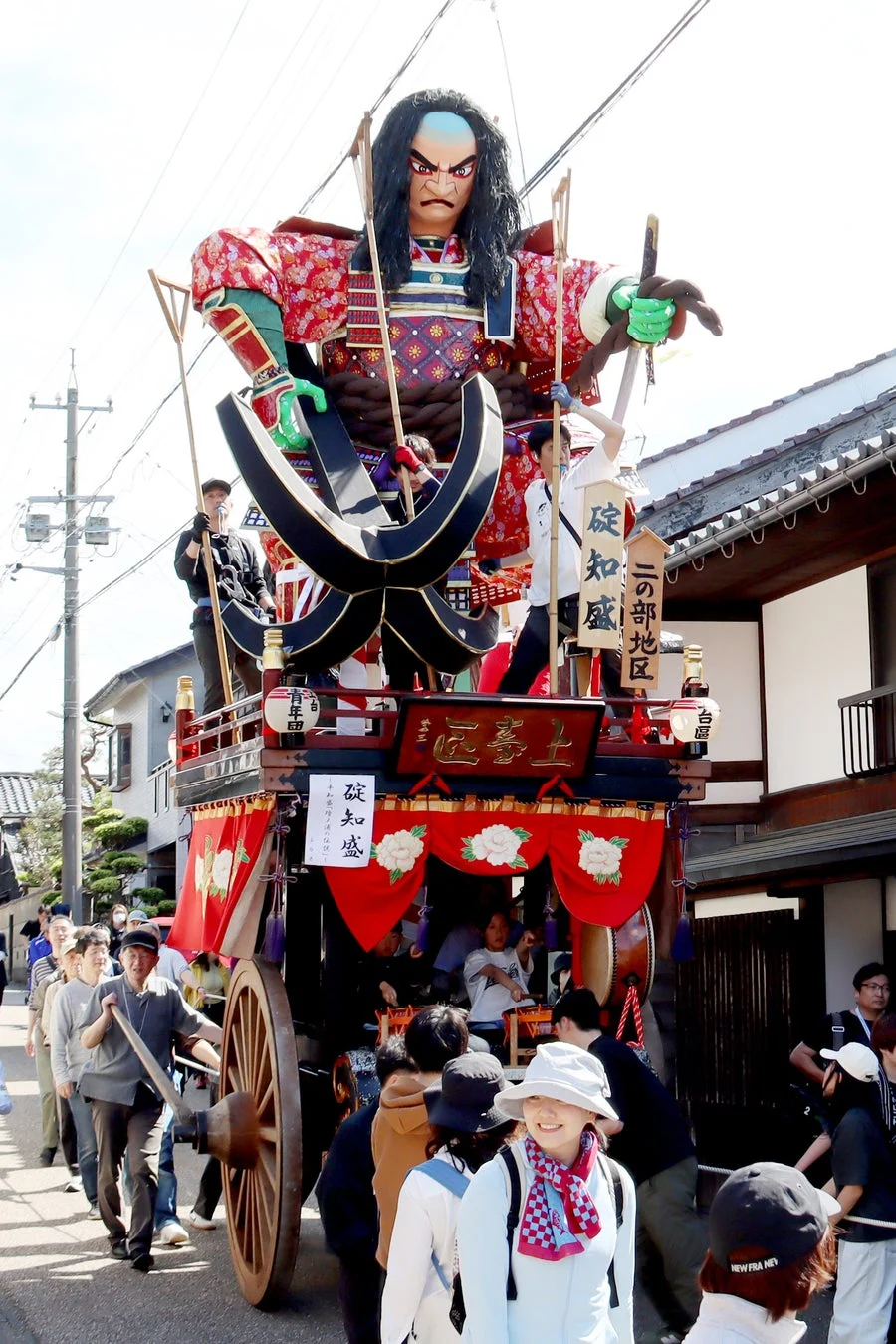
For three centuries, the coastal city of Sakai in Fukui Prefecture has transformed into a living museum of Edo-period drama and warrior mythos. As the calendar turns toward late spring, the city prepares once again for the Mikuni Festival—an annual spectacle that stands as one of the Hokuriku region’s "three great festivals." Beginning on May 19 and spanning three days, this year’s iteration promises to be the most historically significant in recent memory, blending centuries-old pageantry with a modern, rigorous academic investigation into the very soul of Japanese festival culture.
The Vanguard of Tradition: Main Facts
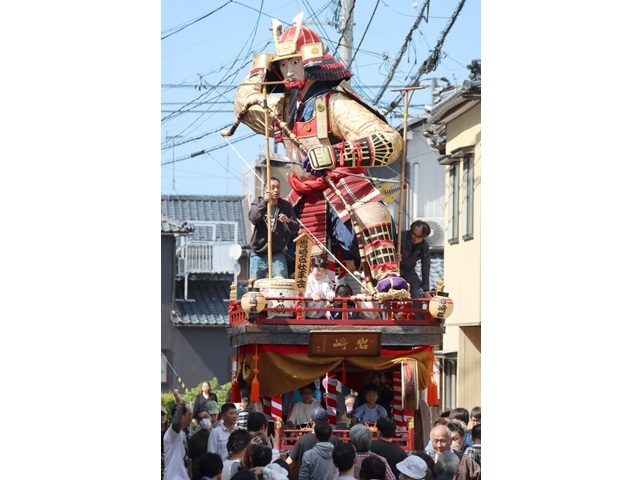
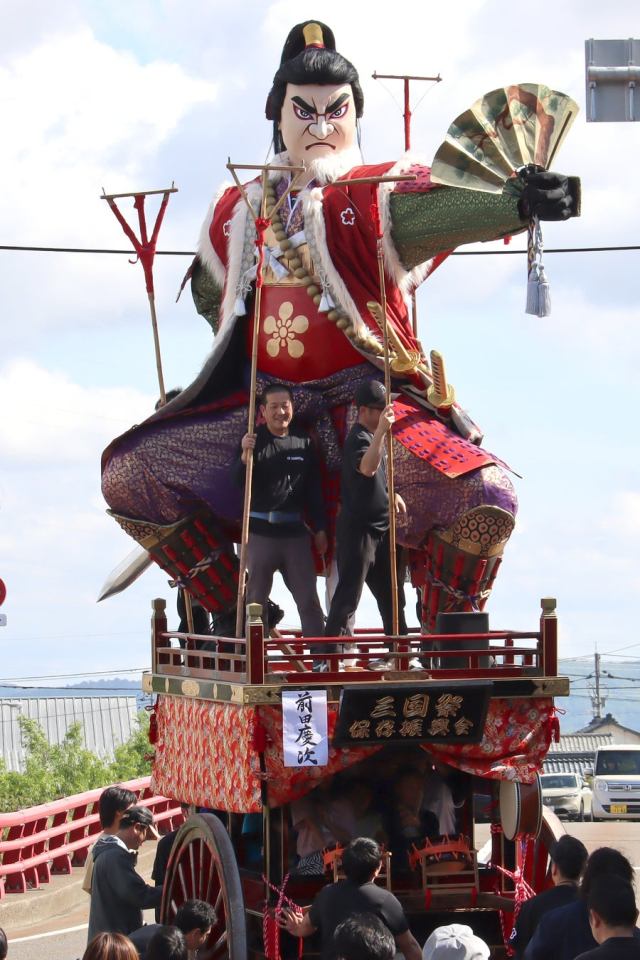
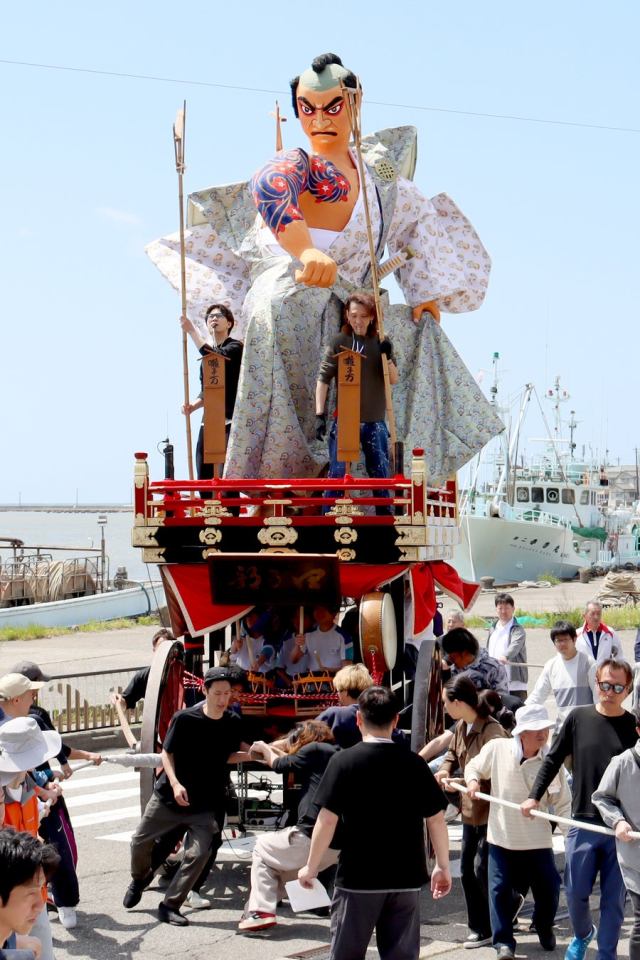
At the heart of the Mikuni Festival are its monumental floats. Towering over six meters (roughly 20 feet) in height, these structures are not mere decorations; they are mobile stages that bring the legends of Japan’s most iconic samurai and kabuki heroes to life. This year, the festival organizers have unveiled six newly crafted floats, each meticulously designed to depict pivotal moments in Japanese history.
The subjects chosen for this year’s display read like a definitive anthology of samurai lore. From the legendary warrior Kamakura Gongoro Kagemasa—immortalized in the kabuki classic Shibaraku—to the fierce Keiji Maeda, these figures represent the intersection of historical fact and theatrical legend. The festival is not merely a parade; it is a profound cultural statement that attracts thousands of enthusiasts who travel from across the globe to witness the intersection of wood, fabric, and spirit.
A Chronology of the Celebration
The festival’s schedule is tightly choreographed to ensure that both the sacred and the spectacular are honored.
- May 9: The inaugural public unveiling of the six new floats took place, allowing local residents and early-bird tourists to marvel at the craftsmanship before the chaos of the festival days.
- May 19, 6:30 p.m.: The official commencement of festivities begins near the Mikuni Shrine, located conveniently by the harbor. The highlight of the evening will be the spotlighting of the Keiji Maeda float, a centerpiece that captures the bold, untamed spirit of the Sengoku-period general.
- May 20, 1:00 p.m.: This serves as the "Grand Procession." All six massive floats will depart from Mikuni Shrine to traverse the city streets. They will be accompanied by a traditional mikoshi (portable shrine) and a procession of local participants dressed in authentic warrior-inspired armor and period-accurate attire, effectively turning the modern streets of Sakai into a 17th-century theater.
The Scholarly Shift: A Multi-Year Investigation
Perhaps the most groundbreaking development for the 2026 festival is the establishment of the Mikuni Festival General Investigative Committee. Formed under the auspices of the Sakai City Board of Education, this body consists of 11 municipal experts tasked with a multi-year, comprehensive study of the festival.
For decades, the Mikuni Festival has functioned through an oral tradition passed down through neighborhood guilds. However, this committee aims to codify that knowledge. Their research will span several key areas:
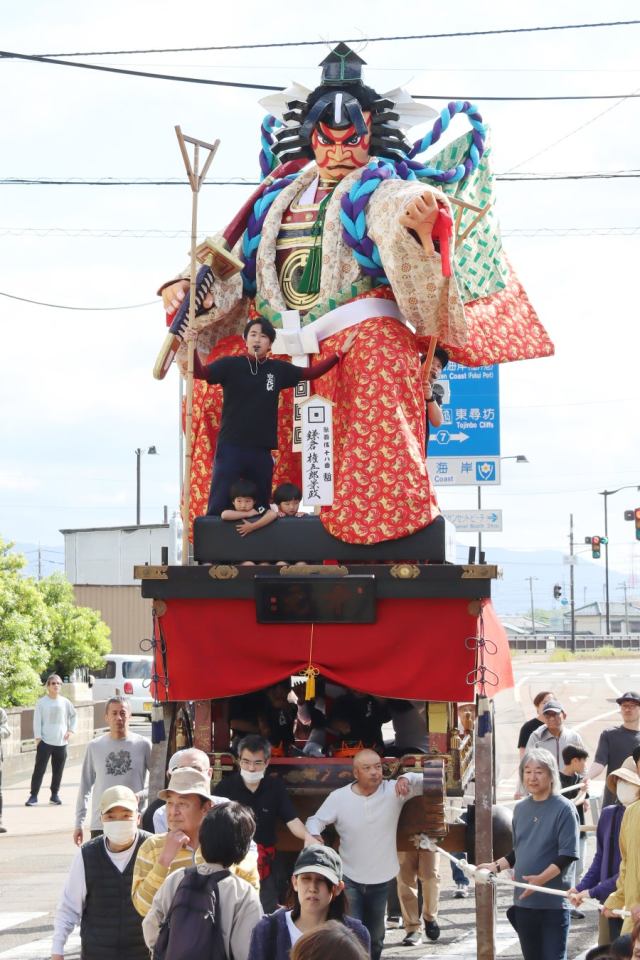
- Craftsmanship and Engineering: Analyzing the construction methods that allow six-meter-tall structures to navigate tight urban corners.
- Aural Traditions: Cataloging the specific musical accompaniments and rhythmic chants unique to the different districts of the city.
- The "Ephemeral" Paradox: A primary goal of the investigation is to address the cultural mystery of why these elaborate, high-cost floats are traditionally destroyed or dismantled at the conclusion of the festival. By investigating this ritualistic destruction, the committee hopes to understand the philosophical and religious roots of the practice.
Governmental funding for this study is a landmark decision, marking the first time such an extensive, state-backed analysis has been directed at the festival. A formal, comprehensive report is expected to be published in 2029, which will likely serve as a definitive guide for the preservation of this intangible cultural heritage for generations to come.
Logistics and Spectator Experience
Recognizing the growing international interest in the festival, organizers have introduced a "premium experience" for the 2026 event. For the first time, a special seated viewing area has been constructed at the Echizen Railway’s Mikuni Station plaza.
Designed to maximize sightlines for the procession, the tiered seating arrangement offers four distinct levels, with the highest platform reaching 1.8 meters. This setup allows spectators to view the six floats in succession as they navigate the busy station intersection. Tickets are priced at 5,000 yen ($31.55 USD) for advance purchases and 6,000 yen for same-day tickets. Given the limited capacity of 40 seats, the municipality is encouraging international visitors to contact the Mikuni Community Center via email at [email protected] or by phone at (+81) 0776-82-6400 as early as possible.
Implications: Beyond the Pageantry
The implications of this year’s festival go far beyond the aesthetic. By inviting academic rigor into the fold, Sakai is signaling that it views the Mikuni Festival as a vital asset in the preservation of Japanese national identity.
The inclusion of characters like Taira no Tomomori—famous for his dramatic demise at the Battle of Dan-no-Ura—and the historical reenactment of the Naganori Asano incident, which catalyzed the legend of the 47 Ronin, demonstrates the festival’s commitment to historical literacy. These floats do not just provide entertainment; they provide a visual syllabus for the history of the samurai class, teaching observers about the codes of honor, sacrifice, and the volatility of power that defined the Edo period.
Furthermore, the integration of local tourism and regional industry—such as the promotion of traditional sasazuke preserved fish—highlights a holistic approach to regional revitalization. The city is leveraging its cultural heritage to drive economic growth, ensuring that the younger generations of Sakai see value in maintaining these labor-intensive traditions.
A Cultural Synthesis
The Mikuni Festival remains a testament to the resilience of Japanese folklore. In an era increasingly dominated by digital media and fleeting trends, the sight of six-meter-tall wooden samurai moving through the streets of a modern city is a jarring, beautiful reminder of the past.
As the 2026 festivities approach, the air in Sakai is thick with the anticipation of drummers, the creak of massive wheels on asphalt, and the watchful, painted eyes of the legendary figures towering above the crowds. Whether one is a dedicated student of samurai history, a lover of traditional performing arts, or a traveler seeking the authentic flavors of the Hokuriku coast, the Mikuni Festival offers an immersive window into a world that, while three centuries old, feels as vital and dangerous as the day it was born.
As the investigative committee begins its work, the festival will likely undergo a transition from a local celebration to a nationally recognized case study in cultural anthropology. For now, however, the primary mission remains unchanged: to honor the spirits of the past, to celebrate the craftsmanship of the present, and to ensure that the echoes of the samurai continue to resonate through the streets of Sakai for centuries to come.












No comments yet. Be the first to join the conversation!