By Shane Limbaugh | Published June 29, 2026
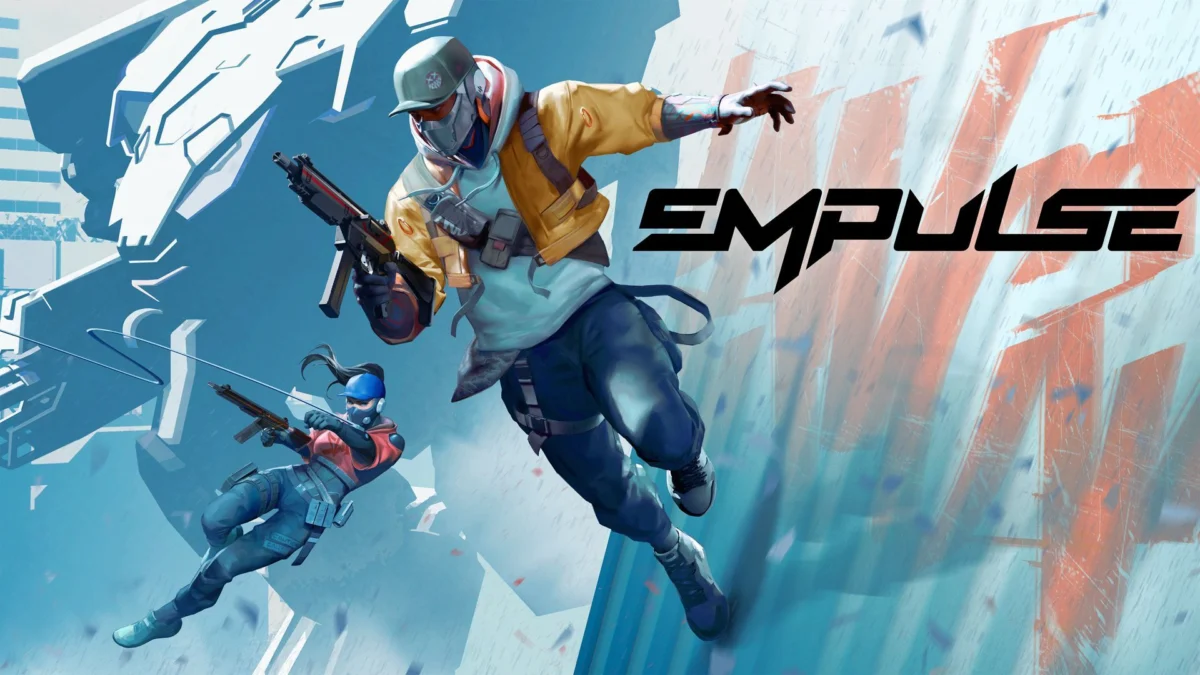
In the competitive landscape of modern first-person shooters, the "movement shooter" sub-genre has long been a coveted crown. From the adrenaline-fueled wall-running of Titanfall 2 to the tactical slide-and-shoot mechanics of Apex Legends, players are constantly searching for that perfect intersection of speed, precision, and fluidity. Enter Empulse, the latest project from 1047—the studio famously responsible for the portal-bending hit Splitgate.
As Empulse enters its Early Access phase, it arrives with a pedigree of high-octane pedigree and a set of mechanics designed to get players hooked from the first jump. However, after spending significant time with both the Steam Next Fest demo and the opening days of the Early Access period, it is clear that while the game possesses a solid mechanical foundation, it is currently a title struggling to find its own identity amidst a crowded market.
The Core Gameplay: A Kinetic Playground
At its heart, Empulse is a return to the roots of the arena shooter, albeit with a modern, fast-paced twist. Unlike many contemporary battle royales that prioritize long-range engagement and resource management, Empulse strips away the excess. You choose a loadout, drop into a map, and are immediately tasked with mastering the environment.
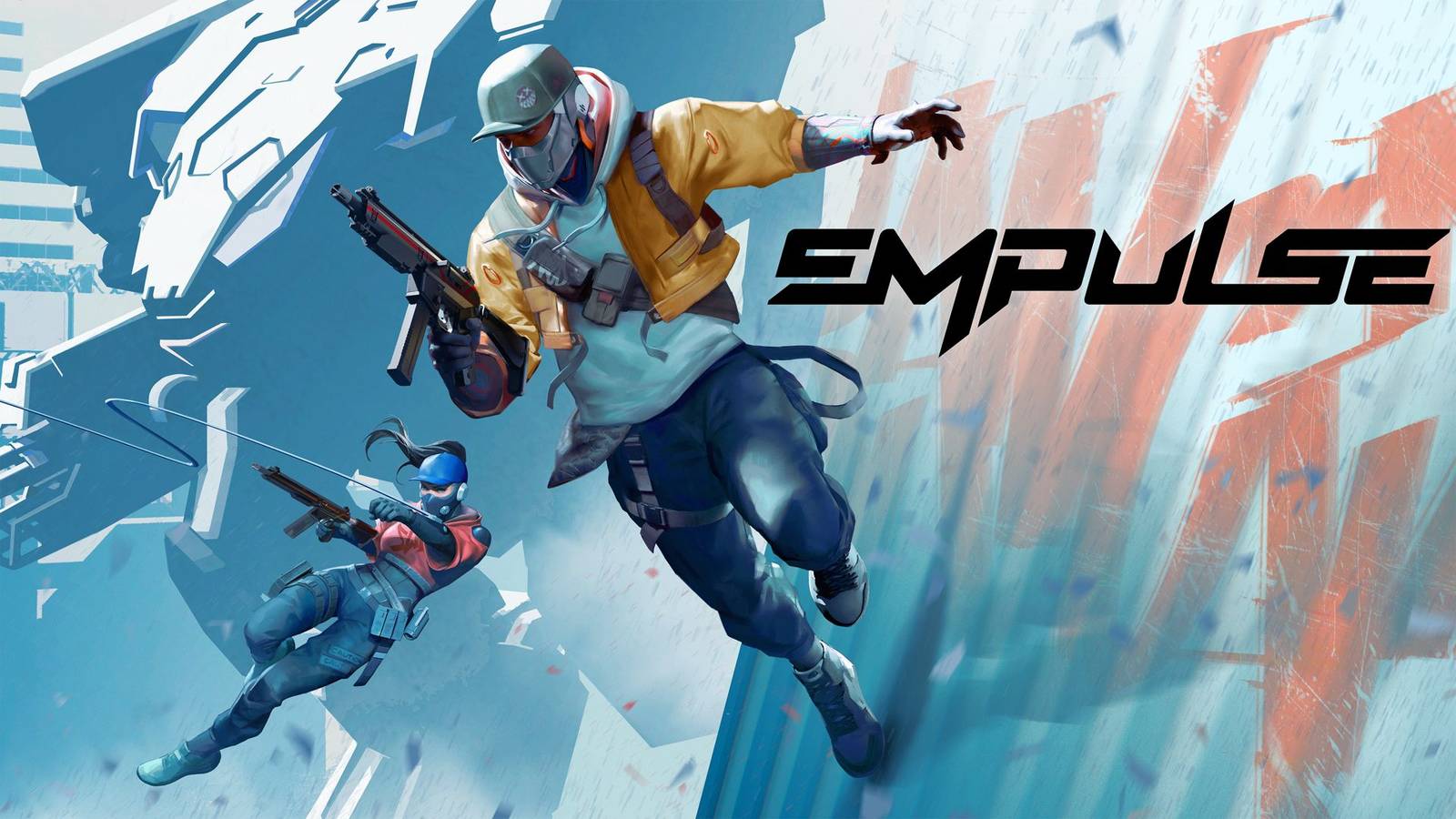
The movement system is undeniably the game’s "hook." Players are encouraged to chain wall runs, grapple across gaps, and maintain momentum through rhythmic traversal. The game leans into an "easy to learn, difficult to master" philosophy. For the casual player, reaching top speed is remarkably intuitive—an intentional design choice that lowers the skill floor significantly compared to the high-friction, complex movement found in titles like Titanfall 2. While some hardcore veterans might view this accessibility as a dilution of the skill gap, it creates a welcoming environment for newcomers to feel like a "speedy bringer of death" within minutes of picking up the controller.
Combat is punctuated by the use of "PAINT bombs." Replacing traditional grenades, these utility items offer varied tactical applications—from area-of-effect damage and speed boosts to crowd-control effects that pin enemies in place. This adds a layer of flexibility to the loadouts, allowing players to tailor their approach to combat based on their preferred playstyle.
Chronology: From Concept to Early Access
The development of Empulse by 1047 has been closely watched by the FPS community. Following the success of Splitgate, expectations for the studio’s next endeavor were sky-high.
- Initial Reveal: The studio teased a shift toward a more focused, movement-centric arena shooter, aiming to blend the high-speed thrills of classic shooters with modern QoL (Quality of Life) features.
- Steam Next Fest: The release of a free, playable demo provided the public with their first look at the movement mechanics. The consensus was largely positive regarding the "feel" of the game, though concerns regarding content depth were raised early.
- Early Access Launch (June 2026): The game officially hit Steam’s Early Access. While the concurrent player counts have not yet reached the stratospheric heights of industry giants, the game has established a dedicated, albeit modest, community.
The "Mech" Factor and Tactical Depth
A defining feature of Empulse is the inclusion of Mechs. Periodically throughout a match, two mechs spawn on the battlefield. These serve as the game’s primary "power weapons," intended to provide a tide-turning moment for whichever team manages to secure them.

However, in its current state, the implementation of these mechs feels disjointed. During my time with the game, I found them to be surprisingly fragile and, at times, boring to pilot. Because the maps currently lack the scale or complex verticality to justify the size and power of these machines, they often feel like an afterthought. They lack the player agency one would expect; you cannot customize your mech, nor do they currently influence the flow of the match as significantly as a power-up should. 1047 has acknowledged this feedback, and while they are actively iterating on the mechanic, the issue appears to be fundamental to the map design rather than just a balance tweak.
The Identity Crisis: Where is the World of Freehold?
Perhaps the most glaring issue with Empulse is its lack of narrative and aesthetic cohesion. The game’s lore is surprisingly rich on paper: the setting of "Freehold" was once under the thumb of an emotion-suppressing AI known as NAOMI. After an EMP pulse liberated the populace, two factions—the Loyalists and the Unbound—emerged, hiring "Lancers" (the players) to fight for dominance.
Yet, when you step onto the battlefield, this lore is entirely absent. The maps feel sterile, generic, and devoid of visual storytelling. In Titanfall, every map felt like a lived-in environment where the war had left tangible scars. In Empulse, you could replace every asset with simple gray boxes and the gameplay loop would remain virtually identical. The lack of environmental personality makes it difficult to form a connection with the game world, leaving the player with a "hollow" feeling that no amount of smooth movement can entirely fix.
Supporting Data and Player Sentiment
While the mechanical feel is high-tier, the "stickiness" of the game remains a point of contention. In an era where "Live Service" is the industry standard, players demand depth. Currently, Empulse lacks the "tug-of-war" tension found in games like Call of Duty or Valorant, where loadout choices, map control, and team synergy feel like they have weight.
The guns, while distinct in their stats, often feel like they are used in the same, repetitive way. Because the maps don’t force players to adapt to different scenarios, the gameplay can quickly devolve into a repetitive cycle of wall-running and shooting without the strategic variety that keeps players engaged for thousands of hours.
Official Responses and Studio Vision
1047 has been transparent about the Early Access nature of Empulse. In various community updates, the developers have emphasized that the current build is a "starting point." They are actively soliciting feedback on:
- Map Design: Evaluating whether to increase map size or verticality to better accommodate Mechs and diverse playstyles.
- Mech Utility: Exploring ways to give players more agency over their mech loadouts.
- Visual Identity: Improving the environmental storytelling to ensure the lore of Freehold is reflected in the game’s aesthetic.
The studio’s commitment to iterating based on player feedback is a positive sign, but they face a race against time. In the gaming industry, first impressions are vital, and even with a "fun" core, a game must offer enough depth to retain a player base in the long term.
Implications: The Road Ahead
Can Empulse evolve from a fun, high-speed movement demo into a titan of the FPS genre? The potential is certainly there. The movement system is arguably the most satisfying in recent memory, and 1047 has the pedigree to pull off a significant overhaul.
However, the implications for the game’s future are clear:
- The "Fun" vs. "Depth" Balance: Being fun to play is not the same as being a great game. Empulse needs to introduce systems that provide long-term engagement—whether that be more complex map objectives, deeper customization, or a more immersive world-building approach.
- Standing Out: In a world where players are spoiled for choice, "good enough" is rarely enough to survive. Empulse needs a "killer feature" beyond just its movement to distinguish itself from the competition.
- Player Retention: If the studio cannot address the feeling of "sameness" in the current maps, they risk losing the interest of the casual player base, which is the very audience they are currently courting.
Conclusion
Empulse is a game of two halves. On one hand, it offers a visceral, high-velocity movement experience that is arguably best-in-class. On the other, it suffers from a lack of identity and depth that prevents it from reaching its true potential.
For now, I recommend Empulse to anyone who loves the feeling of pure movement and wants to support a studio that is clearly listening to its community. It is a blast to play in short bursts, and the "flow state" is undeniably addictive. But if you are looking for a deep, lore-rich, and strategically complex shooter, you may want to keep an eye on the development roadmap before fully committing. 1047 has the tools to make something special here; the question remains whether they have the vision to turn this fast-paced skeleton into a living, breathing world.