

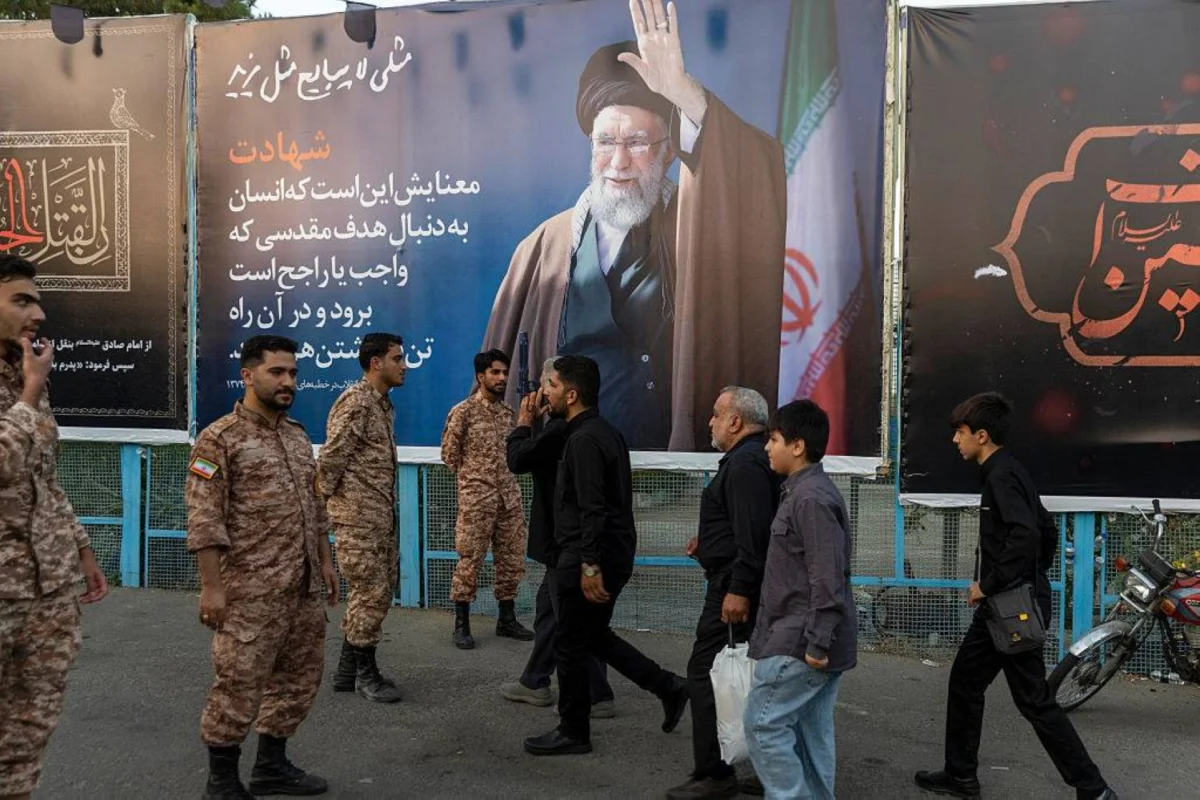
TEHRAN/WASHINGTON — The fragile stability of the Middle East fractured further this weekend as the United States launched its third military strike against Iranian-linked targets in a single week. The move, which represents a significant escalation in ongoing regional hostilities, has triggered a cascade of retaliatory drone and missile strikes across five Arab nations, plunging global shipping markets into a state of acute uncertainty regarding the status of the Strait of Hormuz.
The rapid-fire exchange has transformed simmering geopolitical tensions into an active, multi-front confrontation, forcing international powers to scramble for diplomatic de-escalation while military commands remain on high alert.
The Chronology of Conflict: A Week of Unraveling
The current surge in hostilities is the culmination of months of deteriorating relations between Washington and Tehran. While the region has long been a theater for proxy conflicts, the intensity of the past seven days marks a departure from the "shadow war" tactics that have characterized U.S.-Iran interactions for years.
- Monday, July 7: Following a series of intelligence reports suggesting Iranian preparations for localized maritime harassment, U.S. forces conducted an initial "preemptive" strike on command-and-control infrastructure within Iranian borders.
- Wednesday, July 9: A second round of U.S. strikes targeted logistical hubs and drone assembly facilities, which Washington claimed were being utilized to destabilize regional trade routes.
- Saturday, July 12: The third and most significant U.S. strike was initiated, focusing on hardened targets that military analysts suggest were intended to neutralize Tehran’s capacity for rapid regional projection.
- Sunday, July 13: In a coordinated response, Iranian proxies and military units launched a wide-reaching barrage of drone and missile attacks targeting U.S. interests in Kuwait, Jordan, and Qatar. While casualties remained low, the sheer geographic breadth of the response indicates a sophisticated command structure.
The Strait of Hormuz: A Global Economic Chokepoint
The most critical flashpoint in this confrontation is the Strait of Hormuz, a narrow waterway that serves as the primary artery for global energy transit. Roughly 20% of the world’s total petroleum consumption passes through this strait, making its accessibility a matter of existential importance for the global economy.
Early Sunday, Iranian state media issued a declarative statement: the Strait of Hormuz was officially closed to all maritime traffic "until further notice." This proclamation sent shockwaves through energy markets, with oil futures spiking in early trading as investors priced in the risk of a prolonged blockade.
However, the reality on the ground—or rather, on the water—remains contested. U.S. Central Command (CENTCOM) quickly issued a rebuttal, maintaining that the waterway remains open and that U.S. naval assets are actively patrolling the area to guarantee the freedom of navigation.
"The attempt by the Iranian regime to weaponize international transit corridors is a violation of international law," a Pentagon spokesperson stated. "We remain fully prepared to defend the right of all vessels to pass through the Strait."
Adding to the confusion, the Joint Maritime Information Center (JMIC) reported that while the situation is fluid and high-risk, commercial vessels were still successfully transiting the southern route of the strait as of late Sunday afternoon.
Supporting Data: Regional Impact and Military Posture
The operational scope of the recent Iranian retaliation highlights a significant shift in regional warfare. By striking targets in Kuwait, Jordan, and Qatar simultaneously, Tehran has signaled that its reach is no longer confined to the immediate vicinity of the Persian Gulf.
Casualty and Damage Assessment
Initial reports from the affected nations suggest that the strikes were largely precision-targeted rather than indiscriminate.
- Kuwait: Minor damage to infrastructure near a logistics hub; no casualties reported.
- Jordan: Interception of incoming projectiles resulted in debris falling in unpopulated areas.
- Qatar: Slight damage to a peripheral military installation, but no impact on core operations or personnel.
While the "minor damage" report provides a temporary reprieve from total war, military analysts warn that the intent behind these strikes is more concerning than the physical outcome. By demonstrating the capability to hit multiple U.S. bases simultaneously, Iran is attempting to enforce a "red line" regarding U.S. incursions into its territory.

Official Responses: A War of Words
The diplomatic sphere is currently a flurry of conflicting narratives, as both Washington and Tehran attempt to frame the narrative for the international community.
The U.S. Perspective
Washington’s rhetoric centers on "defensive necessity." The White House argues that the U.S. strikes were not an act of aggression but a mandatory response to Iranian provocations and threats against maritime safety. Senior officials have emphasized that the U.S. does not seek a wider war, but will not allow the Iranian regime to hold the global economy hostage through the closure of international waterways.
The Iranian Perspective
Tehran, conversely, has framed the conflict as a struggle against "Western imperialism" and "illegal aggression." Iranian officials argue that the U.S. presence in the region is the sole source of instability. The closure of the strait, according to Iranian state spokespeople, is a sovereign right exercised in response to what they describe as "unprovoked military incursions" by the United States.
Geopolitical Implications: What Happens Next?
The current impasse presents the international community with several precarious scenarios.
1. The Economic Domino Effect
If the Strait of Hormuz remains contested, the global insurance industry may impose "war risk" premiums on all shipping in the Gulf. This would result in a massive increase in the cost of energy and consumer goods, potentially fueling global inflation. The dependency of Asian and European markets on Gulf oil makes this a matter of immediate concern for leaders in Tokyo, Brussels, and beyond.
2. The Risk of Miscalculation
In a climate where drones and missiles are flying across borders, the margin for error is razor-thin. A "minor" strike hitting a civilian vessel or an accidental strike on a population center could lead to a rapid escalation that neither Washington nor Tehran originally intended. The lack of a direct "hotline" for crisis management between the two nations increases the likelihood of a catastrophic misinterpretation of intentions.
3. The Role of Regional Mediators
Countries that maintain diplomatic ties with both the U.S. and Iran—such as Oman and Qatar—are under immense pressure to act as intermediaries. However, the current intensity of the rhetoric makes traditional diplomacy difficult. Most analysts agree that a "cooling off" period is unlikely until both sides feel they have achieved a measure of deterrence.
Conclusion: The Long Road Ahead
As the sun sets over Tehran and the U.S. Navy maintains its posture in the Gulf, the world watches with bated breath. The events of this week have shattered the illusion that the status quo in the Middle East could be maintained indefinitely.
Whether this conflict de-escalates into a renewed diplomatic dialogue or spirals into a wider, systemic war depends on the restraint shown in the coming hours. For now, the Strait of Hormuz—the world’s most important maritime chokepoint—remains open, but it is a peace held together by the thin veneer of conflicting press releases and the constant presence of naval warships.
The international community now faces a critical juncture. Without clear, decisive diplomatic intervention, the cycle of strike and counter-strike risks transforming into a regional conflagration that will reshape global politics, energy markets, and the security architecture of the Middle East for years to come.
As the situation continues to evolve, we will provide ongoing updates on the status of shipping lanes, diplomatic breakthroughs, and the military developments on the ground.











