

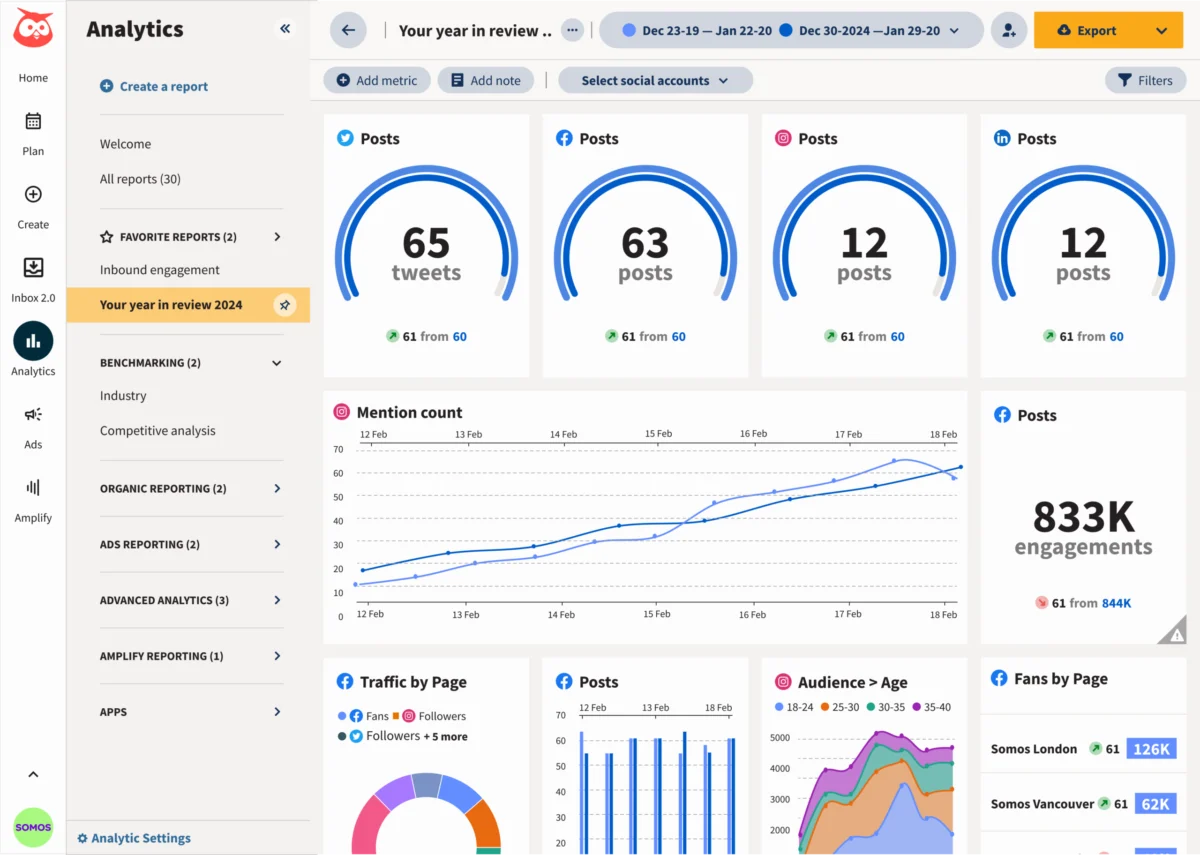
In an era where the average consumer spends over two hours daily navigating the digital landscape, the sheer volume of conversation occurring online has become the most valuable commodity in business intelligence. For modern enterprises, social media is no longer just a megaphone for broadcasting advertisements; it is a sprawling, real-time focus group. Enter "social listening"—the sophisticated practice of monitoring, analyzing, and acting upon the digital signals emitted by your audience, competitors, and industry at large.
As we move through 2025 and look toward 2026, social listening has evolved from a simple vanity metric check into a cornerstone of strategic decision-making. By moving beyond surface-level monitoring, brands can now translate raw, unstructured chatter into precise, actionable business value.

The Core Anatomy of Social Listening
At its most fundamental level, social listening is the systematic process of gathering data from social platforms, forums, blogs, and podcasts to understand the sentiment behind the words. While traditional market research relies on surveys that can take weeks to compile, social listening provides a constant, live stream of consumer perception.
The lifecycle of a successful social listening program follows four distinct stages:

- Monitoring: The collection of mentions, hashtags, and keywords.
- Analysis: The application of AI to identify patterns and sentiment.
- Insights: The extraction of "why" a trend is occurring.
- Action: The routing of that information to the specific department—be it product engineering, PR, or customer success—best equipped to respond.
Distinguishing Between Monitoring and Listening
A common point of confusion for emerging digital teams is the distinction between "social monitoring" and "social listening." While the terms are often used interchangeably, they serve different functions within an organization.
Social Monitoring is essentially reactive. It focuses on the what: identifying a customer complaint, a direct mention, or a tagged photo, and responding to it promptly. It is the frontline of customer service and community management.
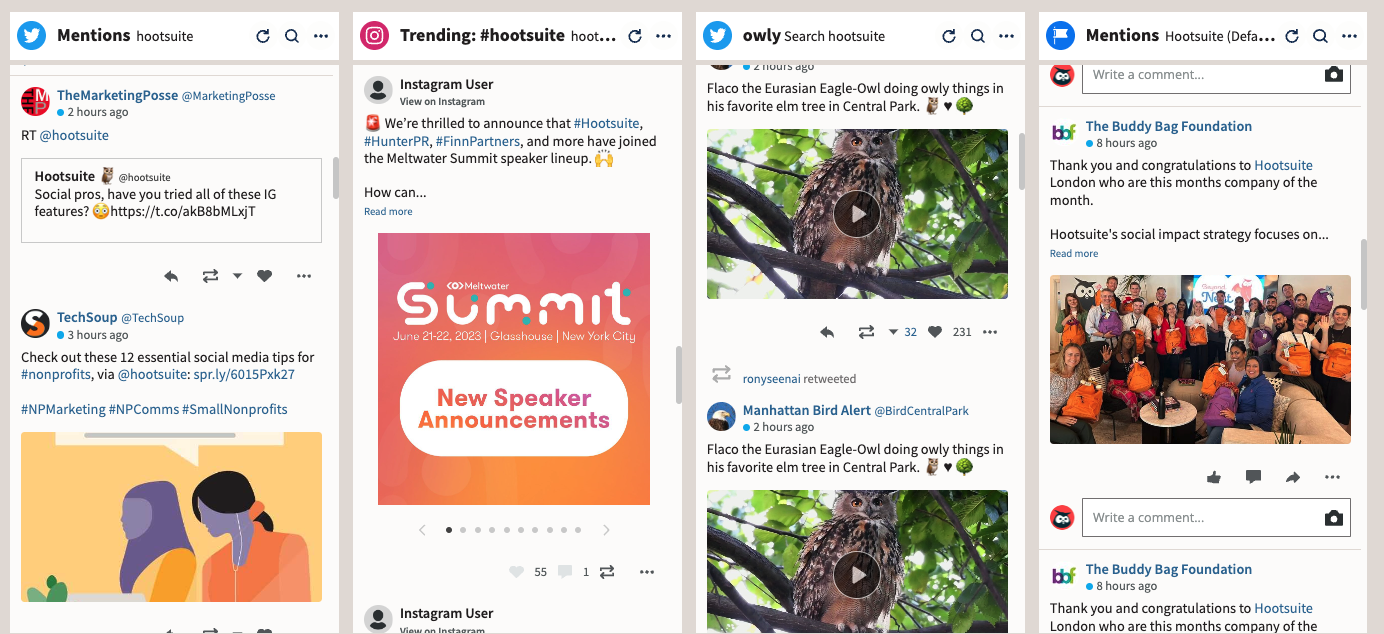
Social Listening, by contrast, is proactive and strategic. It focuses on the why. If monitoring is the act of putting out a fire, listening is the act of studying the weather patterns to prevent the fire from starting in the first place. It aggregates data to identify shifts in market sentiment, emerging cultural trends, and competitor weaknesses, allowing for long-term strategic adjustments.
The Strategic Importance for Modern Brands
Why should an enterprise prioritize social listening in the current market? The answer lies in the velocity of change. Customer preferences are no longer static; they are fluid, influenced by viral trends and real-time cultural shifts.
1. Navigating Crisis and Reputation
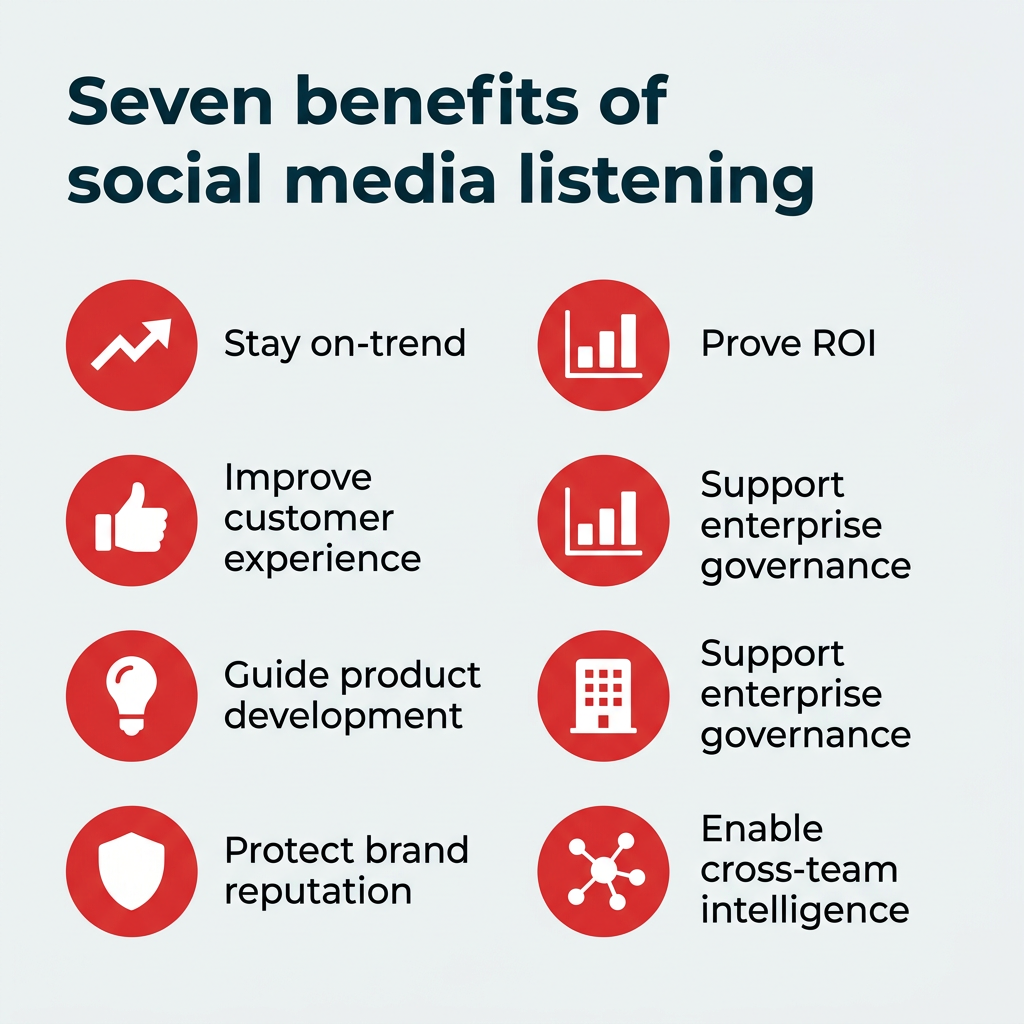
When negative sentiment spikes—perhaps due to a product defect or a PR misstep—social listening acts as an early warning system. By identifying the "slow burn" of a narrative before it reaches the mainstream media, brands can pivot their messaging, release corrective statements, or offer proactive solutions, effectively curbing a crisis before it escalates.
2. Product Development and Innovation
The most powerful product roadmap is often one written by the customers themselves. By tracking recurring keywords related to "slow loading times," "missing features," or "difficult interfaces," brands can provide engineering teams with empirical evidence of what needs to be fixed. This turns the social media manager from a community moderator into a product consultant.
3. Competitive Intelligence
Social listening allows you to peer over the fence at your competitors. By monitoring their brand mentions alongside your own, you gain a clear view of your "share of voice." More importantly, you can identify their common pain points. If users are consistently complaining about a competitor’s lack of support or a specific recurring bug, your brand can tailor its marketing messaging to position itself as the superior alternative.
The Role of AI in Scaling Insights
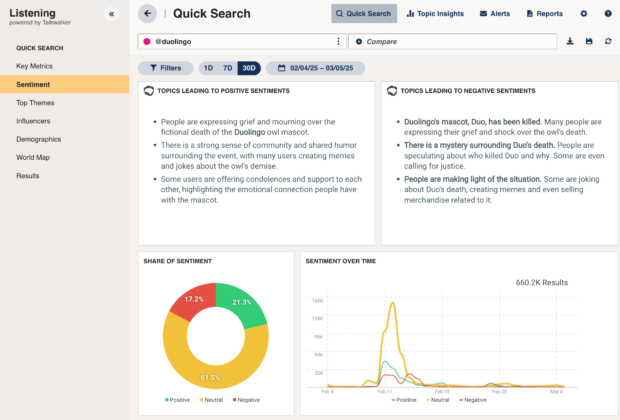
The exponential growth of data volume has made manual social media tracking impossible. Today, AI-powered tools act as the primary engine for social listening. Modern platforms, such as Hootsuite’s integration with Talkwalker, use machine learning to perform sentiment analysis at scale.
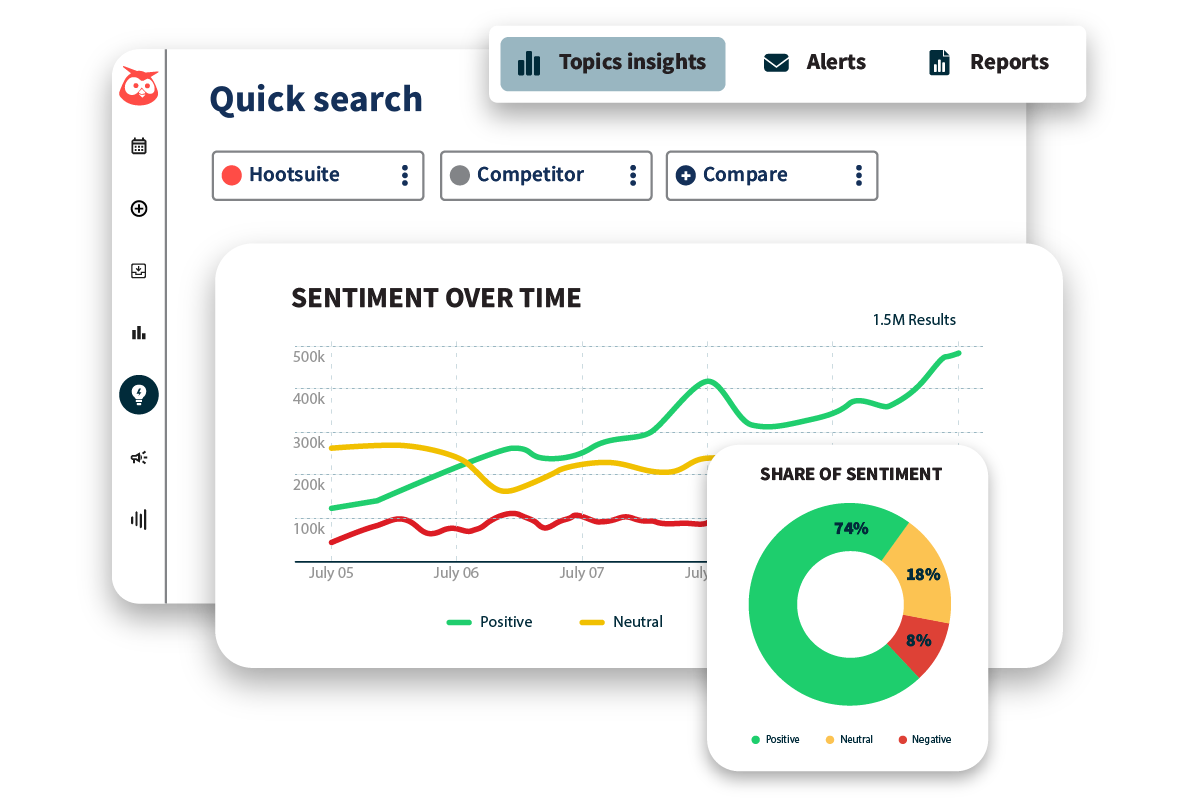
These tools can categorize thousands of mentions across multiple languages in seconds, distinguishing between sarcasm, genuine frustration, and positive brand advocacy. By automating the data processing, AI allows human analysts to move away from "data gathering" and into "data synthesis." The technology does the heavy lifting, identifying the spikes and the trends, while the human team provides the contextual judgment required to execute a business strategy.
A Chronology of Implementation: Five Steps to Success
To build a world-class social listening program, organizations must follow a structured, disciplined approach:
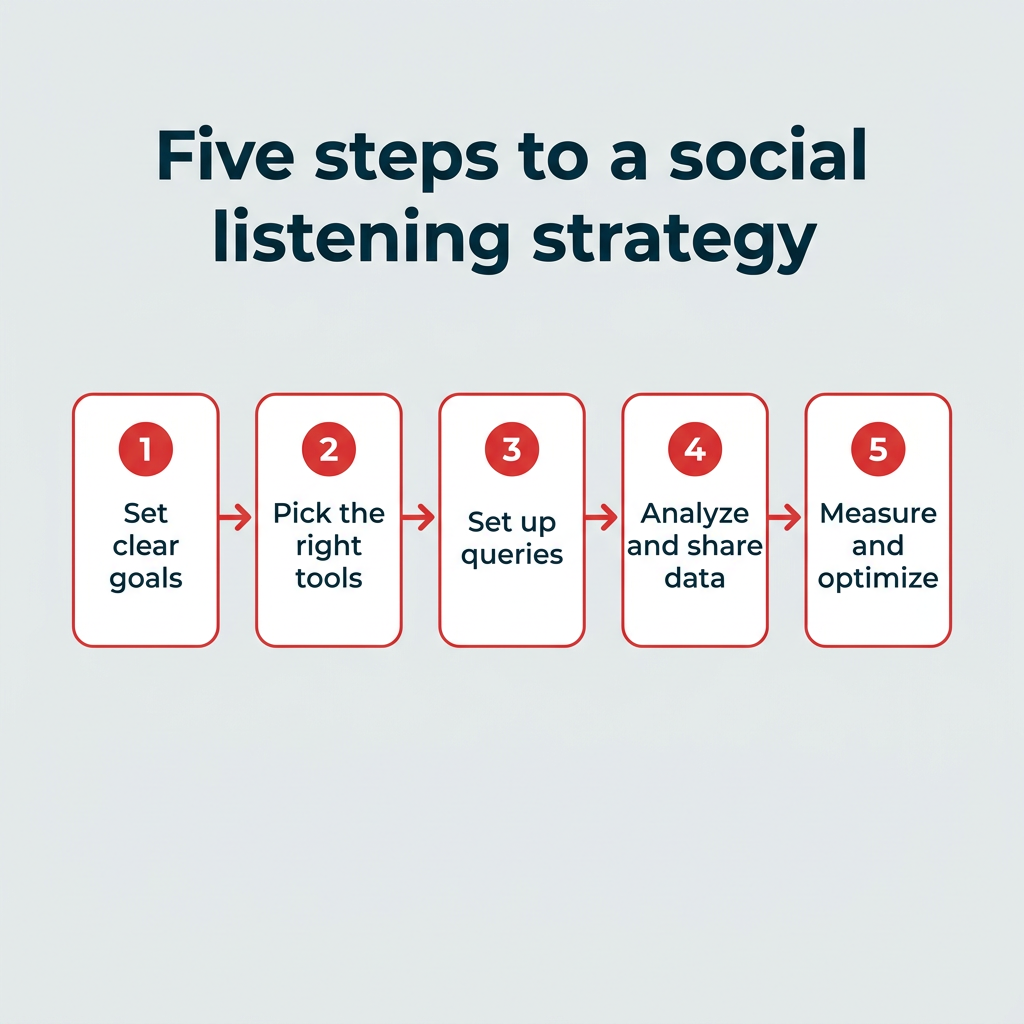
Phase 1: Defining the North Star
Before opening a dashboard, define the objective. Are you trying to reduce customer support volume? Are you looking to launch a new product and need to gauge interest? Set SMART goals—specific, measurable, achievable, relevant, and time-bound.
Phase 2: Tool Selection and Integration
Select a platform that scales with your needs. Key criteria should include:
- Data Coverage: Does it monitor the platforms your audience actually uses (e.g., TikTok, Reddit, podcasts)?
- Ease of Use: Can non-technical stakeholders read the dashboards?
- Integration: Can it pipe data directly into your existing CRM or Slack channels?
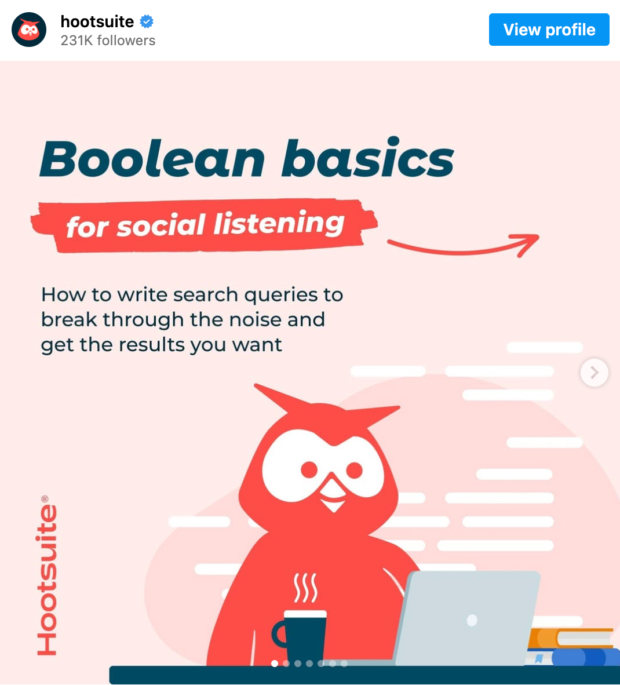
Phase 3: The Art of the Query
The effectiveness of your listening is only as good as your queries. Utilize Boolean logic to ensure precision. Instead of searching for a broad term, use operators (AND, OR, NOT) to filter out noise. For example, a search for a brand name might need to exclude specific stock ticker symbols or unrelated industry jargon to ensure the sentiment results are accurate.
Phase 4: Operationalizing the Data
Information is useless if it stays in a silo. Establish a "communication loop." If a marketing team notices a spike in negative sentiment, that information must reach the customer service and product teams within minutes. A dashboard is only as good as the action it triggers.
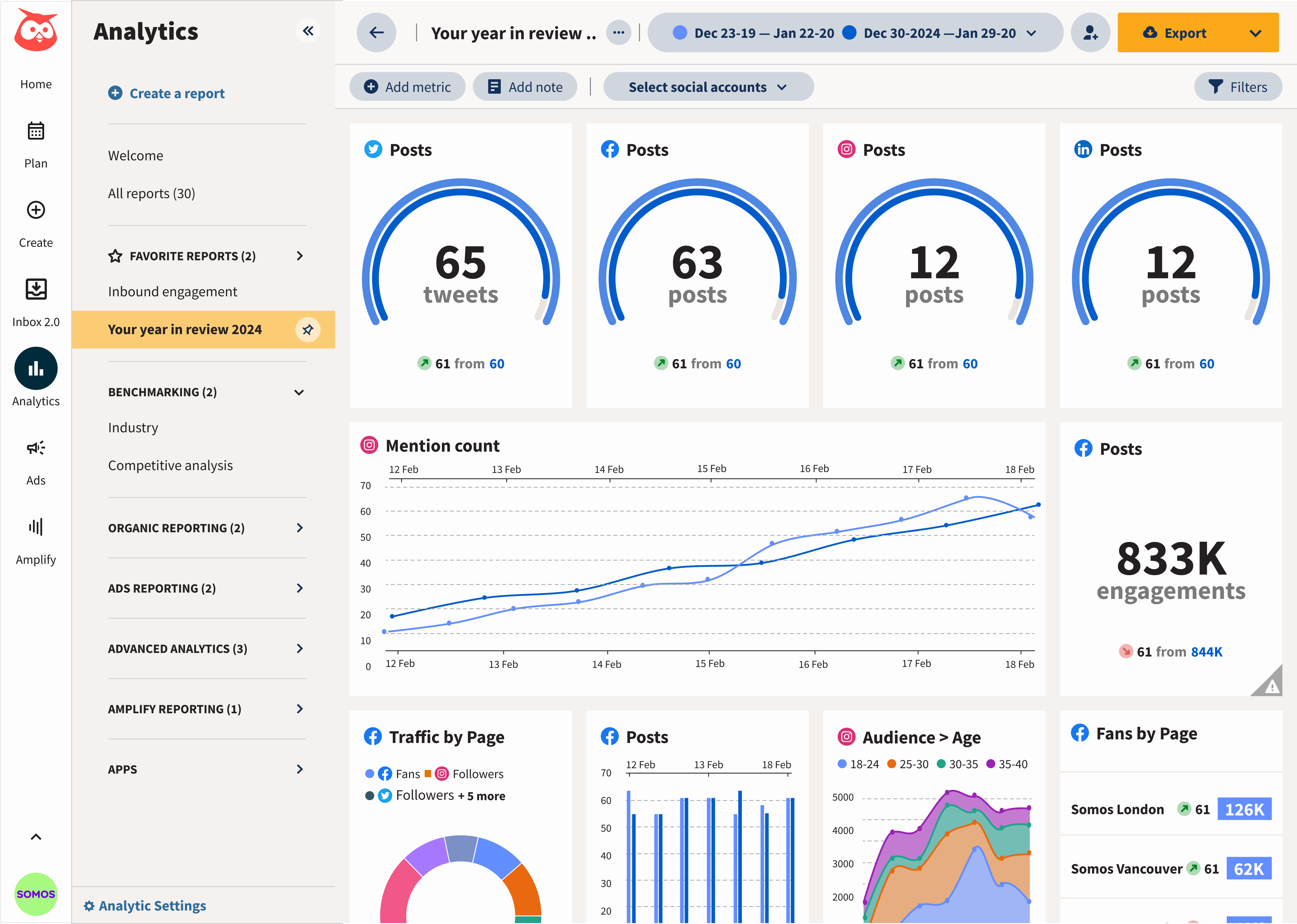
Phase 5: Measurement and Optimization
Review your progress against your initial goals. Use analytics to compare performance over time. Has the response rate improved? Has negative sentiment decreased? Use these metrics to refine your queries and your strategy.
Implications for the C-Suite
For the executive leadership, social listening provides a lens into the "market pulse." When presented in executive-ready dashboards, social listening data can justify R&D budgets, validate rebranding efforts, and provide a clear, real-time metric for "Brand Health."
Brian Wright, a leader in the field at Wells Fargo, has noted that social listening is the ultimate tool for strategic decision-making, particularly in times of organizational change. It removes the guesswork from leadership, providing data-backed confidence for high-stakes decisions.
Future Trends: What Lies Ahead
As we look toward 2029, the social listening market is projected to reach over $16 billion. Several key trends are poised to change the landscape:
- Multimodal Listening: The future is not just text. AI is becoming increasingly capable of "watching" video and "listening" to audio. Soon, brands will be able to analyze sentiment in YouTube videos and TikTok clips with the same ease that we currently analyze Twitter threads.
- The Synthetic Challenge: As AI-generated content (bots, fake reviews, deepfakes) becomes more common, the next generation of listening tools will need to distinguish between human-generated conversation and synthetic noise.
- Predictive Analytics: We are moving from reactive reporting to proactive forecasting. By analyzing current trends, AI will soon be able to predict where the conversation is heading, allowing brands to be first-movers in emerging cultural moments.
Conclusion: The Competitive Advantage of Listening
In an increasingly noisy digital world, the brands that thrive are not necessarily those that shout the loudest, but those that listen the most effectively. Social listening is no longer an optional "nice-to-have" for a social media team; it is a fundamental business capability. By transforming the vast, chaotic stream of social conversation into clear, actionable intelligence, companies can move faster, innovate smarter, and build deeper, more authentic connections with their customers.
As the industry continues to evolve, those who embrace the power of AI-driven, data-backed listening will find themselves with a distinct, durable competitive advantage. The conversation is happening right now—are you listening?












No comments yet. Be the first to join the conversation!