Ammar Sabilarrohman
By Alfredo Federico Robelo | June 18, 2026

Cinema is, by its very nature, an exercise in artifice. From the earliest days of the silver screen, filmmakers have understood that the primary mandate of the medium is to entertain, move, and captivate an audience. However, this commitment to narrative momentum often comes at a steep price: the truth. Whether through the compression of complex timelines, the exaggeration of scientific principles for visual flair, or the wholesale reinvention of historical figures, the gap between "based on a true story" and objective reality is often a canyon.

For historians, scientists, and eagle-eyed enthusiasts, these inaccuracies are more than mere nitpicks; they represent a persistent distortion of our collective understanding. While audiences are generally willing to suspend disbelief for the sake of a compelling arc, some cinematic blunders have become legendary, sparking debates that continue to echo in classrooms, research labs, and online forums.
The Anatomy of Cinematic Distortion
The phenomenon of historical and scientific revisionism in film generally falls into three categories: Compression, Dramatic License, and Mythologizing.
- Compression occurs when filmmakers take years of development and condense them into a matter of days to maintain pacing.
- Dramatic License involves altering the behavior of characters—or even their very existence—to heighten the stakes of a conflict.
- Mythologizing is perhaps the most insidious, as it involves reinforcing popular, albeit incorrect, cultural tropes—such as the "lone genius" trope or the "savage battle" aesthetic—at the expense of nuanced reality.
When we examine the most egregious examples of these trends, a pattern emerges: the truth is almost always sacrificed to ensure that the protagonist’s journey feels more visceral, more personal, or more heroic than it actually was.
A Chronological Breakdown of Notable Inaccuracies
To understand how these distortions manifest across genres, we must look at how specific films have rewritten history and science.

1. The Ancient and Medieval Eras
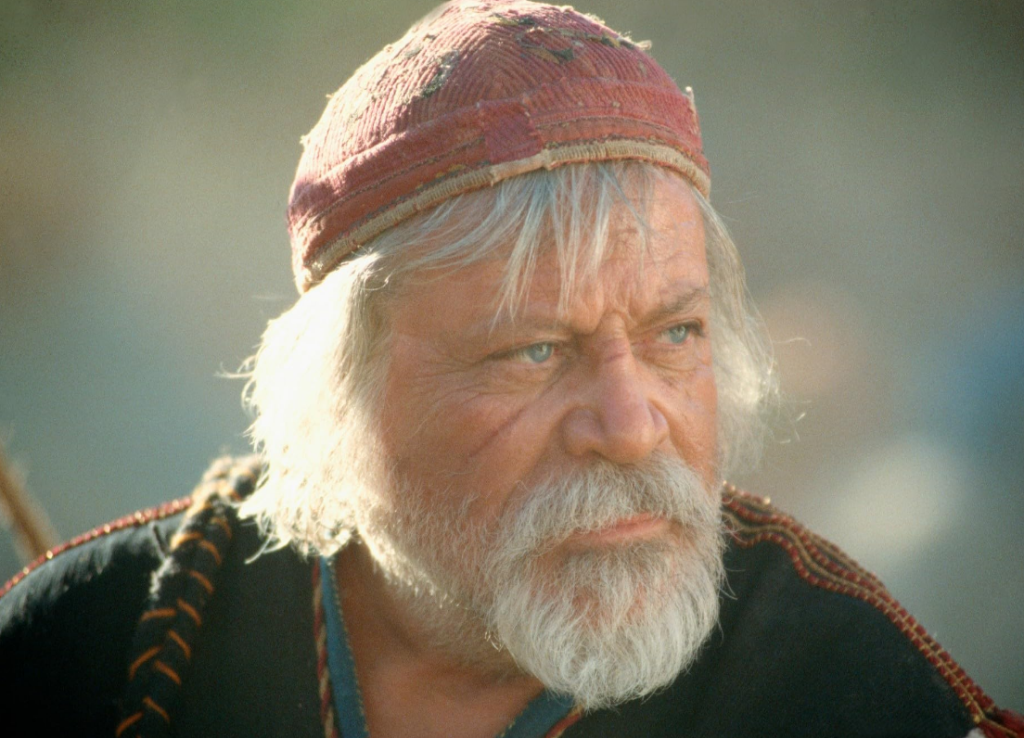
- Gladiator (2000): While Ridley Scott’s epic successfully revived the "sword-and-sandal" genre, it played fast and loose with Roman history. The Emperor Commodus, famously played by Joaquin Phoenix, did not die in the Colosseum, nor did he rule for such a short, turbulent period. Furthermore, the gladiator combat depicted is highly stylized; real Roman arena games were often more bureaucratic and less gladiatorial-heavy than the film suggests.
- Kingdom of Heaven (2005): Ridley Scott appears again on this list for his depiction of Balian of Ibelin. In the film, Balian is a humble, soulful blacksmith who rises to greatness. In reality, the historical Balian was a seasoned, high-ranking nobleman and a sophisticated military tactician. By turning him into an "everyman," the film loses the complex political maneuvering that defined the Crusades.
2. The Age of Revolution and War
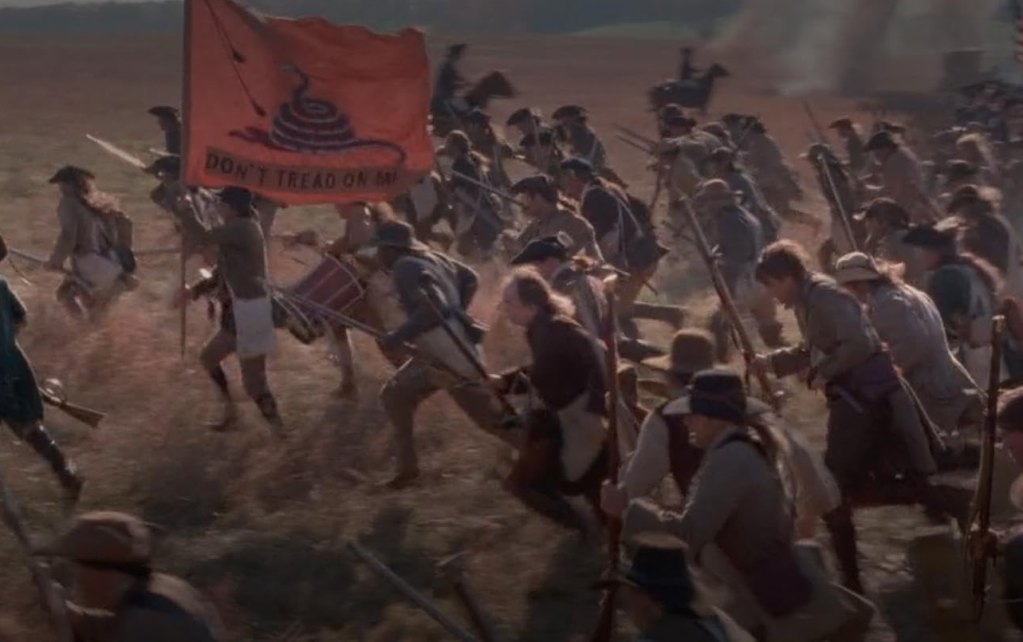
- The Patriot (2000): This film faced significant backlash from historians for its depiction of British soldiers. The atrocities committed by the villainous Colonel Tavington were loosely inspired by various conflicts, but they bore little resemblance to the actual conduct of the British Army during the American Revolution. The film essentially turned the Revolutionary War into a moral fable with clear-cut villains, obscuring the nuanced reality of the conflict.
- Enemy at the Gates (2001): This film helped cement the popular, yet largely debunked, myth that the Soviet Union sent soldiers to the front lines without rifles, expecting them to scavenge weapons from the dead. While the Soviet military was indeed plagued by logistical nightmares and brutal leadership, the "one rifle for two men" trope is a gross simplification of a far more complex military reality.
- U-571 (2000): Perhaps one of the most controversial war films regarding historical accuracy, it depicts American sailors capturing an Enigma machine. The reality is that British naval forces had achieved this feat long before the United States entered the war. The film’s decision to attribute the capture to American forces drew sharp criticism, including public rebuke from British officials.
3. The Modern Era and Scientific Realism
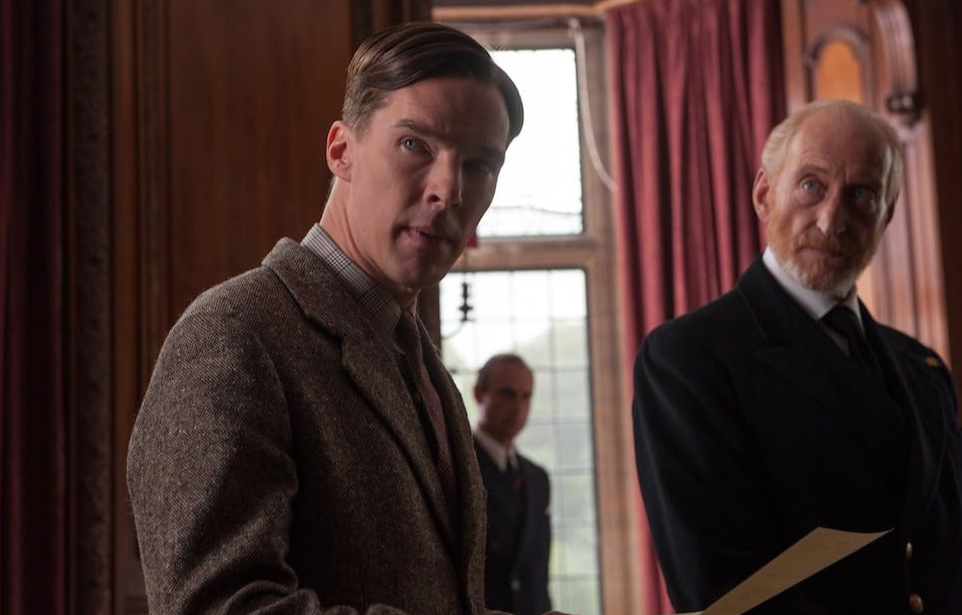
- The Imitation Game (2014): While it brought Alan Turing’s vital work to global attention, the film drew fire from historians for its depiction of Turing as a socially isolated, lone genius who single-handedly cracked the Enigma code. In reality, Bletchley Park was a massive collaborative effort, and Turing’s social struggles were far more nuanced than the "tortured genius" caricature presented on screen.
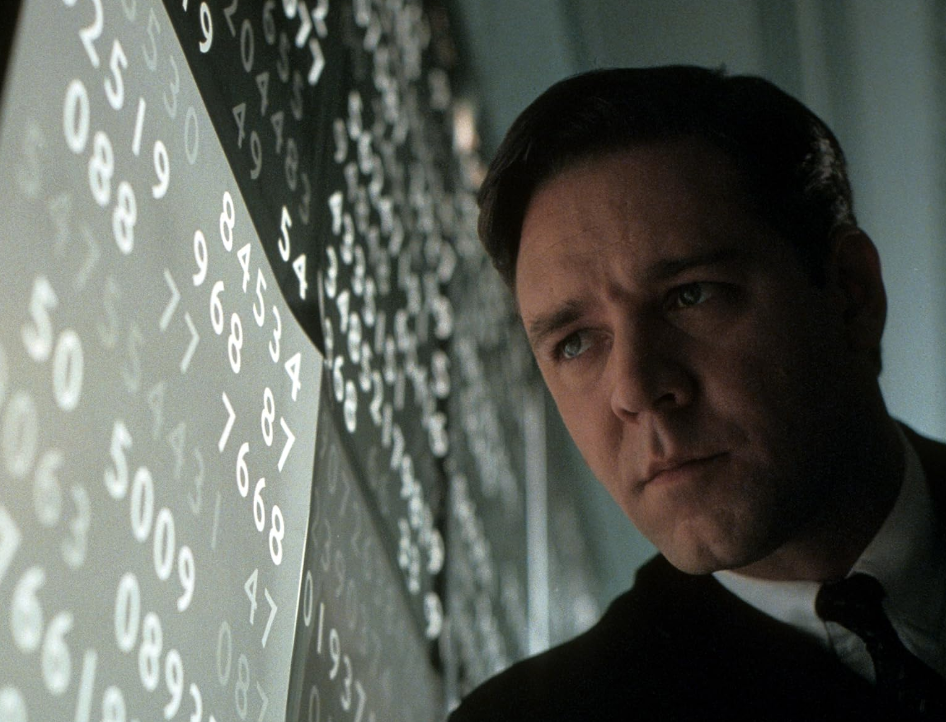
- A Beautiful Mind (2001): The film does an admirable job of humanizing the struggle with schizophrenia, but it takes significant creative liberties with John Nash’s symptoms. His famous visual hallucinations—the people he sees—were largely invented for the screen to provide a cinematic, external representation of an internal, psychological struggle.
- Catch Me If You Can (2002): While based on Frank Abagnale’s autobiography, subsequent investigations by journalists and researchers have cast significant doubt on the veracity of his claims. The film presents his life as a series of high-stakes, glamorous cons, but many of the specific impersonations he claimed to have performed remain unverified or, in some cases, debunked.
4. Science Fiction and Natural History
- Jurassic Park (1993): While revolutionary for its special effects, the film’s "Velociraptors" are biologically inaccurate. Real Velociraptors were roughly the size of a turkey. The filmmakers based the creatures on Deinonychus, a larger raptor species, but chose the name "Velociraptor" because it sounded more menacing.
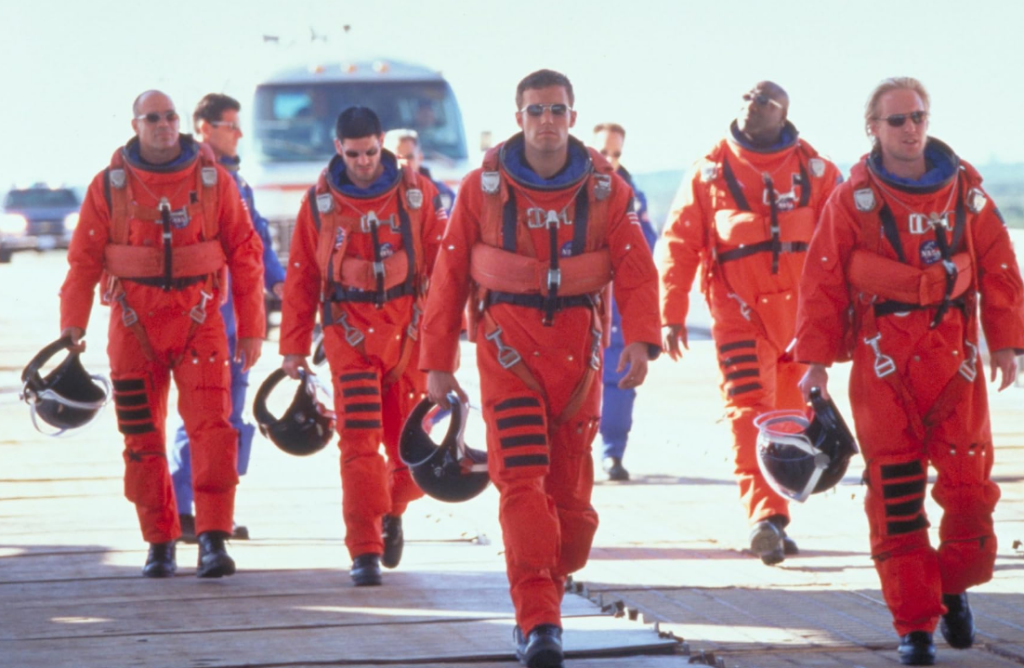
- Armageddon (1998): NASA scientists have long held a running joke about this film: it is easier to teach astronauts to drill than to teach oil drillers to be astronauts. The film’s premise ignores the intense, years-long physiological and technical training required for space flight, opting instead for a "blue-collar hero" narrative.
- Gravity (2013): A visual masterpiece, but a nightmare for orbital mechanics. The film places various space stations and satellites in close proximity for the sake of the plot. In reality, these objects are separated by vast, hundreds-of-kilometers-long orbits, making the film’s "hopping" from one structure to another physically impossible.
The Implications of "Hollywood History"
Does it matter if a film gets the science wrong or shifts a date by a few years? The implications are twofold.
First, there is the "Educational Deficit." For many, movies are the primary source of historical information. When films like The Patriot or Enemy at the Gates present a version of events that prioritizes emotion over fact, they create a cultural narrative that is difficult to correct. Even after historians publish rebuttals, the visceral memory of the film remains, often overriding the dry, academic truth.
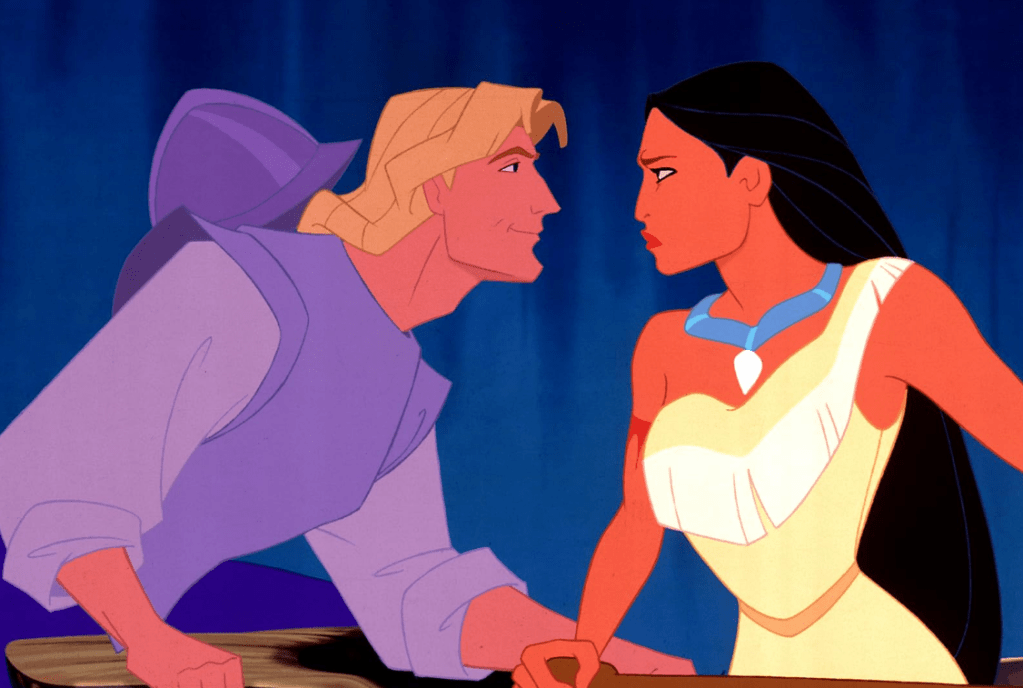
Second, there is the "Devaluation of Realism." When films consistently prioritize spectacle over accuracy, they create a feedback loop. Audiences begin to expect, and eventually demand, that history be altered to satisfy contemporary sensibilities. This puts pressure on future filmmakers to prioritize "cinematic truth" over factual integrity, further distancing our pop culture from our shared history.
Conclusion: A Balanced View
It is not to say that all films must be documentaries. The power of storytelling lies in its ability to condense and simplify, turning abstract concepts into emotional experiences. The Hurt Locker, for example, is criticized by military experts for its depiction of bomb disposal, yet it remains a gripping, visceral look at the psychological toll of war.

The goal should not be to banish creative license, but to encourage a more critical engagement from the audience. As viewers, we should enjoy the spectacle that cinema provides while maintaining a healthy skepticism about the "facts" presented on screen. Hollywood will likely never stop bending reality to fit a three-act structure—but as long as we remain conscious of the difference, we can appreciate the art without falling for the fiction.


 Nana Wu
 Layla Zulfa