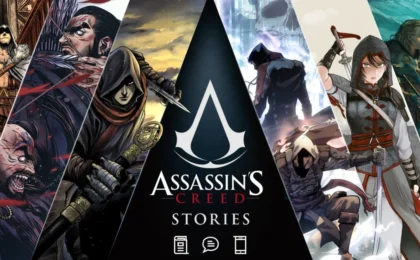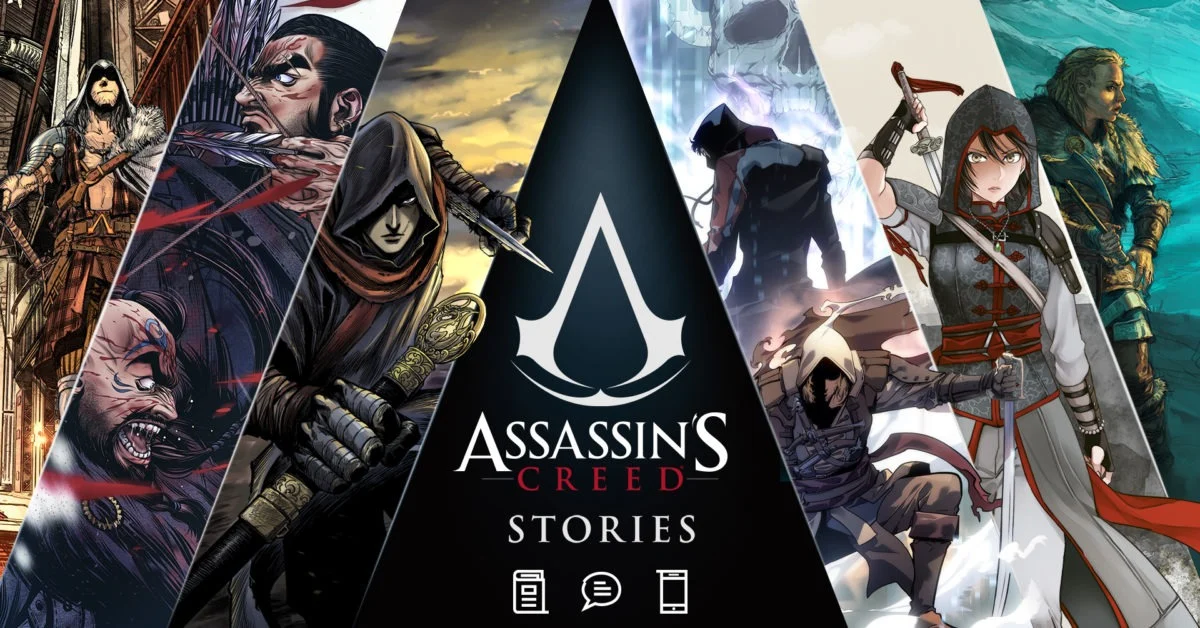
The Assassin’s Creed franchise, a pillar of modern gaming since its debut in 2007, is undergoing a profound metamorphosis. Ubisoft, the powerhouse behind the historical action-adventure series, has officially announced a sweeping strategy to evolve the brand beyond the confines of interactive software. By tapping into the burgeoning markets of YA literature, graphic novels, manhua, webtoons, and immersive audio podcasts, the publisher aims to transform Assassin’s Creed into a truly omnidirectional transmedia universe.
This shift marks a departure from the traditional model of game-first, tie-in-later media. Instead, Ubisoft is curating a diverse library of narratives designed to cater to international markets, specifically leveraging partnerships with creators in China, Japan, and Korea to ensure that the lore feels culturally authentic and globally resonant.
A New Categorization for an Expanding Universe
To manage the breadth of this content, Ubisoft has streamlined its publishing roadmap into three distinct pillars, each serving a different segment of the fan base:
- Classics: These represent direct, faithful adaptations of the narratives found within the video game titles, designed for fans who wish to revisit their favorite digital adventures in a traditional reading format.
- Chronicles: These projects feature iconic Assassins from the franchise’s history, providing deep-dive explorations into the lives of established characters and filling the gaps between game installments.
- Originals: Perhaps the most ambitious tier, these works introduce entirely new protagonists, settings, and time periods, broadening the Assassin’s Creed lore to corners of history that have yet to be touched by the game series.
The 2021-2022 Roadmap: A Breakdown of Upcoming Releases
Ubisoft’s aggressive rollout strategy for the coming years is already in motion. Below is a comprehensive look at the titles currently on the production docket.
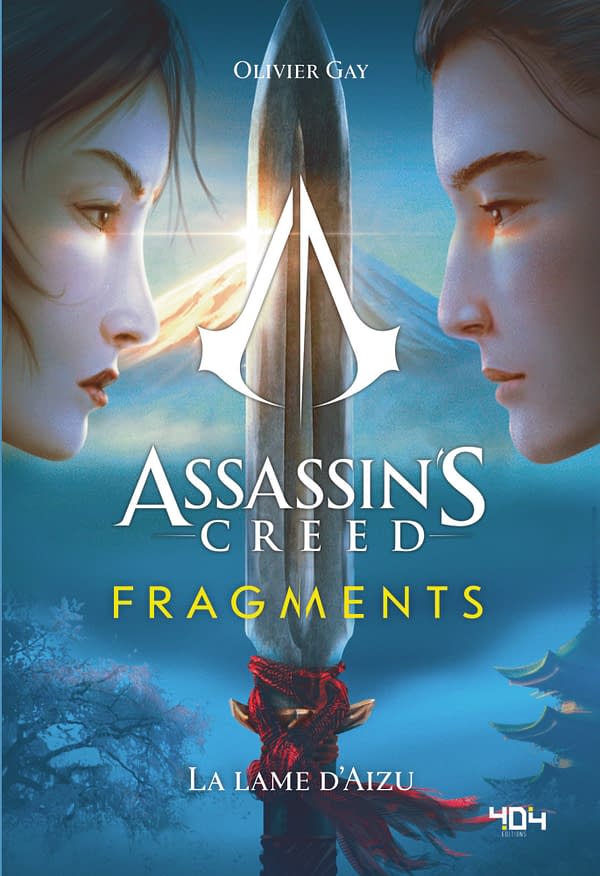
The Fragments Young Adult Trilogy (Originals)
In a collaboration with the French publishing house Editis, Fragments presents an action-adventure saga aimed at the YA market. The series focuses on the centuries-old conflict between the Assassins and the Templars, specifically through the lens of sibling dynamics. Each volume takes place in a distinct location and time: 19th-century Japan, 13th-century Scotland, and 17th-century France.
The Jade Seal Collection (Originals)
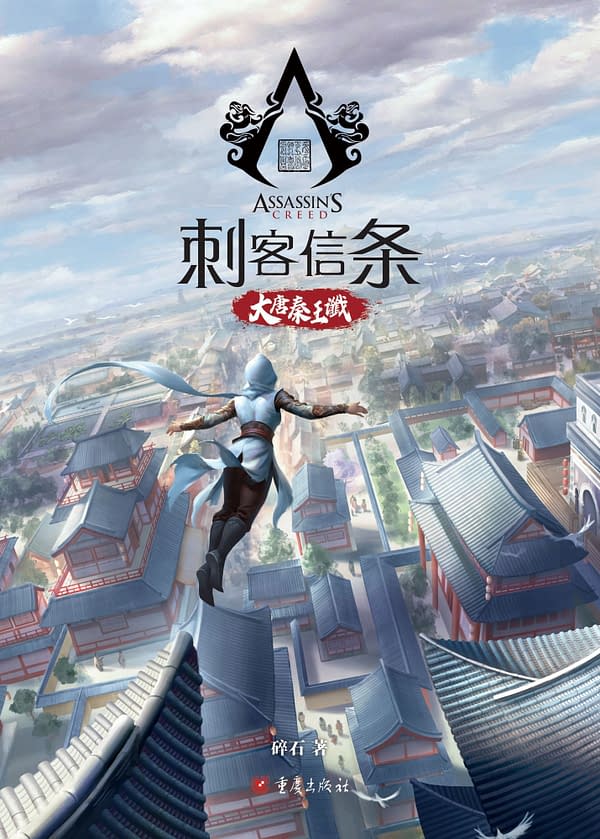
This expansive collection encompasses ten novels that span the breadth of Chinese history, ranging from the Zhou Dynasty (4th Century BC) to the Ming Dynasty (17th Century). By focusing on emperors, philosophers, and legendary martial artists, this series aims to ground the franchise in the cultural weight of Chinese history.
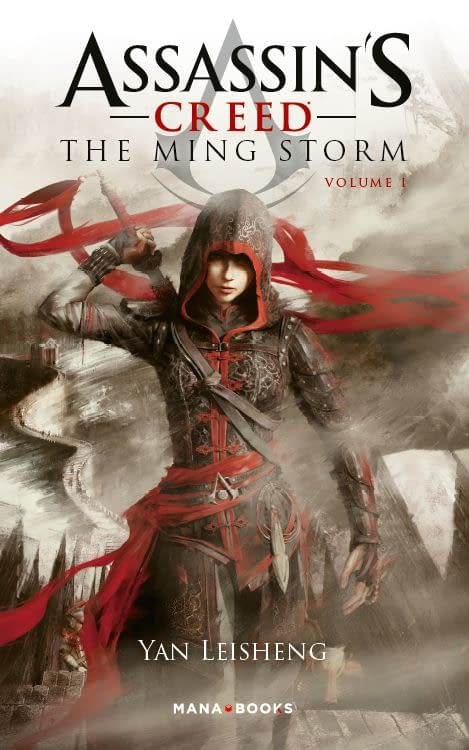
The Ming Storm (Chronicles)
Written by the acclaimed Chinese author Yan Leisheng, The Ming Storm brings back the fan-favorite protagonist Shao Jun, star of Assassin’s Creed Chronicles: China. This trilogy, published in the West by Aconyte Books, serves as a bridge between the game’s high-octane gameplay and traditional prose.
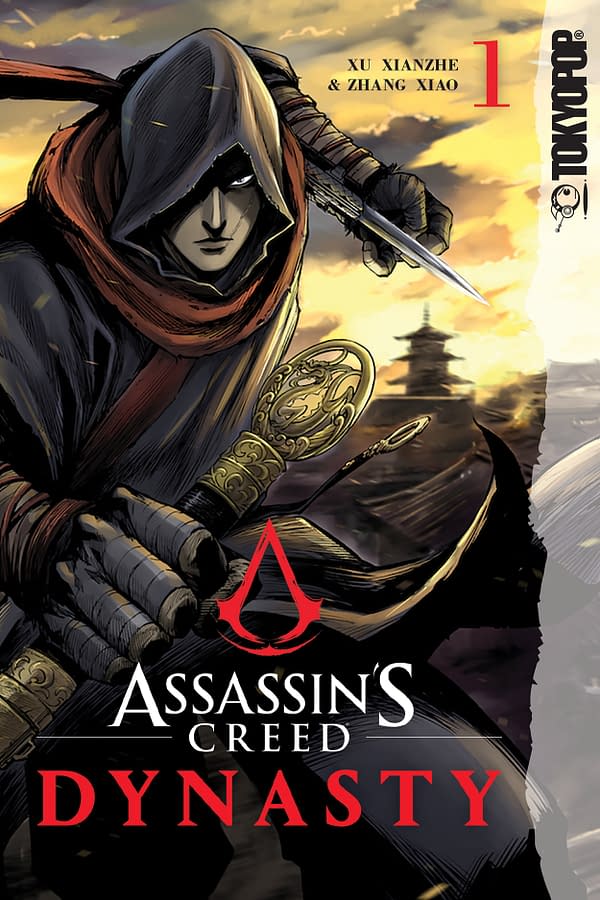
Assassin’s Creed: Dynasty (Manhua – Originals)
A massive success on the Tencent platform with over 150 million views, Dynasty follows the story of Li E as he navigates the civil war of the Tang Dynasty. TOKYOPOP is handling the Western publication, with both digital and physical releases slated for 2021 and 2022.
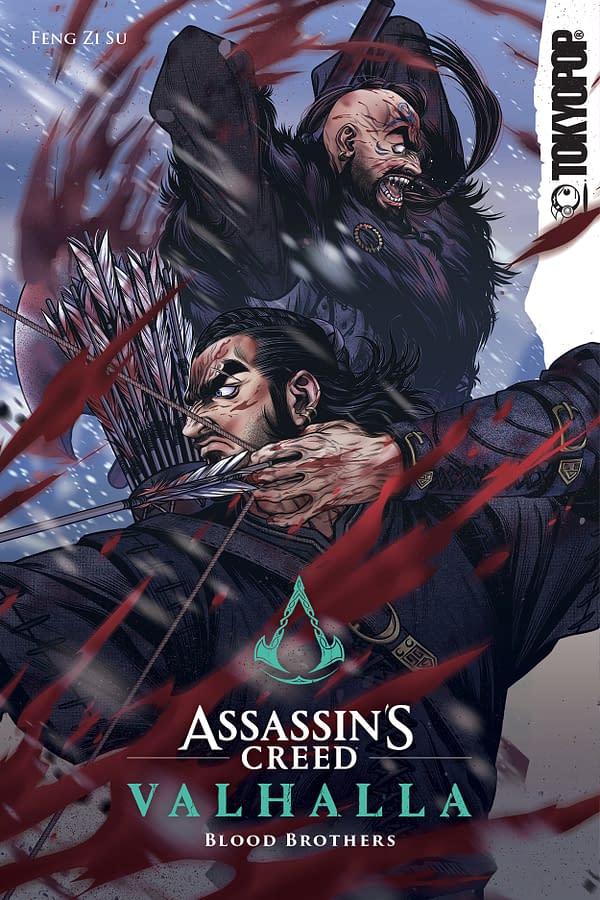
Assassin’s Creed Valhalla: Blood Brothers (Manhua – Chronicles)
Set within the timeline of the most recent console success, Valhalla, this manhua explores the lives of two Viking brothers. It serves as a narrative prequel to the exploits of Eivor the Wolf-Kissed, providing context for the brutal landscape of the Viking Age.
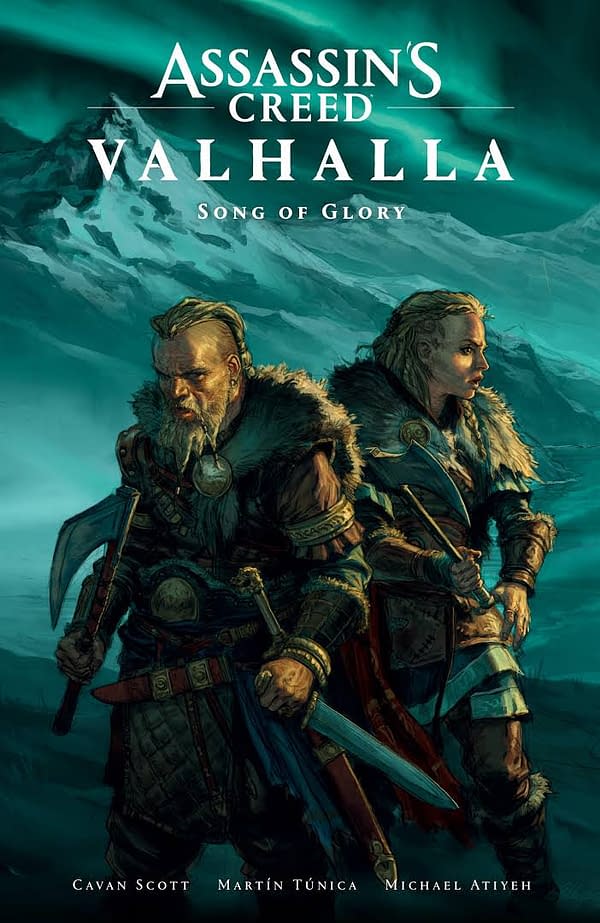
Assassin’s Creed Valhalla: Song of Glory (Chronicles)
Dark Horse Comics has collected this series into a hardcover edition. The story follows Eivor and Sigurd as they embark on separate, glory-seeking journeys, offering readers a glimpse into the motivations of the game’s primary leads before the events of the main campaign.
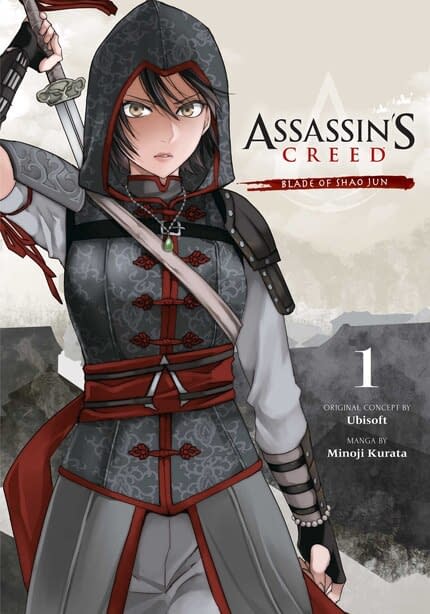
Assassin’s Creed: Blade of Shao Jun (Chronicles)
Published by Viz Media, this manga continues the journey of Shao Jun. Notably, it introduces a modern-day plot thread involving a teenager named Lisa, who finds herself caught in a trap set by the modern-day Templars, Abstergo.
Turbulence in the Ming Dynasty (Podcast – Chronicles)
Ubisoft is also embracing the audio revolution. In partnership with Ximalaya, this audio adaptation of The Ming Storm features professional voice acting from the Chinese film industry, complete with high-fidelity sound effects and a cinematic score.
Assassin’s Creed: Black Flag Webtoon (Originals)
Perhaps the most anticipated digital-first project, this Korean webtoon is currently in development with the studio Redice. It promises to serve as a direct sequel to the beloved Black Flag, expanding the pirate-themed narrative that redefined the series.
Official Perspectives: The Philosophy of Transmedia
The impetus behind this massive expansion is not merely to sell more books, but to deepen the "Assassin’s Creed" intellectual property. Aymar Azaïzia, Transmedia Director at Ubisoft Montreal, views this as a vital creative evolution.
"With a license as rich as Assassin’s Creed, many creators are excited to offer their vision of the franchise," Azaïzia noted. "It’s a great creative opportunity to publish a work that is relevant to the genre in question and produced by authors or illustrators who are recognized in their field."
The strategic pivot toward Asia is particularly noteworthy. Julien Fabre, Associate Director of Publishing at Ubisoft, highlighted the intent to build long-term relationships with Asian creative hubs. "With so many creators from all over Asia delivering innovative content, a priority for Ubisoft has been to forge new relationships with talented partners in the region," Fabre explained.

This sentiment was echoed by Etienne Bouvier, Publishing Content Manager, who emphasized the necessity of a "glocal" approach—global vision paired with local execution. "We are all consumers of stories," Bouvier said. "With this global vision and local approach, we seek to offer our fans new content in formats they are familiar with, and with stories that are rooted in their cultural background and their history."
Implications for the Future of the Franchise
This shift toward a decentralized storytelling model carries significant implications for the gaming industry at large. By allowing external creators to explore the "Assassin-Templar" conflict through different cultural lenses, Ubisoft is effectively crowdsourcing the growth of its own lore.
1. Retention and Engagement
Video games have a finite lifespan, but a literary universe can grow indefinitely. By creating serialized content like webtoons and podcasts, Ubisoft keeps the brand at the top of the audience’s mind even during the long gaps between major game releases.
2. Narrative Versatility
The Assassin’s Creed universe is defined by the "Animus," a device that allows for exploration of any time period in human history. This unique conceit makes the franchise perfectly suited for a multi-media approach. Whether it is a Ming Dynasty political thriller or a Victorian-era Japanese action piece, the format can accommodate any genre or aesthetic.
3. Market Penetration
By partnering with established regional entities like Tencent (China) and Redice (Korea), Ubisoft is bypassing the traditional "Western-centric" view of its historical settings. This strategy likely ensures higher adoption rates in these key Asian markets, where the audience expects content that honors their specific cultural histories rather than superficial representations.
Conclusion
The expansion of the Assassin’s Creed universe is an bold experiment in modern franchise management. Ubisoft is moving away from being a mere game developer and toward becoming a holistic content house. Whether this flood of new media will dilute the franchise’s identity or enrich it remains to be seen; however, the commitment to working with recognized local talent across the globe suggests a level of care and planning that could set a new industry standard. For the fans, the message is clear: the Creed is no longer confined to the console—it is everywhere.