Lina Irawan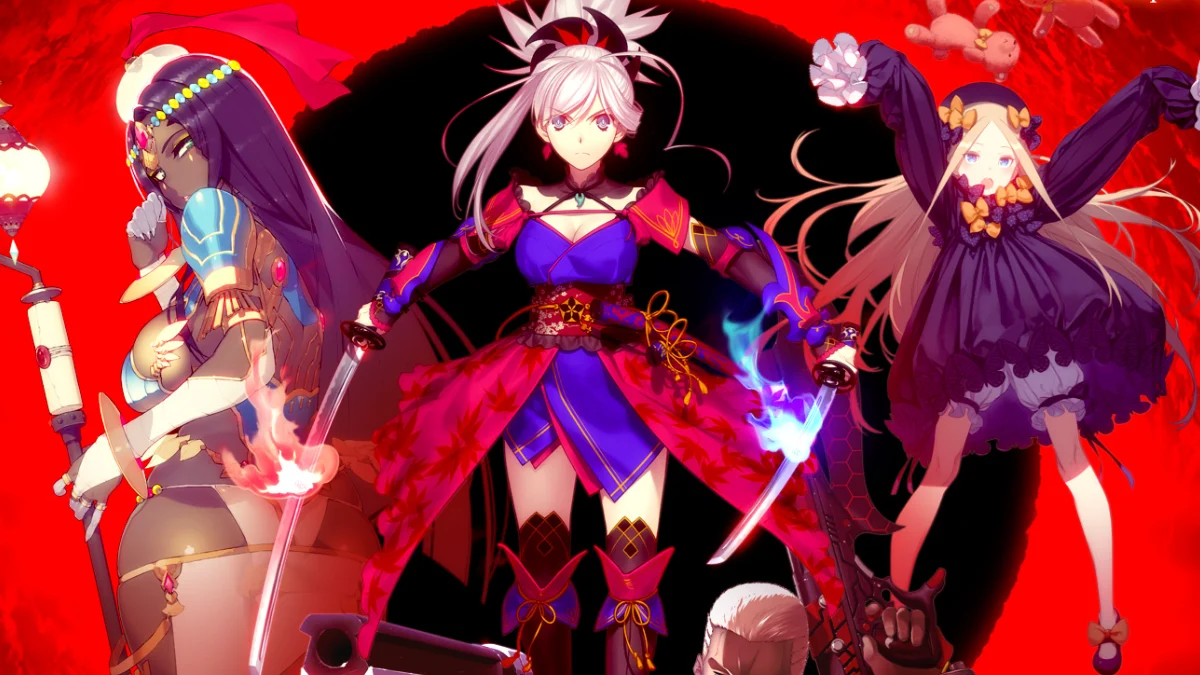
The landscape of mobile gaming is shifting, and Lasengle, the developer behind the juggernaut Fate/Grand Order (FGO), is signaling a major technological leap. In a move aimed at future-proofing one of the world’s most successful mobile RPGs, Lasengle has officially announced that the Japanese server will transition to the Unity 6 engine in mid-June 2026. While the update promises improved performance and technical stability, it has inadvertently triggered a wave of anxiety within the player base regarding the game’s ballooning storage requirements.
The Core Facts: What the Unity 6 Transition Means
The announcement, posted via the official Fate/Grand Order news portal, confirms that the transition to Unity 6 is not merely a background patch but a fundamental structural change to the game’s foundation. Unity 6—the latest iteration of the industry-standard game engine—is designed to provide better rendering capabilities, improved memory management, and enhanced support for modern mobile hardware.
For the player, the impact is immediate and physical. Lasengle has warned that the update will require a significant data download. Specifically, players who have already utilized the “download all” feature in the game settings should expect an additional 16 GB of data. For those performing a fresh installation or who have not yet cached all assets, the total file size will climb to approximately 30 GB.
Lasengle has advised players to prepare for potential server congestion, noting that the sheer volume of data being pushed to millions of devices could result in download times exceeding 30 minutes. The developer has explicitly cautioned users to verify their device storage availability well ahead of the June launch, as failure to provide sufficient headroom could result in installation errors or, in worst-case scenarios, the inability to play the game entirely.
A Chronological Look at FGO’s Technical Evolution
Fate/Grand Order launched in 2015, a time when mobile hardware constraints were vastly different than they are today. Over the last decade, the game has undergone several subtle technical adjustments, but the move to Unity 6 represents the most significant architectural shift in its history.
- 2015 – 2018 (The Early Era): During its initial years, FGO relied on an older version of the Unity engine optimized for hardware that is now considered legacy. The game was lightweight, focusing primarily on 2D sprites and static visual novel-style storytelling.
- 2019 – 2023 (Incremental Optimization): As the game grew in popularity, Lasengle (and previously Delightworks) implemented minor engine patches to support wider aspect ratios and higher resolution textures for modern smartphones.
- 2024 – 2025 (Preparing for Modernization): Developers began signaling a shift toward more complex visual effects in Noble Phantasm animations, requiring a more robust engine to handle particle effects and shader updates.
- June 2026 (The Unity 6 Upgrade): The current transition period. This update marks the end of support for older, deprecated engine frameworks, forcing the game into the modern era of mobile software development.
Supporting Data: The "Bloat" Problem in Mobile Gaming
The transition to Unity 6 is part of a broader trend in the mobile gaming industry. As developers push for higher visual fidelity and more complex game states, the "size tax" on mobile devices has reached a breaking point.
To put the 30 GB requirement for Fate/Grand Order into perspective, one must consider the average storage capacity of mid-range smartphones. While flagship devices have moved to 256 GB or 512 GB, many players still rely on 64 GB or 128 GB models. A 30 GB installation represents nearly 50% of the total storage on a base-model device. When combined with operating system requirements (which often occupy 15–20 GB), users are left with almost zero room for photography, other applications, or system updates.
Industry analysts note that this "storage creep" is the inevitable consequence of a decade-long service model. In Fate/Grand Order, every Servant, every background, every voice line, and every event asset remains in the game’s code base. Without a significant architectural overhaul to modularize how assets are downloaded—perhaps moving toward a cloud-based streaming model—the game size will only continue to trend upward.

Official Responses and Developer Strategy
Lasengle has maintained a transparent, albeit cautious, stance regarding the update. Through their official news portal, they have focused on the "why" behind the decision. By migrating to Unity 6, the team aims to resolve long-standing issues with asset rendering and memory leaks that have occasionally plagued high-intensity battles.
However, the developer has been noticeably quiet regarding calls for a PC client. In the official statement, Lasengle emphasized that the game remains a mobile-first experience. They have provided in-game settings that allow players to toggle "download all" on or off, effectively giving users a choice: download the full asset library for smoother, load-time-free transitions, or stream assets as they go to save local space. While this provides a temporary reprieve for players with limited storage, it does little to solve the underlying issue of the game’s massive footprint.
The Implications: Is a PC Port Inevitable?
The community response has been a mix of excitement for improved performance and mounting frustration over device requirements. On social media platforms and forums like Reddit and X (formerly Twitter), the discourse has shifted from the content of the game to the accessibility of the platform.
1. The Call for Multi-Platform Support
With the game reaching console-level storage requirements, players are increasingly asking why Fate/Grand Order is still restricted to mobile devices. A PC version, perhaps via a launcher like Google Play Games for PC or a dedicated Steam release, would solve the storage dilemma instantly. PC users rarely deal with the same storage constraints as mobile users, and a desktop client would allow the game to run at higher resolutions and frame rates—an upgrade that Unity 6 is specifically built to support.
2. The Risk of User Attrition
There is a tangible risk that this update will alienate a segment of the player base. Players who cannot upgrade their hardware or who refuse to dedicate such a significant portion of their device’s memory to a single app may find themselves forced to "retire" from the game. For a game that relies heavily on a dedicated, long-term player base, this represents a potential attrition risk that Lasengle will need to manage carefully.
3. The Future of Mobile Development
The FGO Unity 6 update is a case study for the entire industry. As mobile games become more sophisticated, they are effectively competing with console games for storage space. If developers like Lasengle do not implement better asset management—such as granular downloading (e.g., allowing players to delete assets from finished events)—the mobile industry may find itself hitting a "storage wall" where the file size of popular games becomes a barrier to entry for new players.
Conclusion: A Necessary Evolution
The transition to Unity 6 is, in many ways, an inevitable step for Fate/Grand Order. To stay relevant in a competitive market, the game must leverage the latest tools to remain visually appealing and technically stable. While the 30 GB storage requirement is undoubtedly a bitter pill for many, it serves as a testament to the sheer scale of the content accumulated over the last eleven years.
As June 2026 approaches, the onus is on both the developer and the player. Lasengle must ensure that the transition is as seamless as possible, minimizing bugs and providing clear guidance on asset management. For the players, it is a time to audit their devices and decide how much room they are willing to carve out for the continued adventures of the Chaldea Security Organization. Whether this update finally triggers a move toward a PC version remains to be seen, but one thing is certain: the era of "lightweight" mobile gaming for Fate/Grand Order has officially come to an end.


 Asro
Asro
 Muslim