

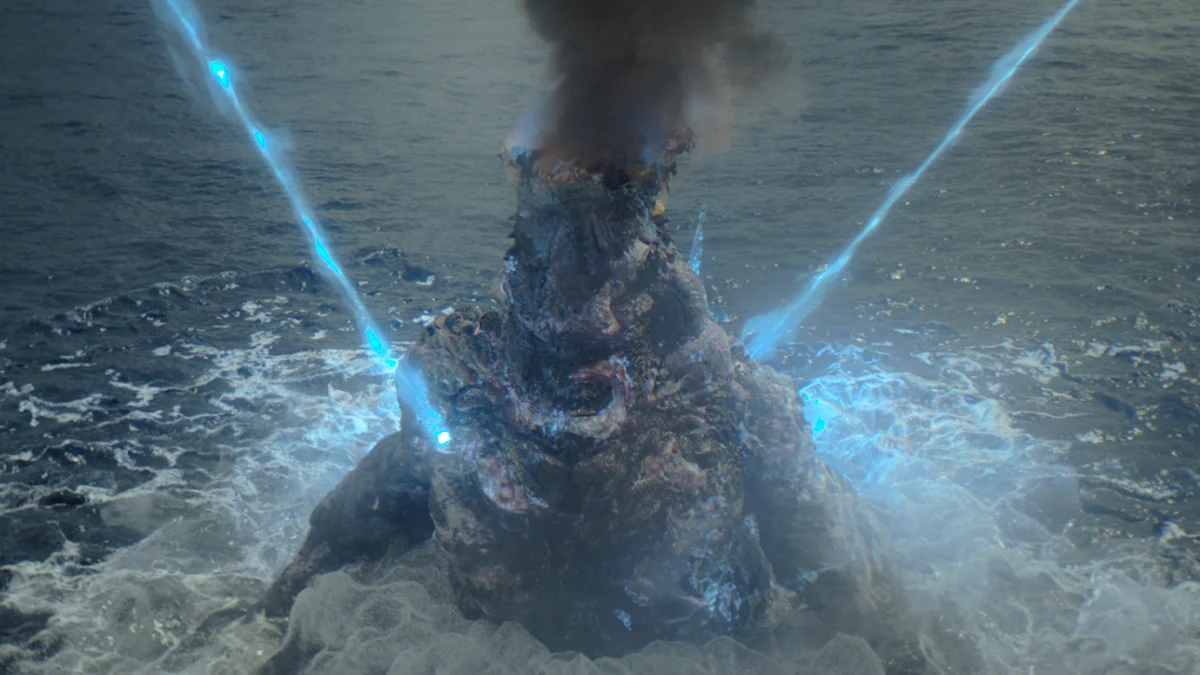
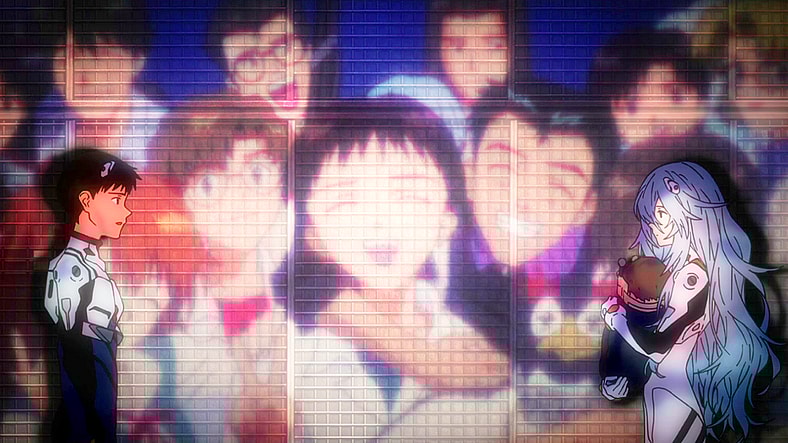
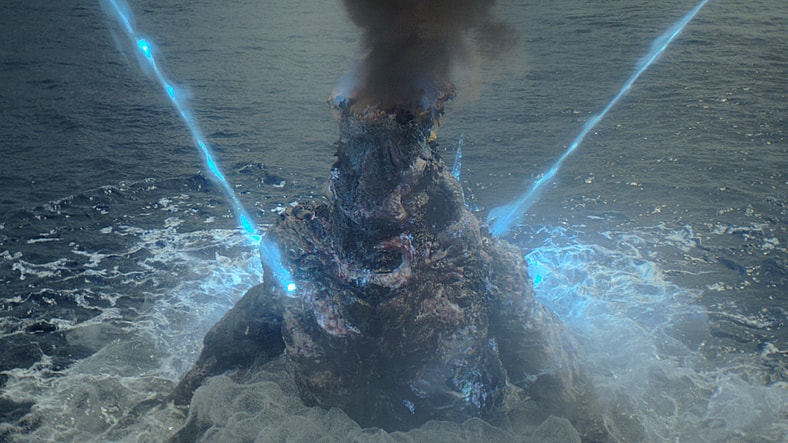
In a landmark discussion regarding the trajectory of Japan’s global cultural influence, two of the nation’s most prominent cinematic visionaries have issued a stark warning: the Japanese entertainment industry is neglecting the very demographic that ensures its long-term survival—children. Hideaki Anno, the legendary creator of Neon Genesis Evangelion, and Takashi Yamazaki, the Academy Award-winning director of Godzilla Minus One, recently sat down with Forbes Japan to dissect the "Cool Japan" initiative and the systemic failures threatening the country’s domestic and international media dominance.
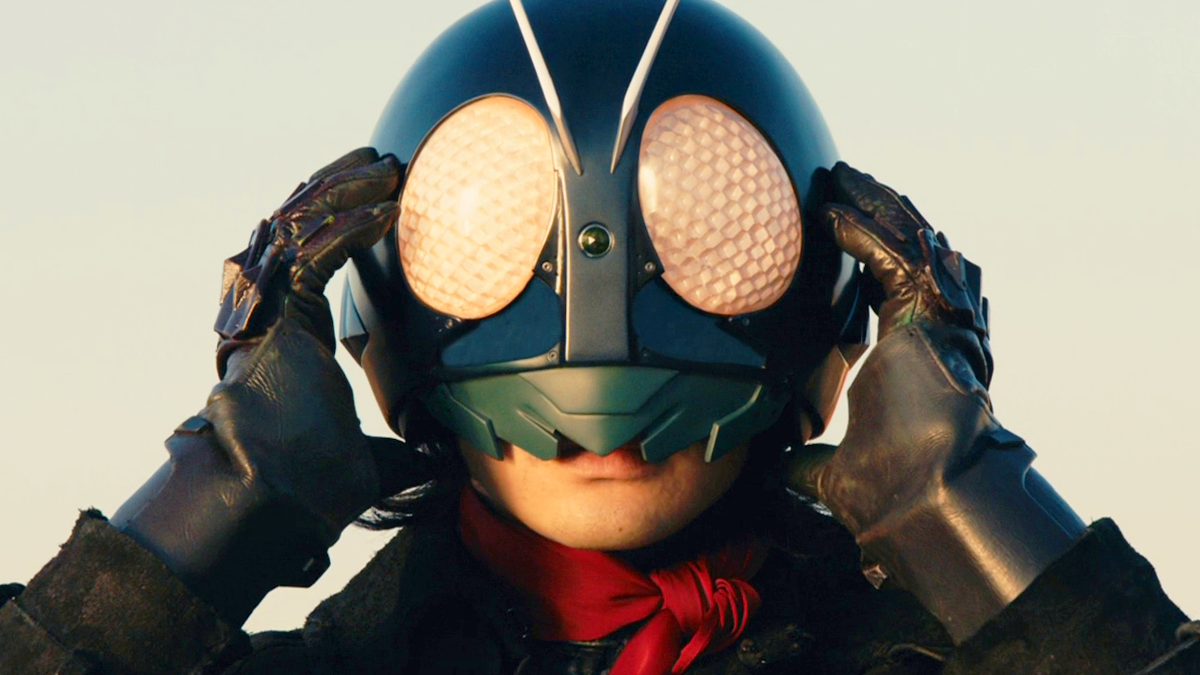
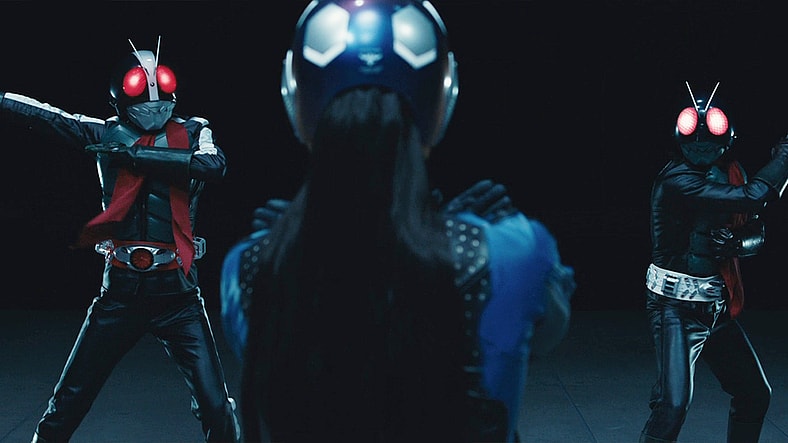
The core of their argument centers on a growing vacuum in age-appropriate content for younger audiences. Anno, whose recent "Shin" trilogy (Shin Godzilla, Shin Ultraman, and Shin Kamen Rider) revitalized classic tokusatsu for modern audiences, argues that the industry’s pivot away from children’s programming toward late-night anime and "variety show" television is eroding the foundational sensibilities of the next generation of creators.
Main Facts: A Call to Arms for the "Cool Japan" Era
The dialogue between Anno and Yamazaki comes at a pivotal moment for the Japanese government. In 2024, the "Cool Japan" initiative was re-launched with aggressive new targets: the government aims to triple overseas media sales from approximately $38 billion to ¥20 trillion JPY (roughly $131.4 billion USD) by 2033. This strategy positions Japanese intellectual property—anime, manga, video games, and film—as a primary pillar of the national economy, rivaling traditional exports like steel and automotive parts.
However, Anno and Yamazaki contend that financial targets alone cannot sustain a cultural movement. The primary facts highlighted in their discussion include:
- The Children’s Content Gap: A significant decline in high-quality, "prime time" animated and live-action works specifically designed for children.
- The Soft Power Deficit: The realization that media serves as a "low-cost" method of national diplomacy, a strategy currently being utilized more effectively by South Korea and China.
- Institutional Neglect: A lack of state-sponsored archiving and a crumbling "apprentice system" that once trained the next generation of animators and directors.
- Economic Volatility: The "tent pole" nature of the film industry, where a few massive hits must subsidize a sea of deficits, creating a "gambling" environment for studios.
Chronology: From Post-War Influence to Modern Stagnation
To understand the current crisis, Yamazaki and Anno looked back at the historical evolution of Japanese media consumption. Yamazaki noted that in the post-war era, American television dramas like Father Knows Best played a crucial role in reshaping Japanese perceptions of the United States. Media was the bridge that transformed "devilish Americans" into "wonderful people" in the eyes of the Japanese public.
During the 1960s and 70s—the era in which Anno came of age—Japanese television was "overflowing" with content for children. This was the golden age of Tokusatsu (special effects-heavy live action) and "simple science" programs. These shows did more than entertain; they formed the aesthetic and moral sensibilities of the children who would eventually become the masters of the industry today.

By the 1990s and early 2000s, the landscape began to shift. The "declining birthrate" in Japan led networks to deprioritize children’s time slots in favor of "variety shows"—low-cost talk and game shows that appeal to a broader, older demographic. Simultaneously, the anime industry began to lean heavily into the otaku (hardcore fan) market, producing sophisticated, late-night content that, while commercially successful, was often inaccessible or inappropriate for younger children.
In 2023 and 2024, the global success of Godzilla Minus One and the "Shin" films proved that Japanese domestic sensibilities could still captivate the world. Yet, as the "Cool Japan" initiative looks toward 2033, the creators at the helm warn that the pipeline of talent and the "habit" of media consumption are being severed at the root.
Supporting Data: The Economics of "Cool Japan"
The Japanese government’s focus on the economic value of its culture is backed by staggering data. According to reports cited by Variety and Forbes Japan, the anime market alone has reached a global valuation of $25 billion, with total media exports hitting $38 billion in recent years.
The government’s goal to reach $131.4 billion by 2033 assumes a steady growth rate fueled by digital streaming platforms and international theatrical releases. However, Anno points out a critical flaw in this purely fiscal approach. "What first draws attention is probably the money," Anno told Forbes. "But rather than the money, I think it’s good that attention has been paid to the fact that Japanese culture can be transmitted to the world at low cost."

The "cost performance" of media is unparalleled. Unlike the manufacturing of steel or electronics, which requires massive infrastructure and raw materials, cultural exports rely on human creativity. Yamazaki added that this "soft power" translates directly into consumer behavior: "Having people watch Japanese works and come to like Japanese people equals having them come to like Japanese products."
Official and Industry Responses: Systemic Failures
While the government celebrates the revenue, Anno and Yamazaki highlighted three specific areas where the industry is failing from within:
1. The Collapse of the Apprentice System
Anno lamented the death of the traditional apprentice system. In the past, young artists learned the craft on the "production floor," moving up the ranks under the mentorship of veterans. Today, high taxes and "tight" production budgets leave no room for training. "The production floor is extremely tight, so it’s hard to allocate money and labor to that extent," Anno concluded. This has created a "talent gap" where young creators lack the foundational skills of their predecessors.
2. Lack of Historical Stewardship
A recurring theme in Anno’s recent work is the preservation of Japan’s media history. He criticized the lack of state-level archives for anime and tokusatsu. While universities have begun to take an interest, there is no centralized national effort to preserve "intermediate production outputs"—the sketches, models, and scripts that show how a work was made. Without these archives, the next generation lacks the "emotion and inspiration" derived from seeing the evolution of their craft.
3. The "Tent Pole" Gambling Model
Yamazaki elaborated on the precarious financial state of Japanese cinema. The industry operates on a "tent pole" model: the majority of films run at a deficit, supported only by the occasional "mega-hit." "It’s close to gambling," Yamazaki stated. This instability prevents long-term planning and discourages studios from taking risks on new, experimental children’s programming that might not see immediate, massive returns.
Implications: The Risk to Cultural Identity
The warnings from Anno and Yamazaki suggest that Japan is at a cultural crossroads. If the country continues to produce media solely for an aging domestic population or a niche international audience, it risks losing the "cultural habit" that made it a global powerhouse.

The lack of children’s programming is not merely a Japanese issue; it is a trend observed in the United States and the United Kingdom, where "prestige" streaming content often overshadows the "simple science" and moral-focused programming of the past. However, for Japan, the stakes are uniquely high. As Yamazaki noted, Japan’s national power is tied to its "soft power." If children—both in Japan and abroad—grow up without a connection to Japanese stories, the long-term demand for Japanese products and culture will inevitably wither.
Furthermore, the "invasive species" of globalized, homogenized content threatens to dilute Japan’s unique creative voice. Anno’s insistence on focusing on domestic audiences first is a strategy of "preservation through authenticity." By making works that resonate deeply with the Japanese experience, they paradoxically become more attractive to the rest of the world.

Conclusion
Hideaki Anno and Takashi Yamazaki have provided a sobering counter-narrative to the government’s "Cool Japan" optimism. While the financial potential of Japanese media is higher than ever, the structural foundation—the training of creators, the preservation of history, and the cultivation of a young audience—is in a state of decay.
For the Japanese entertainment industry to reach its ¥20 trillion goal, it may need to look backward to move forward. As Anno suggested, the state must transition from a role of mere "cheerleader" for exports to an active "steward" of the industry. Without a concerted effort to rebuild the apprentice system and revitalize programming for the youngest viewers, the "tent pole" that supports Japanese culture may eventually find itself standing on hollow ground.











No comments yet. Be the first to join the conversation!