Ammar Sabilarrohman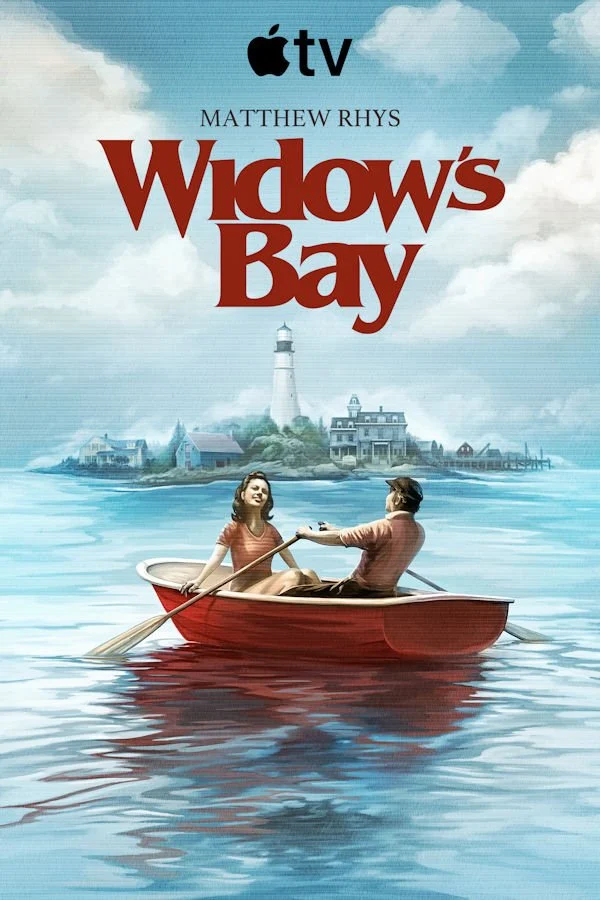
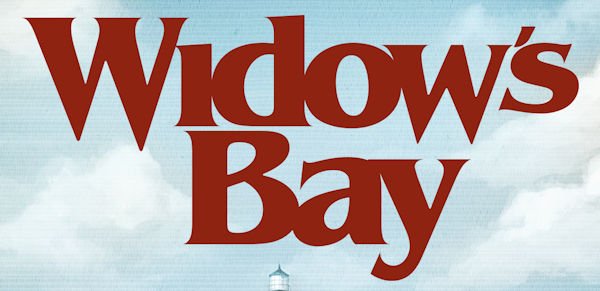
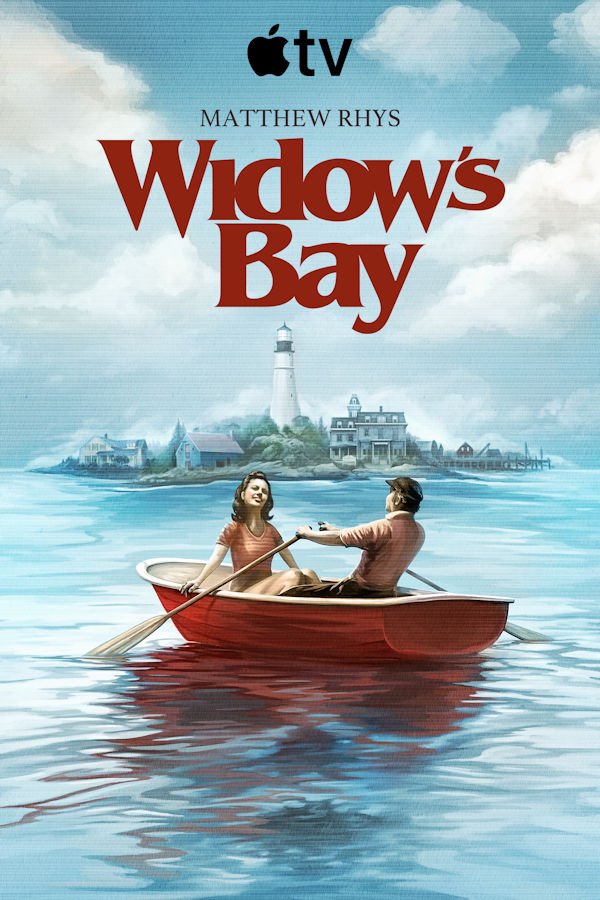
There is a specific visual shorthand that horror aficionados recognize instantly: those bold, blocky, serif-heavy letters that promise an immediate, visceral reaction. It is a font style synonymous with the golden era of supernatural storytelling—an aesthetic that recalls the visceral chills of Stranger Things, the surrealist dread of Twin Peaks, and the masterful tension-building of John Carpenter’s filmography. It is a "Stephen King font," and it is currently plastered across the marketing for Apple TV’s latest prestige horror-comedy, Widow’s Bay.
However, to categorize Widow’s Bay merely by its typography would be a disservice to the most compelling series to hit streaming platforms in 2026. Merging the isolated, salt-sprayed paranoia of Jaws with the quirky, character-driven charm of Northern Exposure, the show has managed to captivate audiences and critics alike with only its first three episodes.
Main Facts: A New England Nightmare
Set against the backdrop of a quaint, struggling fishing island off the coast of New England, Widow’s Bay serves as a masterclass in atmospheric storytelling. The narrative centers on Mayor Tom Loftis, portrayed with weary, grounded brilliance by Matthew Rhys (The Americans, Perry Mason). As an outsider—despite his family lineage on the island—Loftis arrives with the earnest, albeit naive, intention of revitalizing the dying fishing community.
His efforts are met with a wall of superstitious resistance. The town, steeped in local legends and dark, undocumented histories, views Loftis’s skepticism as a fundamental threat to their way of life. The premise is elevated by a stellar supporting cast, including Stephen Root as the town drunk Wyck—a man who treats every local myth as gospel—and the incomparable Dale Dickey, who plays Rosemary, a gossip whose passive-aggressive barbs provide the town’s sharpest wit.
Chronology: The Anatomy of a Descent
The series employs a "monster-of-the-week" structure that feels like a nostalgic nod to The X-Files and Buffy the Vampire Slayer. While there is an overarching, ominous plotline, the initial episodes focus on the collision between modern skepticism and ancient, inexplicable terrors.
- Episode 1 (The Arrival): We are introduced to the island’s economy of desperation. Loftis attempts to court tourism, unaware of the town historical society’s grim archives, which prominently display evidence of a century-old cannibalism incident.
- Episode 2 (The Fog): The mystery deepens as the island’s geography becomes an antagonist. Strange occurrences in the local inn and whispers of "sea hags" begin to test Loftis’s resolve. The audience, acting as the ultimate observer, witnesses the townspeople watching him with silent, smirk-filled anticipation as he skirts closer to the truth.
- Episode 3 (The Toll): The introduction of specific, unnerving anomalies—such as a chained-up church bell that rings without human intervention—solidifies the show’s shift from mere drama to full-blown supernatural horror.
Supporting Data: The Creative Engine
The success of Widow’s Bay is no accident; it is the result of a calculated pairing of visionaries. Show creator Katie Dippold, whose pedigree includes the sharp, character-heavy writing of Parks and Recreation, brings an innate understanding of how to balance comedy with absurdity.
Joining her is director Hiro Murai, a titan of modern television whose work on The Bear, Atlanta, and Barry has defined the "prestige dramedy" genre. Murai’s signature style—which emphasizes visual weight, the importance of silence, and the ability to find profound meaning in minor interactions—is perfectly suited to the fog-drenched environment of the island.
The production design further enhances this sense of realism. From the "Salty Whale" tavern to the decaying fishing docks, the world-building is so immersive that the viewer can practically smell the brine. This grounded setting is vital because it makes the supernatural elements feel genuinely intrusive. When a character like Kate O’Flynn’s Patricia—a stoic, darkly comedic assistant haunted by her own past—reacts to a horror, the viewer is anchored in her fear.
Official Responses and Industry Context
Critics have been quick to praise the show’s refusal to lean into tired horror tropes. Unlike many genre series that succumb to a "middle-season slump," the ten-episode arc of Widow’s Bay is designed for a tighter, more cohesive narrative flow.
"The show manages to feel like a lived-in community that just happens to be cursed," says industry analyst Marcus Thorne. "By utilizing dramatic irony—where the audience knows more about the danger than the protagonist—the creators turn the viewer into a voyeur of Loftis’s impending doom."
Apple TV has not yet commented on potential future seasons, choosing to focus on the immediate reception of the ten-episode run. However, early social media engagement and high completion rates for the first three episodes suggest that the network has found its next major genre tentpole.
Implications: The Evolution of Horror-Comedy
Widow’s Bay signals a shift in the horror landscape. For years, the industry leaned heavily into "elevated horror," characterized by slow-burn, metaphor-heavy narratives. While those remain popular, Widow’s Bay proves that there is still a massive appetite for "fun" horror—the kind that scares you with a jump-scare in one scene and leaves you laughing at a cynical one-liner in the next.
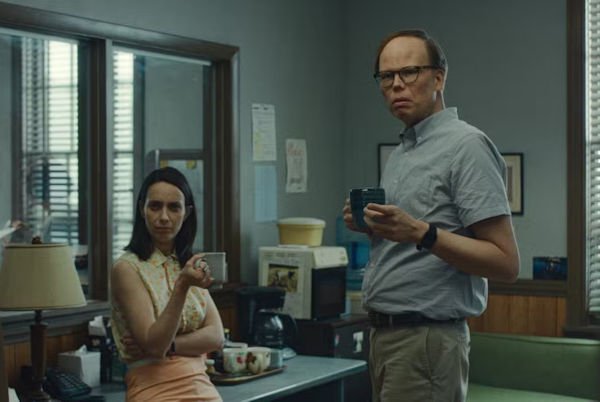
The show also highlights the growing trend of high-profile actors moving into genre-bending television. Matthew Rhys’s ability to anchor a scene with comedic timing while maintaining an underlying sense of dread provides a blueprint for how to bridge the gap between prestige drama and genre storytelling.
A Note on the "Bad Place"
The recurring motifs in Widow’s Bay—the lonely chair in the basement facing an ominous door, the bell ringing in the silence, the local legends that turn out to be terrifyingly real—serve as a reminder of the "Bad Place" trope. Much like The Cabin in the Woods, the show is hyper-aware of the horror canon. It isn’t trying to reinvent the wheel; it is trying to make the wheel spin faster, with more sparks flying.
Conclusion: Setting Sail for the Coast
As the series progresses, the central question remains: will Mayor Loftis survive his own skepticism, or will he become another cautionary tale etched into the island’s history? The residents of Widow’s Bay are waiting for him to slip, and the audience, despite rooting for his survival, is morbidly curious to see what happens when he finally does.
If you are a fan of Stephen King’s small-town macabre, the surreal suburban oddities of Picket Fences, or the gore-and-giggles approach of Santa Clarita Diet, this series is an essential addition to your watchlist. Just be prepared: the ferry ride over is simple enough, but the return trip is never guaranteed.
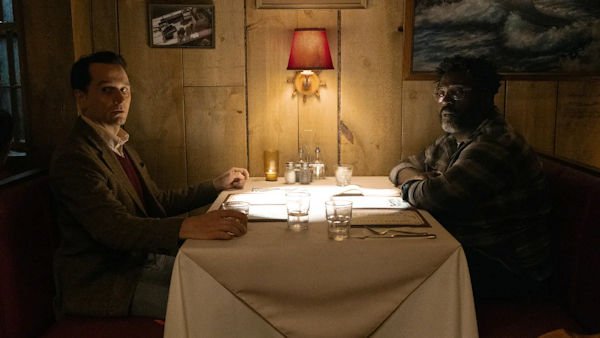
For those eager to dive into the mystery, the teaser trailer for "Widow’s Bay" is currently available via official Apple TV channels. The first three episodes are streaming now.


 Neng Nana
 Layla Zulfa