

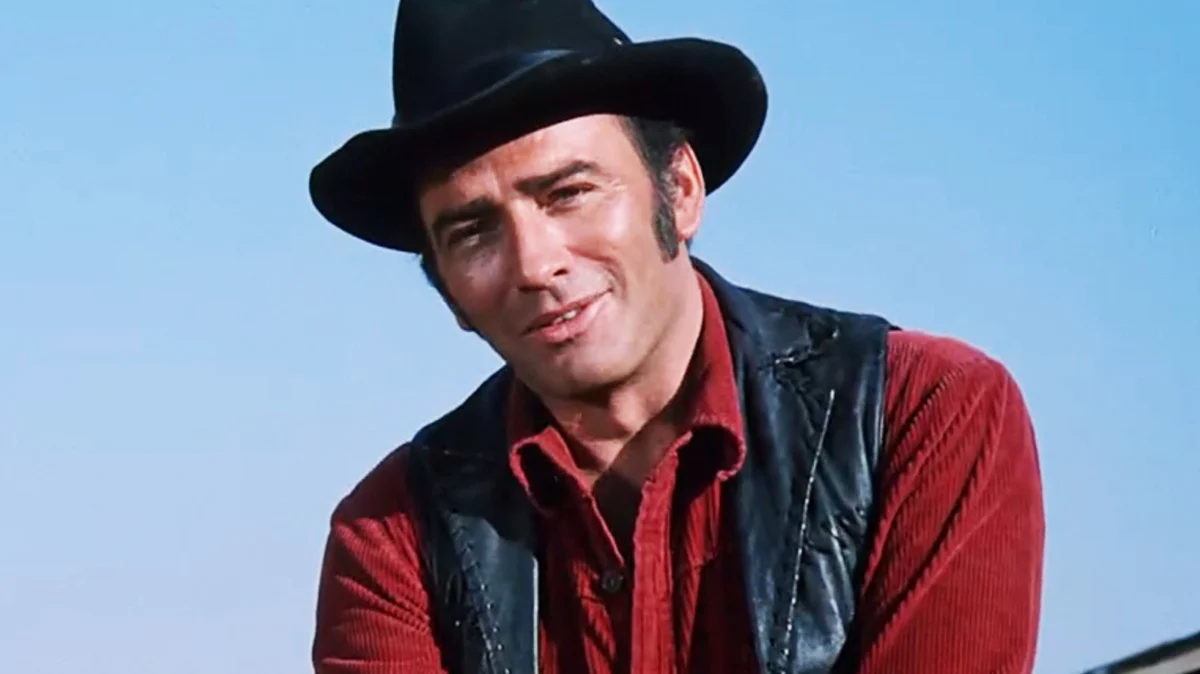
Introduction: The Unstoppable Dust of the Western
For decades, the cultural narrative suggested that the Western had galloped off into the sunset, never to return. Following the genre’s saturation in the 1950s and 60s and its subsequent decline in the 1970s, it was largely relegated to the archives of television history. However, the current landscape of streaming media tells a different story. In a "post-Yellowstone" era, the "oater"—that humble, horse-bound staple of mid-century television—has not only survived but thrived.
Led by the massive success of Taylor Sheridan’s neo-Western melodramas, the genre is experiencing a robust renaissance. Networks and streamers alike are scrambling to capitalize on this renewed interest, resulting in a wave of series like Netflix’s The Abandons and Ransom Canyon, Amazon’s Outer Range, and the reboot of Walker, Texas Ranger. Yet, while these modern successors draw massive audiences, they often overlook the rich, untapped potential buried in the golden age of the television Western. It is time for executives to stop looking for the next Yellowstone clone and start looking back at the foundation that built the genre.
The Historical Context: From "Gunsmoke" to "Bonanza"
To understand the potential of a remake, one must first appreciate the scope of the original mid-century explosion. Shows like Gunsmoke and Bonanza did more than just provide episodic entertainment; they functioned as the primary moral compass for millions of American households.
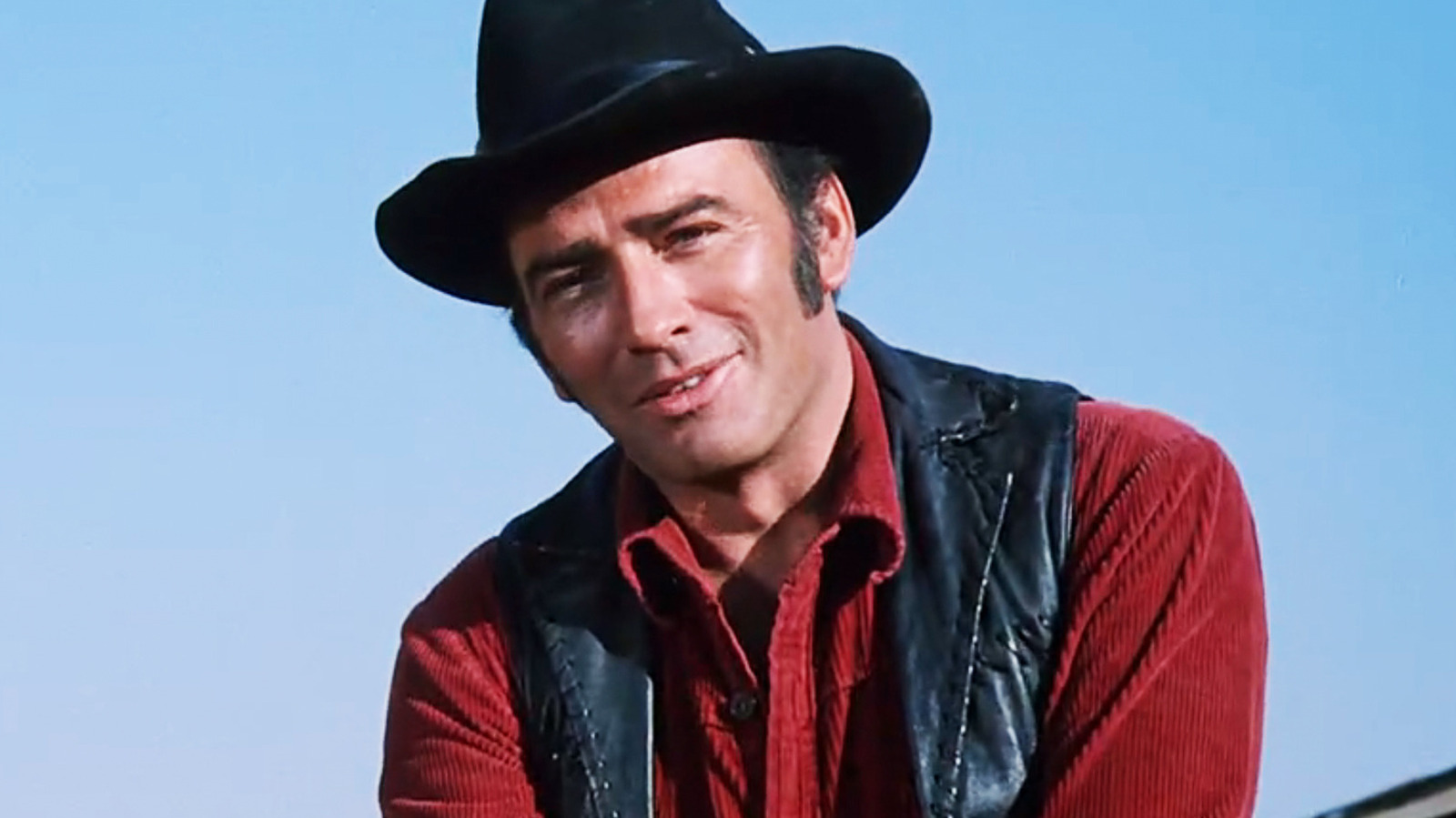
In the 1950s and 60s, the Old West was the most fertile ground for storytelling in the industry. It was a space where showrunners could explore complex societal issues—ranging from pacifism and civil rights to the psychological toll of the Civil War—under the guise of frontier justice. As we analyze the five series below, it becomes clear that these shows were not merely "horse operas"; they were sophisticated character studies waiting for a modern, high-prestige coat of paint.
1. The Loner: A Precursor to Modern Anti-Hero Action
Rod Serling, fresh from the cancellation of The Twilight Zone, pivoted his creative genius toward the Western with 1965’s The Loner. Starring Lloyd Bridges as William Colton, the series followed a former Union captain traversing the post-Civil War landscape.
Implications for a Modern Reboot
In the contemporary landscape, we have seen an insatiable appetite for the "itinerant hero" archetype. Prime Video’s Reacher has shattered streaming records by placing a lone, hyper-competent drifter at the center of a pulpy, action-forward narrative. The Loner is essentially the spiritual progenitor of this format.
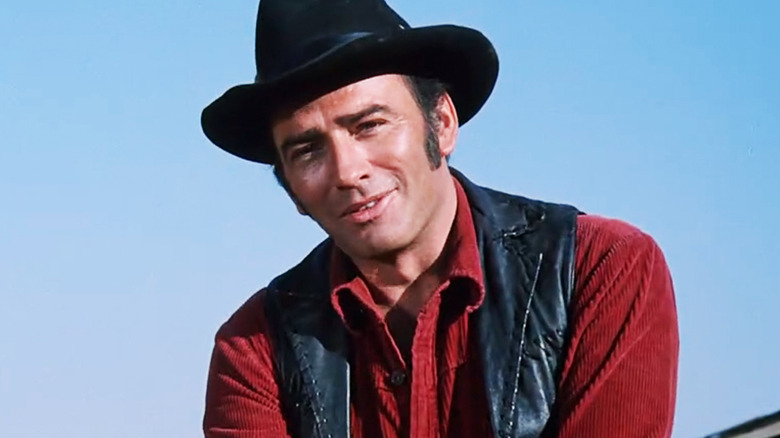
A modern remake could lean into the serious, gritty tone Serling originally envisioned, stripped of the constraints of 1960s network television. By combining the prestige production values of a series like Yellowstone with the relentless, tactical momentum of Reacher, a Loner reboot would provide a perfect vehicle for a streaming platform looking to anchor its action roster.
2. The Rifleman: Moral Complexity in the New Mexico Territory
Running from 1958 to 1963, The Rifleman remains a masterclass in domestic Western drama. Chuck Connors starred as Lucas McCain, a widowed Union veteran attempting to raise his son, Mark, in the fictional town of North Fork.
Supporting Data: Why It Still Matters
The show’s core appeal wasn’t just the tactical brilliance of McCain’s Winchester Model 1892—a gimmick that Terminator 2 would later immortalize—but the relationship between father and son. Recent attempts at Western procedurals, such as CBS’s Marshals, have struggled to capture the emotional gravity that The Rifleman achieved effortlessly.
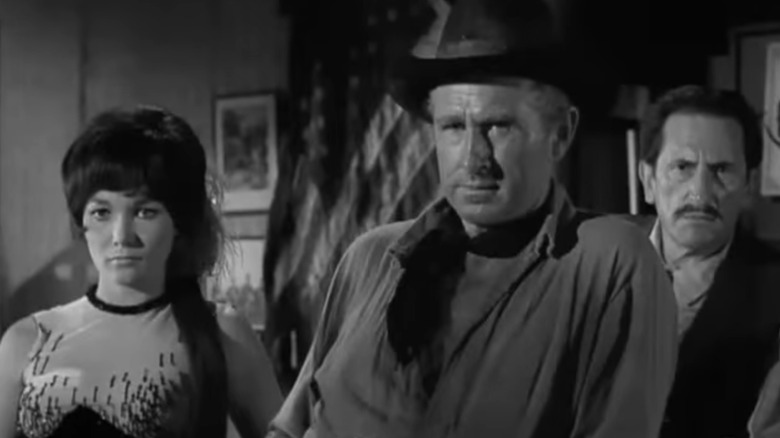
The industry flirted with a Rifleman reboot in 2011, but the project stalled. Today, with the rise of "dad-TV" and character-driven dramas that prioritize the legacy of the family unit, the time is ripe to revisit the McCain household. A modern adaptation could effectively serve as the gold standard for how to blend high-stakes violence with a grounded, moralistic heart.
3. Have Gun — Will Travel: The Original "John Wick"
If one were to distill the quintessential Western hero, they would likely arrive at Paladin, the protagonist of Have Gun — Will Travel (1957–1963). A former Union officer living as a refined, urbane socialite in San Francisco, he transformed into a deadly mercenary for hire once he donned his signature black attire.
The Evolution of the Archetype
We are currently living in a "post-John Wick" world. The archetype of the highly skilled, enigmatic loner who operates by a strict, personal code has never been more popular. Paladin occupies a fascinating space between the traditional "white hat" heroes of the 1950s and the cynical, revisionist anti-heroes that followed in the 70s.
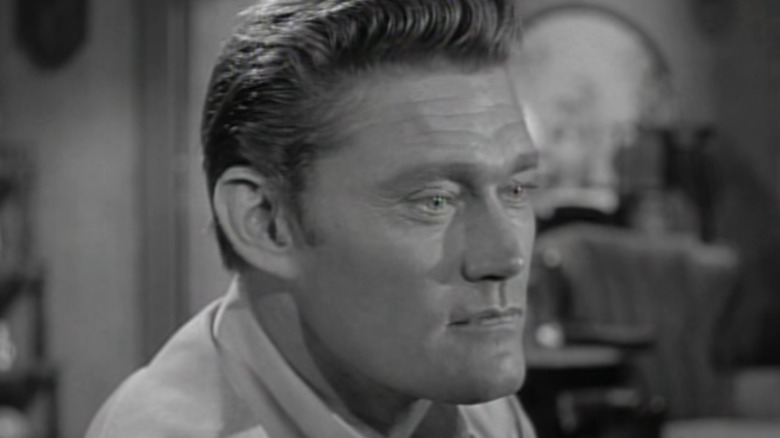
As the public begins to show signs of "superhero fatigue," the vacuum left by the collapse of the shared-universe model could be filled by a character like Paladin. A modern, stylish, and perhaps slightly more cynical reimagining of this series would offer a refreshing alternative to the caped crusaders dominating the box office for the last decade.
4. The Wild Wild West: Steampunk Potential Unleashed
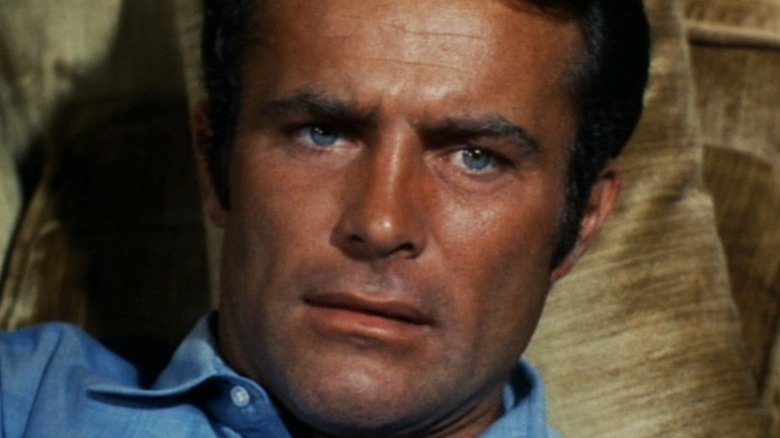
The 1999 feature film starring Will Smith is widely regarded as a significant misstep, but the original 1965–1969 series was a visionary blend of genres. James West and Artemus Gordon were the James Bond and Q of the 19th century, utilizing an array of early "steampunk" gadgets to thwart outlandish villains.
Official Response and Industry Lessons
The failure of the 1999 film was not a failure of the premise, but a failure of execution. In the era of high-end CGI and prestige period pieces, the aesthetic of The Wild Wild West is finally achievable without looking campy. By leaning into the steampunk elements—a subgenre that has seen a massive resurgence in global pop culture—a new show could deliver a high-concept, spy-thriller experience that feels entirely distinct from the traditional "ranch-life" Westerns currently crowding the airwaves.
5. The Virginian: Focusing on the Foreman
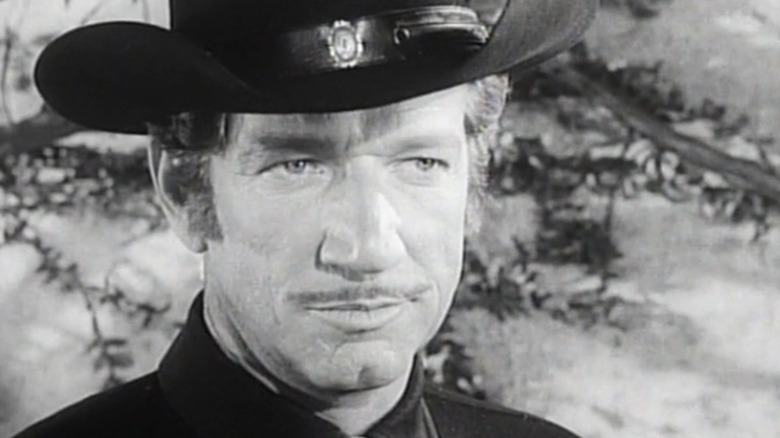
The Virginian (1962–1971) holds a unique distinction: it is the longest-running series on this list. Based on Owen Wister’s 1902 novel, the show centered on the Shiloh Ranch, but specifically through the eyes of its foreman.
Implications for Prestige TV
This is the most compelling prospect for a modern audience. While Yellowstone focuses on the power dynamics of the ranch owners, The Virginian provides the opportunity to tell the story from the perspective of the "hired gun"—the man on the ground.
Imagine a series that functions as a dark, intense character study of a foreman—a "Rip Wheeler" type—who must navigate the complex, often violent politics of the ranching world while keeping his own mysterious past hidden. By shifting the focus away from the landed gentry and onto the labor and loyalty of the foreman, a remake could create a "blue-collar" Western that resonates deeply with modern working-class anxieties.
Conclusion: The Path Forward
The Western is not a fossilized relic; it is a flexible, durable framework for exploring the human condition. Whether it is the tactical action of The Loner, the moral education of The Rifleman, or the high-concept espionage of The Wild Wild West, these shows possess the structural integrity to support modern, high-budget adaptations.
Television executives have spent the last few years looking for the "next big thing" in the desert. They need look no further than the archives. By breathing new life into these classic narratives, the industry can ensure that the Western renaissance is not just a passing trend, but the beginning of a permanent fixture in the landscape of prestige television. The frontier is wide open—it is time for a new generation to stake their claim.











No comments yet. Be the first to join the conversation!