Iffa Jayyana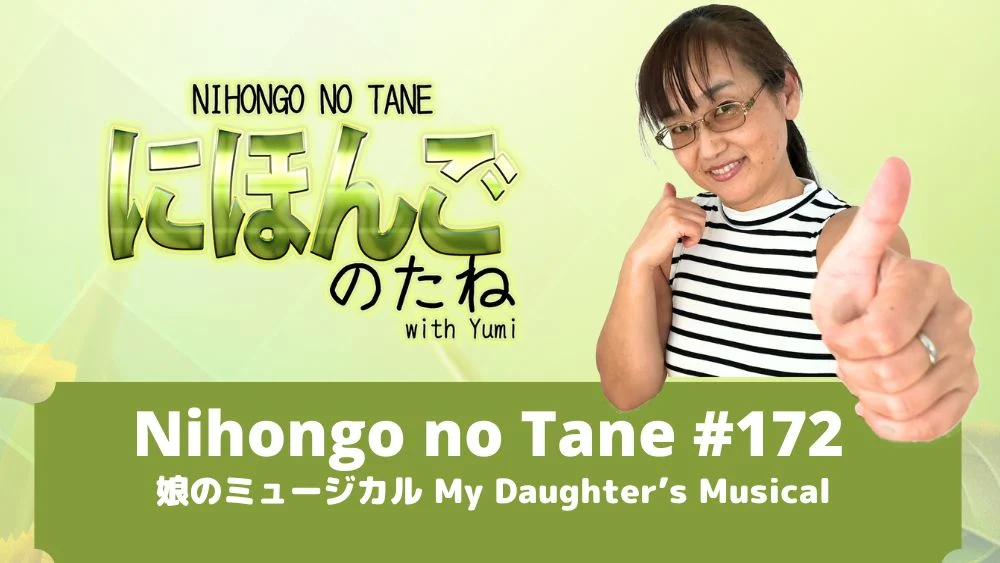
Introduction: The Power of Personal Storytelling in Language Learning
In the world of language acquisition, the bridge between textbook grammar and real-world fluency is often found in the nuances of personal narrative. Nihongo no Tane, a cornerstone podcast for Japanese language learners, has long specialized in turning the mundane and the momentous events of daily life into accessible listening material. Its latest episode, titled "My Daughter’s Musical," offers more than just a lesson in intermediate-level Japanese; it provides an intimate look at the dedication, sacrifice, and eventual triumph involved in the performing arts, all while serving as a pedagogical tool for upper-beginner to intermediate students.
The episode centers on Yumi, the podcast host, as she chronicles her 17-year-old daughter’s transformative summer. What began as a singular, nervous audition evolved into a rigorous season of rehearsals and, ultimately, a triumphant series of nine stage performances. This narrative arc serves as a microcosm for the dedication required to master any craft—be it musical theater or the Japanese language itself.
The Chronology of a Summer Performance
To understand the significance of this episode, one must look at the timeline of the production described by Yumi. The journey did not begin on the stage, but in the quiet, nerve-wracking moments of preparation.
Phase 1: The Audition
The narrative opens with the uncertainty of the audition. For a teenager, the prospect of performing in a musical is an exercise in vulnerability. Yumi details the internal preparation, the selection of audition material, and the psychological hurdle of standing before judges. This stage of the process highlights the essential Japanese vocabulary related to courage, decision-making, and self-expression.
Phase 2: The Rehearsal Grind
Following the successful audition, the focus shifts to the "summer of rehearsals." The reality of theatrical production is often far from the glamour of the final show. Yumi describes the long hours, the repetitive drilling of choreography, and the collaborative effort required to synchronize an ensemble cast. For language learners, this section is a goldmine for understanding the cultural emphasis on doryoku (effort) and kyōchōsei (cooperation) within Japanese social structures.
Phase 3: The Nine Performances
The climax of the story is the run of nine performances. Yumi describes the emotional crescendo—the backstage camaraderie, the technical challenges of live theater, and the inevitable "curtain call" relief. This segment allows listeners to engage with descriptive language, emotive adjectives, and the past-tense structures essential for storytelling in Japanese.
Supporting Data: Why This Method Works
The effectiveness of Nihongo no Tane as a teaching tool is rooted in the "Comprehensible Input" hypothesis developed by linguist Stephen Krashen. By providing listeners with a narrative they can mentally visualize, the podcast lowers the "affective filter," making it easier for the brain to process vocabulary and syntax.

The Educational Framework
The episode is structured to support learners in three specific ways:
- Contextualized Vocabulary: Instead of rote memorization, students encounter terms related to theater and family life within a coherent, engaging story.
- Pacing for Comprehension: By catering specifically to the "upper-beginner to intermediate" demographic, the podcast maintains a speed that is challenging enough to encourage listening comprehension but slow enough to remain intelligible.
- Active Engagement: The inclusion of comprehension questions forces the listener to move from passive hearing to active analysis. This transition is critical for moving from an intermediate to an advanced level of proficiency.
Digital Integration and Accessibility
The article notes that the Makoto+ platform serves as the repository for this content. With over a hundred podcasts available, the platform offers more than just audio; it provides transcripts, shadowing sentences, and cultural insights. The shift toward digital-first language learning has proven that learners are no longer satisfied with static textbooks. They demand dynamic, serialized content that reflects the complexity of modern life.
Official Perspectives: The Philosophy Behind Nihongo no Tane
While the podcast is Yumi’s creative output, it is underpinned by the broader mission of the Makoto+ community. The editorial philosophy is clear: language learning should not be a chore, but an exploration of culture.
"Language is a window into the human experience," says one of the lead developers of the platform. "When a parent tells the story of their daughter’s musical, they aren’t just teaching grammar; they are teaching the listener how to relate to Japanese people on a human level. They are learning about the expectations placed on students in Japan, the support systems parents provide, and the shared joy of a successful endeavor."
The platform’s commitment to providing "bonus content" such as haiku lessons and tongue twisters suggests a holistic approach to education. They argue that language is inseparable from art, history, and rhythm. By surrounding the core podcast episodes with these supplementary materials, they create an immersive environment that compensates for the lack of a physical classroom.
Implications: The Future of Language Learning
The success of episodes like "My Daughter’s Musical" points to a broader trend in the EdTech industry: the rise of "Narrative-Driven Learning."
The Shift from Static to Dynamic
Traditional curricula often fail because they rely on stilted dialogues that feel unnatural. Nihongo no Tane succeeds because it feels like a genuine conversation. This has significant implications for how language schools and self-study programs will operate in the future. As AI and automated translation tools become more sophisticated, the value of learning a language shifts away from mere communication of facts toward the ability to share stories and connect culturally.

Community as a Catalyst
The inclusion of "Click to Tweet" prompts and the emphasis on membership benefits highlights another shift: the role of community in language acquisition. Learners today want to feel part of a cohort. By providing forums, shared transcripts, and the ability to track progress through a membership model, Makoto+ fosters a sense of accountability. The story of the daughter’s musical becomes a shared experience among subscribers, who discuss the vocabulary and the content, effectively turning the podcast into a social event.
Conclusion: A Lesson in Persistence
The narrative of a 17-year-old girl navigating the highs and lows of her first musical is, at its core, a universal story. It is a story about the transition from fear to confidence, from amateurism to professionalism.
For the Japanese language learner, this episode of Nihongo no Tane serves as a poignant reminder: the journey to fluency is much like a stage performance. There will be rehearsals—the late-night study sessions, the moments of confusion, and the times when you feel you have forgotten your lines. But if you persist, if you keep engaging with the material, the result is a rewarding performance of your own.
As Yumi’s daughter learned, the hard work of the summer was not just for the sake of the performance; it was for the growth that happened during the process. Similarly, the work that learners put into understanding the nuances of these podcasts is the very substance of their intellectual growth. Whether you are a casual listener or a dedicated Makoto+ member, the lesson is clear: keep listening, keep questioning, and keep participating in the narrative of the language.
Key Takeaways for Students:
- Active Listening: Use the comprehension questions provided to test your retention immediately after listening.
- Vocabulary Retention: Focus on the "Key Vocabulary" list provided in the episode notes, as these words are chosen for their high-frequency utility in daily Japanese.
- Shadowing: Use the transcript to "shadow" the host, mimicking the cadence and emotional inflection used in the story. This is the fastest way to improve your speaking confidence.
For those seeking to further their studies, the complete archive of Nihongo no Tane podcasts, along with comprehensive transcripts and educational resources, remains available through the Makoto+ platform, offering a structured path to mastery for those willing to commit to the rehearsal of language.


 Neng Nana
 Asro
Asro