Sagoh
Sagoh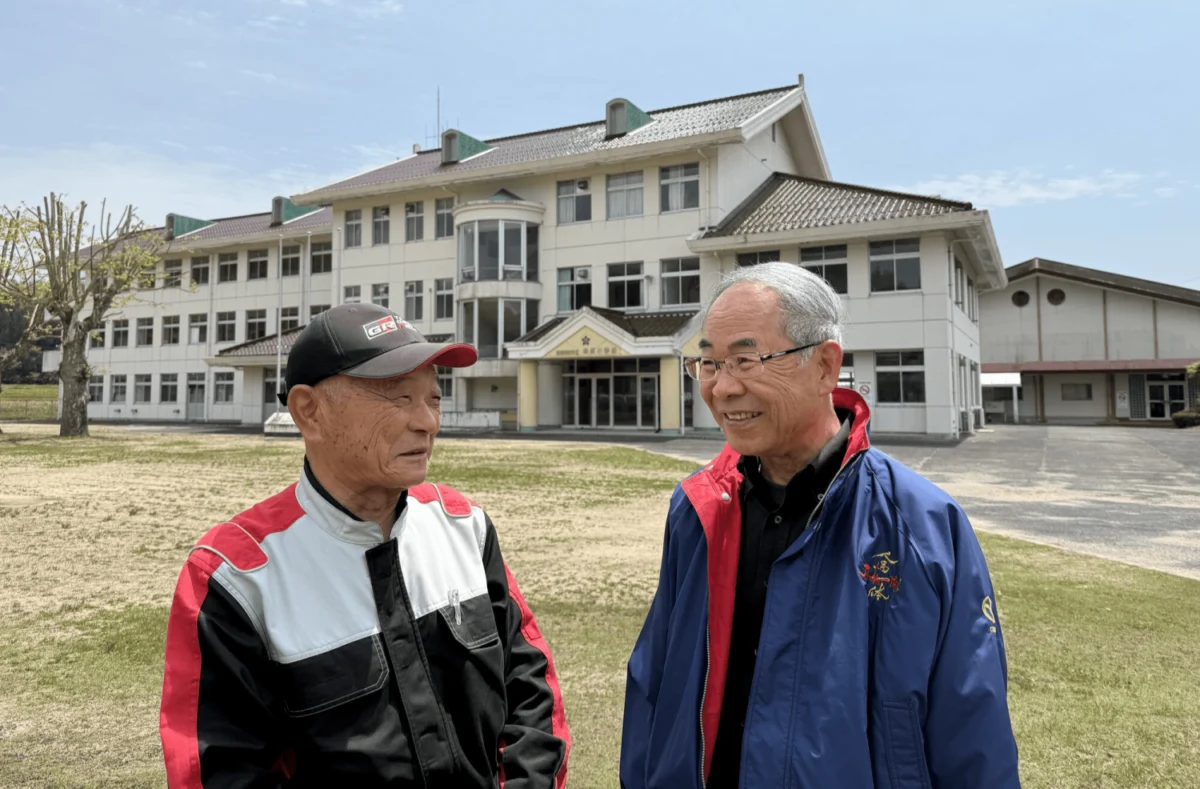
By [Your Name/Journalist Desk]
May 2026
In the quiet, verdant hills of Akitakata, Hiroshima Prefecture, the echoes of children playing on school playgrounds have long since faded. But this summer, the former Kuruhara Elementary School is set to hum with a different kind of energy—the low, rhythmic purr of high-performance engines and the sharp, precise lines of automotive history.
On August 23, the site will officially open its doors as the "Sportscar Jinba-Ittai Museum," a sanctuary dedicated to the soul of driving. Spearheaded by local industrialist Yukiaki Sasaki and legendary Mazda engineer Takao Kijima, the project represents more than just a car collection; it is a bold attempt to marry regional revitalization with the engineering philosophy that defined a generation of Japanese sports cars.
The Philosophy of "Jinba-Ittai"
At the heart of the project is the Japanese concept of jinba-ittai—the visceral, intuitive connection between a horse and its rider. In the automotive world, this term has become synonymous with the Mazda Roadster (known internationally as the MX-5 Miata).
The museum’s namesake philosophy suggests that a car should not merely be a machine that transports a passenger from point A to point B, but an extension of the driver’s own body. When the driver turns the wheel, the car should respond with the immediacy of a limb; when the driver presses the pedal, the machine should react with the biological intent of a muscle.
By grounding the museum in this philosophy, the founders are not just creating a showroom for rare vehicles; they are creating a physical embodiment of a design ethos that transformed the global automotive market in the 1990s and continues to influence modern vehicle dynamics.
A Chronology of Vision and Revitalization
The path to the museum’s opening is a testament to the persistence of local community leaders and the passion of automotive engineers.
- Early 2020s: As Japan continues to face demographic shifts, Akitakata, like many rural municipalities, grapples with the decline of its local infrastructure, including the closure of the Kuruhara Elementary School.
- April 2026: Former Mazda chief engineer Takao Kijima makes a significant life change, relocating to the Takamiya district of Akitakata. His arrival marks the acceleration of the museum project.
- May 2026: Official announcements are made regarding the museum’s preopening, signaling a collaborative effort between Body Shop Takata and the local government.
- August 23, 2026: The scheduled preopening event, which will serve as a pilot for the museum’s full operations, inviting enthusiasts to witness the transformation of the historic school site.
The Architects of the Dream
The project is driven by two men with distinct but complementary backgrounds. Yukiaki Sasaki, president of Body Shop Takata, brings the industrial expertise and local infrastructure knowledge required to convert a former educational facility into a high-grade exhibition space.
However, it is the involvement of Takao Kijima that has sent ripples of excitement through the global automotive community. Kijima is a titan in the world of vehicle engineering. As the former chief engineer for the Mazda Roadster, he was responsible for overseeing the evolution of the car that saved the affordable, lightweight sports car segment. His decision to move to Akitakata is not merely a retirement hobby; it is a calculated effort to foster a new "pilgrimage site" for motorsports enthusiasts, potentially drawing international tourism to a region that has historically remained off the beaten path.
Supporting Data: The Impact of Automotive Tourism
The decision to build the museum in a rural area is supported by a growing trend in "special interest tourism." Automotive museums worldwide have proven to be significant economic drivers.
- Regional Revitalization: Rural municipalities in Japan have increasingly turned to "niche tourism" to combat population decline. By providing a destination that is unique, specialized, and highly targeted, Akitakata hopes to attract high-value visitors—those who travel specifically for their passion for automotive history.
- The "Miata" Factor: With over one million units sold globally, the Mazda Roadster/MX-5 is the best-selling two-seater sports car in history. This massive, global base of loyal owners represents a ready-made demographic for the museum.
- Historical Preservation: Repurposing the Kuruhara Elementary School serves as a case study in sustainable architecture. Rather than demolishing aging public buildings, the project demonstrates how cultural assets can be recontextualized to serve modern community and commercial needs.
Official Perspectives and Community Reception
Local government officials in Akitakata have expressed cautious optimism regarding the project. For the city, the museum is a vital piece of a larger puzzle to revitalize the Takamiya district.

"We are not just looking at a museum," a local representative noted in a preliminary briefing. "We are looking at a hub that invites people to experience the winding, scenic roads of Hiroshima, which are perfectly suited for the types of cars we intend to display."
The project has also received a warm reception from the Mazda engineering community. While the museum is an independent entity, its association with Kijima lends it an air of institutional legitimacy. It is expected that the museum will host technical workshops, guest lectures from automotive designers, and driving tours that utilize the challenging and picturesque topography of the Chugoku region.
Implications for the Future of Automotive Culture
The opening of the Sportscar Jinba-Ittai Museum carries several profound implications for the future of the automotive industry and heritage preservation.
1. The Shift to "Experience-Based" Heritage
Traditional museums are often static—rows of cars behind velvet ropes. The Kijima-led project aims to be different. Given the location—a sprawling school campus—the intent is to create an "interactive heritage" site. This includes the potential for test-drive events on local circuits and "cars and coffee" style gatherings that encourage owners of classic sports cars to interact with the exhibits.
2. A Blueprint for Rural Japan
If successful, the museum could serve as a replicable model for other rural Japanese towns. By identifying a local industry, historical strength, or specific cultural niche, municipalities can leverage private-sector expertise to drive tourism and maintain local identity. The synergy between the automotive industry—a cornerstone of the Hiroshima regional economy—and local revitalization is a powerful combination.
3. Preserving the Analog Era
In an era dominated by the rapid transition to electric vehicles (EVs) and autonomous driving, there is a growing fear that the "analog" joy of driving will be forgotten. By celebrating the mechanical simplicity and driver-centric focus of cars like the Roadster, the museum acts as a guardian of a specific era of automotive history. It serves as a reminder that for many, the car is not just a tool, but a medium through which to experience the road.
Looking Ahead: The August 23rd Preopening
As the date for the preopening approaches, the focus is on finishing the restoration of the school grounds. The transition from a place of elementary education to a shrine of internal combustion and chassis tuning is nearly complete.
Visitors to the museum can expect more than just a collection of cars. They will be invited into a space that honors the intellectual rigor of engineering. Each display is expected to highlight the technical breakthroughs that allowed the Roadster to achieve its famous 50/50 weight distribution and its signature handling characteristics.
For Takao Kijima, the museum is the culmination of a lifetime of engineering. For Akitakata, it is a second chance for a site that once served the community’s children to now serve the community’s future. Whether the project will indeed become a global destination for motorsports enthusiasts remains to be seen, but the intent is clear: to ensure that the spirit of jinba-ittai continues to thrive, not just in the cars on the road, but in the hearts of those who appreciate the art of the drive.
As summer approaches, all eyes in the automotive world will be on this small school in Hiroshima, watching as it turns the ignition for the very first time.


 Neng Nana
 Asro
Asro