
 Jia Lissa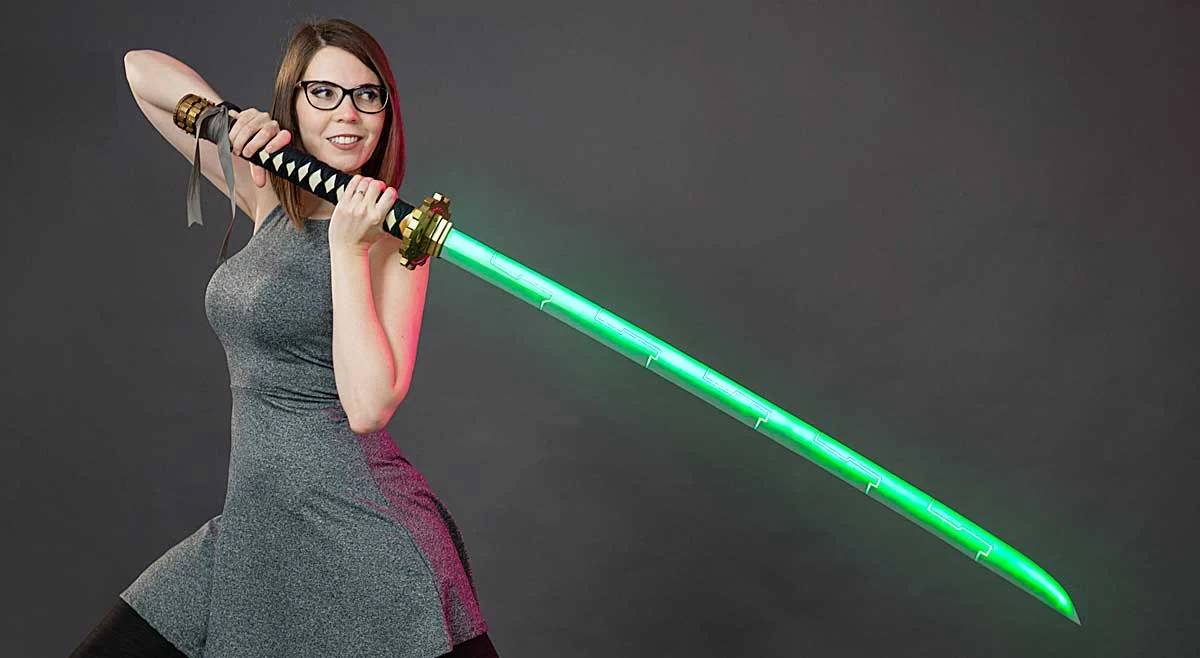
In the high-stakes world of professional prop-making, few names command the respect and admiration of the community quite like Kamui Cosplay. Known for their intricate armor sets and elaborate fantasy weaponry, the duo—comprising Svetlana and Benni—has once again pushed the boundaries of what is possible in the maker space. Their latest project, a fully functional, LED-integrated replica of the Karakuri Katana from Electronic Arts’ action-RPG Wild Hearts, serves as a masterclass in modern craftsmanship, 3D modeling, and electronic engineering.
Main Facts: The Intersection of Gaming and Hardware
The project originated from a direct collaboration with Electronic Arts to promote the release of Wild Hearts. The challenge was significant: replicate the game’s signature weapon, which features a unique “transformative” aesthetic and a dynamic light-up sequence, into a tangible, durable, and impressive physical prop.
The result is a show-stopping piece of equipment that goes beyond mere aesthetics. By incorporating high-intensity LEDs and onboard sound modules, the prop mirrors the in-game action of the Karakuri Katana. The sword does not merely look like a static model; it hums with energy, effectively bridging the gap between virtual fantasy and reality. For fans of the game, it represents the ultimate immersion—a physical manifestation of a weapon that, until now, existed only as lines of code and high-resolution textures.
A Chronological Breakdown of the Build
The creation of the Karakuri Katana was a sprint, completed within the span of a single week. While a seven-day timeline might seem impossibly tight for such a complex build, it was made possible by the pair’s rigorous workflow and deep expertise in digital fabrication.
Phase 1: Conceptualization and 3D Modeling
The process began with Benni utilizing Blender to construct the sword from scratch. Unlike many prop-makers who rely on pre-existing game assets (which often require significant cleanup for 3D printing), the team opted to model the katana specifically for printability. This meant designing internal channels for wiring, ensuring structural integrity for the thin-walled blade, and planning for the precise placement of the battery and sound components.
Phase 2: The Printing Process
With the model finalized, the team utilized an ABS 3D printer, specifically the Creality CR-M4. The choice of white ABS was strategic; it provided a clean, durable base that could easily be diffused by the internal LED lighting. The large build volume of the CR-M4 allowed for the printing of larger structural components, reducing the need for excessive seams and sanding.
Phase 3: Integration and Electronics
Mid-week saw the transition from physical plastic to functional hardware. Drawing inspiration from open-source resources—most notably the Adafruit "Lightsaber FeatherWing" tutorial—the team wired the electronics to handle both the light sequences and the sound effects. This was the most technical phase, requiring precise soldering and the creation of a logic loop that triggers the audio-visual feedback when the sword is "activated."
Supporting Data: The Technical Foundation
The success of this project is a testament to the evolution of the “maker” ecosystem. The build relied on several key pillars of technology:
- Software: Blender served as the primary architectural tool. The team’s proficiency in this software is documented in their instructional literature, 3D Printing and Modeling, which serves as a guide for enthusiasts looking to replicate their workflow.
- Hardware: The Creality CR-M4, a large-format printer, provided the mechanical backbone. Its 25-point auto-leveling and high-temperature extrusion capabilities are critical when working with materials like ABS, which are notorious for warping if temperatures are not strictly maintained.
- Electronics: By utilizing concepts from the Adafruit FeatherWing ecosystem, the team demonstrated how open-source electronics have democratized prop-making. What was once the domain of electrical engineers can now be achieved by artists with a passion for learning.
The accessibility of this project is further highlighted by the fact that Kamui Cosplay has made the files for the LED Katana available on their shop. By providing the blueprints, they have effectively transitioned from project creators to industry educators, allowing hobbyists to attempt a high-level build that would have been considered impossible for a home-based creator just a decade ago.

Official Responses and Collaborative Impact
The collaboration with Electronic Arts represents a growing trend in the gaming industry: the formal recognition of the cosplay community as a vital marketing partner. By engaging professional makers to bring Wild Hearts items to life, EA not only generated high-quality promotional material but also provided a legitimate path for fans to engage with the game’s lore.
In their official blog post regarding the project, Kamui Cosplay expressed their gratitude to the community and their partners. "Electronic Arts asked us to bring our favorite weapon from their new game Wild Hearts to life, and I’m so excited to finally build the sword of my dreams!" Svetlana noted. The project was not merely a commission; it was an expression of creative passion. The acknowledgement of Adafruit’s influence also underscores the importance of the open-source hardware community, where information sharing drives innovation across creative fields.
Implications for the Future of Prop-Making
The Wild Hearts Karakuri Katana project serves as a bellwether for the future of hobbyist craftsmanship. Several key implications arise from this successful build:
1. The Proliferation of "Smart" Props
We are moving away from the era of static, foam-based props. The modern standard now demands interactivity. As microcontrollers become smaller, more affordable, and easier to program, the expectation for props to "do something"—light up, move, or make sound—will only grow. The Kamui Katana proves that this is no longer a luxury but a feasible requirement for high-end cosplay.
2. Digital Assets as Physical Blueprints
The role of the 3D modeler is becoming increasingly critical. Because these artists are creating models that are intentionally designed for printing, the "barrier to entry" for beginners is lower than ever. When creators like Kamui share their 3D files, they are essentially providing a "digital kit" that democratizes the creation of professional-grade replicas.
3. The Symbiosis of Industry and Community
Gaming companies are realizing that the most effective way to foster a dedicated player base is to embrace the creative energy of the community. By providing the source material and supporting creators, companies like EA turn their intellectual property into a living, breathing part of the real world. This symbiotic relationship provides makers with visibility and resources, while the gaming companies receive authentic, high-quality promotional content that resonates with their target audience.
4. The Value of Continuous Education
The team’s emphasis on their 3D printing and modeling book highlights the importance of the "how-to" economy. The professional maker space is no longer just about the final product; it is about the pedagogy behind the process. By teaching others how to build, these professionals ensure the longevity and growth of the craft.
Conclusion: A Blueprint for Aspiring Makers
The creation of the Karakuri Katana is more than a successful social media post; it is a snapshot of the current state of technology and art. With a 3D printer, a grasp of Blender, and a foundational understanding of electronics, the possibilities for what can be created in a home studio are virtually limitless.
For those inspired by this project, the message is clear: the tools are available, the knowledge is accessible, and the community is supportive. Whether one is a seasoned veteran of the convention circuit or a newcomer picking up their first 3D printer, the journey from digital design to physical reality has never been more attainable. As the Wild Hearts Katana continues to circulate through the digital ether, it serves as a reminder that the best way to honor our favorite games is to bring them into our own hands.

 Siti Muinah
 Azzam Bilal Chamdy





