Rifan Muazin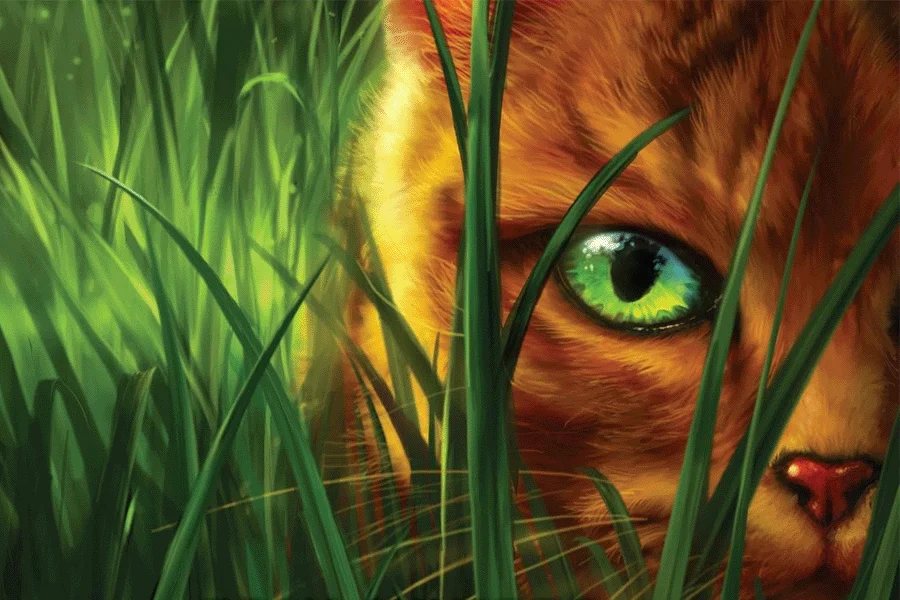
For millions of readers who grew up during the turn of the millennium, the name "Erin Hunter" evokes a specific, visceral memory: the smell of damp pine needles, the thrill of a border skirmish, and the complex, often brutal political landscape of forest-dwelling felines. What began as a series of children’s novels has quietly grown into a cultural monolith, selling 90 million copies worldwide and anchoring a digital community that thrives on the pulse of modern social media.
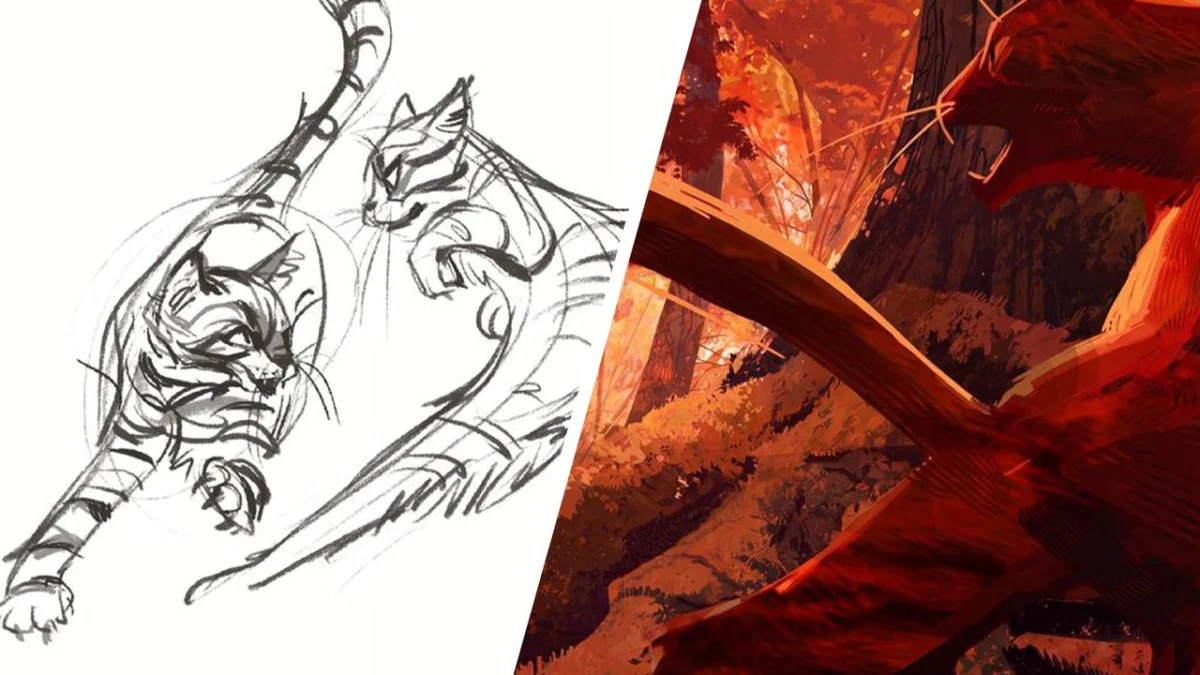
Now, the world of Warrior Cats is set to transcend the printed page. After nearly a decade of industry speculation and one high-profile false start, an official animated series is officially in development. This project, a partnership between the IP’s owner, Coolabi, and the media powerhouse Tencent Video, promises to bring the saga of the Clans to life, marking a significant milestone in the evolution of modern children’s literature.
The Foundations of a Feline Epic
To understand the significance of this adaptation, one must first appreciate the scope of the Warrior Cats phenomenon. Launched in 2003 with the inaugural novel Into the Wild, the series chronicles the lives of four (and later five) feral cat Clans—ThunderClan, ShadowClan, WindClan, RiverClan, and SkyClan—living in a wilderness they call "the forest."
Under the collective pseudonym "Erin Hunter," a group of writers—including Kate Cary, Cherith Baldry, Tui T. Sutherland, and editor Victoria Holmes—constructed a narrative universe that defied the conventional tropes of animal stories. Rather than anthropomorphic "cuddly" pets, the characters are governed by a strict, quasi-feudal code of honor, intricate religious rituals, and an uncompromising approach to life and death.
Critics and fans alike have long drawn parallels between the series and high-fantasy staples like George R.R. Martin’s Game of Thrones. The stories are marked by complex political alliances, devastating betrayals, intergenerational trauma, and a geopolitical struggle for resources and territory. It is this depth that has allowed the series to cultivate an incredibly dedicated, multi-generational audience.
Chronology: From Concept to Screen
The journey to the screen has been a long and winding road, reflective of the challenges inherent in adapting a sprawling, lore-heavy literary series.
- 2003: The publication of Into the Wild introduces the world to Rusty, a house cat who joins ThunderClan and ascends the ranks to become Firestar.
- 2003–2015: The series grows exponentially in popularity, spawning multiple sub-series, manga adaptations, and a vast array of "super editions."
- 2016: A feature film adaptation is announced. For a brief period, fans held their breath, but the project ultimately stalled, eventually being shelved as the rights holders sought a more sustainable path for the IP.
- 2024: After years of silence regarding major screen adaptations, The Hollywood Reporter confirms that an animated series is in active development.
The current project is spearheaded by a formidable creative team. A.C. Bradley, known for her acclaimed work as the showrunner on Marvel’s What If…? and Ms. Marvel, has been tapped to lead the series. Joining her is director Rodrigo Blaas, whose pedigree includes the visually stunning and narratively rich Trollhunters: Tales of Arcadia. This combination of high-concept writing and proven animation direction suggests a commitment to quality that was perhaps missing in earlier, failed attempts.
Supporting Data: The Power of the Fandom
The decision to greenlight an animated series is backed by staggering metrics. According to Coolabi, the Warrior Cats franchise is not just a book series; it is a digital ecosystem.
The numbers are, by any standard, industry-leading:
- Sales: 90 million copies sold globally across 38 languages.
- YouTube: The fan-created content ecosystem, dominated by "Warrior Cats AMVs" (Animated Music Videos) and fan-theories, has generated over 50 million views per month.
- TikTok: The IP commands an astonishing 3 billion views per month, fueled by a generation of digital-native fans who create art, roleplay, and narrative discussions centered on the Clans.
This digital footprint is crucial. It represents a "built-in" audience that is not only vast but also highly engaged. Unlike many adaptations that have to build a fan base from scratch, the Warrior Cats series arrives with a global community already primed to consume, critique, and promote the show.
Official Responses and Creative Vision
The announcement has been met with measured optimism, both from the corporate entities involved and the veteran creative team.
"We’re excited to partner with Coolabi on Warrior Cats, a franchise that embodies the future of global storytelling," said Tina Ma, Co-President and COO of Tencent Video. "Together we’re bringing the beloved Warrior Cats world to new platforms and markets in a way that feels both familiar and fresh, creating an animated series designed to captivate existing fans and win new ones."
For the creative team, the challenge lies in balancing the density of the original text with the pacing required for a modern television audience. The series is set to focus on the first story arc, The Prophecies Begin, which documents the journey of Firestar from a "kittypet" (house cat) to the savior of his Clan. By centering the story on this classic arc, the showrunners are clearly aiming to establish a foundation that is accessible to newcomers while respecting the source material that loyalists hold dear.
Implications for the Future of YA Adaptations
The success—or failure—of the Warrior Cats animated series will have broader implications for the entertainment industry’s approach to "middle-grade" fantasy.
First, it validates the strategy of mining "long-tail" literary properties. For years, studios focused on the "next Harry Potter"—a single, massive literary event. Warrior Cats represents a different model: a continuous, long-running series with an active, self-sustaining fan base. If this series succeeds, it could trigger a wave of investment in similar properties that have been ignored by traditional Hollywood gatekeepers.
Second, the involvement of Tencent Video highlights the increasingly global nature of franchise development. By moving beyond a purely Western production model, the Warrior Cats team is positioning the show for a truly international release, potentially tapping into markets where the books have already found immense success but where local adaptations have been absent.
Finally, the inclusion of toy tie-ins suggests a holistic approach to the "transmedia" strategy. The producers understand that today’s young fans want to interact with the IP across multiple platforms—screen, page, and physical play. By integrating merchandise early in the development cycle, the team is ensuring that the brand presence remains consistent.
Conclusion: A New Era for the Clans
As the production moves forward, the primary question remains: can the screen capture the "warrior ethos" that defined the books? The series is not merely about talking cats; it is about honor, the burden of leadership, and the struggle to maintain one’s identity in the face of brutal external pressures.
While there is no official premiere date, the industry is watching closely. For a generation of fans who grew up hiding these books under their pillows, the promise of seeing ThunderClan in motion is a dream long deferred. If the creative team can harness the raw, often dark intensity of the novels while leveraging the advanced animation techniques available today, Warrior Cats may well become the defining fantasy franchise of the next decade.
The forest is waiting. For the first time in twenty years, the Clans are stepping out of the pages and into the light of the screen—and they are bringing a 90-million-strong legion of fans with them.

 Nila Kartika Wati
 Siti Muinah