

By Kévin Giraud | May 14, 2026
At its heart, the human experience is a desperate, often messy search for affection. This universal ache serves as the thematic bedrock for the Savage family, a quintessentially dysfunctional Parisian clan whose domestic frictions provide the backdrop for Blaise, the latest animated feature to make a splash at this year’s Cannes Film Festival. Selected for the prestigious ACID competition, the film marks a significant milestone for creator Dimitri Planchon and director Jean-Paul Guigue, signaling the maturation of a project that began as a humble comic strip nearly two decades ago.
The Anatomy of a Dysfunctional Household
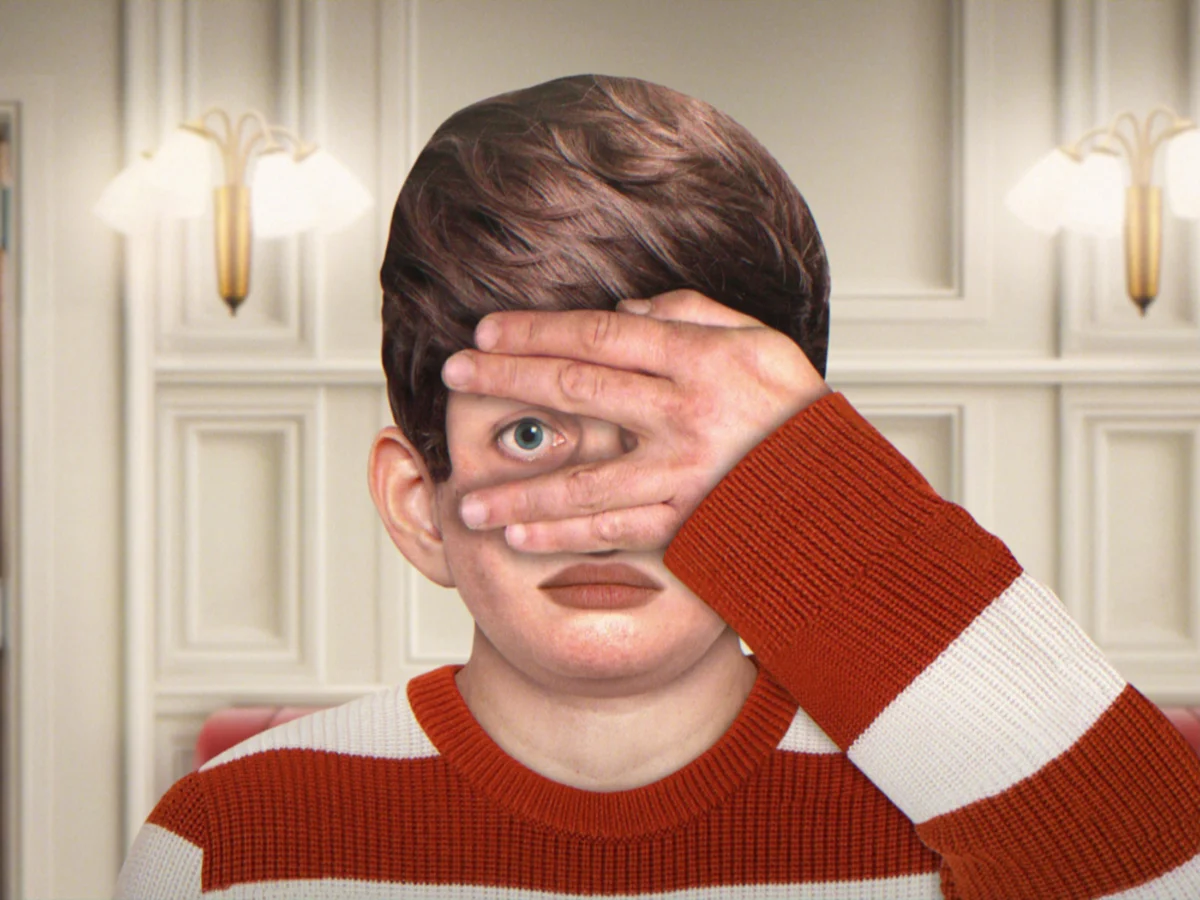
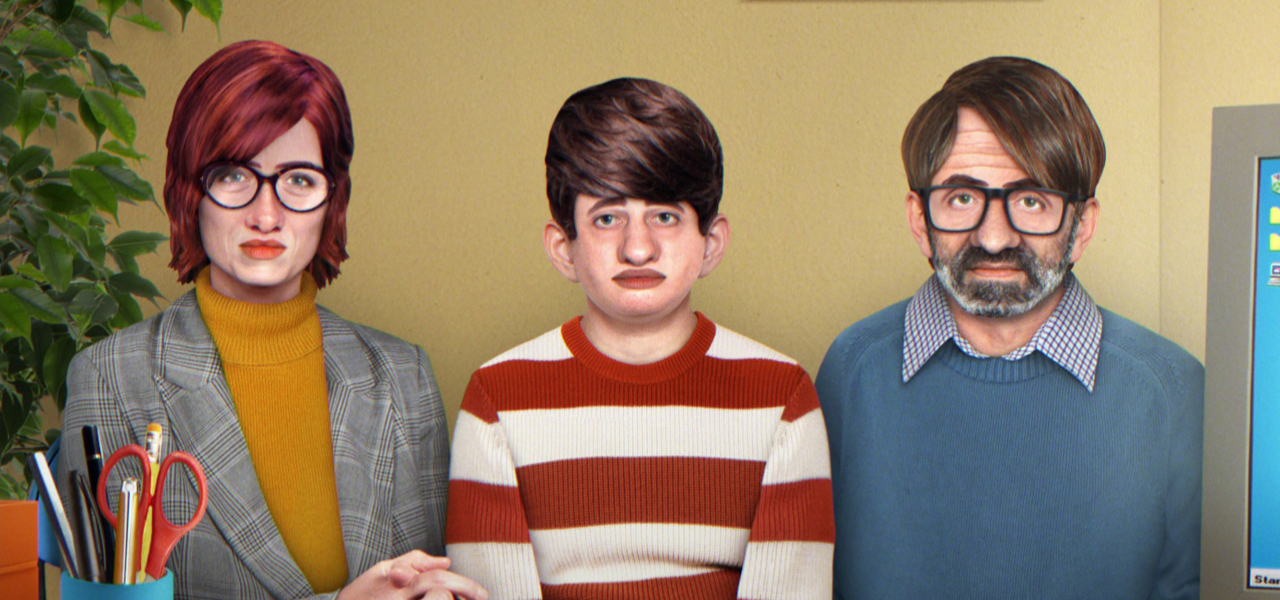
The narrative of Blaise centers on the eponymous protagonist, a 16-year-old boy struggling to navigate the treacherous waters of adolescence while trapped in a household defined by comedic instability. His mother, Carole, is a woman whose desperate need for validation leads her to perform acts of performative kindness for employees who openly despise her. His father, Jacques, occupies the other end of the spectrum: a man who has never held a steady job and clings to a fragile sense of superiority despite a glaring lack of professional or social achievement.
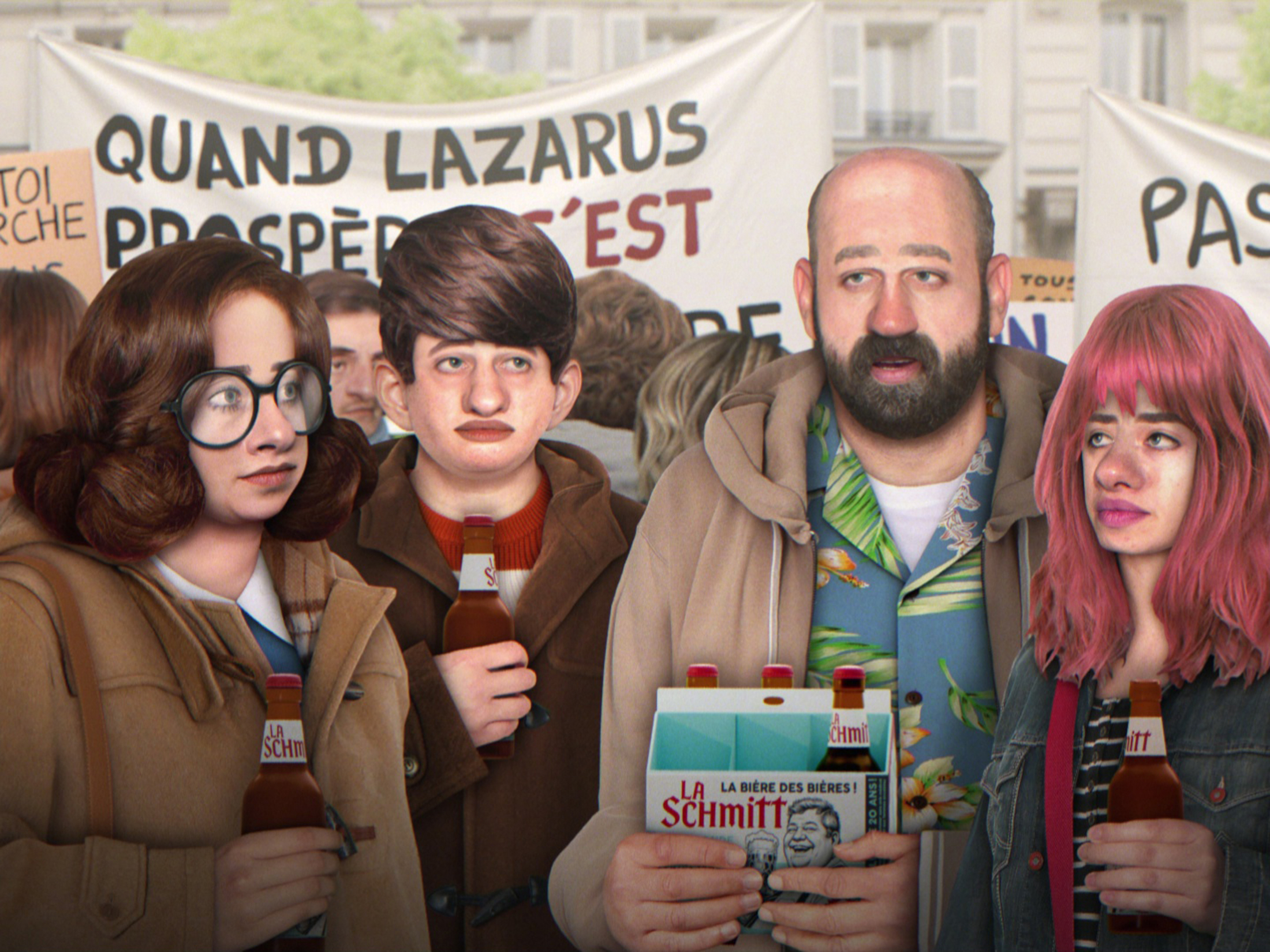
Caught in the middle is Blaise, an introverted teenager whose defining characteristic—a lack of a strong personality—makes him a leaf in the wind. His quiet, compliant existence is upended when he encounters Josephine. Under her influence, the once-pliable Blaise finds himself swept into a radical, violent, and entirely impromptu crusade. It is a coming-of-age story twisted through the lens of absurdism, exploring how the lack of a moral or emotional anchor in a family can lead an impressionable youth to seek meaning in the most volatile of places.
A Chronology of Creation: From Fluide Glacial to the Croisette
The journey of Blaise is a testament to the organic growth of intellectual property in the digital age. Dimitri Planchon, a fine arts graduate from Strasbourg, first breathed life into the character in 2009. His early work appeared in the legendary French magazine Fluide Glacial, where the character’s quirky design and cynical humor quickly found an audience.
As the years passed, the project gained momentum. Following its success in Fluide Glacial, the narrative expanded into the pages of L’Echo des Savanes, eventually catching the eye of major publisher Glénat, which began compiling the strips into full-length albums. The transition to the screen occurred in 2016, when Planchon collaborated with director Jean-Paul Guigue to produce a 30-episode series for the French-German broadcaster Arte.
The series, which ran for three-minute segments, proved that the surreal, static-heavy aesthetic of Planchon’s drawings could translate into a dynamic television format. The transition to a full-length feature film in 2026—bringing the characters to the big screen at Cannes—represents the culmination of this decade-long refinement of the "Savage" universe.
The Creative Philosophy: Weirdness as DNA
For Planchon and Guigue, the project is less about rigid planning and more about "tinkering." Planchon cites his formative childhood experience—watching Disney’s Dumbo at the Cannes Film Festival as a three-year-old—as his first encounter with the power of animation. While he does not claim it as the sole catalyst for his career, it instilled in him an early appreciation for the medium’s ability to etch memories into the subconscious.
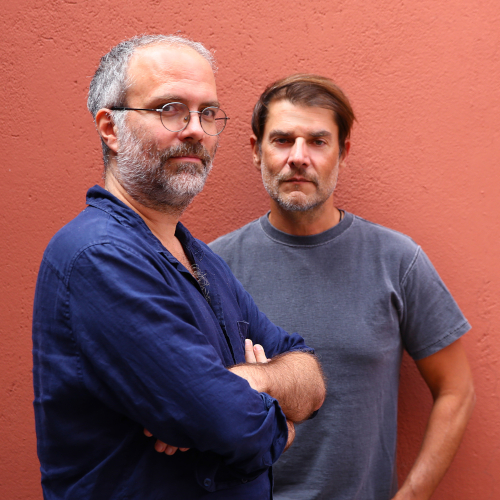
Jean-Paul Guigue, a veteran with over 30 years in the industry and a long-standing association with the studio Je Suis Bien Content, shares this artisanal approach. "What attracted me was the craft and the community," Guigue explains. "The idea that one can tinker with images, blend them in magical machines called computers, and have complete control over the whole creative process to build a story was really appealing to me."
This philosophy of "tinkering" is evident in the production’s approach to technology. While many studios are currently pivoting toward generative AI or high-end 3D rendering, the Blaise team intentionally doubled down on the 2D, paper-cut-out-style aesthetic that characterized the original comic.
Bridging the Gap: Technical Innovations and Artistic Integrity
One of the most compelling aspects of the film’s production is its commitment to the "old is gold" philosophy. In an era where technological spectacle often overrides character development, Planchon and Guigue resisted the urge to modernize the visual language of the film.
"It just felt more natural," Guigue notes regarding the decision to eschew full 3D integration. "The staging we had developed was already to our taste, and bringing full 3D shots into the mix felt out of place."
To achieve a high-quality aesthetic without sacrificing their signature style, the team implemented a new photo studio workflow. By treating the production like a collage—blending real-world costumes, scanned textures, and digital manipulation—they managed to evolve the look of the series for the feature format while remaining tethered to the original comic’s spirit. The project relied on a streamlined suite of software, primarily Adobe After Effects, Storyboard Pro, Photoshop, and Premiere, allowing the directors to maintain granular control over every frame. This hands-on management, while labor-intensive, ensured that the film’s unique, slightly off-kilter design remained consistent throughout its 80-minute runtime.
The Human Element: Voice Acting as Theater
A departure from the 2016 television series was the recording process for the feature. While the series utilized individual recording sessions for actors, the duo insisted on group sessions for the film. This change fundamentally altered the chemistry of the dialogue.
"It’s almost a radio performance," Guigue explains. "Having five or six comedians firing lines at one another also invites those tiny accidents that create the flavor and intensity of our film." This theater-like approach was essential for a script that relies heavily on misunderstandings and the frantic, neurotic cadence of the Savage family. By allowing the actors to interact in real-time, the directors captured a level of spontaneity that is often lost in traditional, isolated animation recording.
Implications for Independent Animation
The success of Blaise at Cannes carries significant implications for the independent animation sector. It proves that there is a viable, enduring market for projects that prioritize singular, quirky artistic visions over mass-market, tech-heavy trends. The fact that the production team remained small, budget-conscious, and tightly knit allowed for a level of creative purity that is increasingly rare in the feature film space.
Furthermore, the film serves as a case study for the "transmedia" approach to storytelling. By allowing the characters to grow with their audience—from the preteen antics in the 2016 series to the darker, more complex adolescent themes of the 2026 feature—the creators have built a narrative arc that feels earned.
Looking Ahead
As the world premiere concluded in a packed Cannes screening room, the atmosphere was one of relief and cautious optimism. For Planchon and Guigue, the festival is not just a destination, but a brief pause in a relentless cycle of creation.
"We were putting the final additions to the credits in place only a few days ago," Planchon says. "On one hand, it’s great that the film is being appreciated. But on the other, it’s also very frightening."
Despite the exhaustion of the production cycle, the duo has already begun discussing future endeavors. The "Savage" universe has proven to be a fertile ground for social satire and character study, and there is no shortage of material to explore. For now, however, the creators are content to let their 16-year-old protagonist find his place in the world, just as they have found theirs—somewhere between the ink of a page and the glowing light of the cinema screen. As Planchon puts it with characteristic humility, "I wouldn’t know what else to do."









No comments yet. Be the first to join the conversation!