

In an era where consumer skepticism toward traditional advertising is at an all-time high, brands are increasingly struggling to bridge the gap between creative ambition and genuine audience resonance. However, for SheaMoisture, the launch of their "Silk Press in a Bottle" product served as a masterclass in how to invert the conventional marketing funnel. By prioritizing deep-data listening over top-down messaging, the brand did more than just sell a product; it successfully disrupted a category by solving long-standing consumer pain points.
The campaign, developed in partnership with the influencer agency Collectively, resulted in millions of views and a staggering doubling of sales during peak retail periods. The secret, according to those behind the curtain, was not in the budget, but in the methodology: a disciplined, listening-first approach that transformed social media chatter into a multi-channel commercial powerhouse.
The Genesis of an Idea: Listening Before Briefing
Modern marketing often begins with a creative brief, but SheaMoisture’s team initiated their process in the digital trenches. Before a single frame was filmed or a single contract signed, the brand spent months meticulously observing the organic discourse surrounding haircare in the Black community.
Mapping the Pain Points
SheaMoisture’s marketing team acted as social anthropologists. They tracked thousands of videos, engaged with social media comment sections, and mapped the recurring anxieties surrounding hair maintenance. The data was consistent and revealing: users were plagued by the specter of heat damage, the fragility of curl patterns, the persistent threat of humidity, and the frustration of hair reversion—the tendency for straightened hair to return to its natural, curly state when exposed to moisture.
"When we were developing the product, the first thing we looked at was the data," explained Reema Amin, head of marketing at SheaMoisture. "The same pain points kept coming up over and over. It wasn’t about what we wanted to sell; it was about what our community was begging for."
The "Center of Gravity"
From this data emerged a singular, powerful mantra: "Silk press season never ends." This was not just a tagline; it was a promise. It directly addressed the "seasonal limitations" that had historically dictated the styling choices of Black women, who often avoided silk presses during humid months or vacations due to the high probability of reversion. By turning this constraint into an opportunity, SheaMoisture provided a solution that felt both liberating and necessary.
The Stress Test: A New Approach to Creator Selection
Once the product purpose was defined, the focus shifted to the messenger. In a landscape saturated with high-production influencer ads, SheaMoisture and Collectively sought a different path.
Moving Beyond Popularity
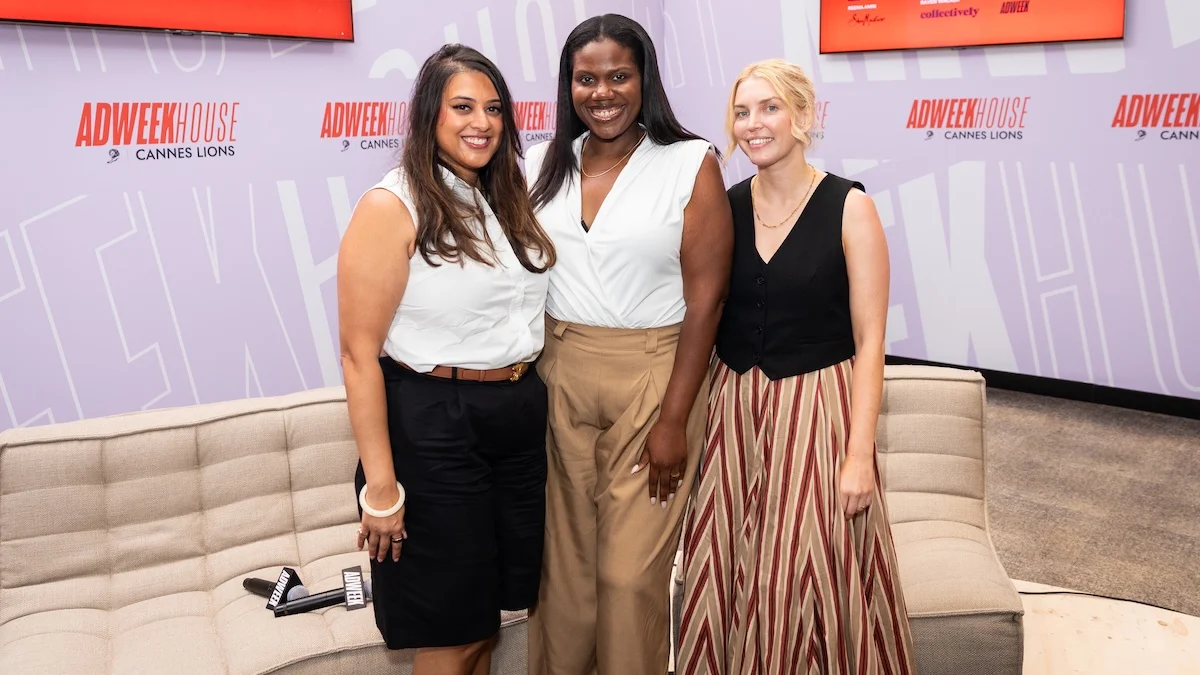
Raven Walker, SVP of client partnerships at Collectively, emphasized that the campaign avoided the common trap of selecting creators based purely on follower counts or viral trends. Instead, the team employed a strategy of "stress testing."
"It wasn’t about who’s the most popular right now," Walker noted during an ADWEEK House panel at Cannes Lions. "It’s about whose life is going to serve as the stress test for this product."
The creators were cast not as spokespeople, but as authentic proof points. The campaign architecture was designed to show the silk press in high-stakes environments—the very environments that typically cause a style to fail. Whether it was a high-energy dance session, a humid day in a tropical climate, or a bustling urban commute, the creators were placed in scenarios where they would typically experience "hair failure."
True Resonance vs. Brand Campaigning
This integration of paid and earned media from the very first brief was crucial. By allowing creators to lead the storytelling, the brand ceded control in exchange for credibility. The creators were not reading scripts; they were documenting the performance of a product within their own, real-world constraints. As Walker observed, "That’s not a brand campaign. That’s true resonance."
The Chronology of a Viral Launch
The campaign rollout was carefully sequenced to build a narrative arc that mirrored the consumer’s journey—from skepticism to discovery to proof.
Phase 1: The Seeding and Anticipation
Before the hero video was released, the team utilized a social-first rollout. This included "paparazzi-style" content and strategic seeding, which created a sense of mystery and exclusivity. By showing the product in use in candid, unpolished settings, they fostered a "what is that?" curiosity among the target audience.
Phase 2: "Sheacation" and Real-World Validation
The pinnacle of this strategy was "Sheacation," a three-day, high-visibility event in Miami. By taking a group of creators on a vacation—a scenario where most Black women would never dare to wear a fresh silk press—SheaMoisture created an undeniable demonstration of the product’s capability.
The content generated from the trip featured creators experiencing nightlife, outdoor heat, and extreme humidity. The built-in skepticism of the audience—who historically view vacations and silk presses as incompatible—was the engine that drove the content’s credibility. The product wasn’t being sold; it was being put on trial, and it passed.
Phase 3: The Retail Bridge
The campaign then moved from the digital screen to the physical shelf. A partnership with Walmart allowed consumers to transition from interest to action. Pop-up experiences enabled potential customers to sample the product in real-time and engage with a digital magazine, effectively closing the loop between social influence and brick-and-mortar sales.
Supporting Data and Commercial Outcomes
The impact of this methodology was reflected in the campaign’s quantitative performance. While the "millions of views" underscored the reach of the campaign, the retail data told a more compelling story.
- Retail Velocity: During peak retail weeks, sales of the Silk Press in a Bottle doubled.
- Engagement Quality: The engagement wasn’t just passive viewing; it translated into high-intent traffic to retail partners.
- Trust Metrics: Consumer feedback indicated that the "story-first" approach significantly lowered the barrier to purchase. Because the product had been "vetted" by creators in real-world conditions, consumers felt a higher level of confidence before the initial click.
Implications for the Future of Brand Marketing
The SheaMoisture and Collectively partnership offers a blueprint for modern marketing that relies on three core pillars: empathy, proof, and autonomy.
1. Authenticity Cannot Be Retrofitted
As Reema Amin highlighted, authenticity is not a "layer" that can be applied to a campaign in post-production. It must be woven into the product development and the partnership model from the start. Today’s consumers are hyper-aware of transactional relationships; if a brand’s partnership with an influencer feels forced, it will be rejected.
2. The Shift from Influencer to Advocate
Brands must stop viewing creators as digital billboards and start viewing them as product advocates. When brands give creators the space to tell their own stories—and specifically, when they invite them to showcase the product’s efficacy under pressure—the content shifts from "advertising" to "peer-to-peer recommendation."
3. The Power of "Listening-First"
The most profound implication is the return to basics. In a world of sophisticated AI-driven targeting, the most effective tool remains the ability to truly listen to the customer. By identifying the specific, shared anxieties of a community and creating a product that specifically alleviates those anxieties, a brand can earn a level of loyalty that no amount of advertising spend can buy.
Conclusion
The success of the "Silk Press in a Bottle" campaign serves as a powerful reminder to the industry: consumers are not looking for more ads; they are looking for solutions to their problems. By prioritizing the lived experience of their community, SheaMoisture turned a functional product into a cultural phenomenon. As Raven Walker noted, "They wanted to share it. They clicked, they bought it, and they trusted it before they ever clicked to buy."
In the future of brand-building, the most successful companies will be those that realize the consumer is not just a target, but a collaborator—and that the best way to win their business is to start by listening to their story.











