

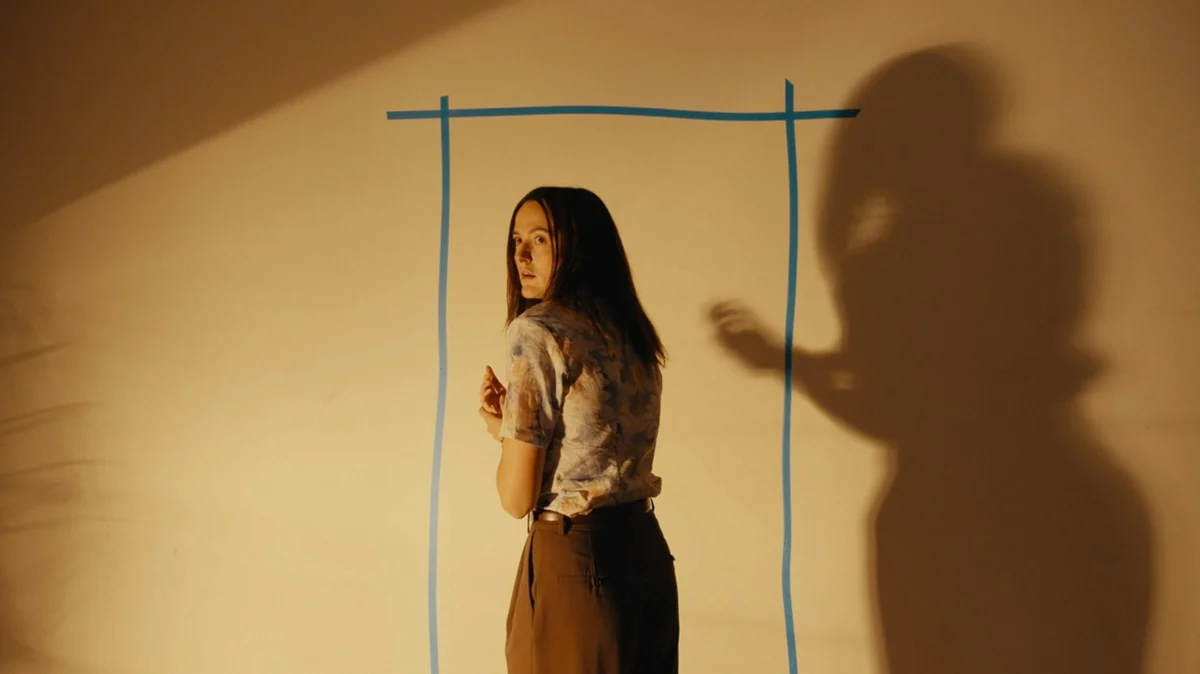
The cinematic landscape of 2026 has been defined by a singular, surreal phenomenon: the theatrical release of "Backrooms." Directed by Kane Parsons—who helmed the project at just 19 years old—the film has not only become a runaway box office success for A24 but has also sparked a complex conversation regarding intellectual property, digital folklore, and the future of community-driven storytelling in Hollywood.
As the film cements its status as a potential franchise starter, questions regarding its origins have inevitably surfaced. How does a studio like A24 navigate the legal minefield of a property that technically belongs to no one? And what does the success of "Backrooms" mean for the thousands of creators who contributed to its lore long before the cameras started rolling?
The Evolution of a Digital Legend: A Chronology
To understand the legal standing of the "Backrooms" film, one must first understand the decentralized nature of its origin.
The Birth of the Liminal Space
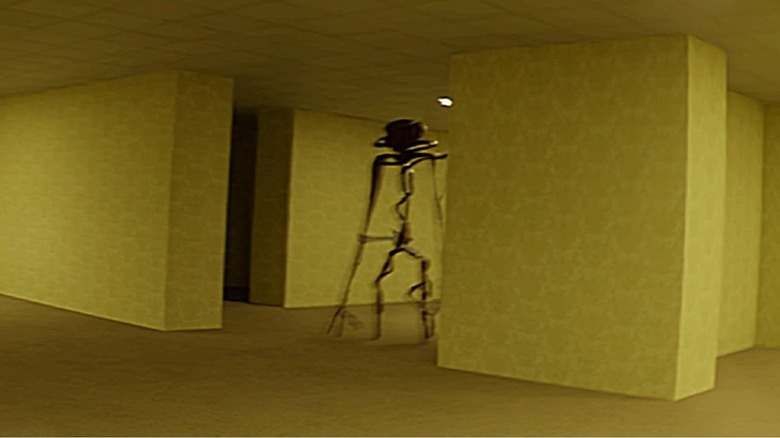
The "Backrooms" concept did not originate with a single author. It began as an anonymous post on the imageboard 4chan, featuring an unsettling photograph of a vacant, yellow-wallpapered office space. The image triggered a collective creative surge, with internet users weaving tales of "noclip-ing" out of reality and into a labyrinthine, unending dimension of liminal spaces.
The Kane Pixels Expansion
While the concept existed as a shared internet mythos, it was Kane Parsons, through his YouTube channel "Kane Pixels," who provided the definitive narrative structure. Beginning in 2022, Parsons utilized the 3D software Blender to create a series of short films that introduced specific characters, entities, and the "Async Research Institute"—a fictional organization attempting to study and traverse the dimensions.
The A24 Transition
By 2023, the sheer production value and narrative consistency of Parsons’ work caught the attention of major industry players. A24, known for its auteur-driven horror slate, signed on to produce a feature-length adaptation. This marked a historic moment: the transition of a decentralized, open-source creative project into a high-budget, mainstream Hollywood container.
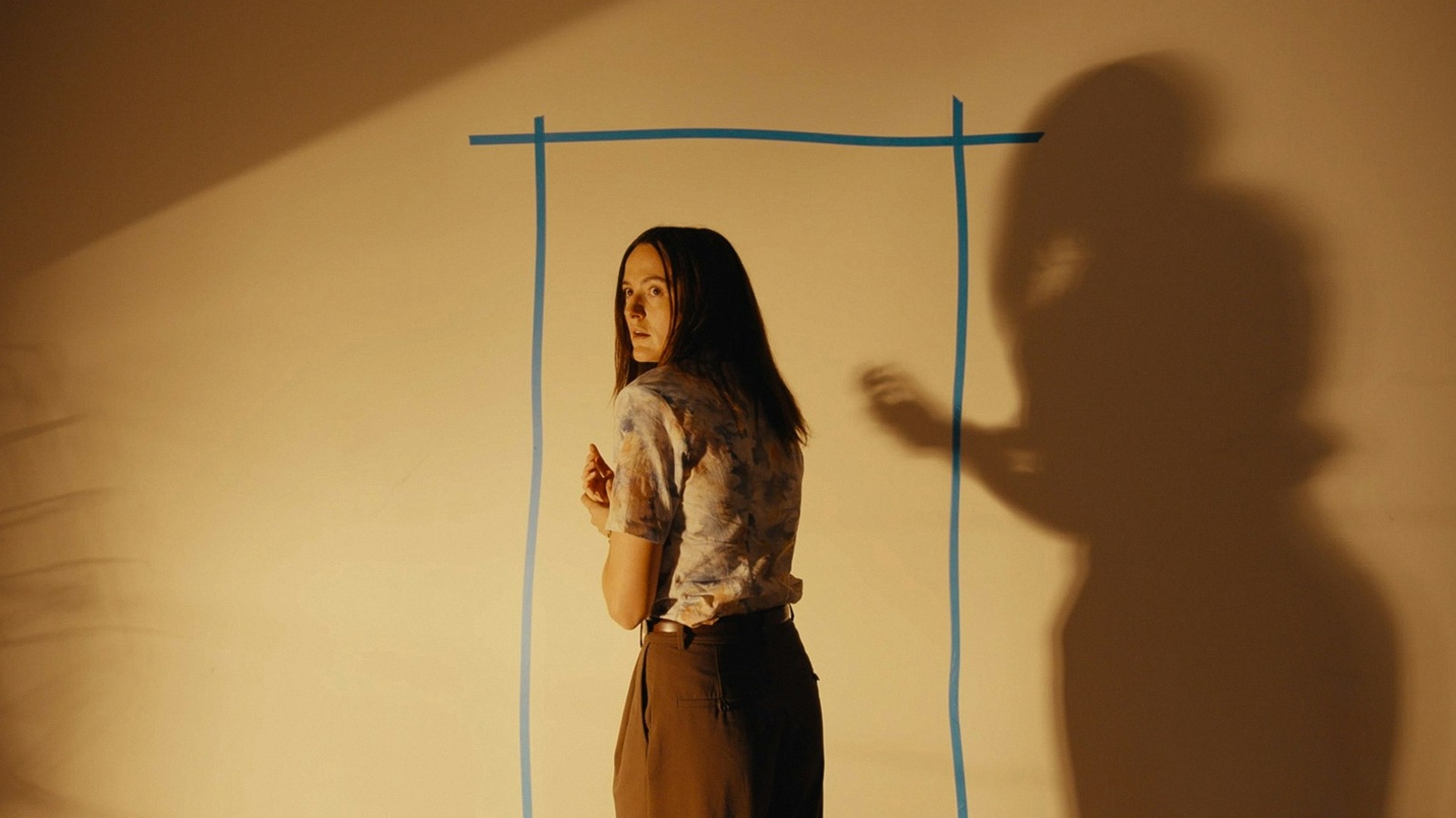
Defining the Boundaries of Ownership
The primary legal challenge facing the production was the "open-source" nature of the source material. Unlike a novel or a screenplay, the "Backrooms" is a collaborative, evolving mythology.
Differentiating Lore from Ownership
Legal experts point out that while the concept of the Backrooms is public domain-adjacent—meaning anyone can create their own "Backrooms" story—the specific narrative threads introduced by Parsons are protected.
In an interview during the film’s premiere, Parsons acknowledged this transition: "The process of going from what is essentially a decentralized, open-source creative project online… to being able to navigate that through a narrative vessel for it online for a number of years and finding a way to bring it into this container that you’re about to watch has been strange, exciting, and extremely fun."
The "Async" Factor
The film’s legal safety net lies in its specificity. While the general aesthetic of "yellow walls" and "liminality" is fair game for any creator, the specific lore concerning the Async Research Institute, the unique entity designs, and the specific character arcs developed by Parsons are the intellectual property of the production. By focusing the film on these unique contributions, A24 has effectively staked a claim on a specific "branch" of the Backrooms tree, rather than attempting to monopolize the entire forest.
Supporting Data: The Precedent of Collaborative IP
The "Backrooms" situation is not entirely unprecedented, though it is the most prominent example of its kind. The history of media is littered with "open" concepts that eventually found their way into corporate hands.
Comparative Case Studies
- Creepypastas and Beyond: Many horror trends, such as the Slender Man mythos, have seen various attempts at commercialization. The legal friction usually arises when an entity attempts to trademark generic terms, which often fails.
- The Gaming Parallel: Independent projects like "Escape the Backrooms" have existed for years. These games continue to function independently, as they do not infringe upon the specific creative output that Parsons brought to his own series.
- The "Sting" Litigation: While not an internet-born project, the case of "The Sting" serves as a reminder that successful films often attract opportunistic litigation. When a project becomes a financial juggernaut, the incentive for disgruntled parties to claim "prior art" or ownership grows exponentially.
Official Responses and Industry Strategy
A24 and Parsons have adopted a surprisingly benevolent strategy regarding the rest of the community. In a landscape where studios are often litigious, the "Backrooms" production team has signaled a "live and let live" policy.
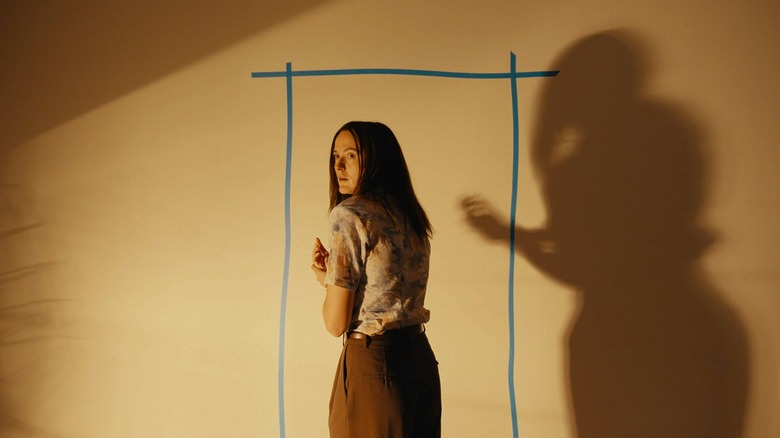
The "Good Will" Policy
In his interview with Smosh Alike, Parsons clarified his stance: "There has been no interest in going after people by anyone I’ve spoken to. That just seems like a bad idea. We don’t want to make people angry at us for no good reason."
This is a calculated, strategic move. By not initiating a "crusade" against fan creators, A24 maintains the goodwill of the very community that made the IP popular in the first place. Attempting to shut down fan-made "Backrooms" content would likely result in a PR backlash that could damage the franchise’s long-term brand equity.
Implications for the Future of Hollywood
The success of "Backrooms" poses significant questions for the future of intellectual property in the digital age.
The Rise of the "Creator-Auteur"
Parsons represents a new breed of filmmaker. He is not just a director; he is a digital architect who built an audience and a brand on his own terms before entering the studio system. Hollywood is increasingly looking to YouTube and TikTok to find the next generation of directors, but "Backrooms" proves that the most successful transitions will be those that allow the creator to maintain their original vision.
Legal Precedents and Challenges
Could someone sue? In the United States, anyone can file a lawsuit, but winning is another matter. Because the initial concept was, as Parsons noted, "essentially a decentralized, open source creative project," the barrier to proving exclusive ownership for any single individual is incredibly high.
However, as the film continues to generate millions at the box office, we may see a rise in "nuisance suits"—legal actions filed not with the hope of winning the entire property, but with the hope of forcing a settlement from a studio eager to avoid a protracted public battle.
The New Standard for Digital Lore
The "Backrooms" model may become the blueprint for future adaptations of internet phenomena. By explicitly differentiating between the "public" lore and the "private" production-owned narrative, studios can safely exploit internet trends without triggering the legal landmines that would otherwise make these projects too risky to touch.
Conclusion
The story of the "Backrooms" movie is more than just a box office success story; it is a case study in modern intellectual property management. Through a combination of strategic narrative focus, a benevolent policy toward the fan community, and a clear understanding of the "open-source" nature of digital folklore, A24 and Kane Parsons have navigated a complex legal landscape.
As the film continues to haunt audiences in theaters, it serves as a testament to the power of community-driven creativity. For now, it seems the Backrooms remain a place where everyone is welcome—provided they respect the specific, and highly successful, vision that brought this digital nightmare to life on the big screen.









No comments yet. Be the first to join the conversation!