Pevita Pearce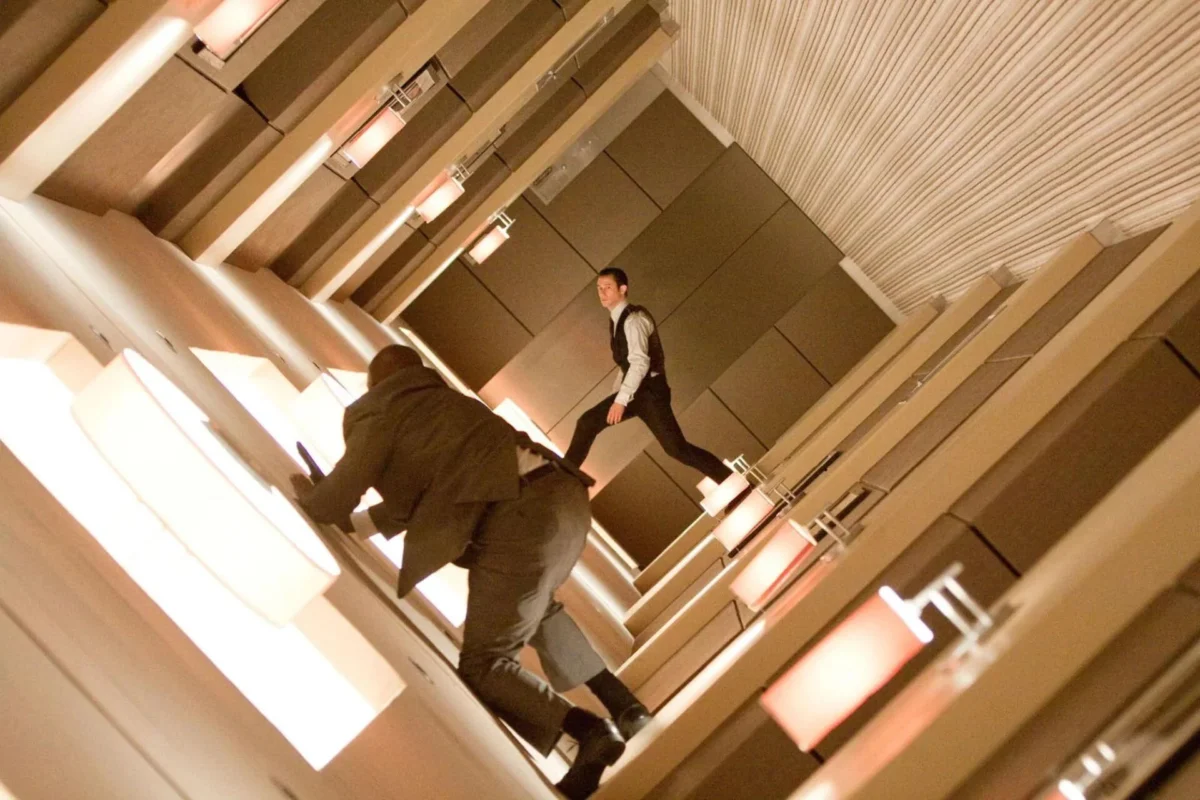
In the high-stakes world of Hollywood, the line between a cinematic masterpiece and a financial disaster is often measured in dollars, days, and the sheer audacity of a director’s vision. Some of the most indelible moments in film history—the sequences that define our collective cultural memory—almost never made it to the silver screen. These scenes were not cut due to poor quality or narrative redundancy, but because their price tags reached into the stratosphere, pushing studios to the brink of panic and forcing directors to fight for every frame.

From the golden age of studio epics to the modern era of blockbusters, we explore fifteen instances where the pursuit of perfection nearly broke the bank.

The Economics of Awe: Why Some Scenes Are Too Big to Fail
At the core of these financial skirmishes lies the tension between artistic ambition and fiduciary responsibility. When a director demands a scene that requires thousands of extras, real-world stunts, or groundbreaking practical effects, the studio’s risk assessment team often sees only red ink.
Logistical nightmares—such as securing dangerous locations, building massive, one-time-use sets, or orchestrating months of post-production rendering—can inflate a single scene’s budget to the level of an entire indie film. Yet, history has shown that these "expensive gambles" often become the primary marketing hook and the defining legacy of the production.

A Chronological Odyssey of Cinematic Risk
The Classic Era: Scaling the Impossible
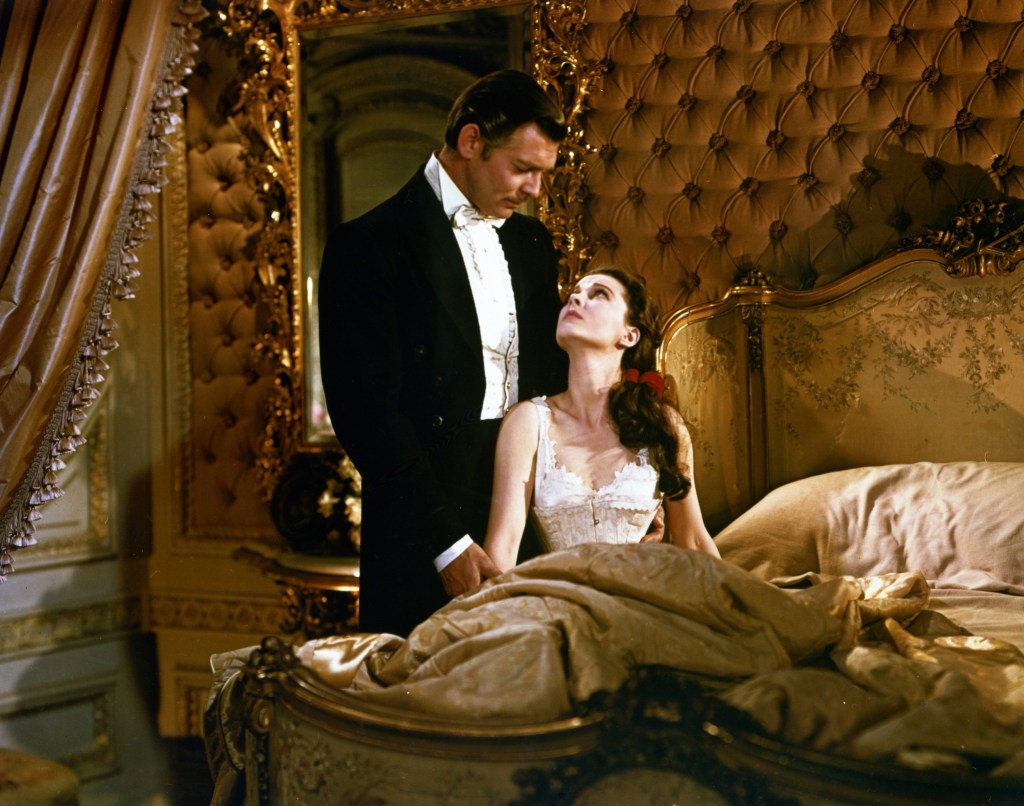
The history of costly cinema began long before the digital age. In 1939’s Gone with the Wind, the "Burning of Atlanta" sequence remains a testament to old-school Hollywood ingenuity. To create the iconic inferno, producers took the radical step of burning down old sets from previous productions to clear space on the backlot. It was a logistical and financial masterclass in repurposing resources for maximum scale.
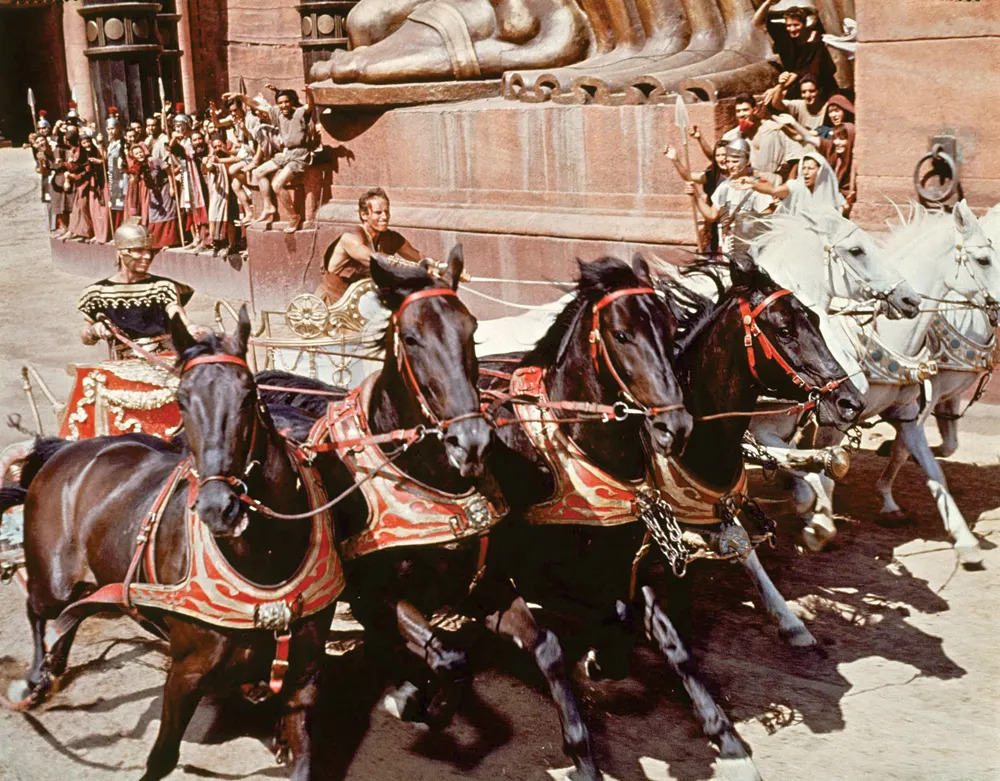
Decades later, 1959’s Ben-Hur set the gold standard for "expensive sequences." The Chariot Race required months of meticulous set construction and the creation of an expansive arena, making it one of the most expensive sequences of its era. The studio’s anxiety was palpable, but the sequence’s success cemented the film’s status as a generational epic.
The Rise of the Practical Blockbuster (1980s–1990s)
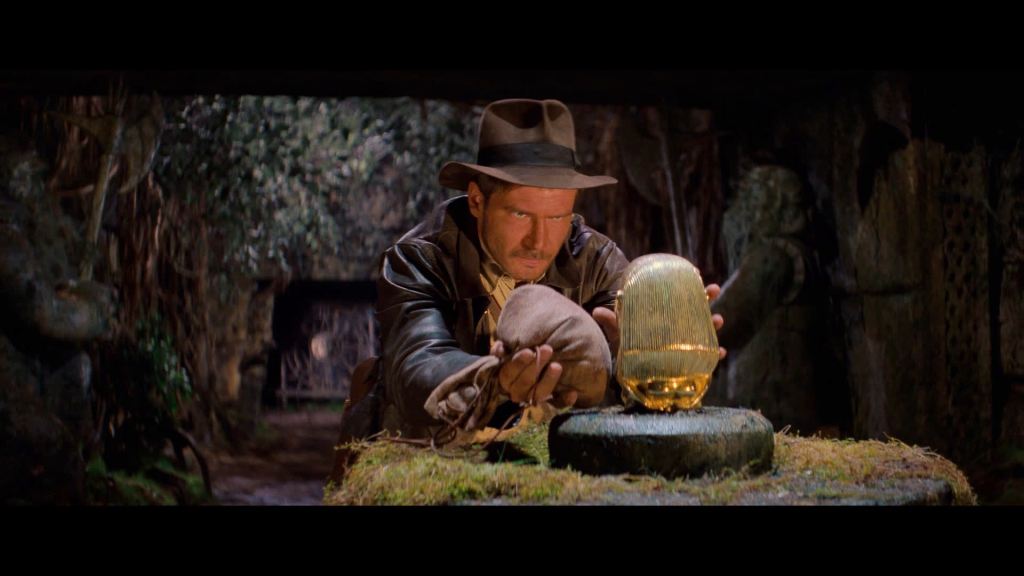
The 80s and 90s saw a shift toward high-octane realism. In 1981’s Raiders of the Lost Ark, the iconic Truck Chase pushed stunt coordination to its limits. It required weeks of precision planning and genuine physical danger, resulting in one of the most expensive and dangerous stunt sequences of the decade.
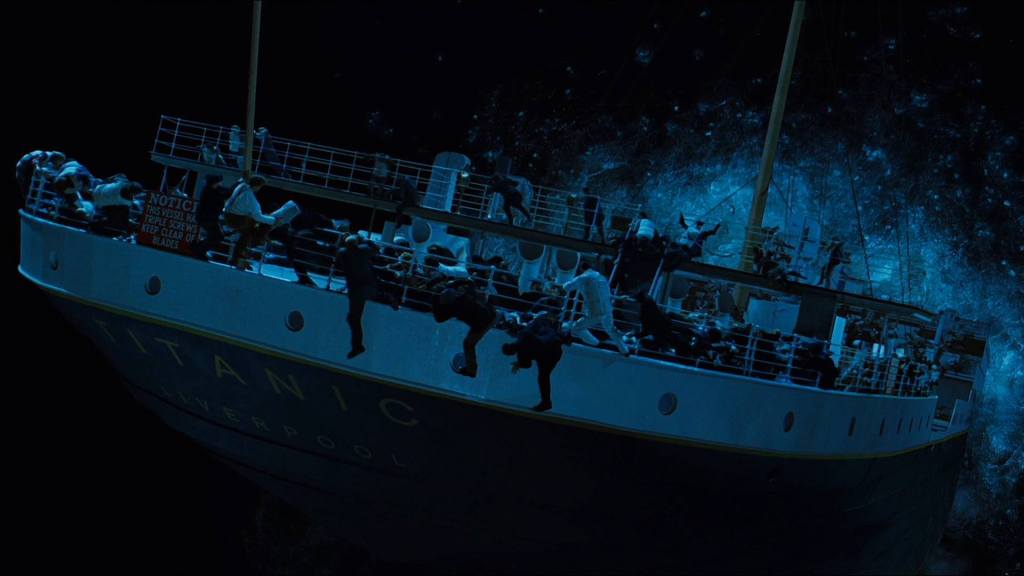
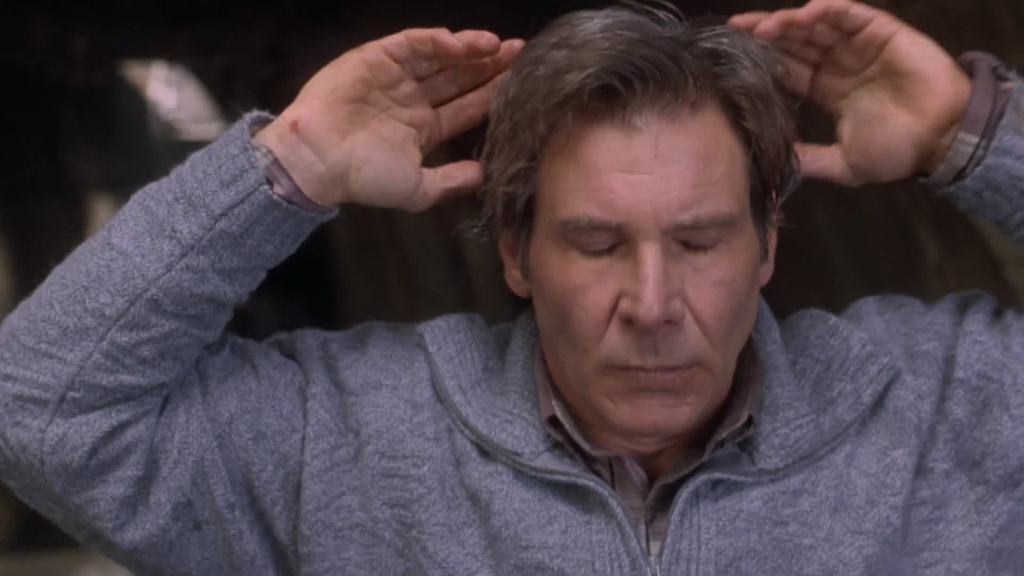
By the 90s, the stakes grew even higher. 1993’s Jurassic Park utilized cutting-edge animatronics that were astronomically expensive, with weather-related filming delays further bloating the budget. That same year, The Fugitive made headlines for its commitment to realism, as the production team opted to crash a real train for the iconic wreck sequence rather than relying on early, unconvincing CGI.
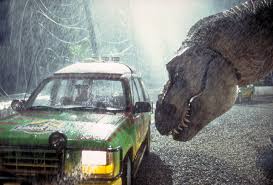
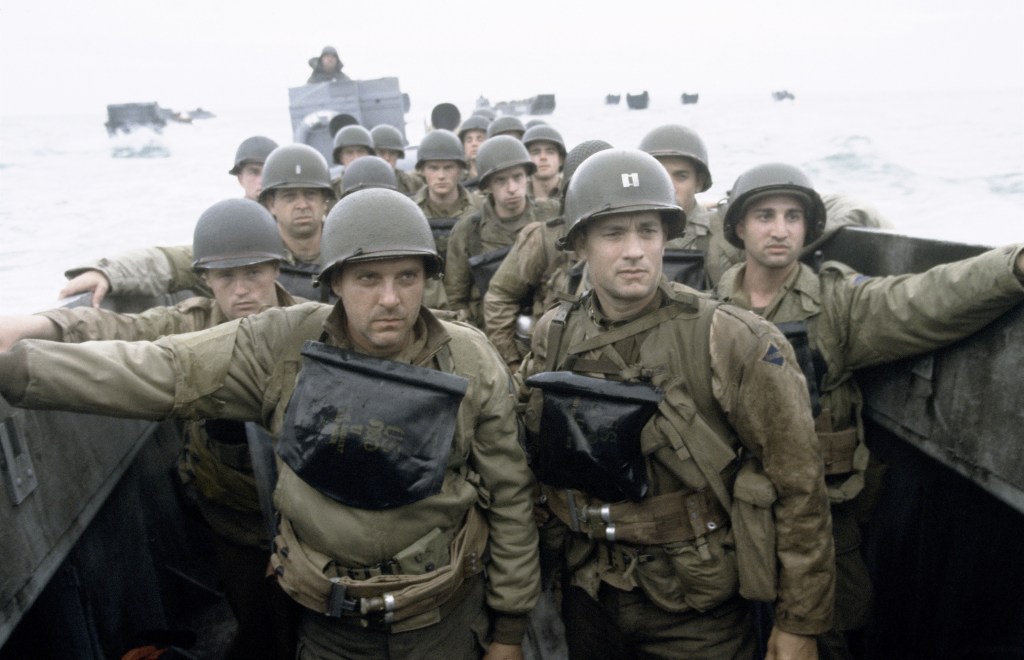
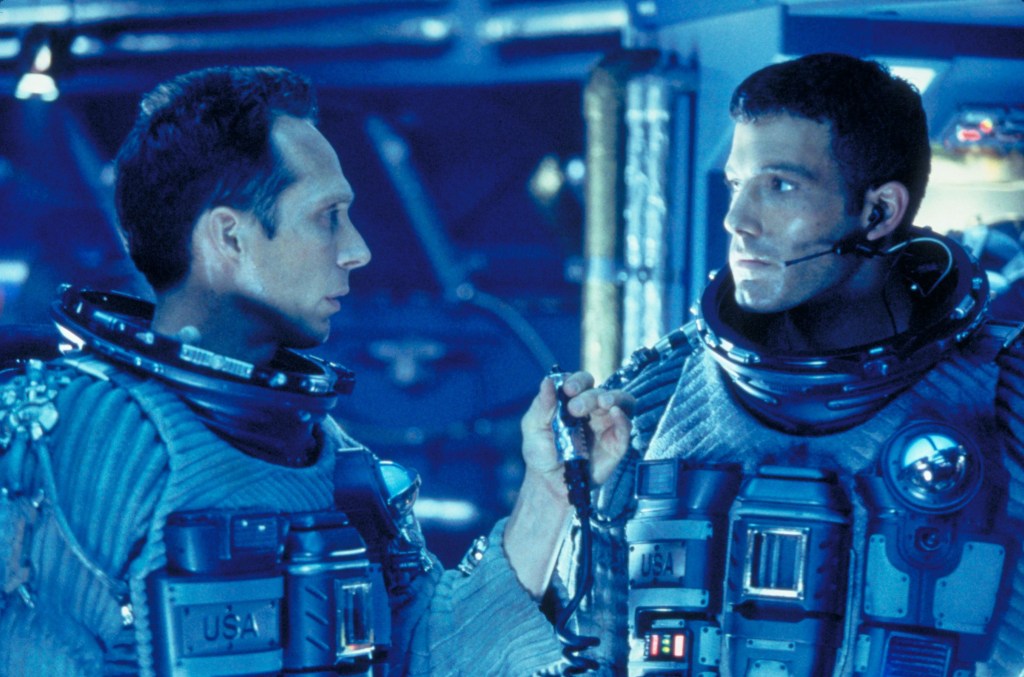
The mid-90s reached a fever pitch with 1997’s Titanic, where the ship-sinking sequence required full-scale flooding sets. The pressure on James Cameron to justify the ballooning costs was legendary. The following year, 1998’s Saving Private Ryan redefined the war genre with the Omaha Beach landing, utilizing thousands of extras and exhaustive technical coordination that forced the studio to commit massive resources to ensure historical and visceral accuracy. Similarly, 1998’s Armageddon combined practical explosions with heavy VFX, creating a disaster sequence that became the benchmark for late-90s excess.
The Modern Era: Digital and Physical Scale
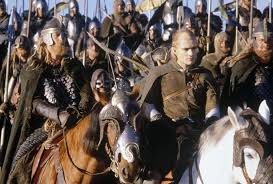
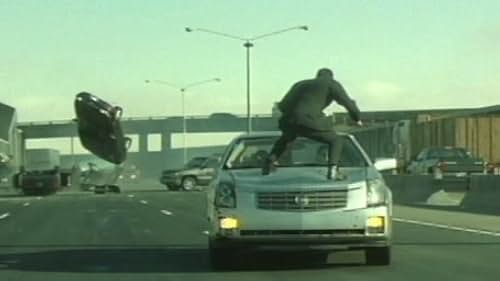
As we entered the 2000s, the scope expanded further. The Highway Chase in 2003’s The Matrix Reloaded saw the production build an entire stretch of highway from scratch—a move of unparalleled ambition. Shortly after, the "Charge of the Rohirrim" in 2003’s The Lord of the Rings: The Return of the King pushed visual effects and extras coordination to a breaking point.
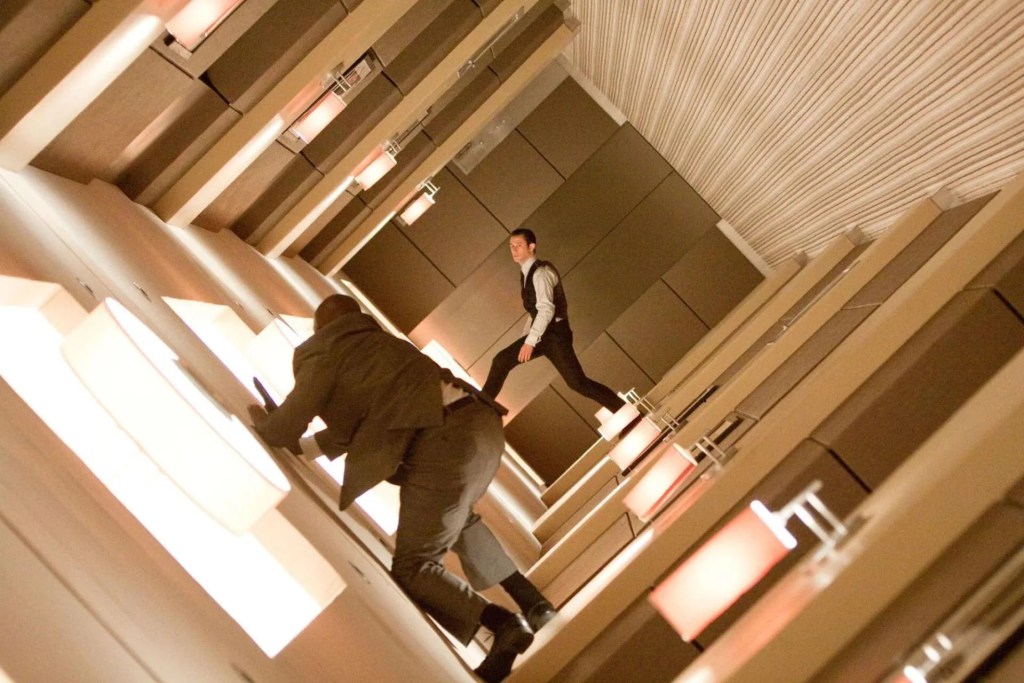
Christopher Nolan’s The Dark Knight (2008) opened with a bank heist that combined complex city-wide coordination and practical destruction, setting a high bar for superhero cinema. Nolan followed this with the Rotating Hallway fight in 2010’s Inception, where the construction of a massive rotating set turned a single fight scene into a complex engineering challenge.
The trend continued into the 2010s and beyond:
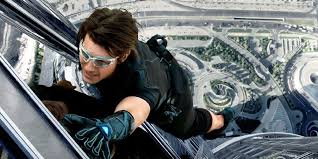
- 2011, Mission: Impossible – Ghost Protocol: Tom Cruise’s Burj Khalifa climb presented insurance and logistical nightmares that nearly forced the scene to be scrapped.
- 2017, Dunkirk: Christopher Nolan’s refusal to rely on CGI for the Normandy-adjacent battlefield recreation—insisting on real planes and practical scale—made it one of the costliest war films in modern memory.
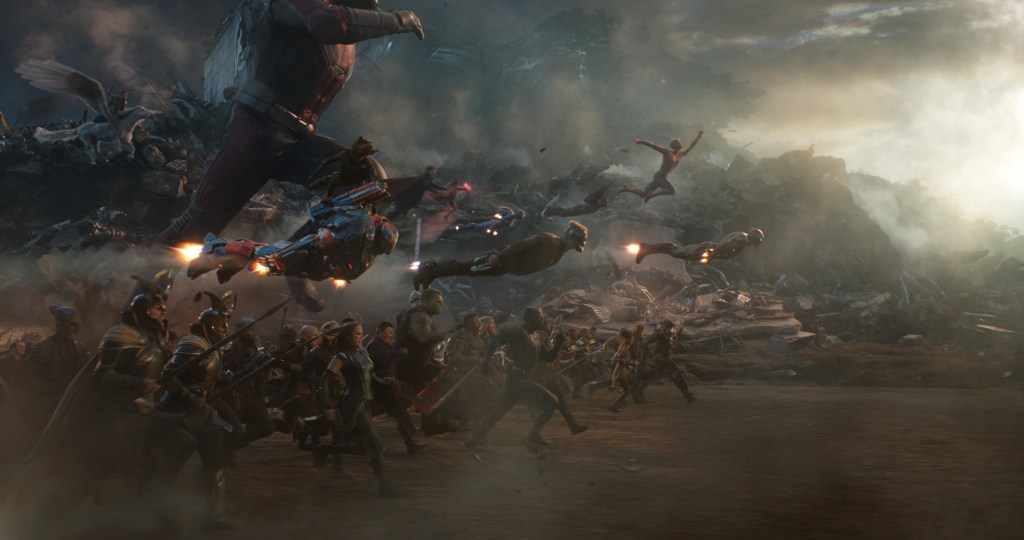
- 2019, Avengers: Endgame: The "Portal Battle" represented the culmination of a decade of storytelling, requiring years of post-production and a budget that solidified its place in the pantheon of cinema’s most expensive achievements.
Supporting Data: When Budgets Spiral
The common thread among these fifteen films is the "Production-to-Budget Ratio." For instance, in The Fugitive, the train wreck cost roughly $1 million for just a few seconds of screen time—a massive sum in 1993. In contrast, the Avengers: Endgame portal scene is estimated to have consumed a significant double-digit percentage of the film’s $356 million production budget, primarily due to the thousands of unique VFX assets required to render the characters on screen simultaneously.
| Film | Key Expense Driver |
|---|---|
| Titanic | Practical flooding/water tanks |
| Inception | Full-scale rotating mechanical set |
| Jurassic Park | Animatronic development & weather delays |
| The Matrix Reloaded | Custom-built highway infrastructure |
Official Responses and Creative Battles
Behind the scenes, these sequences were rarely smooth sailing. Many directors, such as James Cameron and Christopher Nolan, have spoken publicly about the "constant tug-of-war" with studio executives.
In the case of Titanic, studio heads at 20th Century Fox were notoriously worried about the production’s viability, with many calling for the film to be significantly shortened to recoup costs. Similarly, for the Mission: Impossible Burj Khalifa stunt, the production faced intense scrutiny from completion bond companies, who viewed the filming of a lead actor on the exterior of the world’s tallest building as a catastrophic liability. In each case, the director’s willingness to risk their professional reputation—and in some cases, their own paychecks—was the final hurdle to getting the footage in the can.
Implications: The Future of High-Budget Filmmaking
The legacy of these fifteen scenes is profound. They have taught the industry that audiences respond to "tangible" scale. Even in an age where AI and advanced CGI can generate almost anything, the "expensive, risky scene" remains the gold standard for blockbuster entertainment.
However, the industry is changing. With the rise of virtual production and Volume technology (as seen in The Mandalorian), the need for massive, one-time-use physical sets is being challenged. Yet, as history proves, the sheer effort, risk, and financial commitment required to execute an "impossible" scene often results in the very moments that define the medium of film. While studios will continue to push for cost-cutting, the drive to create the next "Omaha Beach" or "Chariot Race" ensures that directors will continue to fight for the right to spend big on the moments that matter most.


 Asro
Asro
 Basiran