Pevita Pearce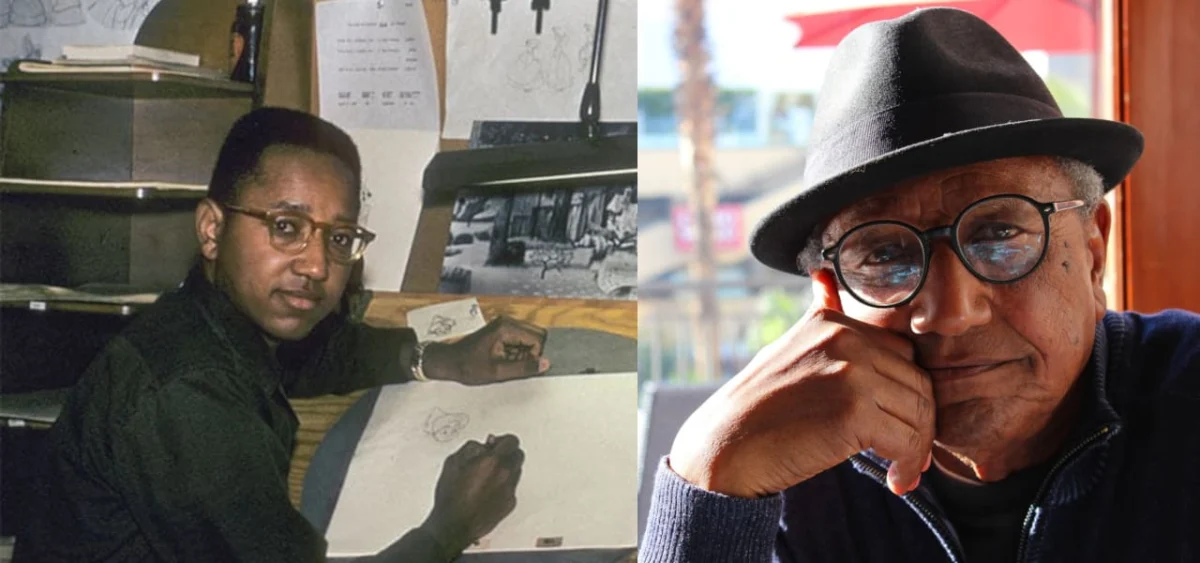
By [Your Name/Journalist Desk]
June 11, 2026
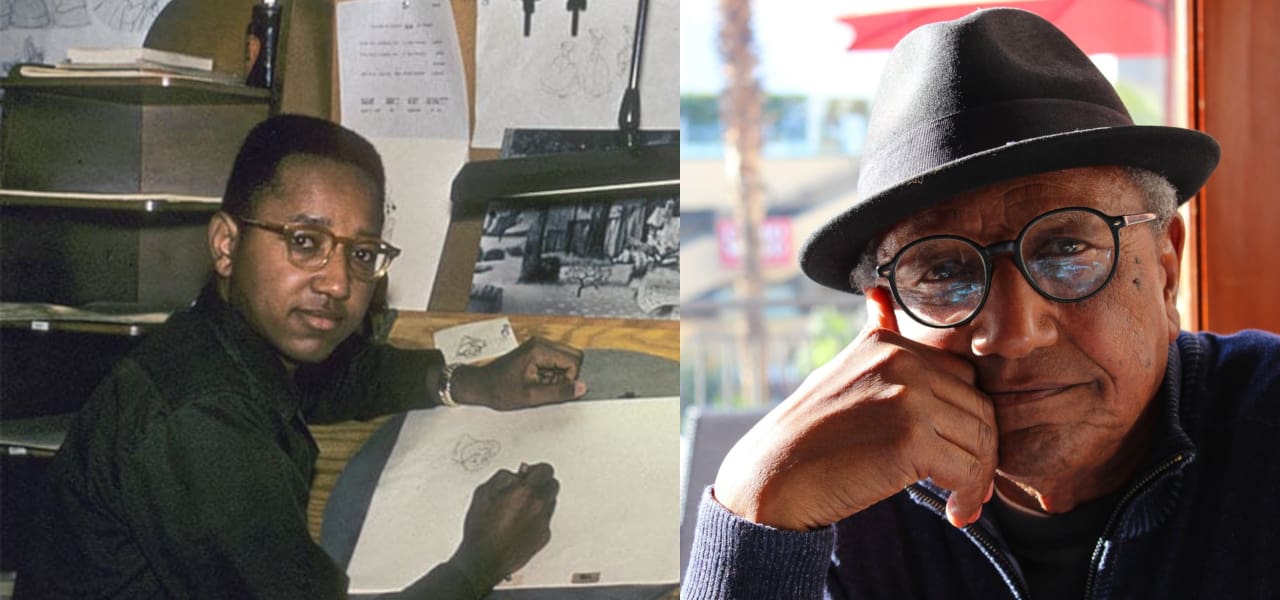
In a career that has spanned the evolution of animation from hand-drawn ink and paint to the sophisticated digital realms of modern cinema, Floyd Norman has remained a constant, creative force. Today, the Academy of Motion Picture Arts and Sciences officially solidified his legacy, announcing that the 90-year-old animation legend will be awarded an Honorary Oscar at this year’s Governors Awards.
The ceremony, scheduled for November 15 in Hollywood, will see Norman honored alongside a prestigious cohort, including actress Glenn Close and visionary filmmaker Ridley Scott. Additionally, producers Christine Vachon and Pamela Koffler will be presented with the Irving G. Thalberg Memorial Award. For the animation community, however, the spotlight remains firmly on Norman, a man whose artistic contributions and barrier-breaking journey have defined the trajectory of American animation for nearly 70 years.
The Main Facts: A Historic Recognition
The Academy’s decision to bestow an Honorary Oscar upon Floyd Norman is more than a nod to his longevity; it is a recognition of his status as a cultural pioneer. As the first Black artist hired on a long-term basis at Walt Disney Studios in 1956, Norman navigated an industry that was, at the time, largely inaccessible to minority artists.
Academy President Janet Yang, in her official statement, lauded Norman as "a trailblazing animator whose work has shaped generations of filmmakers and artists." The award serves to acknowledge not only his technical proficiency as a story artist and animator but also his resilience in an industry that has undergone radical technological and social shifts.
Chronology: A Career Across the Eras
To understand the weight of this honor, one must look at the timeline of Norman’s career, which reads like a history book of the animation medium itself.
The Golden Era at Disney (1956–1966)
Norman’s tenure at Disney began in the mid-1950s, a time when the studio was still refining the magic that defined its "Golden Age." He was instrumental in the production of classics that remain the gold standard of 2D animation:
- Sleeping Beauty (1959): Norman contributed his talents to the lush, stylized aesthetic of this landmark feature.
- One Hundred and One Dalmatians (1961): He was part of the team that adopted the Xerox process, a technical pivot that changed how Disney animated characters.
- The Sword in the Stone (1963): Norman’s work continued to evolve as the studio leaned into more whimsical, character-driven storytelling.
- The Jungle Book (1967): Serving on Walt Disney’s personal story team, Norman played a pivotal role in shaping the narrative structure of what would be the final film Walt oversaw before his passing.
The Industry Wanderer (1966–1990s)
After departing Disney, Norman did not retreat. Instead, he became a foundational figure in the broader animation ecosystem. His work at Hanna-Barbera and Ruby-Spears in the 1970s and 80s helped define the look of Saturday morning cartoons. He navigated the transition from traditional theatrical shorts to the burgeoning world of television animation, proving his versatility as both a writer and a storyboard artist.
The Renaissance and Beyond (1990s–Present)
Norman’s career saw a full-circle moment when he returned to Disney to work on the "Disney Renaissance" projects, including Mulan and The Hunchback of Notre Dame. He later transitioned to Pixar, working on groundbreaking films such as Toy Story 2 and Monsters, Inc. His ability to adapt to CGI while maintaining the core principles of character animation solidified his reputation as an "animator’s animator."
Supporting Data: The Impact of a Legend
Floyd Norman’s influence is quantified not just by the box-office success of the films he touched, but by his enduring presence as a mentor. He has been the subject of the critically acclaimed documentary Floyd Norman: An Animated Life, which captures his infectious enthusiasm and his refusal to retire.
Earlier this year, the Smithsonian hosted a screening of this documentary, underscoring Norman’s status as a living historical artifact. His life is a bridge between the founding fathers of animation and the digital natives of today. He has frequently spoken at industry events, providing a vital link to the past while encouraging young artists to embrace the fundamentals of storytelling.
The Academy’s decision to honor him now, at the age of 90, reflects a growing appreciation for the "unsung" heroes who kept the gears of the animation industry turning through the lean years and the technological revolutions.
Official Responses and Industry Sentiment
The animation community has erupted in support of the announcement. Colleagues, former students, and industry peers have taken to social media and professional forums to express that the award is "long overdue."
"Floyd has never been about the accolades," said one longtime associate in the industry. "He has always been about the story. To see the Academy recognize him is to see them finally catching up to what we in the animation world have known for decades: Floyd is a titan."
The Academy’s choice to group him with legends like Ridley Scott and Glenn Close highlights his stature as a peer to the most significant figures in cinematic history. By placing him on this stage, the Academy is making a statement about the value of animation as a serious, high-art form that relies on the dedication of veterans like Norman.
Implications: What This Means for the Future
The awarding of an Honorary Oscar to Floyd Norman carries significant implications for the future of the animation medium and the Academy itself.
.png)
1. Recognition of the "Story Artist"
For years, the Academy has faced criticism for failing to adequately acknowledge the story artists and storyboarders who serve as the architects of animated films. By honoring Norman—a man whose career was built on the backbone of story—the Academy is signaling a broader appreciation for the foundational creative roles that often go unnoticed in the credits.
2. Diversifying the Narrative of Hollywood History
As the first Black artist to have a long-term career at Disney, Norman’s life story serves as a critical entry point for discussions about diversity in animation. His inclusion in the Governors Awards ensures that his story is woven permanently into the official record of American cinema, inspiring a new generation of diverse creators to pursue their passions in an industry that is slowly, but surely, becoming more inclusive.
3. The Dignity of the "Senior Artist"
In an industry notorious for its focus on youth and the "next big thing," Norman stands as a testament to the value of experience. His continued activity well into his 80s and 90s challenges the industry’s ageist biases, suggesting that the most profound contributions to the medium often come from those who have lived, observed, and practiced their craft over a lifetime.
Conclusion: A Legacy in Motion
As November 15 approaches, the anticipation for the Governors Awards is heightened by the presence of a man who has quite literally drawn the history of the 20th and 21st centuries. Floyd Norman is not merely an honoree; he is a witness, a practitioner, and a pioneer.
From the ink-stained desks of the 1950s to the digital workstations of the 2020s, Norman’s career is a roadmap of American creativity. When he steps onto that stage in Hollywood, he will be carrying with him the legacy of Walt Disney, the evolution of the Hanna-Barbera era, and the technological triumphs of Pixar. More importantly, he will be carrying the pride of an industry that, for the first time in such a public, formal setting, is getting the chance to say: Thank you, Floyd.
The Honorary Oscar is a fitting capstone to a career that has never stopped moving, never stopped learning, and never stopped animating the imagination of the world.

 Sagoh
Sagoh
 Lina Irawan