In the sprawling, multi-billion-dollar landscape of modern superhero cinema, where polished CGI blockbusters dominate the global box office, a singular, defiant project has emerged from the humble confines of a home basement. Austin McConnell, a filmmaker and popular YouTuber, has spent the last four years spearheading an ambitious, grassroots mission: to bring "Atlas the Mighty"—a long-forgotten superhero from the 1964 comic Daring Adventures #18—into the modern era through a 90-minute 3D animated feature.
This project is not just a fan film; it is a profound testament to the democratization of digital production tools and the enduring power of creative persistence. By resurrecting a character that history had effectively discarded, McConnell has challenged the industry’s reliance on massive corporate budgets, proving that heart and narrative ingenuity can often outweigh technical perfection.
The Origin of a "Superzero"
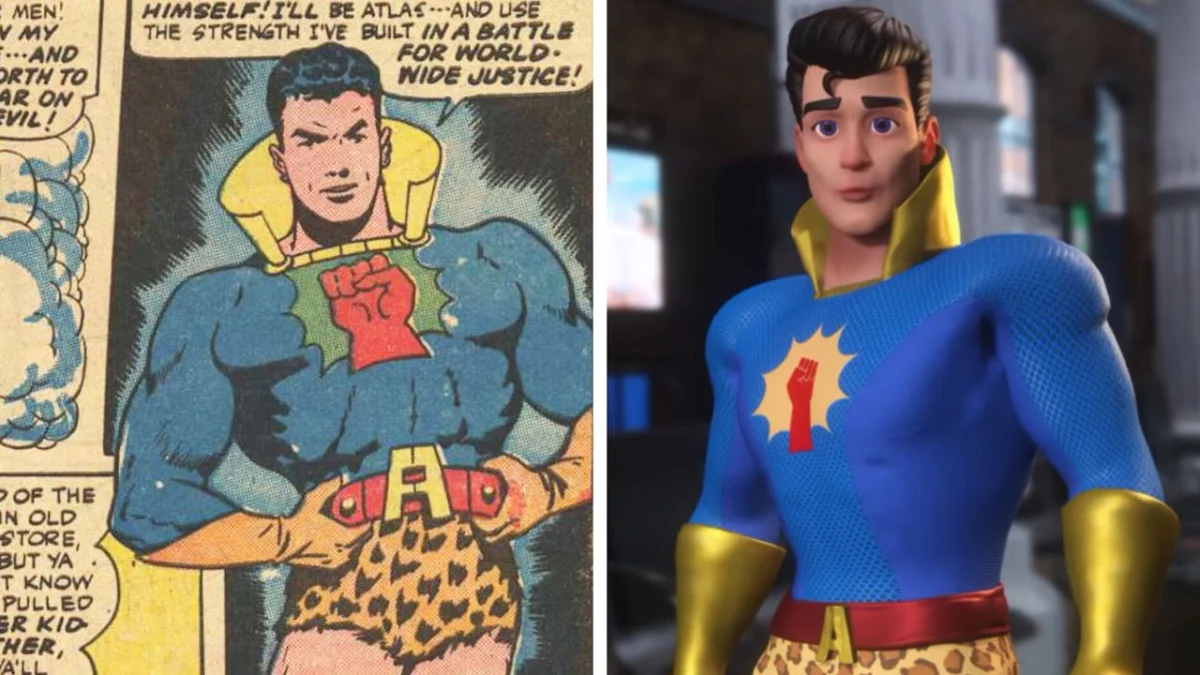
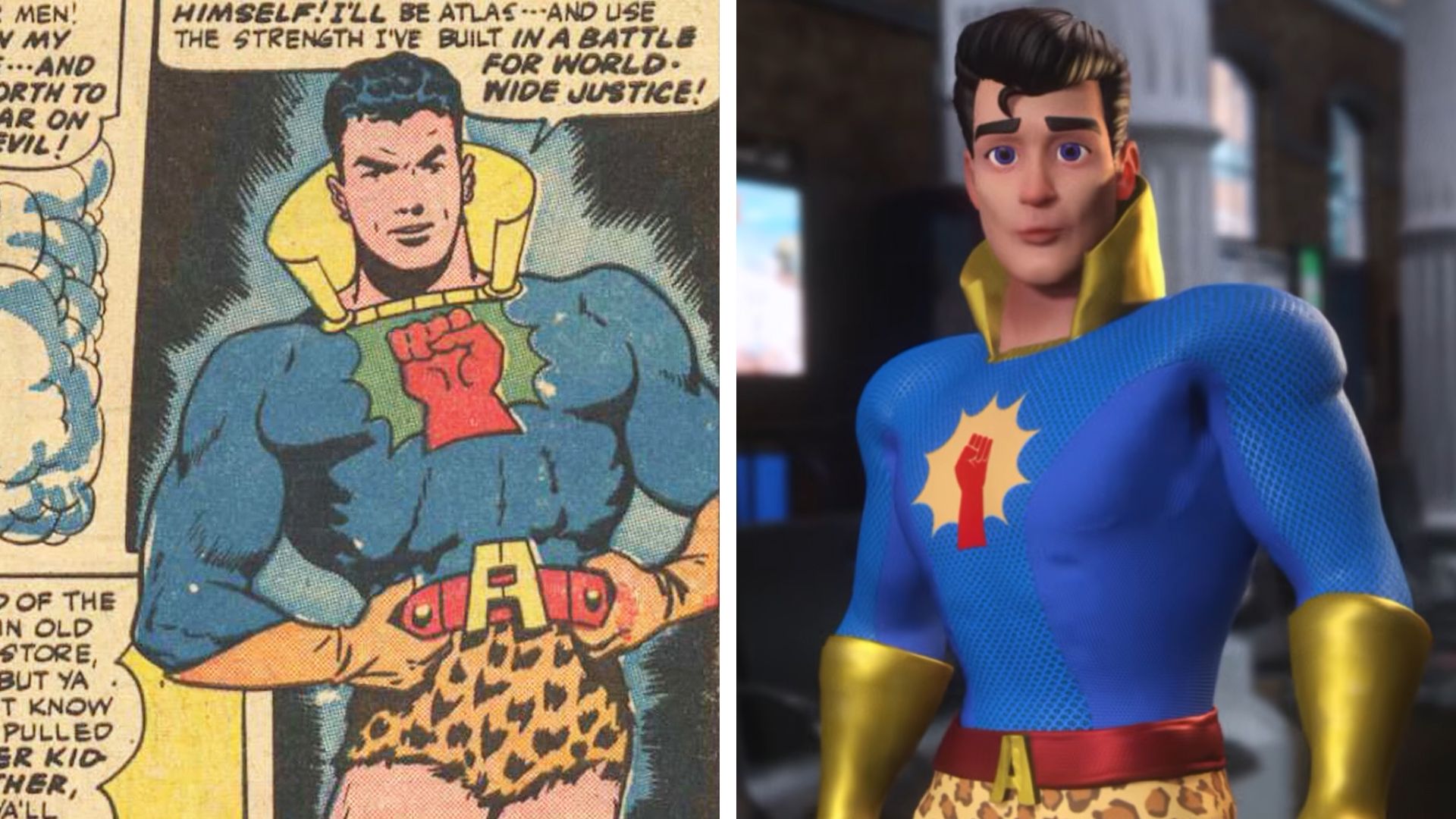
The character of Atlas, the alter ego of Jim Randall, occupies a peculiar footnote in comic book history. Born in the mid-1960s—the same year that saw the meteoric rise of cultural icons like Marvel’s Daredevil and Hawkeye—Atlas never stood a chance. Pulled from the assets of a bankrupt publisher and hastily printed by IW Publications, he was a character defined by a bizarre costume and derivative powers granted by the Greek god he was named after.
For decades, Atlas languished in the public domain, a relic of a time when superhero concepts were churned out with little regard for longevity. It was this very obscurity that drew Austin McConnell to the project. Seeking to build a "Superzeroes" cinematic universe—a low-budget, live-action alternative to the sanitized, corporate-mandated franchises of today—McConnell identified Atlas as the perfect, eccentric foundation.
A Four-Year Odyssey: The Production Chronology
The journey from concept to screen was anything but linear. When McConnell first set his sights on Atlas, he possessed only a rudimentary understanding of animation, primarily limited to the quick, supplemental CG effects he used to enhance his YouTube content.
2020–2021: The Steep Learning Curve
Recognizing that live-action, low-budget superhero content often falls into the "uncanny valley" trap, McConnell pivoted to 3D animation. This decision necessitated a complete immersion into the technical arts. Over the course of four years, he taught himself the intricacies of the professional animation pipeline: clothing simulation, complex hair dynamics, motion tracking, and real-time facial animation.
2022–2023: Scaling Up
With a Kickstarter campaign successfully raising $45,100, the project gained the necessary capital to hire professional voice talent and upgrade essential production gear. During this phase, McConnell established a grueling routine, often dedicating six to seven hours a day to the project. He leaned heavily on tools such as Reallusion’s iClone for character animation, supplemented by Adobe After Effects, Photoshop, and DaVinci Resolve for post-production.
2024: Adversity and Adaptation
The project faced its most significant hurdle in 2024 when McConnell suffered a stroke. The health crisis forced a shift in the production workflow. CG artist Kalex3D, who had previously been brought on to assist with character modeling and costume redesign, stepped up to help shoulder the animation load, ensuring the film could reach its finish line.
Technical Hurdles and Creative Workarounds
McConnell’s approach to Atlas serves as a case study in "inverse indie animation." While major studios often begin with high-fidelity animation and struggle to find a coherent narrative, McConnell utilized his background in film editing and audio production to anchor the project.
"It was really important for me, knowing my limitations in terms of animation skills, that the other parts supplemented that," McConnell noted in an interview. When the animation software couldn’t handle a complex action—such as a character drinking a beverage—McConnell simply adjusted the script to have the character drink off-camera. These "workarounds" became a stylistic choice, leaning into the raw, choppy aesthetic that reflects the character’s own status as a "bargain-bin" hero.
He made a conscious, principled decision to avoid generative AI throughout the entire process. In an era where AI-generated content is often criticized for its lack of soul, McConnell wanted the audience to look at the screen and feel the human touch—to see the "one dude on a home computer" behind every frame.
Implications for the Future of Indie Animation
The success of Atlas arrives at a pivotal moment in the animation industry. The recent, strange virality of low-budget Chinese animated projects like Niu Lai has sparked a global conversation about the value of "unpolished" animation. While Atlas stands on a different tier of quality, it occupies the same philosophical space: it proves that audiences are hungry for stories that feel authentic, even if they aren’t produced by a multi-million-dollar rendering farm.
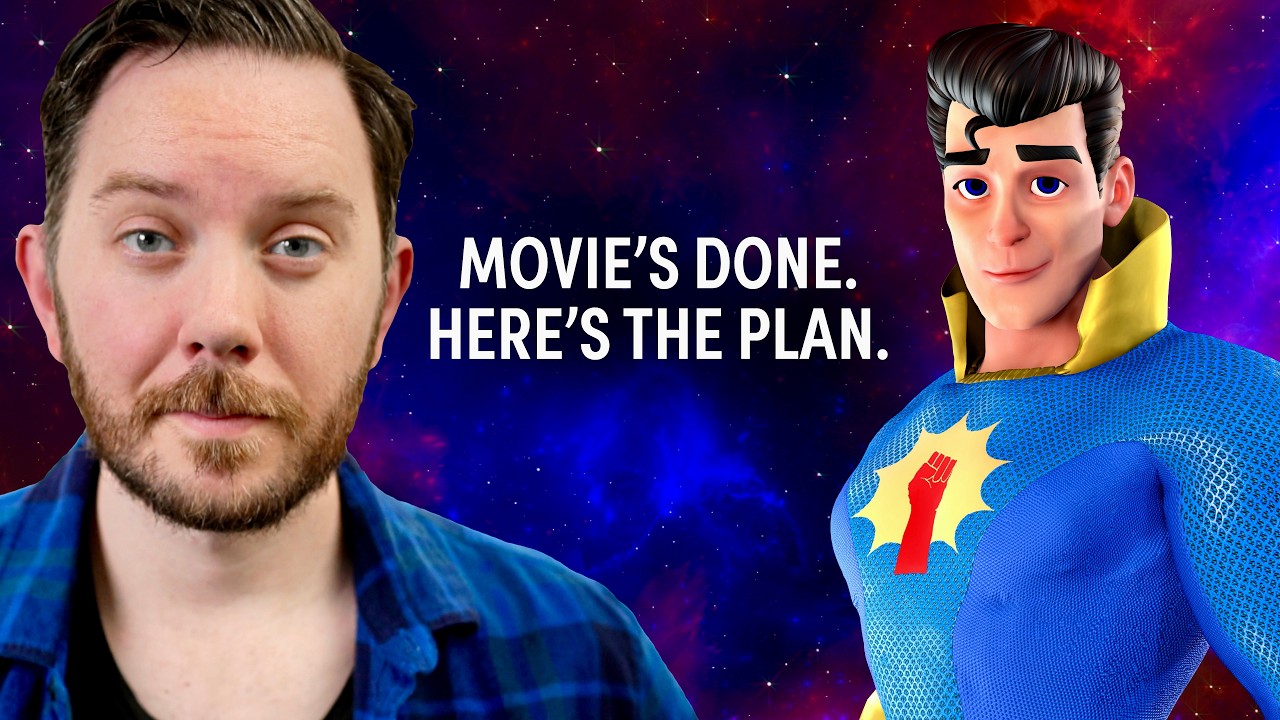
McConnell has already signaled that Atlas is merely the prologue. He has outlined plans for additional stories within this self-contained universe, with a second animated film tentatively slated for release later this year. His stance on the future is refreshingly pragmatic: "If people want to see more from these characters and these stories, I’m happy to make more. If nobody is really that interested, I’m happy to move on to something else."
Why This Matters
The Atlas project is a critical reminder of the democratization of art. In the 20th century, the barrier to entry for creating a feature-length film was insurmountable for a solo creator. Today, the convergence of accessible software, affordable hardware, and crowdfunding platforms has dismantled those walls.
Furthermore, it challenges the "franchise fatigue" currently plaguing the major studios. By choosing to revive a character that was literally worth nothing, McConnell has highlighted a truth that Disney and Warner Bros. have forgotten: a character’s value is not derived from their brand recognition, but from the quality of the story being told.
Key Takeaways for Aspiring Creators:
- Embrace Your Limitations: McConnell didn’t try to replicate the polish of a Pixar film. He focused on his strengths—editing and pacing—and allowed the animation style to support the narrative rather than define it.
- The Power of Community: The $45,100 raised through Kickstarter wasn’t just money; it was a mandate. It allowed for the hiring of professionals, proving that a transparent and passionate vision can attract both talent and funding.
- Persistence Over Perfection: The four-year production cycle, punctuated by health struggles and technical roadblocks, underscores that the greatest attribute of a filmmaker is not technical skill, but the refusal to quit.
Conclusion
Atlas: The Animated Movie officially launched on Austin McConnell’s YouTube channel on September 8, 2024. For those interested in the communal experience of cinema, a local screening was held at the Moxie Cinema in Springfield, Missouri, on September 12.
As we look toward the future of media, Atlas stands as a beacon for what is possible when a single, determined individual decides to challenge the status quo. It is a film that wears its flaws as badges of honor, proving that when it comes to creative expression, the heart of the creator is the most important piece of technology in the room. Whether or not this becomes the start of a massive indie movement remains to be seen, but for the residents of the "Superzeroes" universe, the second chance they were given was well worth the wait.