

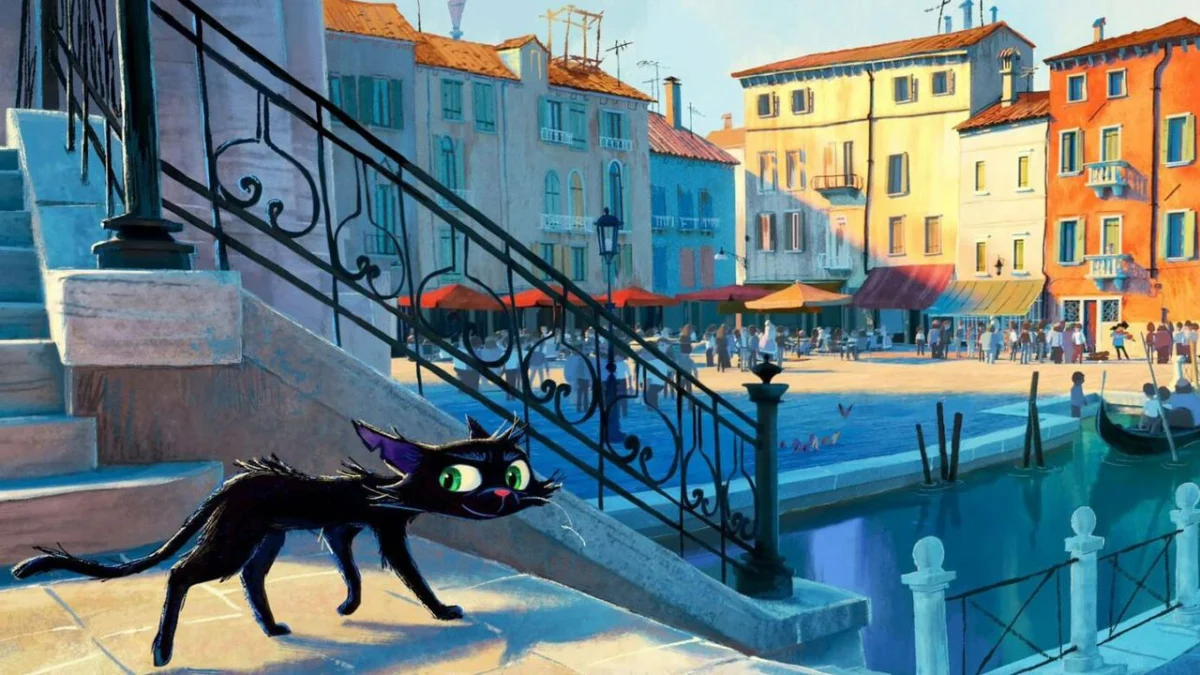
In a move that has sent ripples of excitement through the animation industry, Pixar Animation Studios has unveiled the first look at its most daring project to date: Gatto. For decades, Pixar has been the undisputed titan of Computer Generated Imagery (CGI), setting the gold standard for digital storytelling with masterpieces like Toy Story, Finding Nemo, and Inside Out. However, the studio is now signaling a radical departure from its signature aesthetic. Gatto is set to be Pixar’s first-ever fully hand-painted feature film, a project that promises to bridge the gap between classical artistry and modern technological innovation.
The Narrative Core: A Venetian Tale of Feline Intrigue
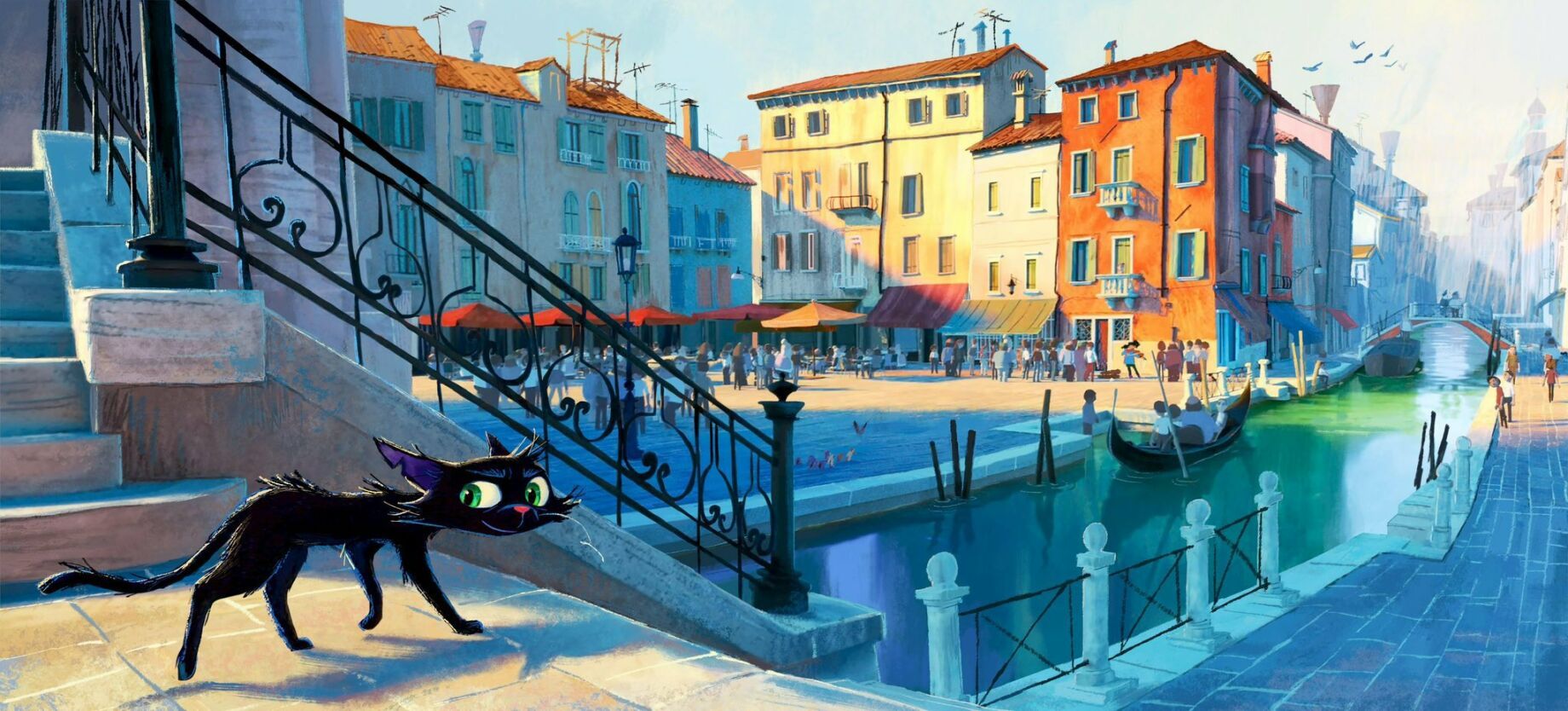
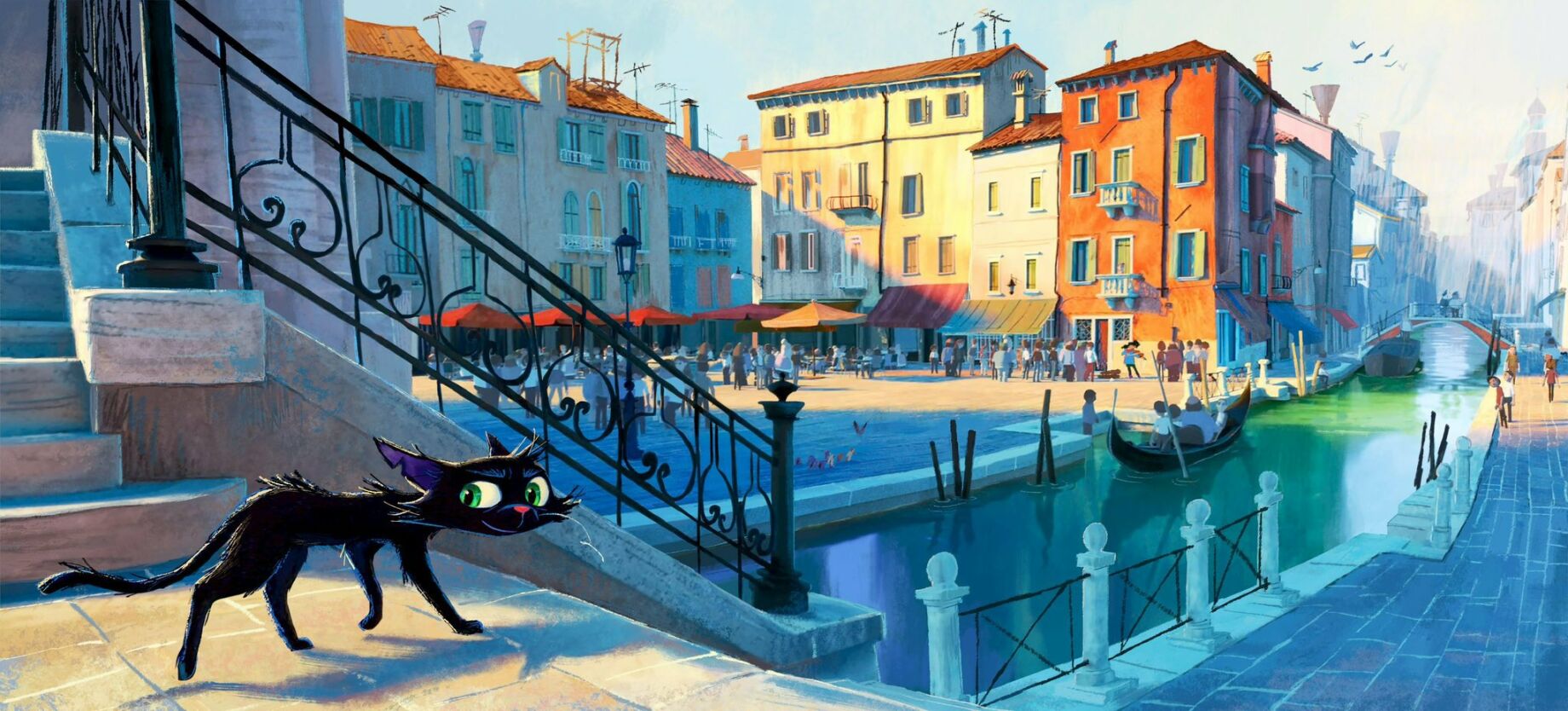
While the studio has remained notoriously tight-lipped regarding specific plot details, the initial concept art provides a compelling window into the world of Gatto. The protagonist, a feline named Nero, is depicted with a level of textural detail and emotive brushwork that stands in stark contrast to the polished, hyper-realistic surfaces typical of modern 3D animation.
According to preliminary briefings, the narrative centers on Nero’s life in the labyrinthine, water-bound city of Venice. Caught in a precarious web of obligation, Nero finds himself indebted to a local feline mob boss. This setting is not merely a backdrop; it is a character in itself. The romantic, decaying grandeur of Venice—with its shimmering canals, ancient stone bridges, and evocative interplay of light and shadow—provides the perfect canvas for the hand-painted medium. The visual language of the film suggests a deliberate, atmospheric approach that prioritizes mood and texture over the frenetic, high-octane pace of many contemporary blockbusters.
A Chronology of Innovation: From CGI to the Brushstroke
To understand the magnitude of this shift, one must look at the trajectory of Pixar’s technical evolution. Since its inception, the studio has been defined by the pursuit of perfection in digital rendering.
- 1995: The CGI Revolution: With the release of Toy Story, Pixar effectively signaled the end of the traditional 2D era for major studio animation, establishing the dominance of the digital pipeline.
- 2010s: Refinement and Realism: The studio spent years refining subsurface scattering, hair simulation, and complex fluid dynamics, reaching a pinnacle of technical realism with films like Finding Dory and Coco.
- 2020s: The Stylistic Pivot: Recent years have seen the studio experimenting with non-photorealistic rendering. Films such as Hoppers hinted at a desire to move away from "standard" CGI, utilizing stylized textures to evoke a more painterly feel.
- The Present Day: The announcement of Gatto represents the logical conclusion of this artistic drift. By fully embracing the hand-painted aesthetic, Pixar is not merely following a trend but attempting to reclaim the "soul" of classical animation, albeit with a modern, high-budget sensibility.
The Technical Challenge: The "Loving Vincent" Precedent
The decision to pursue hand-painted animation is a monumental logistical challenge. Historically, this medium has been reserved for independent projects due to the staggering amount of labor involved.
The most prominent predecessor in this space is the 2017 feature Loving Vincent. The film was a triumph of endurance, requiring over 100 artists to hand-paint 65,000 individual frames in the distinct style of Vincent van Gogh. The process was a hybrid of live-action reference footage and traditional oil painting.
For Pixar, scaling this technique for a feature-length film requires a delicate marriage of proprietary software and traditional artistry. Industry insiders suggest that Pixar may be utilizing a digital-painting pipeline that mimics the physical resistance and layering of oils, allowing artists to iterate on frames while maintaining a "human" touch. This approach preserves the imperfections and textures that make hand-painted work so visually arresting, avoiding the "uncanny valley" effect that can occasionally plague purely digital projects.
Official Responses and Industry Sentiment
While Pixar has not yet issued a formal press release detailing the specific software tools behind Gatto, the creative community has responded with overwhelming enthusiasm. The film is being framed by critics and historians as a "rebellion against the screen"—a term used to describe the audience’s growing fatigue with the "sameness" of polished 3D animation.
"There is a growing hunger for the tactile," notes one leading animation analyst. "After fifteen years of high-gloss CGI, the eyes of the audience are tired. The announcement of Gatto suggests that Pixar has listened to this fatigue and is willing to bet its legacy on a return to traditional artistic roots."
For parents and film enthusiasts who remember the era of Disney classics like Lady and the Tramp, Gatto is being perceived as a return to a more rhythmic, intentional form of storytelling. The slower frame rate and deliberate pacing, characteristic of hand-drawn works, offer a reprieve from the overstimulation of modern media.
Implications for the Future of Animation
The implications of Gatto for the broader animation landscape are profound.
1. The Death of the "Standard Look"
If Gatto proves successful, it will likely trigger a paradigm shift in the industry. For years, smaller studios felt pressured to replicate the Pixar CGI aesthetic to be taken seriously. Gatto effectively shatters this requirement, proving that the most influential studio in the world can find commercial and critical success by embracing stylistic imperfection.
2. Bridging Tradition and Technology
The film serves as a case study in how AI and digital tools can be used to augment—rather than replace—human artistry. By using technology to facilitate the labor-intensive process of hand-painting, Pixar is demonstrating that the future of animation is not necessarily "more pixels," but "better expression."
3. The Audience Experience
There is a tangible emotional weight to hand-painted work. Because every frame is the result of a human decision, the audience feels a deeper connection to the artist’s intent. If Gatto can capture this essence, it could spark a renaissance for independent, auteur-driven animation within the major studio system.
Conclusion: A New Chapter for Pixar
As the industry watches with bated breath, Gatto remains the most anticipated project on the horizon. It represents a bold, perhaps even risky, departure for a studio known for playing it safe with its established visual identity.
By stepping away from the render farm and returning to the brush, Pixar is reminding the world why animation is considered an art form rather than a mere technical process. Whether Gatto will redefine the standard for the next generation of animators remains to be seen, but one thing is certain: the world is ready to see what Pixar can do when it trades its high-performance processors for the timeless, evocative power of paint.
As we await further details, one thing is clear—the journey of Nero in the streets of Venice is destined to be more than just a film; it will be a manifesto for the future of artistic expression in the digital age.









No comments yet. Be the first to join the conversation!