With the highly anticipated release of EA Sports FC 27 expected to hit shelves on September 25, the gaming community is once again bracing for the annual ritual of high-fidelity rosters, updated kits, and the perennial debate over microtransactions. The game is slated to arrive on a wide array of platforms, including the PlayStation 4, PlayStation 5, Xbox One, Xbox Series X/S, the Nintendo Switch, and the forthcoming successor to the Switch.
However, beneath the surface of the hype, there is a palpable sense of fatigue. Last year’s installment was met with significant backlash, as players voiced frustrations over persistent bugs, questionable gameplay mechanics, and an increasingly aggressive monetization strategy that many feel prioritizes loot boxes over player experience. For many, the question has shifted from "Which version should I buy?" to "Why can’t I have a football game that actually respects my time and agency?"
The solution, it seems, lies not in waiting for the next corporate release, but in taking the pitch into your own hands. Thanks to the rise of accessible, powerful, and open-source game development tools, building a professional-grade football game is no longer the exclusive domain of massive AAA studios with multi-million dollar budgets.
The Rise of the Godot Engine in Indie Development
At the heart of this "do-it-yourself" movement is the Godot Engine. Renowned for its lightweight footprint and entirely free, open-source nature, Godot has surged in popularity among independent developers. Unlike industry giants that often require complex licensing agreements and steep learning curves, Godot offers a streamlined workflow that allows developers to focus on what matters most: the mechanics and the "feel" of the game.
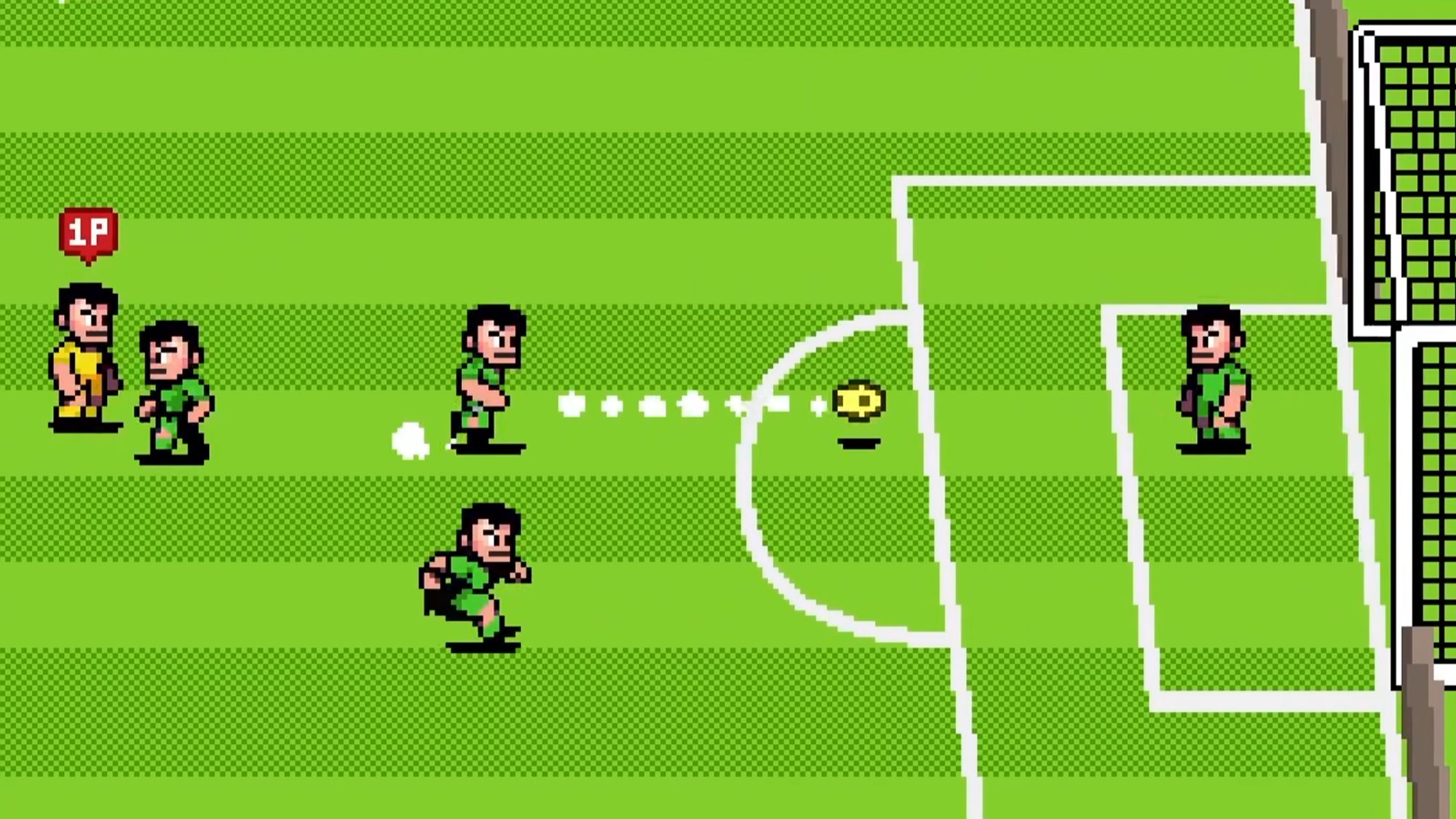
For those looking to transition from spectator to creator, the GameDev Tavern has released a comprehensive, 12-hour video course that serves as a masterclass in sports game architecture. This resource is not merely a theoretical guide; it is a practical roadmap that provides all necessary assets for free, allowing users to build a fully functional soccer game from scratch.
A 12-Hour Journey: The Curriculum of Creation
The course, structured into 24 digestible 30-minute episodes, demystifies the complex systems required to replicate the beautiful game.
Phase 1: Foundations and Movement (Episodes 1–6)
The curriculum begins with the essentials: setting up the Godot environment and implementing basic player movement. In the early stages, developers learn how to translate player input into on-screen action, focusing on responsive controls that mimic the agility of professional athletes.
Phase 2: Mechanics and Physics (Episodes 7–14)
As the course progresses, the focus shifts to the "mechanics of play." This is where the game begins to feel authentic. Lessons cover complex state machines, which manage the transitions between dribbling, shooting, and tackling. Students are also introduced to "steering behaviors"—the mathematical logic that governs how players position themselves on the pitch, move into space, and track the ball.
Phase 3: Advanced Systems (Episodes 15–24)
The final modules tackle the nuances that differentiate a "tech demo" from a "game." These include:
- AI Decision Making: Implementing logic that allows CPU-controlled players to make autonomous decisions.
- Visual Fidelity: Using shaders to dynamically change player skin tones and kits.
- Data Integration: Generating entire squads using external JSON data, mirroring how modern sports games manage vast databases of player statistics.
- UI and Effects: Polishing the experience with dynamic scoreboards, match clocks, and particle effects for goal celebrations.
The Democratization of Game Development
The availability of such high-quality training materials marks a significant shift in the gaming industry. In the past, creating a sports simulator was an insurmountable task for a solo developer due to the sheer volume of assets required. By providing a curated set of assets via GitHub and hosting the project on platforms like Itch.io, the creators of this course have removed the barrier to entry.
This democratization is crucial. When developers are no longer shackled by the demands of shareholders or the necessity of implementing predatory microtransactions to recoup massive development costs, they are free to innovate. They can focus on creating games that prioritize fun, tactical depth, and fairness—qualities that many players feel have been sidelined in modern, commercially-driven football simulations.
Implications for the Future of Sports Gaming
The growing trend of players learning to build their own games suggests a wider disillusionment with the "annual release" model. When a community can build a functional soccer game in just 12 hours of study, it begs the question: what exactly are consumers paying for in a $70 annual update?
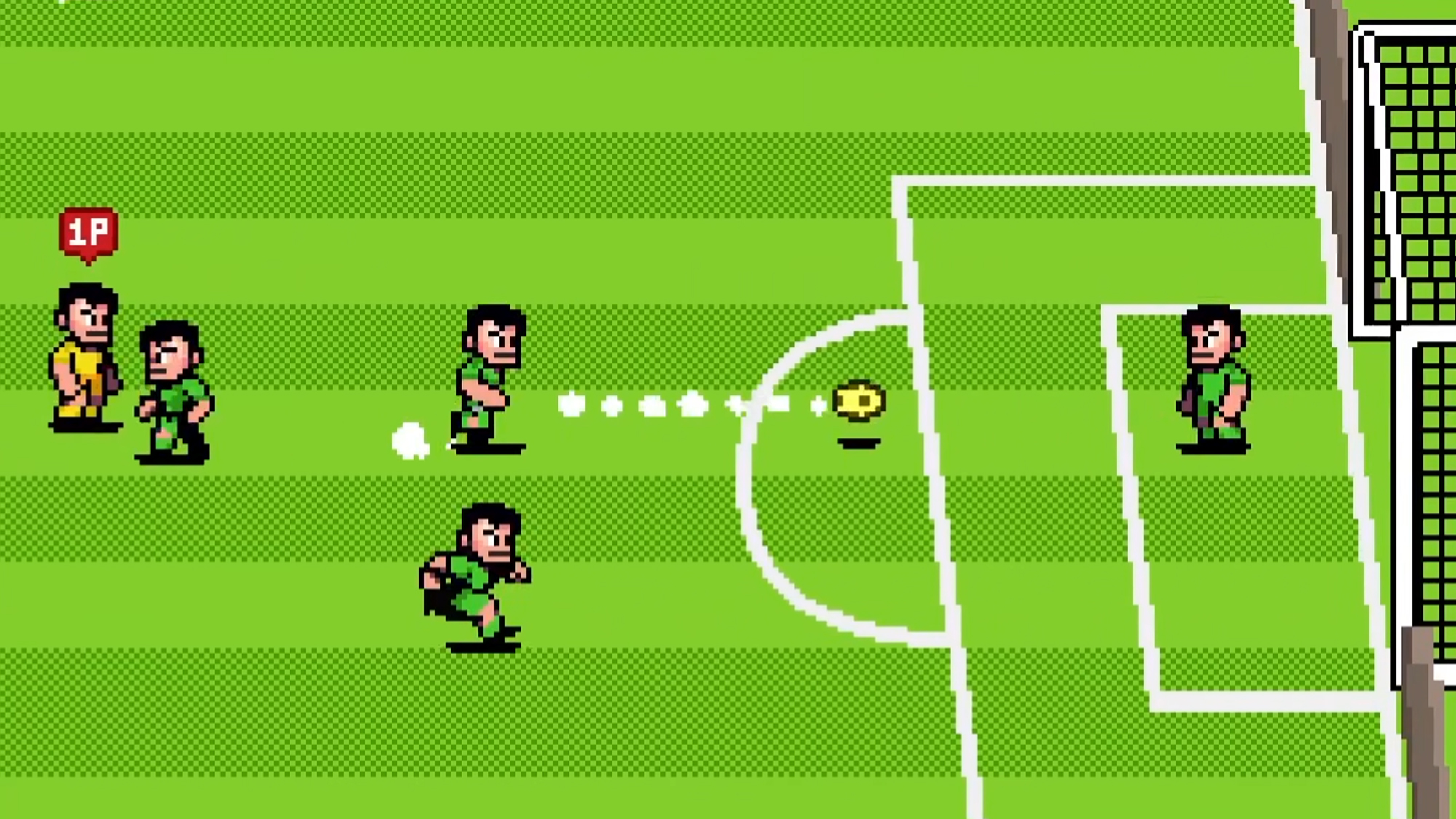
The "Service vs. Product" Conflict
Major publishers often defend the yearly release cycle by pointing to the massive overheads of licensing real-world players, clubs, and stadiums. However, the indie scene is proving that the core gameplay loop—the part of the game that players engage with for hundreds of hours—is something that can be refined and mastered by small teams.
The Rise of Open-Source Alternatives
As more developers gravitate toward engines like Godot, we are likely to see an increase in "community-driven" sports titles. These games don’t need to compete with EA on photorealistic faces or official licenses; they compete on gameplay quality, customization, and transparency. If a community can develop a moddable, extensible, and microtransaction-free football game, they may find a loyal audience waiting for an alternative.
Expert Perspective: Is the Tide Turning?
Industry analysts have noted that the "EA model" is becoming increasingly vulnerable. While the brand recognition of FC 27 remains an insurmountable wall for most, the secondary market for indie sports games is expanding.
"We are seeing a shift where players want to own their experience," says one industry observer. "When you build a game, you understand the engine behind it. You see the code. You realize that the ‘impossible’ mechanics are just math. Once that veil is lifted, the allure of a closed-system, heavily monetized product begins to fade."
Furthermore, the accessibility of these tools means that students and aspiring developers are entering the workforce with a deeper understanding of how sports simulations are built. This could eventually lead to a new generation of game designers who carry the ethos of the indie world into larger development environments, potentially forcing a change from within.
Conclusion: Why You Should Start Today
Whether you are an aspiring game developer, a student looking to sharpen your coding skills, or simply a frustrated fan tired of the status quo, the tools to build the game you want to play are at your fingertips.
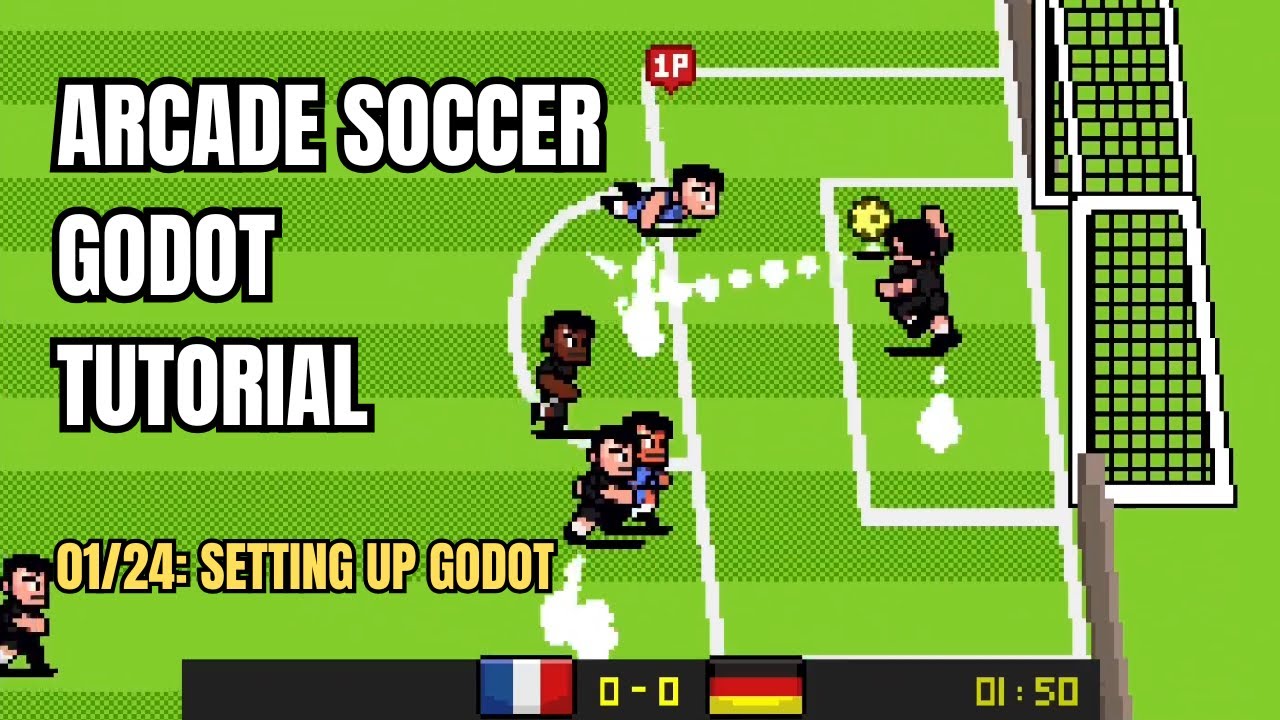
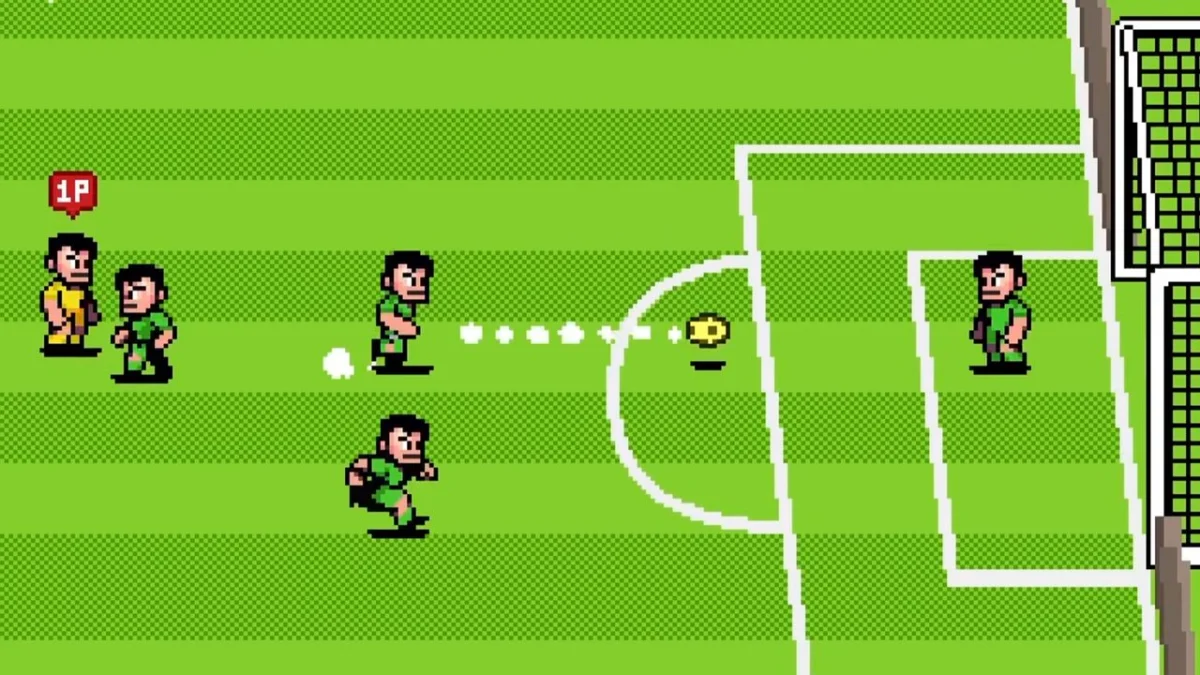
The Super Soccer project, which can be explored on the Gadgaming Itch.io page, serves as a testament to what is possible with persistence and the right guidance. As the world turns its eyes toward the next major football tournament, perhaps the most exciting match won’t be played on a grass pitch in front of thousands, but on a monitor in a home office, where the rules of the game are written by the player, not the corporation.
The path from "playing the game" to "making the game" has never been shorter. With the Godot Engine and a wealth of open-source tutorials available, the only thing standing between you and your own vision of the perfect football simulator is 12 hours of dedicated learning. It is a small investment for the potential to reclaim the genre from the grip of the status quo.
The whistle is about to blow. Are you going to keep watching from the stands, or are you ready to step onto the pitch?