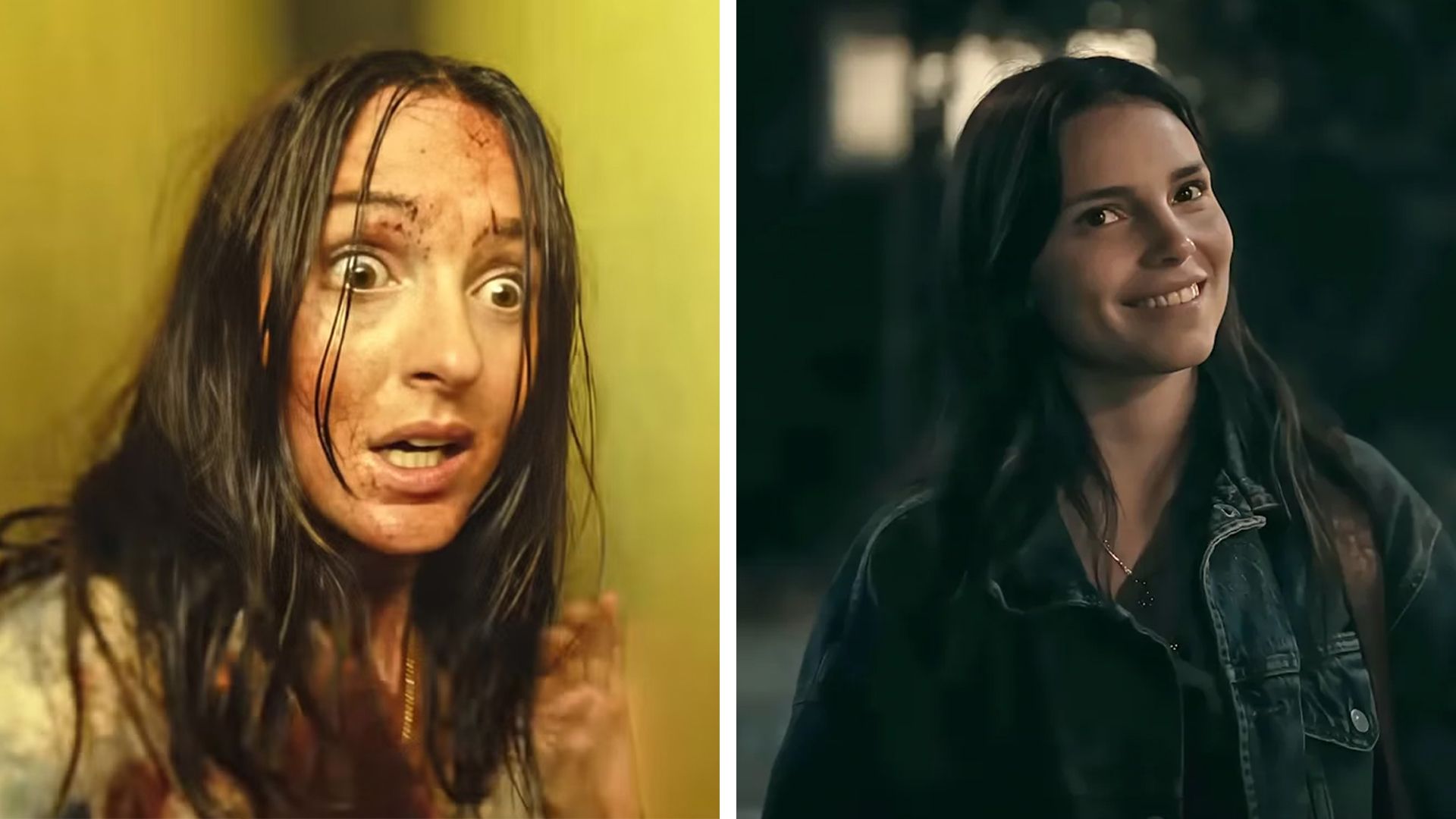
For decades, the path to cinematic success was guarded by a rigid, often impenetrable gatekeeping system. The traditional checklist for a filmmaker was daunting: massive capital, high-level industry connections, studio patronage, professional-grade camera arrays, and an army of production staff. However, the paradigm is shifting. Recent viral sensations like The Backrooms and Obsession have proven that audiences are hungry for novel aesthetics and fresh perspectives, regardless of the pedigree of the production house.
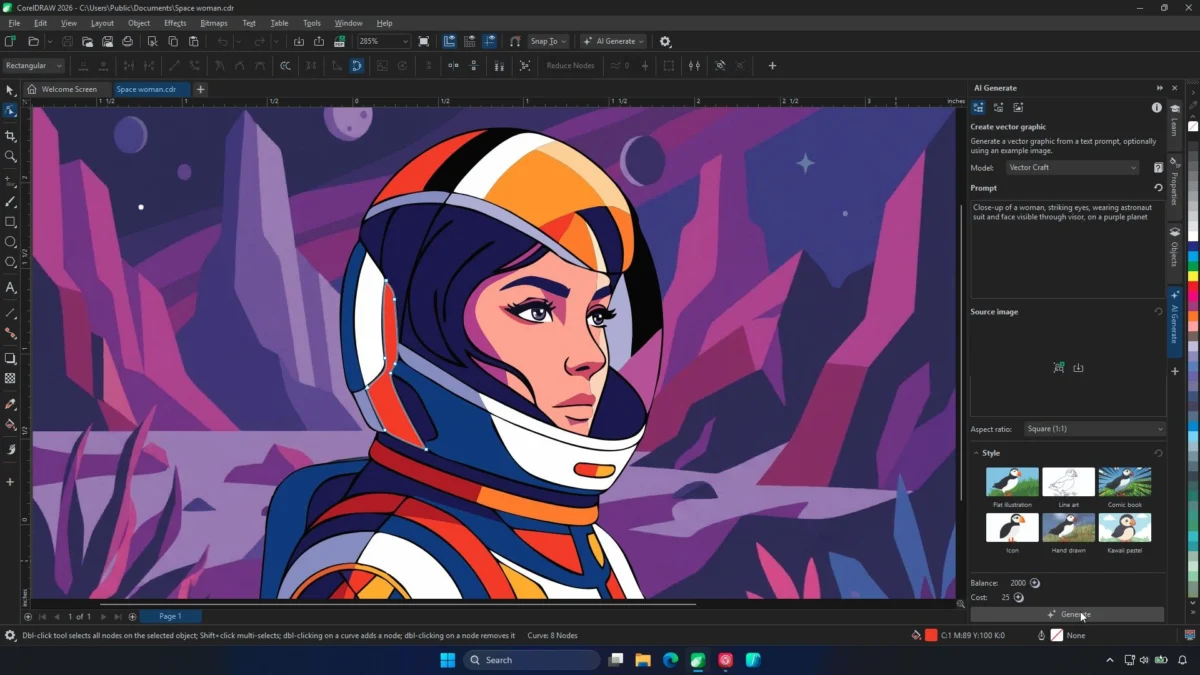
These films, born from the imaginations of creators working outside the traditional studio machine, were crafted using accessible, low-cost tools like Blender. By prioritizing creative vision over institutional funding, these projects have shattered expectations. Notably, The Backrooms achieved a staggering $367 million in global impact on a budget that was essentially negligible, signaling a seismic shift in how stories are brought to life.
The New Frontier: A Shift in Creative Power
For Eliot Mack, CEO and co-founder of Lightcraft Technology, this transition is not merely a trend—it is a fundamental rewriting of the industry’s rulebook. "The key movies in every generation are the ones that rewrite the rules," Mack asserts. "What you are seeing now is the speed at which new talent gets a shot at rewriting those rules. Twenty years old is very quick for a big break, and you are going to see more of this, not less, as the tools become more powerful."
Mack believes the next evolutionary step in filmmaking is not just about cost reduction, but about transparency and open access. Instead of spending years navigating the labyrinth of studio pitches and development hell, the next generation of creators will be able to build, iterate, and display their concepts in immersive, real-time 3D environments long before a single "action" is called on set.
Spark: A New Creative Backbone
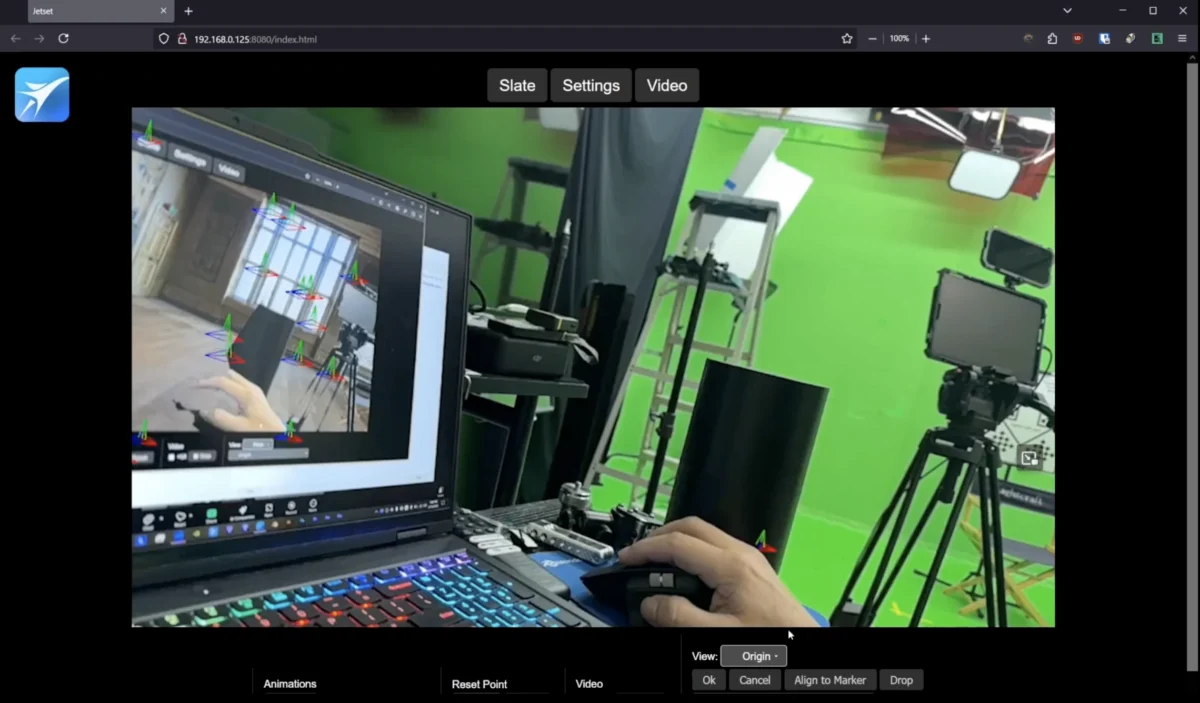
At the heart of this transformation is Lightcraft Spark, an AI-assisted filmmaking platform designed to consolidate the fragmented nature of modern production. Set to be unveiled in detail at SIGGRAPH 2026, Spark aims to unify screenwriting, creative decision-making, and production planning within a single, shared 3D ecosystem.
By focusing on a "script-first" methodology, the platform allows writers and creators to visualize how their ideas function in 3D space, providing a potent tool for pitching and pre-visualization. It bridges the gap between the abstract vision of a writer and the technical reality of a visual effects artist, effectively acting as a "Google Docs for 3D."
Chronology of the Disruption
The current shift can be traced back to the rise of independent, community-driven content on platforms like YouTube.
- The Early Phase: Creators began utilizing open-source software like Blender to build entire digital worlds, bypassing the need for physical sets.
- The Viral Proof-of-Concept: Films like The Backrooms demonstrated that a singular, cohesive aesthetic, paired with strong, "sticky" emotional storytelling, could bypass traditional marketing and distribution channels.
- The Integration Era: Platforms like Lightcraft Spark are now emerging to provide the infrastructure needed to scale these micro-budget successes into larger, more complex feature-length projects.
- The Future (2026 and beyond): As AI-assisted tools become standardized, the divide between "YouTube creators" and "studio filmmakers" is expected to blur, with studios increasingly scouting talent based on their proven technical and creative output rather than resumes.
Supporting Data: Why Small Budgets are Winning
The success of The Backrooms is not an anomaly; it is a proof-of-concept for a new business model. By pre-visualizing the entire project in 3D, director Kane Parsons was able to shoot with incredible efficiency, maximizing every dollar of his $10 million budget. This is the new gold standard for indie production: "pre-shooting" the movie to minimize the "trial and error" that typically inflates budgets.
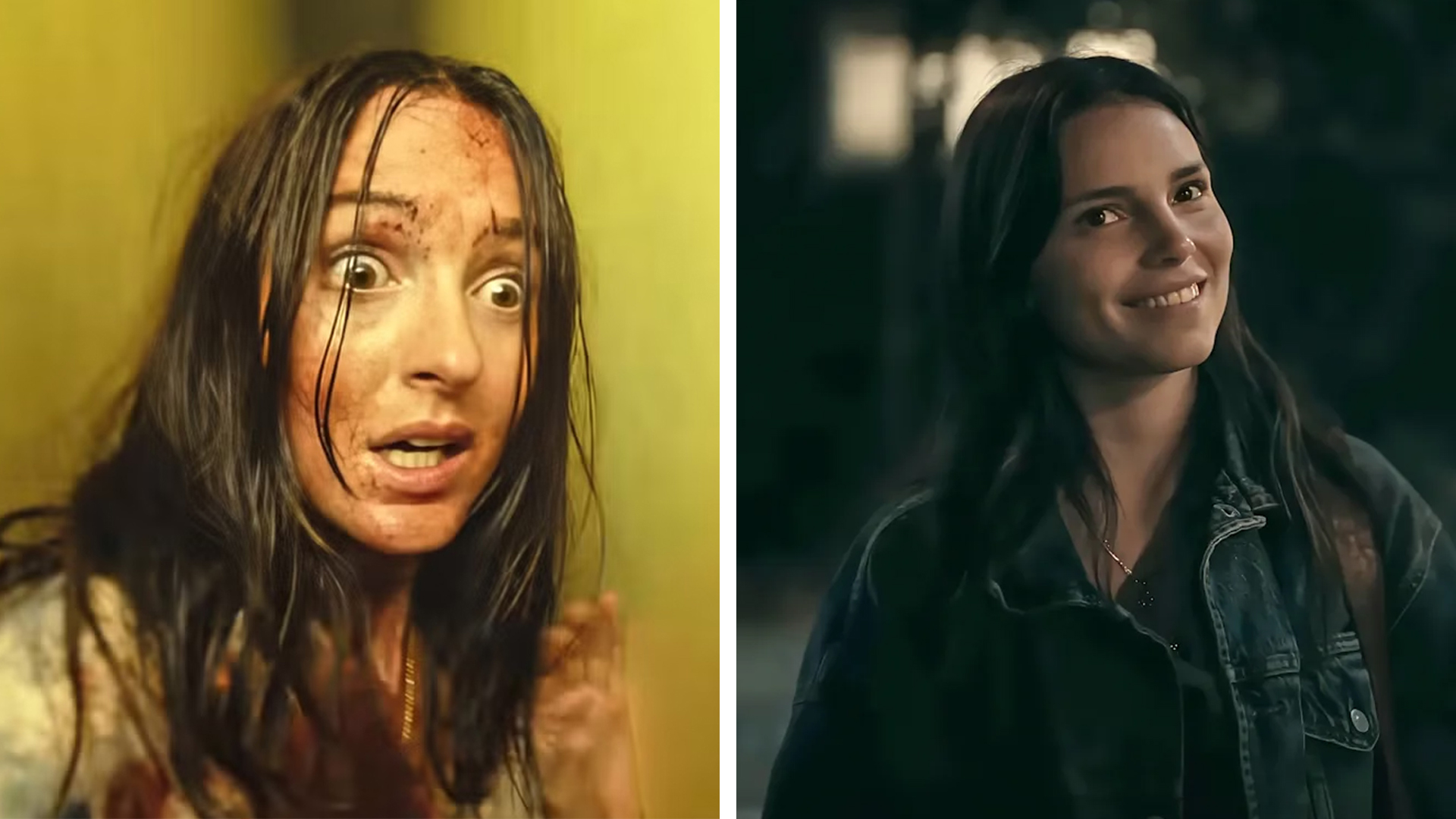
Mack points out that Hollywood has long scaled creativity through budget, assuming they are the ones driving the industry train. However, as the cost of high-end visual fidelity drops, the power dynamic is shifting. When filmmakers can demonstrate a visual proof-of-concept that looks like a finished product, the risk for investors drops, and the leverage of the creator increases.
Official Responses and Industry Implications
The reaction from the established industry has been a mix of caution and opportunistic scramble. Studios are currently scouring platforms like Reddit and YouTube, attempting to identify "wunderkinds" who have already built a fan base.
"If people see success, they want in on it," says Mack. "The reports coming out post-Backrooms and Obsession are all saying studios are already scrambling to find their YouTube wunderkinds."
However, this isn’t the death of the studio system; it is its evolution. Mack envisions a future where studios act more like venture capital firms or high-level incubators. They bring 100 years of institutional insight into character development and distribution, while the creators bring the agility and technical innovation.
Technical Friction: Breaking the "Island" Workflow
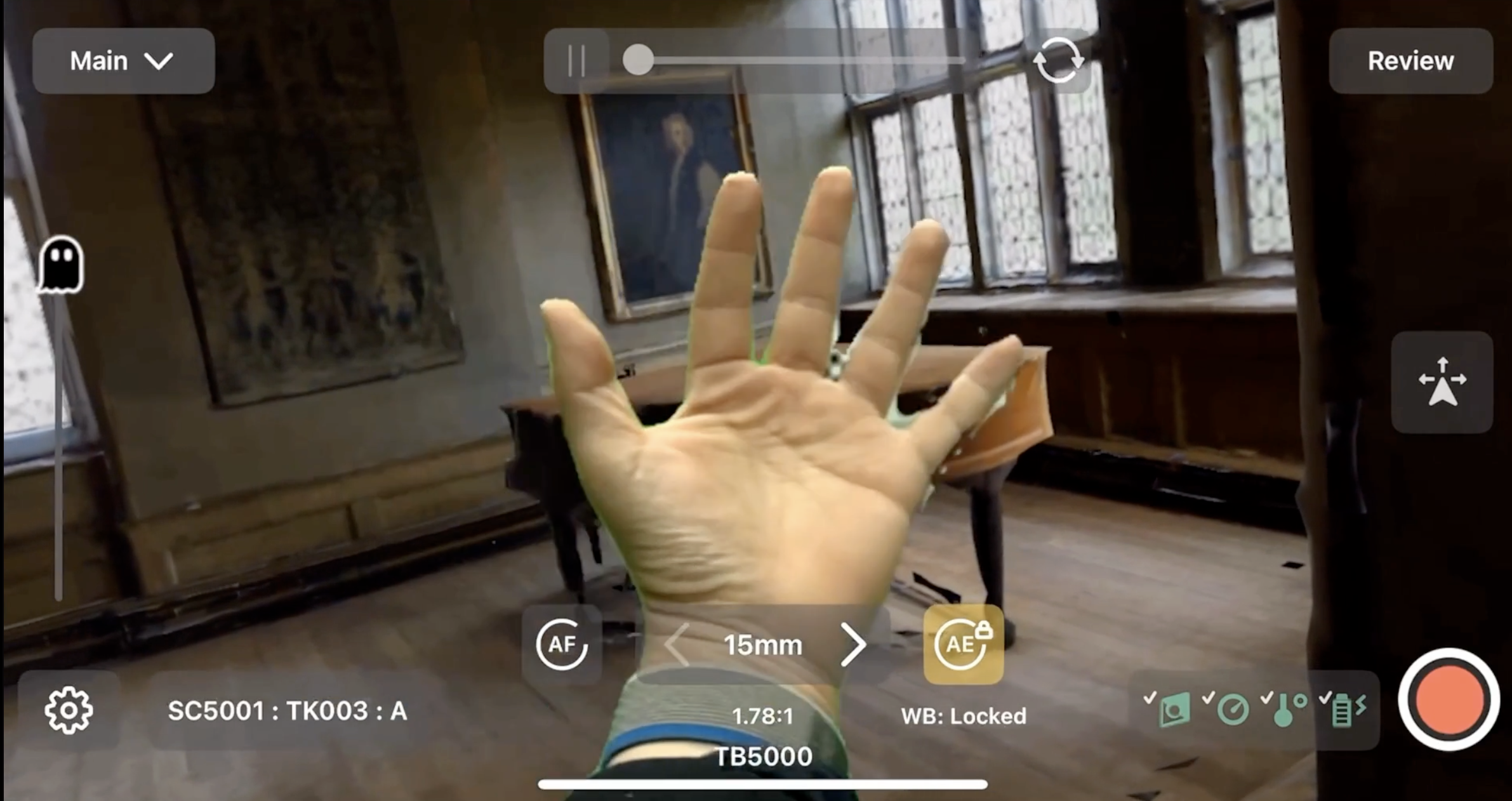
One of the most persistent bottlenecks in filmmaking is the "silo effect," where pre-production, production, and post-production operate as isolated islands. These departments often do not communicate, leading to repetitive work and data loss.
Spark addresses this by:
- Centralizing Data: All creative decisions, camera positions, and asset files are stored in a common 3D database.
- Collaborative Ideation: It allows teams to work in a browser or on an iOS device, ensuring everyone—from the DP to the VFX artist—is looking at the same "ground truth."
- Automated Processes: By automating the mundane tasks of shot management, teams can focus on creative polish rather than project administration.
The Future: A New Creative Class
Looking five years ahead, the "typical" indie production will be unrecognizable to today’s standards. The solitary, isolating process of writing a script and hoping for a green light will be replaced by a highly collaborative, playful development cycle.
"It’s much more fun to workshop scenes with friends as you work in the browser, in your bedrooms and bunny slippers, than alone," notes Mack.
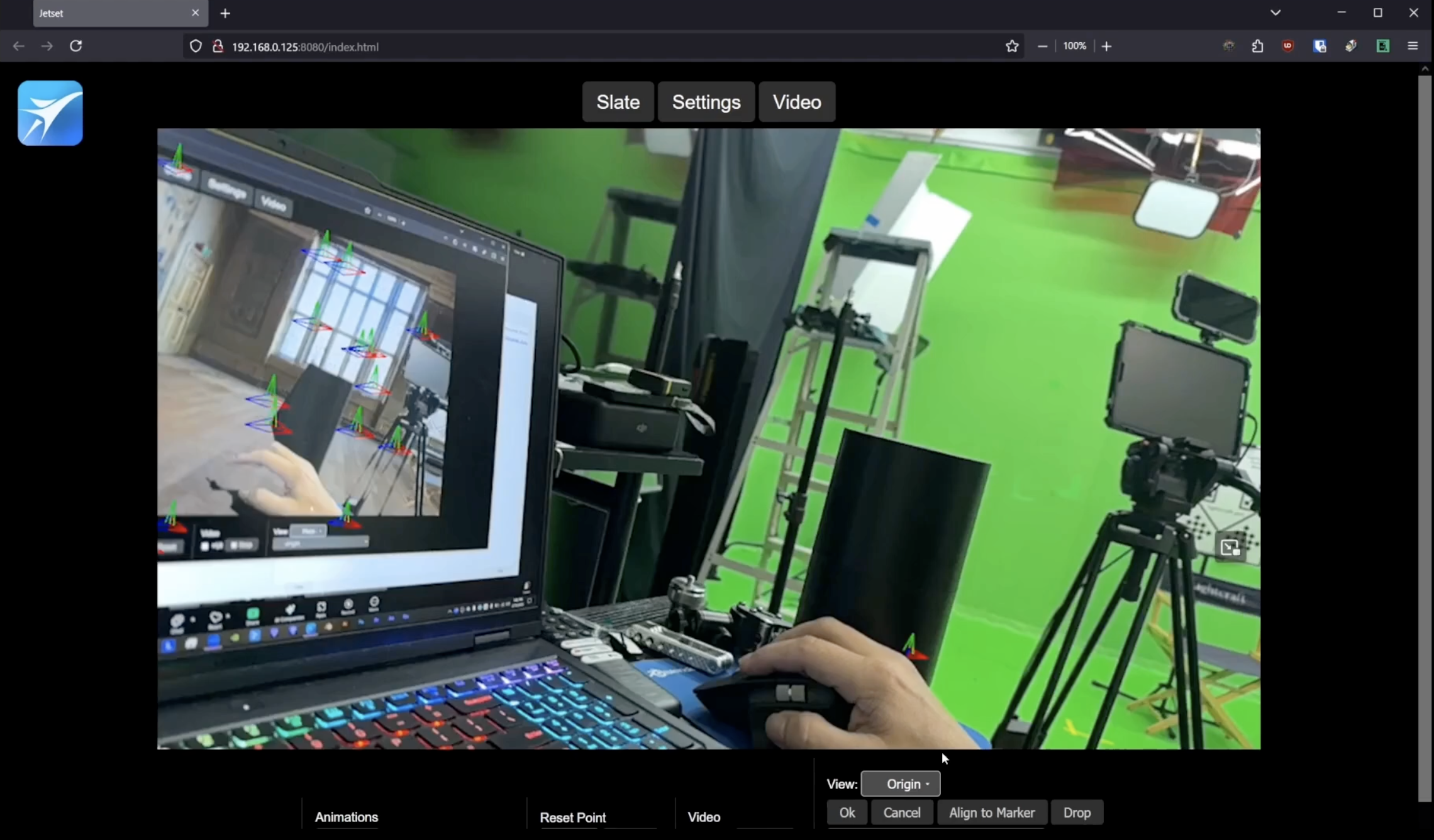
When a filmmaker brings a project to a financier in this new ecosystem, they won’t just be presenting a screenplay; they will be presenting a fully realized visual experience. This "seeing is believing" approach is expected to dramatically increase the success rate for original, high-concept projects that were previously deemed too "risky" by traditional accountants.
Conclusion: The Democratization of Spectacle
The future of filmmaking belongs to those who can show their ideas rather than just pitch them. As tools like Lightcraft Spark become ubiquitous, the barriers to entry will continue to collapse. We are entering an era where the only real limitation to a film’s quality will be the imagination of the creator. By shifting the industry focus from "gatekeeping" to "incubating," the next generation of storytellers is set to make the world of cinema not only more efficient but significantly more interesting.
As the lines between short-form viral content and long-form cinema continue to fade, the "YouTube wunderkinds" of today will become the auteurs of tomorrow, armed with the technical infrastructure to turn their wildest visions into reality. The revolution is already underway—and it’s happening in 3D.