

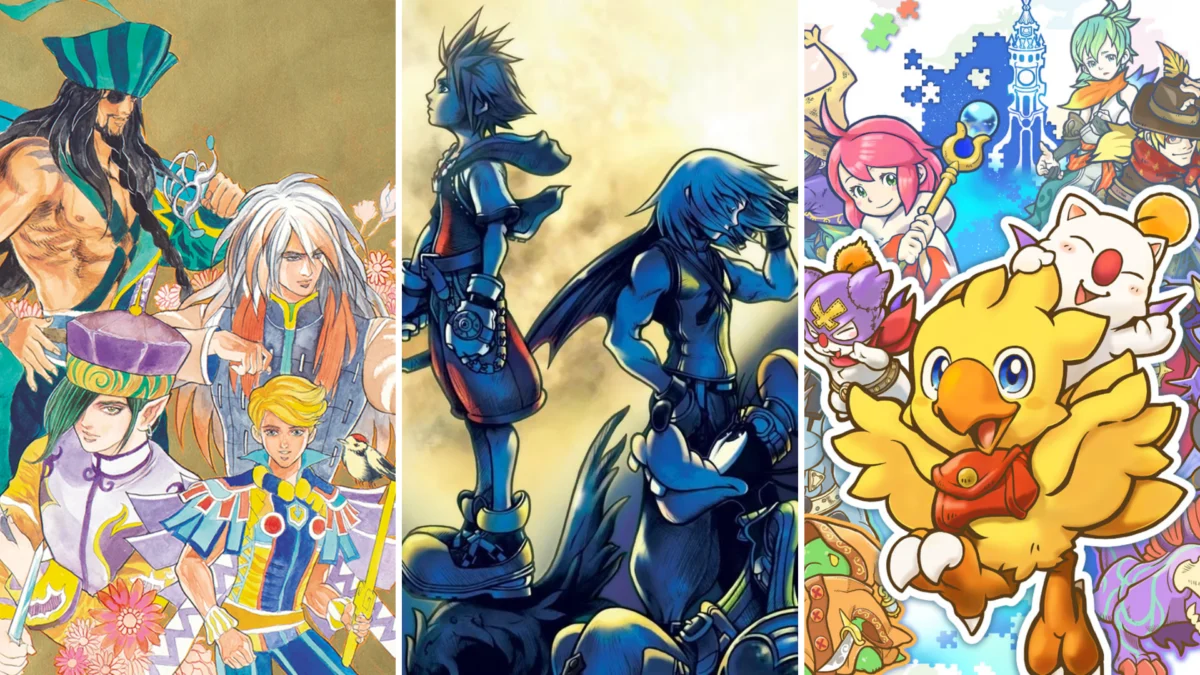
Japanese Role-Playing Games (JRPGs) have long captivated audiences with their intricate narratives, memorable characters, and expansive worlds. While many entries offer a welcoming hand to newcomers and seasoned players alike, a dedicated segment of the gaming community actively seeks out experiences that push their skills to the limit. These are the games that demand patience, strategic thinking, and a willingness to face repeated setbacks – the true tests of a player’s mettle. This article delves into a selection of JRPGs renowned for their challenging gameplay, exploring what makes them formidable and why they continue to appeal to those who crave a significant hurdle to overcome.
The Allure of the Challenge: Why Players Seek Difficult JRPGs
The appeal of difficult JRPGs stems from a variety of factors. For many, overcoming a tough boss or a complex puzzle provides a profound sense of accomplishment that simpler games cannot replicate. The journey through a challenging game often leads to a deeper understanding of its mechanics and a greater appreciation for its design. Unlike games that can be completed with minimal effort, these titles foster a sense of mastery, where each victory feels earned and significant.
Furthermore, the narrative immersion in JRPGs is often amplified by challenging gameplay. When players invest hours into strategizing, grinding, and learning enemy patterns, the stakes of the story feel more real. The struggles of the characters on screen become intertwined with the player’s own perseverance, creating a powerful emotional connection. This is particularly true in games where failure is a frequent occurrence, forcing players to confront their limitations and adapt their approach.
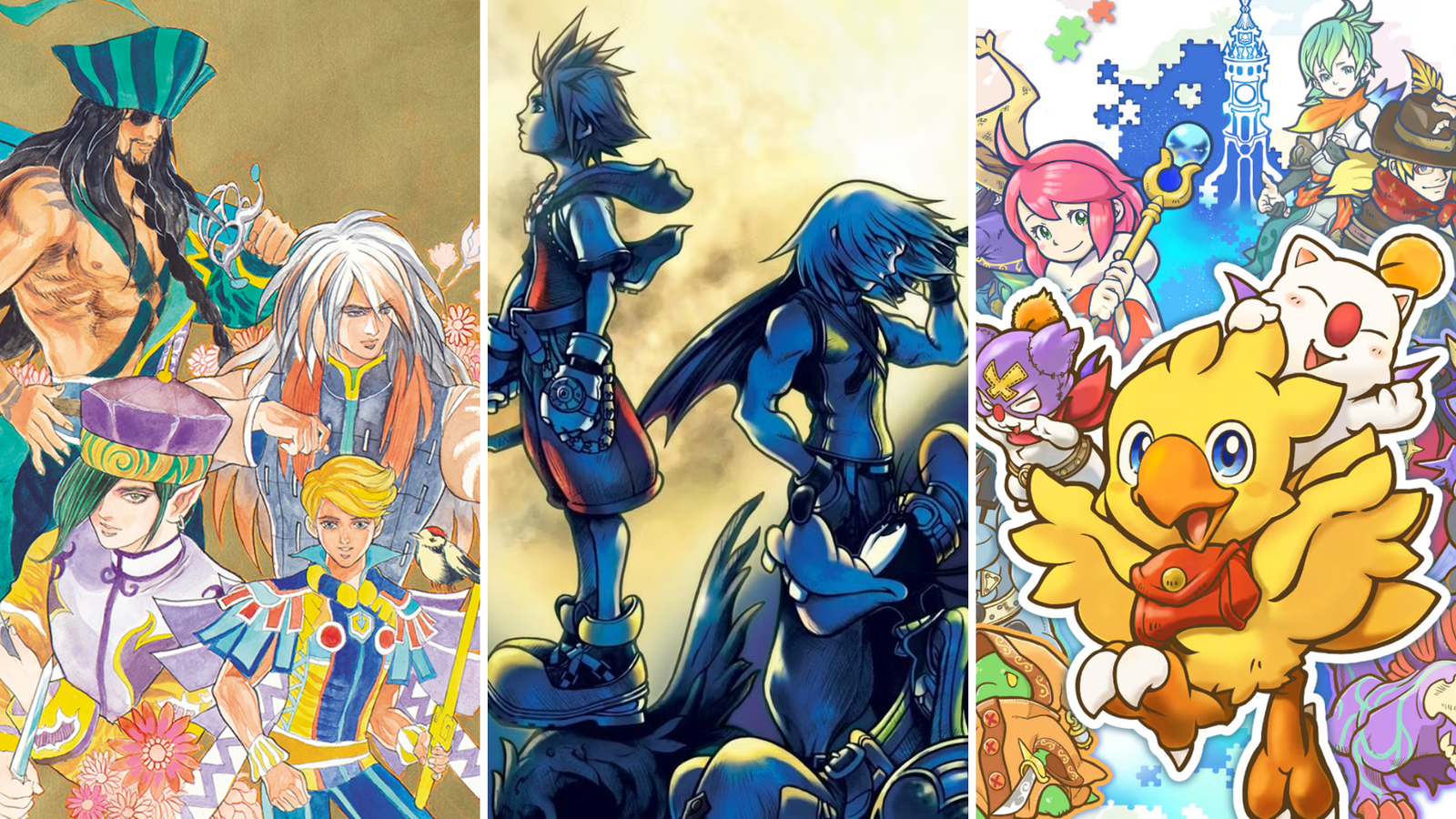
A Chronological Look at Formidable JRPGs
The history of JRPGs is replete with titles that have tested players’ resolve. From the early days of the genre to modern releases, developers have often incorporated mechanics designed to challenge players, whether intentionally or as a byproduct of their design philosophies.
The Legend of Heroes: Trails in the Sky (2004)
A Legacy of Depth and Deliberation
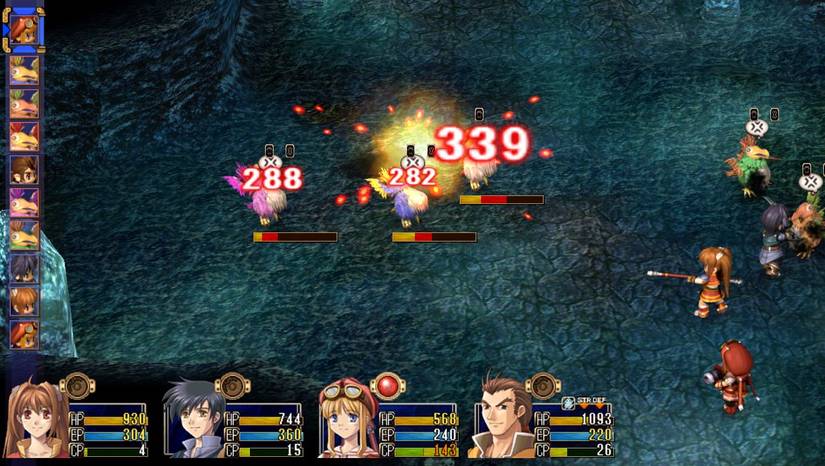
The Legend of Heroes: Trails in the Sky, the first entry in a sprawling and interconnected narrative, is a prime example of a JRPG that demands patience. Released in 2004, this title, like many of its contemporaries, features a turn-based combat system that can be deliberately paced. While its depth is often lauded, the initial learning curve and the methodical nature of battles can be a significant barrier for players accustomed to faster-paced action.

The game’s challenge isn’t solely confined to boss encounters. Its intricate world-building and extensive dialogue require a commitment to absorbing information, and the exploration can feel slow without the benefit of modern conveniences. For players who managed to acquire the PC version, the "Turbo" button became an indispensable tool, allowing them to accelerate battles and exploration, mitigating some of the game’s inherent pacing issues. The remake, released much later, offered a more accessible entry point, but the original’s deliberate design remains a testament to the era’s approach to JRPG development.
Chocobo Mystery Dungeon: EveryBuddy! (2019)
Cute Facade, Strategic Core
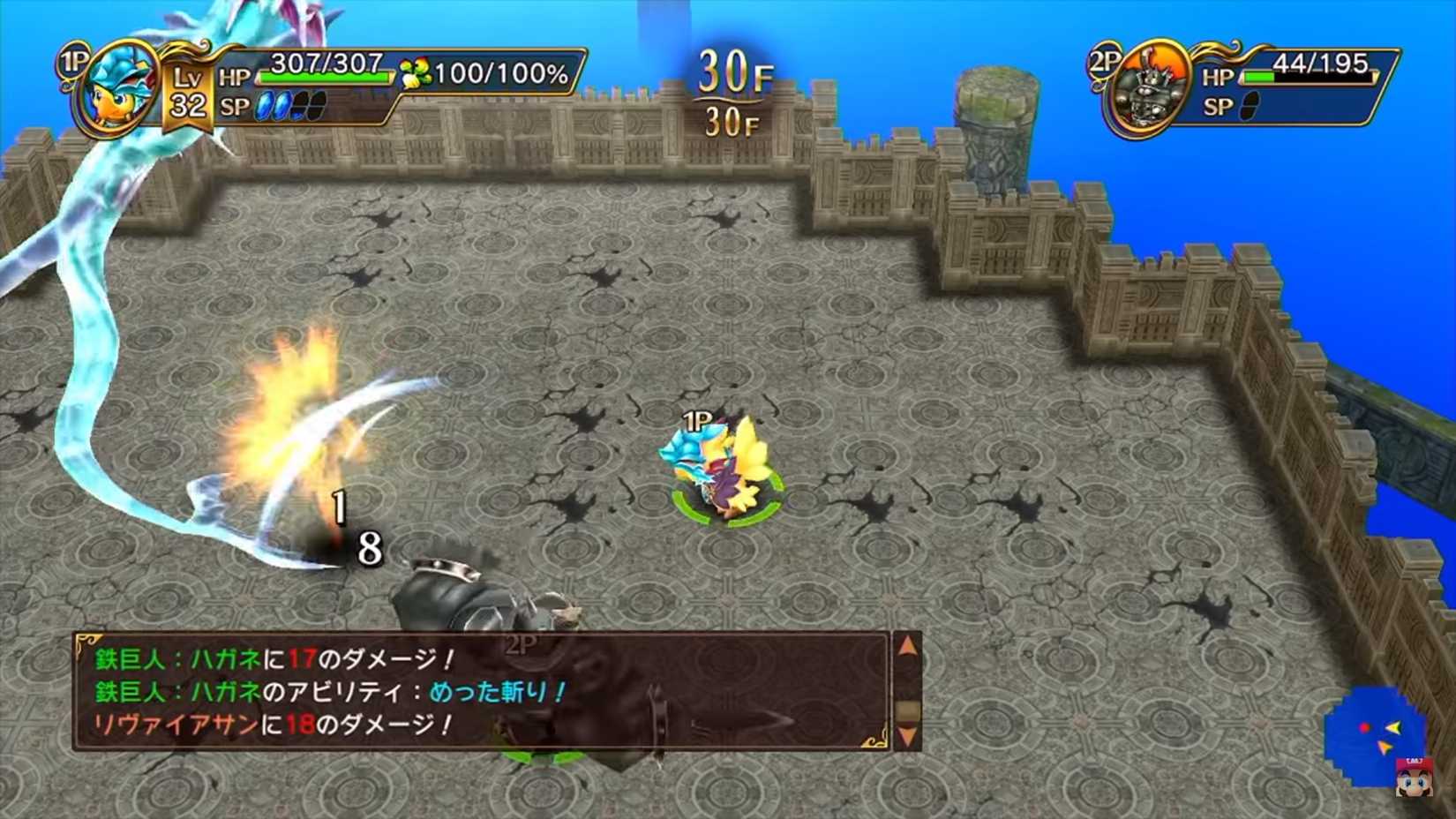
At first glance, Chocobo Mystery Dungeon: EveryBuddy! presents a disarmingly charming exterior. Featuring the beloved Final Fantasy mascot, Chocobo, and its signature "Mystery Dungeon" roguelike mechanics, it might seem like a lighthearted adventure. However, beneath the cute graphics and often criticized voice acting lies a surprisingly strategic experience.

Unlike the more straightforward Pokémon Mystery Dungeon titles, EveryBuddy! integrates more traditional JRPG mechanics, requiring players to carefully consider party composition and job roles. Elemental weaknesses and synergistic abilities play a crucial role, but the true challenge lies in the dungeon crawling itself. Each procedurally generated dungeon demands careful planning and resource management. A single misstep can lead to a cascade of problems, making it a game that requires constant engagement and thoughtful decision-making. It’s a game that teaches players not to underestimate its seemingly simple presentation.
Tales of Symphonia: Dawn of the New World (2008)
A Sequel’s Stumble into Difficulty
Sequels in the revered "Tales of" series are often met with high expectations, but Tales of Symphonia: Dawn of the New World stands out for its particular brand of challenge, often stemming from its narrative and gameplay design choices. While the original Tales of Symphonia is a beloved classic, its direct sequel introduced elements that proved divisive and, for some, frustratingly difficult.
A primary source of contention was the forced inclusion of protagonists Emil and Marta in the player’s party at all times. Their temperaments and their reliance on each other meant that if either fell in battle, the entire party suffered an instant defeat, regardless of the player’s own strategic prowess. This design choice, coupled with an over-reliance on their abilities and a potentially unbalanced monster-catching mechanic, meant that players had to navigate specific party dynamics or risk constant failure. The game also featured motion controls that, depending on the platform, could be more of a hindrance than a help, further complicating the challenge.
Kingdom Hearts (2002)
The Unskippable Trial of Patience
The original Kingdom Hearts, a groundbreaking collaboration between Square Enix and Disney, is a game many consider a rite of passage. While its blend of action RPG combat and beloved Disney characters was a massive success, its difficulty, particularly in later stages, caught many players off guard. The iconic Ansem-Riku and Ansem, Seeker of Darkness battles are notorious for their steep challenge, especially for players who hadn’t fully mastered the game’s systems or strategically planned their party’s growth.
However, the most significant "difficulty" factor for many players, and a point of contention that has since been addressed in later releases, was the absence of a "skip cutscene" button. For those who struggled with the boss encounters, repeated viewings of lengthy, non-skippable cutscenes became an unavoidable and often agonizing part of the process. The emotional weight of these moments, while intended to enhance the narrative, could become a significant impediment to progression for players facing a formidable boss, turning narrative immersion into a test of sheer endurance.
Romancing SaGa: Minstrel Song (2005)
The Tyranny of Event Ranks
The SaGa series is renowned for its non-linear design and emphasis on player freedom. Romancing SaGa: Minstrel Song, a remake of the 1992 Super Famicom title, exemplifies this philosophy but introduces a unique challenge: the event rank system. Instead of traditional experience points, player actions in battle contribute to an "event rank," which dictates enemy difficulty and available quests.
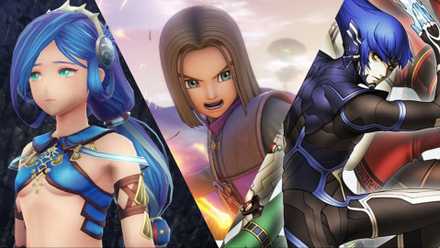
This system creates a delicate balancing act. Grinding unnecessarily can rapidly increase the event rank, leading to enemies that are vastly overpowered and quests that become inaccessible. Players can inadvertently trap themselves in a softlock, finding themselves unable to progress due to a lack of resources or an insurmountable enemy difficulty. This necessitates a strategic approach to every battle, encouraging players to be judicious about engagement and to carefully consider the consequences of their actions. Unnecessary battles are not merely a waste of time; they can actively hinder progress, making the early game a period of careful navigation and strategic avoidance.
Maten no Soumetsu (1993)
An Obscure Gem of Unforgiving Design
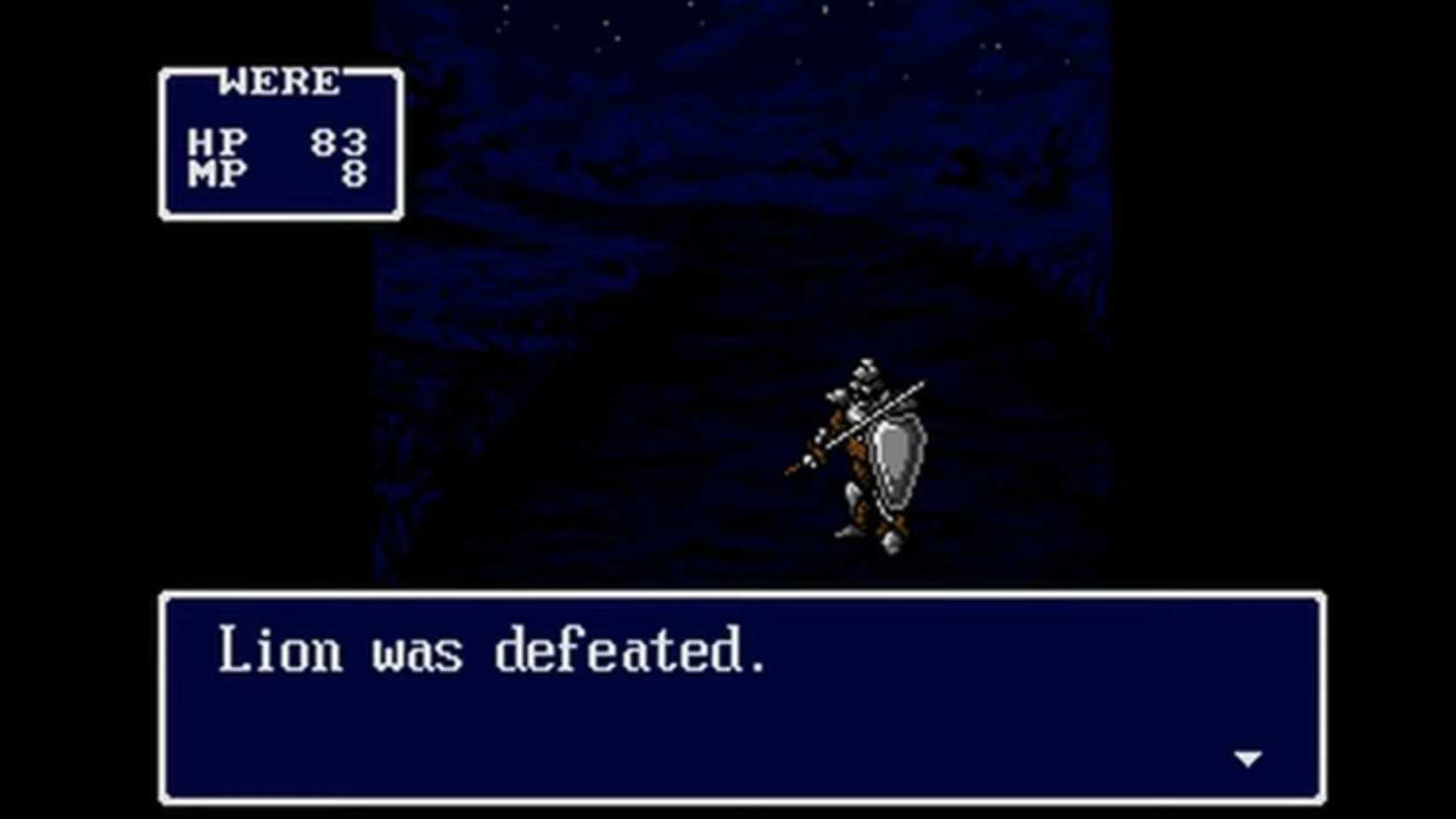
Lost to the annals of the Sega Genesis, Maten no Soumetsu is an obscure JRPG that offers a significant challenge for those willing to seek it out. Developed by Warlock and published by Kodansha, this 1993 title stands out for its unforgiving nature. Players are thrown into a world where instant-kill enemies are a genuine threat from the outset.
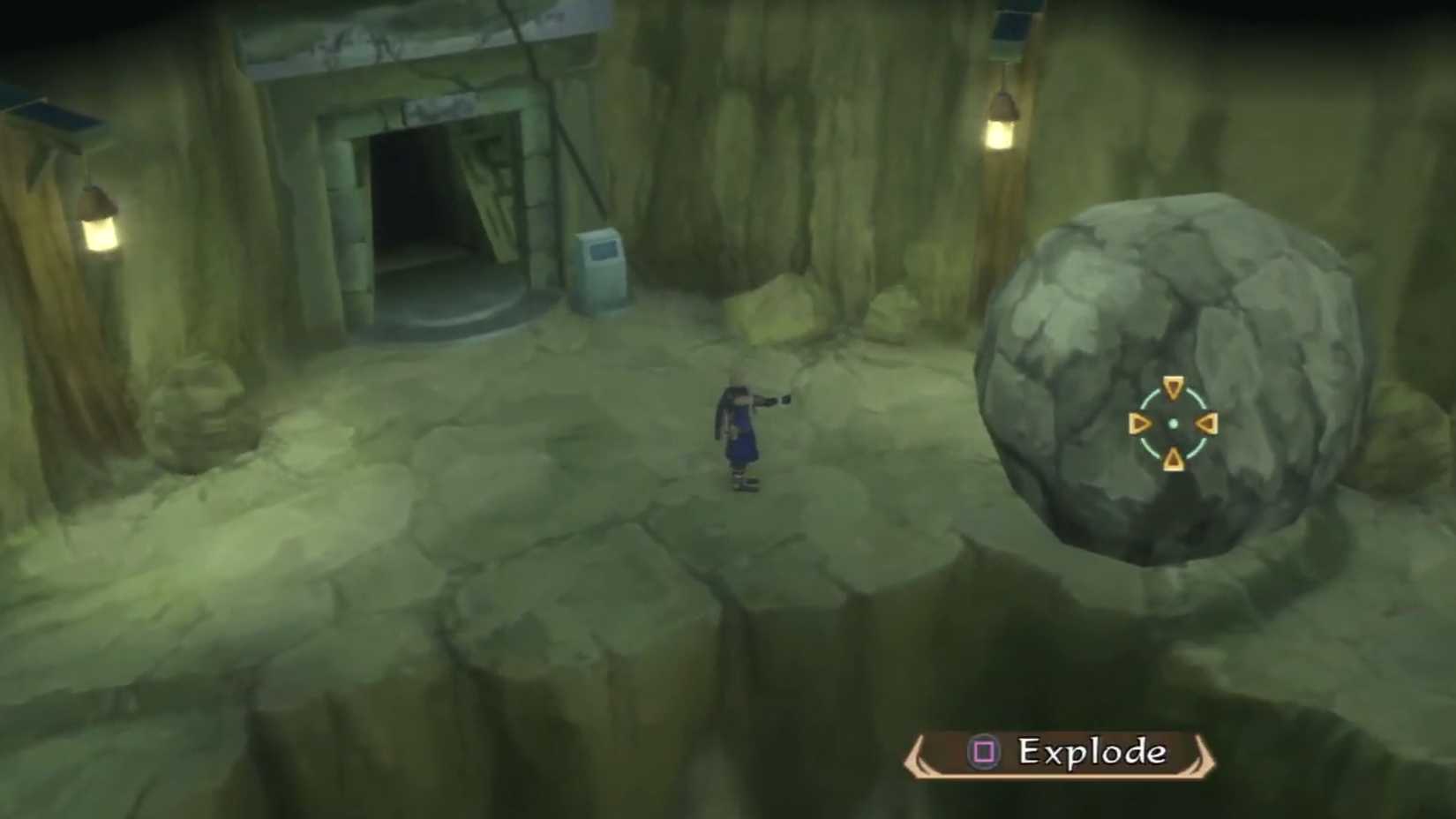
The game’s difficulty is compounded by its age and the lack of widespread accessibility. While an English fan patch has made the game playable for a wider audience, its core mechanics remain demanding. The responsive gameplay, including a functional day-night cycle, is impressive for its time, but it serves as a backdrop for a gameplay loop that requires constant vigilance. Facing enemies that can end a playthrough in a single turn demands a high level of preparation and a willingness to learn enemy patterns through trial and error.
Xenosaga Episode II: Jenseits von Gut und Böse (2005)
A Steep Climb in a Complex Saga
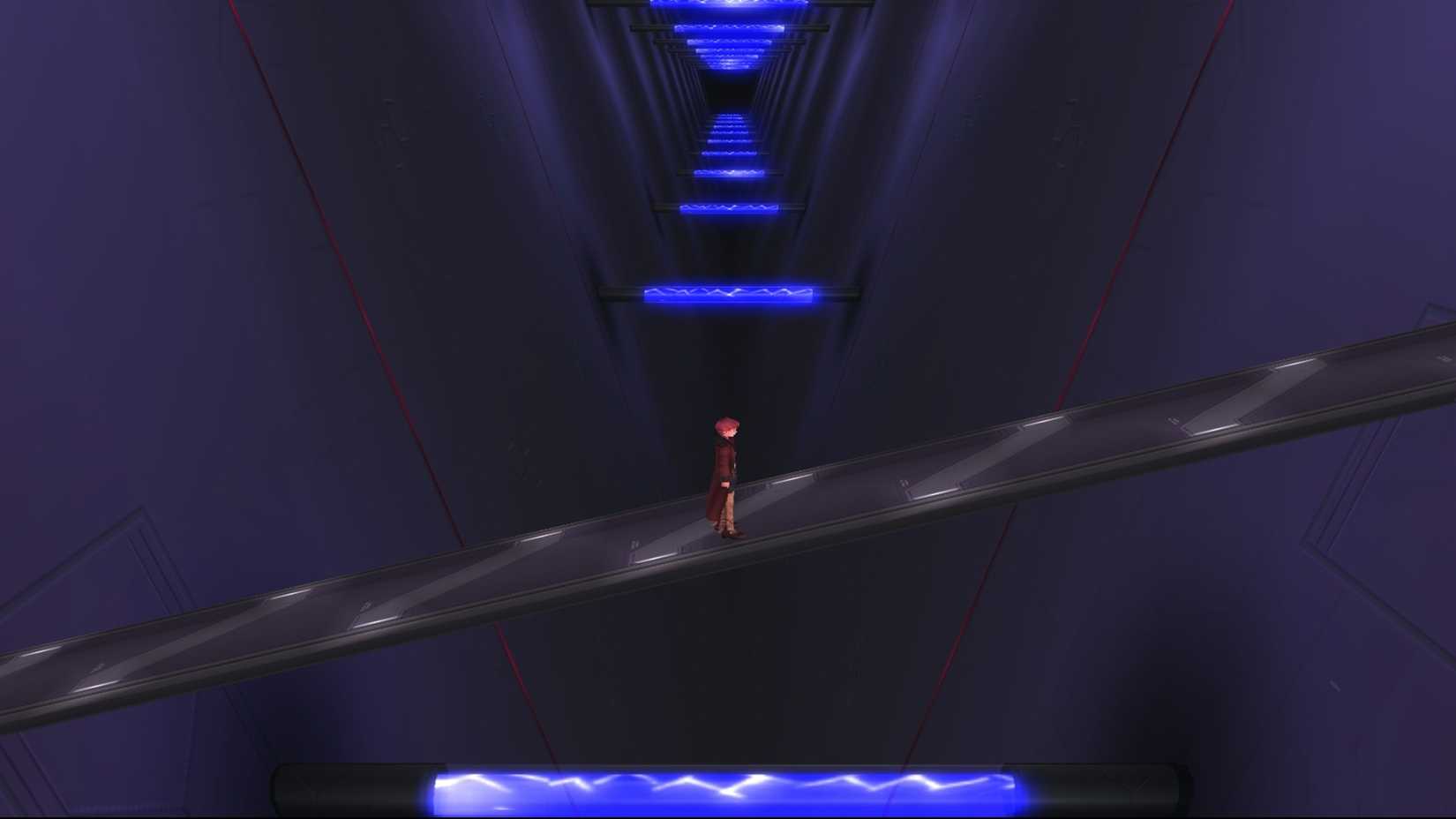
Xenosaga Episode II, the second installment in the ambitious Xenosaga trilogy, is a game that intentionally deviates from its predecessor, presenting a significant challenge for players. The transition from the first game’s mechanics to the second’s radically altered combat system can be jarring. Players are immediately thrust into a high difficulty curve, particularly if they are not intimately familiar with the nuances of Episode I.
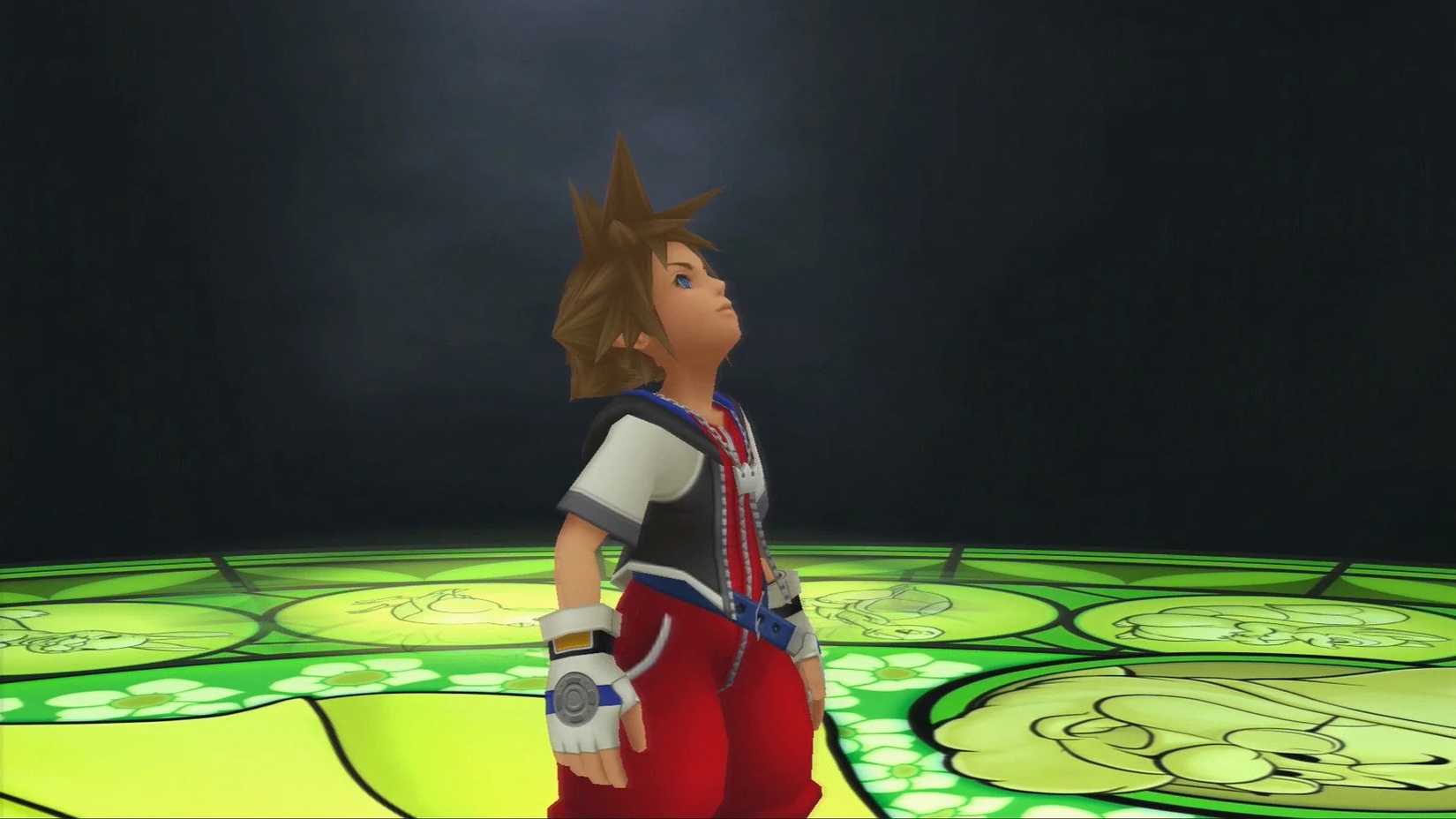
The game’s combat system, while offering strategic depth, is unforgiving. Unlike many RPGs where players can mindlessly grind or button-mash through encounters, Xenosaga II demands active engagement with its mechanics. Failure to do so results in consistent, often brutal, defeats. The game is characterized by significant difficulty spikes, requiring players to master its intricate systems to progress. This steep learning curve and the demanding nature of its combat are central to its reputation as a challenging JRPG.
Final Fantasy VII (1997)
A Timeless Classic with Enduring Hurdles
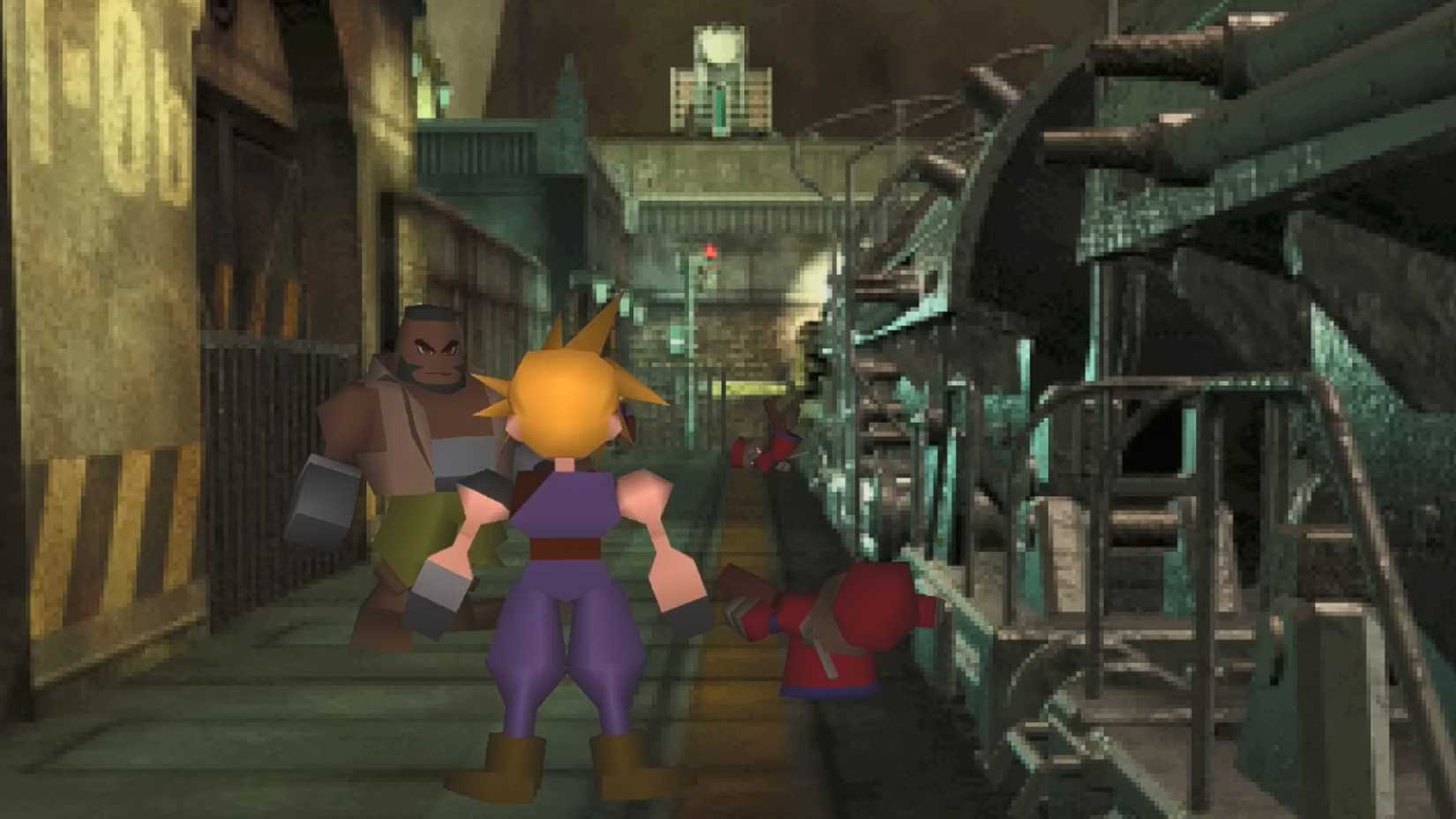
Final Fantasy VII is a seminal title in the JRPG landscape, and its impact is undeniable. While its narrative and characters remain beloved, the original PlayStation version, despite its age, presents a considerable challenge that can surprise modern players. Navigation can be pixel-perfect, leading to frustrating moments where precise movement is required to progress.
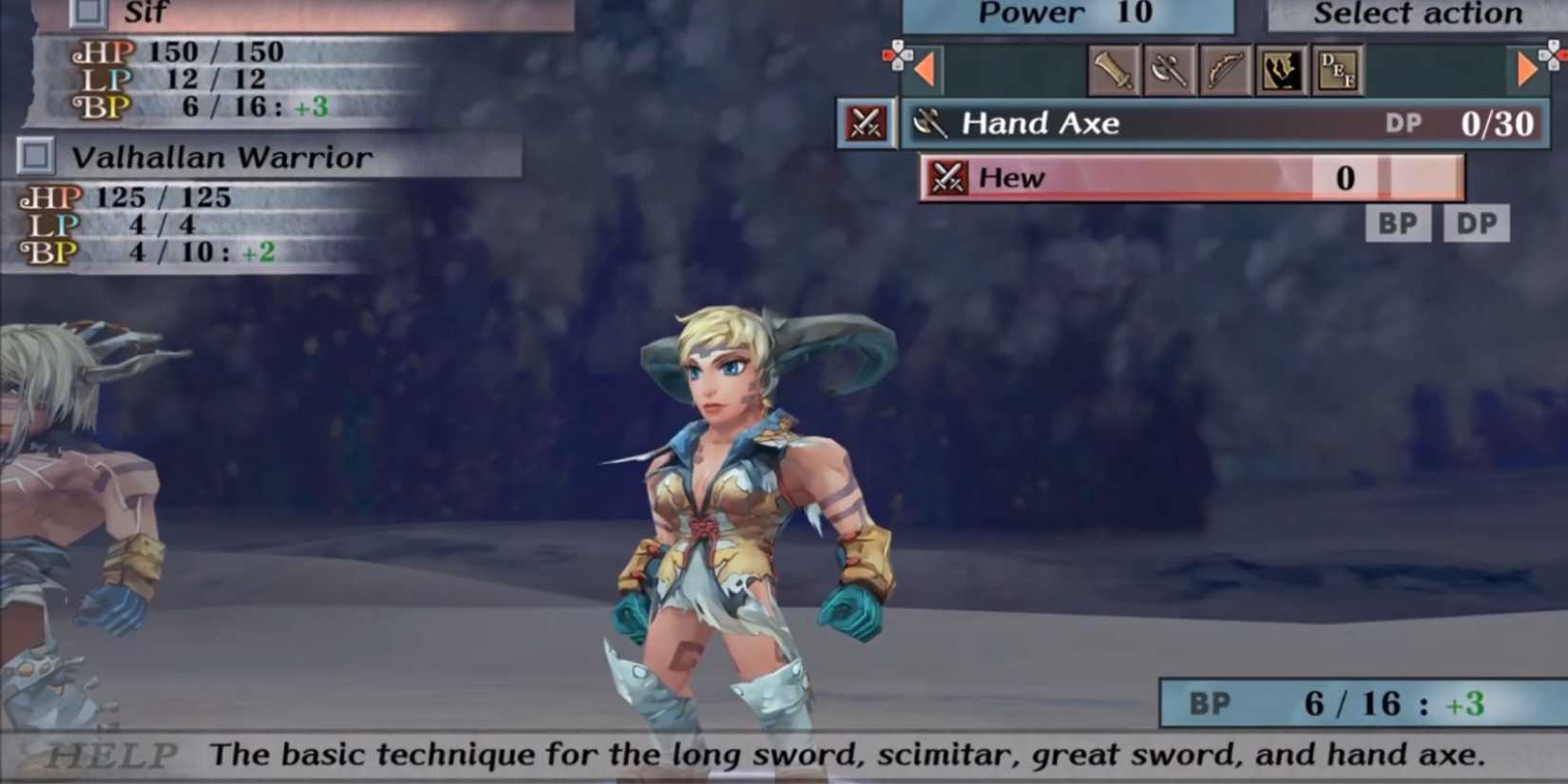
More significantly, the game’s difficulty often stems from its unforgiving nature regarding player preparation. Certain late-game areas are designed with the assumption that players have made specific strategic choices and party adjustments. Without this foresight, players can find themselves woefully unprepared, with no way to backtrack and adjust their party composition. This can lead to entire playthroughs being jeopardized by a single ill-timed push into a challenging zone. While more recent ports offer "god modes" for accessibility, an earnest playthrough of the original demands careful attention to warnings and thorough preparation to overcome its inherent challenges.
Breath of Fire: Dragon Quarter (2002)
The Cycle of Sacrifice
The fifth installment in the Breath of Fire series, Dragon Quarter, represents a radical departure from its predecessors, both thematically and mechanically. Shifting from a traditional fantasy setting to a sci-fi, grunge-inspired world, this 3D entry was designed with replayability in mind, introducing a unique and divisive gimmick: the "Dragon Gauge."
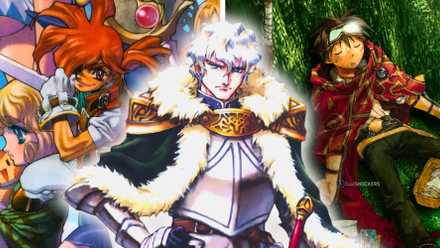
This gauge represents the protagonist’s dragon abilities, which are immensely powerful and can decimate enemies. However, using these abilities too frequently contributes to a "save-killer counter." To achieve the game’s true ending, players must meticulously manage this counter, balancing the urge to unleash powerful dragon attacks with the consequence of having to restart the game from the beginning. This constant tension between power and punishment creates a demanding balancing act that can feel tedious and frustrating, making it a true test of a player’s commitment.
Star Ocean: Till the End of Time (2003)
A Litmus Test for Player Patience
Star Ocean: Till the End of Time, the third main entry in the Star Ocean series, is a game that elicits strong reactions from its player base. Its departure from the established norms of the previous titles in terms of battle system and worldbuilding made it a divisive experience. While the combat system itself is often praised for its depth, it demands that players push its systems to their limits, often facing boss encounters with exceptionally large HP pools that can test the endurance of even the most skilled players.
Beyond the gameplay challenges, the game is also notorious for its technical issues, particularly in its PlayStation 4 port, which can be prone to crashing. These bugs, remnants of development arguments between Enix and Sony, can further exacerbate the frustration. Ultimately, Star Ocean: Till the End of Time acts as a significant litmus test for players. They will either find themselves deeply engaged by its unique offerings or driven to the brink of controller-throwing frustration, with little in between.
Supporting Data and Developer Intentions
The difficulty in these JRPGs is not always accidental. Developers often aim to create challenging experiences for specific player segments. For instance, the deliberate pacing in games like Trails in the Sky reflects a design philosophy focused on in-depth storytelling and strategic combat, appealing to players who appreciate meticulous world-building and turn-based strategy. The mechanics in Romancing SaGa: Minstrel Song with its event rank system are a direct consequence of the series’ commitment to non-linearity and player agency, where freedom comes with inherent risks and rewards.
In other cases, difficulty can be a byproduct of design evolution. The original Final Fantasy VII, while a masterpiece, reflects the limitations and design trends of its era. Its unforgiving nature in certain sections can be attributed to the development environment of the time, where "growing pains" were common and players were expected to overcome obstacles through sheer persistence and careful observation. Similarly, Xenosaga Episode II‘s radical shift in combat mechanics, while intended to offer a fresh experience, resulted in a steep learning curve that proved challenging for both newcomers and returning fans.
The inclusion of mechanics like the "save-killer counter" in Breath of Fire: Dragon Quarter is a deliberate design choice aimed at fostering a specific type of player engagement. This system forces players to weigh the immediate benefits of powerful abilities against the long-term consequence of losing progress, encouraging a more thoughtful and risk-averse playstyle.
Official Responses and Community Engagement
While developers of older titles did not typically issue direct "responses" to player difficulty in the modern sense, the reception of these games by the gaming press and the enduring discussions within fan communities speak volumes. Publications often highlighted the challenging aspects of these titles, framing them as either a badge of honor for dedicated players or a potential barrier to entry.
The existence of fan communities, forums, and wikis dedicated to these games is a testament to their lasting impact and the shared experience of overcoming their challenges. Players often share strategies, tips, and warnings about difficult encounters, creating a collaborative environment where knowledge is exchanged to help others conquer these formidable JRPGs. The development of fan patches for obscure titles like Maten no Soumetsu is a clear indicator of the community’s dedication to preserving and making accessible these challenging gaming experiences.
Implications for the Future of JRPG Design
The enduring popularity of challenging JRPGs suggests a persistent demand for experiences that offer more than casual entertainment. While accessibility options have become increasingly prevalent, providing players with control over difficulty, there remains a segment of the audience that actively seeks out games that push their limits.
This dynamic influences modern JRPG design. Developers continue to incorporate optional superbosses, hidden challenges, and complex combat systems that cater to players looking for a deeper, more demanding experience. The success of titles with intricate combat mechanics, like the Souls-like genre (though not strictly JRPGs, they share a similar player base), demonstrates that a well-designed challenge can be a significant draw.
The legacy of these difficult JRPGs underscores the importance of variety in game design. By offering a spectrum of challenges, from accessible narratives to punishing gauntlets, the JRPG genre continues to appeal to a broad audience, ensuring that the thrill of overcoming the seemingly insurmountable remains a core part of the gaming experience. For those who relish the struggle, these titles offer not just a game, but a journey of perseverance, strategy, and ultimate triumph.











No comments yet. Be the first to join the conversation!