For decades, the intersection of anime and video games has been as natural and harmonious as the pairing of cookies and milk. Both mediums share a DNA rooted in vibrant visual storytelling, high-concept world-building, and an unyielding commitment to creative expression. For enthusiasts of either, the transition between these two worlds is seamless—often bridged by the very JRPGs that draw inspiration from the aesthetic of classic animation. While Hollywood’s track record with video game adaptations was long haunted by the "curse" of poor quality, recent successes like the Sonic the Hedgehog film trilogy and HBO’s The Last of Us have signaled a seismic shift. However, the anime industry has been quietly mastering this art form for years, often producing works that are not merely supplements, but essential companion pieces to their source material.
The Evolution of the Game-to-Anime Pipeline
Historically, video game anime adaptations were viewed as niche marketing tools—often low-budget OVAs or fleeting series designed to push hardware sales in the Japanese market. The narrative perception was that games were interactive and anime was passive, and rarely did the two coalesce into something "prestige." Yet, as the medium matured, these adaptations became more ambitious.

The primary driver for this shift has been the globalization of Japanese pop culture. As streaming services broke down geographic barriers, the demand for high-quality adaptations increased. Modern studios, such as Studio TRIGGER or A-1 Pictures, began treating these licenses with the same reverence they would original intellectual properties. Today, these shows serve as a vital gateway for new fans, providing a narrative-focused entry point into complex game worlds that might otherwise feel intimidating to newcomers.
Chronology of Adaptation: A Curated Selection
To understand the breadth of this genre, one must look at the historical trajectory of successful game-to-anime projects.

10. Kirby: Right Back at Ya! (2002–2003)
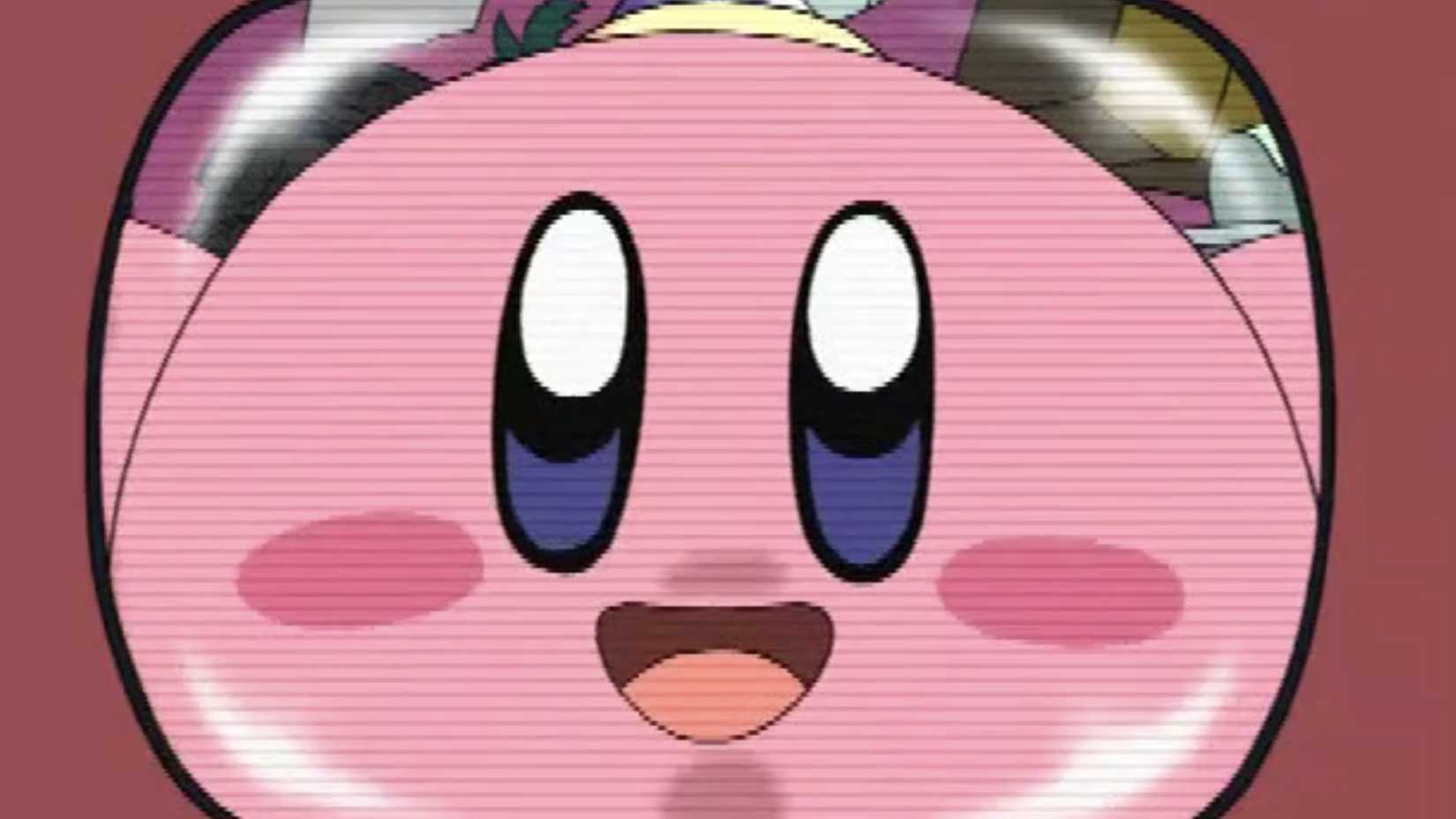
Often unfairly dismissed as mere "kiddy" fare, Kirby: Right Back at Ya! (or Hoshi no Kabi) is a masterclass in Saturday morning charm. While the games featured nebulous, sparse lore at the time of the show’s production, the anime crafted a distinct, vibrant universe. By introducing a self-serving King Dedede and a whimsical, episodic structure, the show captured the spirit of the franchise rather than strictly following its mechanics. It remains a foundational piece of nostalgia that celebrates the pure joy of the source material.
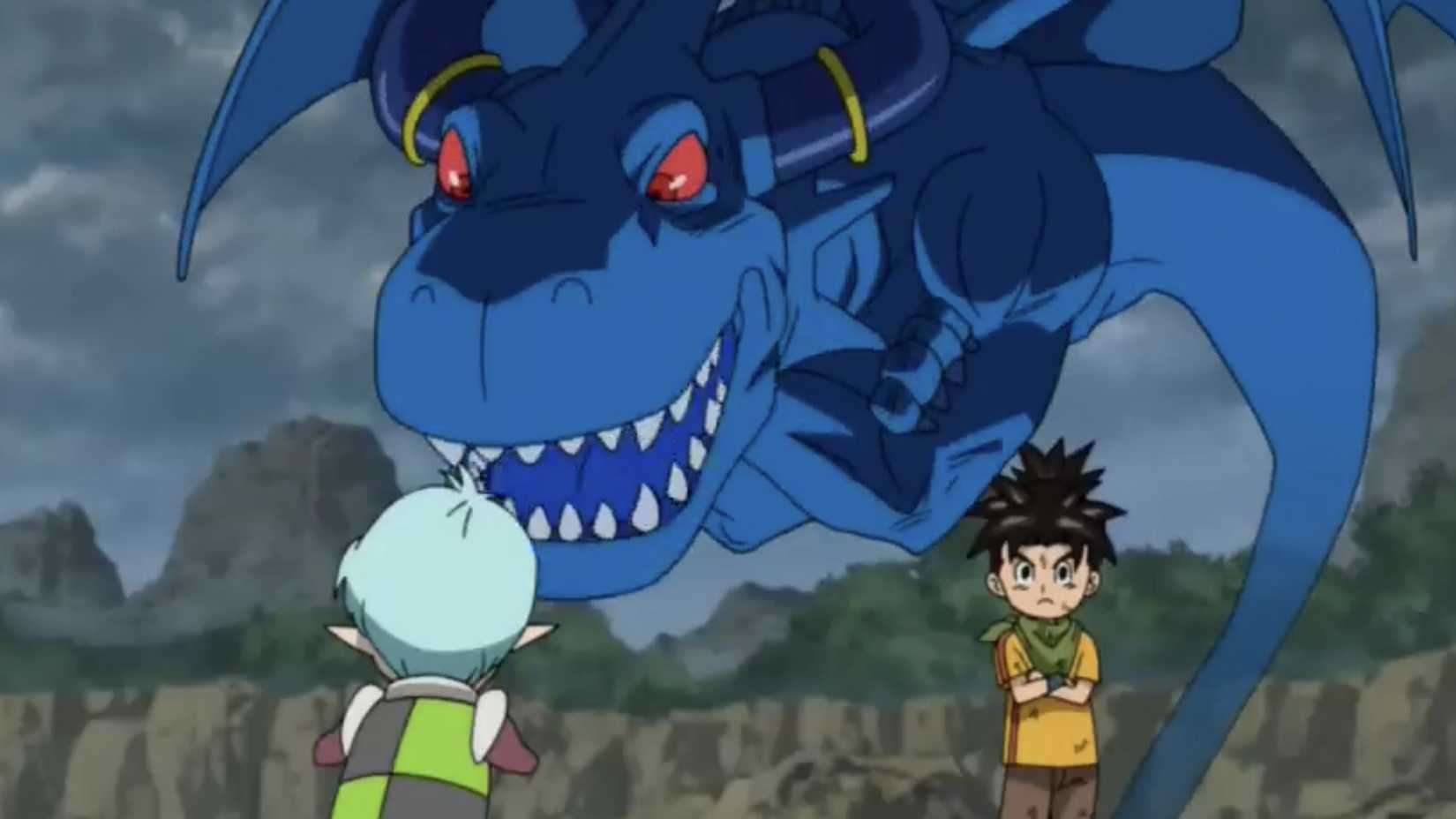
9. Blue Dragon (2007–2008)
A cult classic born from the Xbox 360 era, Blue Dragon remains a fascinating case study. With character designs by Akira Toriyama, the anime mirrors the feel of Dragon Ball Z and Hunter x Hunter. In many ways, the anime is superior to the game—which is notoriously difficult to acquire and hampered by aging performance issues. For those looking to experience the narrative without the "red ring of death" anxiety, the 102-episode series is a superior alternative.
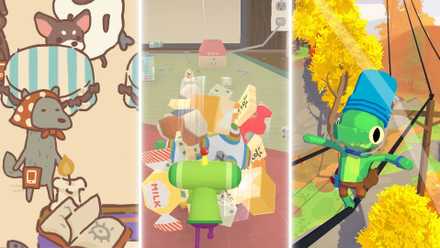
8. Animal Crossing: The Movie (2006)
A hidden gem that never saw an official Western theatrical release, Animal Crossing: The Movie is a meditative, cozy masterpiece. It captures the daily life of a village with the pacing of a Studio Ghibli film. By focusing on the emotional beats of moving to a new town and befriending NPCs like Tom Nook and Rosie, the film translates the game’s "do-nothing" appeal into a narrative format perfectly.
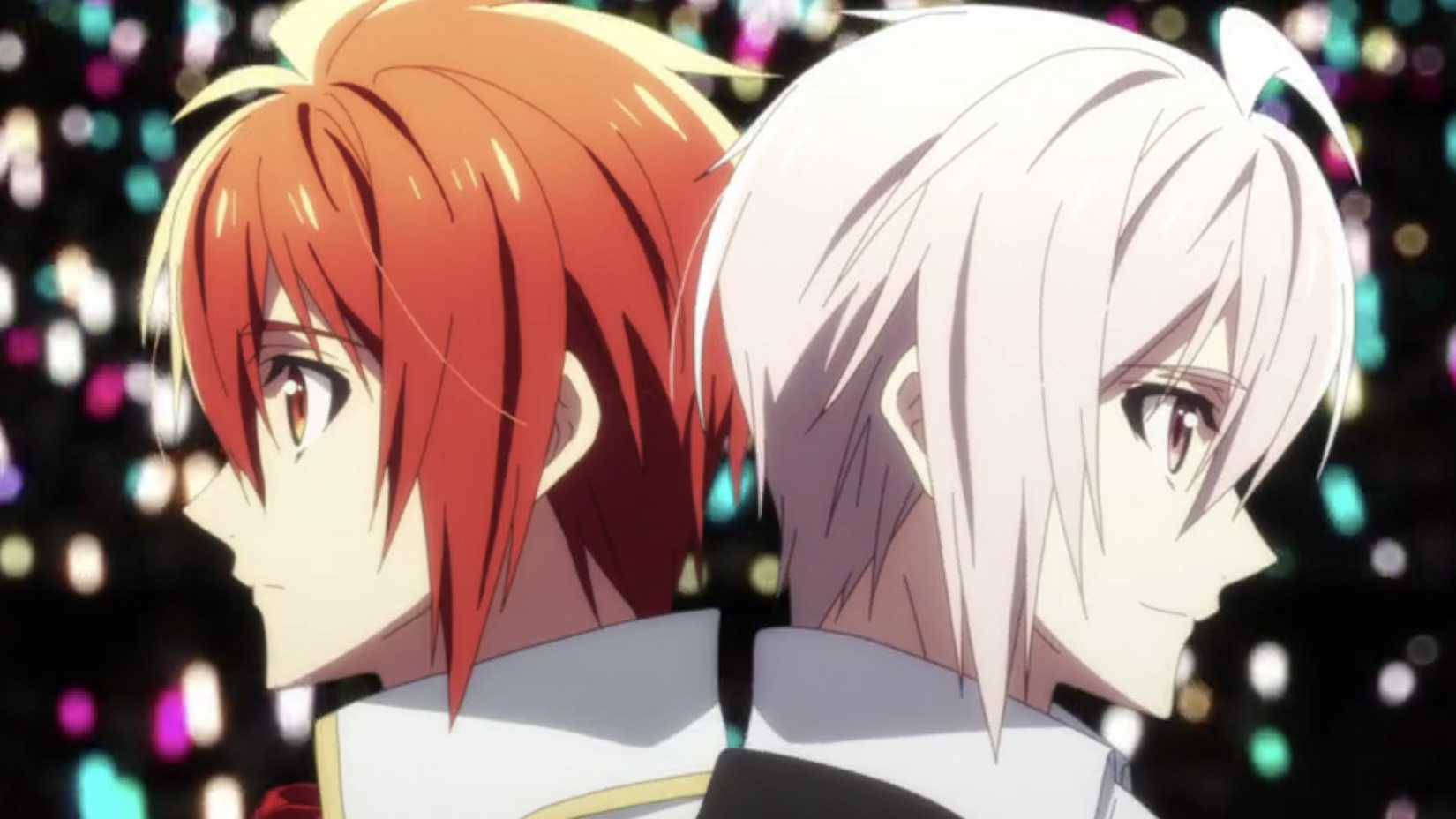
7. IDOLiSH7 (2018–Present)
IDOLiSH7 serves as a modern wildcard. While rooted in a mobile game experience that is difficult to access for many, the anime adaptation is a revelation. By transforming visual novel snippets into high-stakes, heartfelt episodes, it provides a deep dive into the real-world pressures of the Japanese idol industry. Its exploration of anti-capitalist themes and character-driven drama proves that mobile game adaptations can carry significant emotional weight.
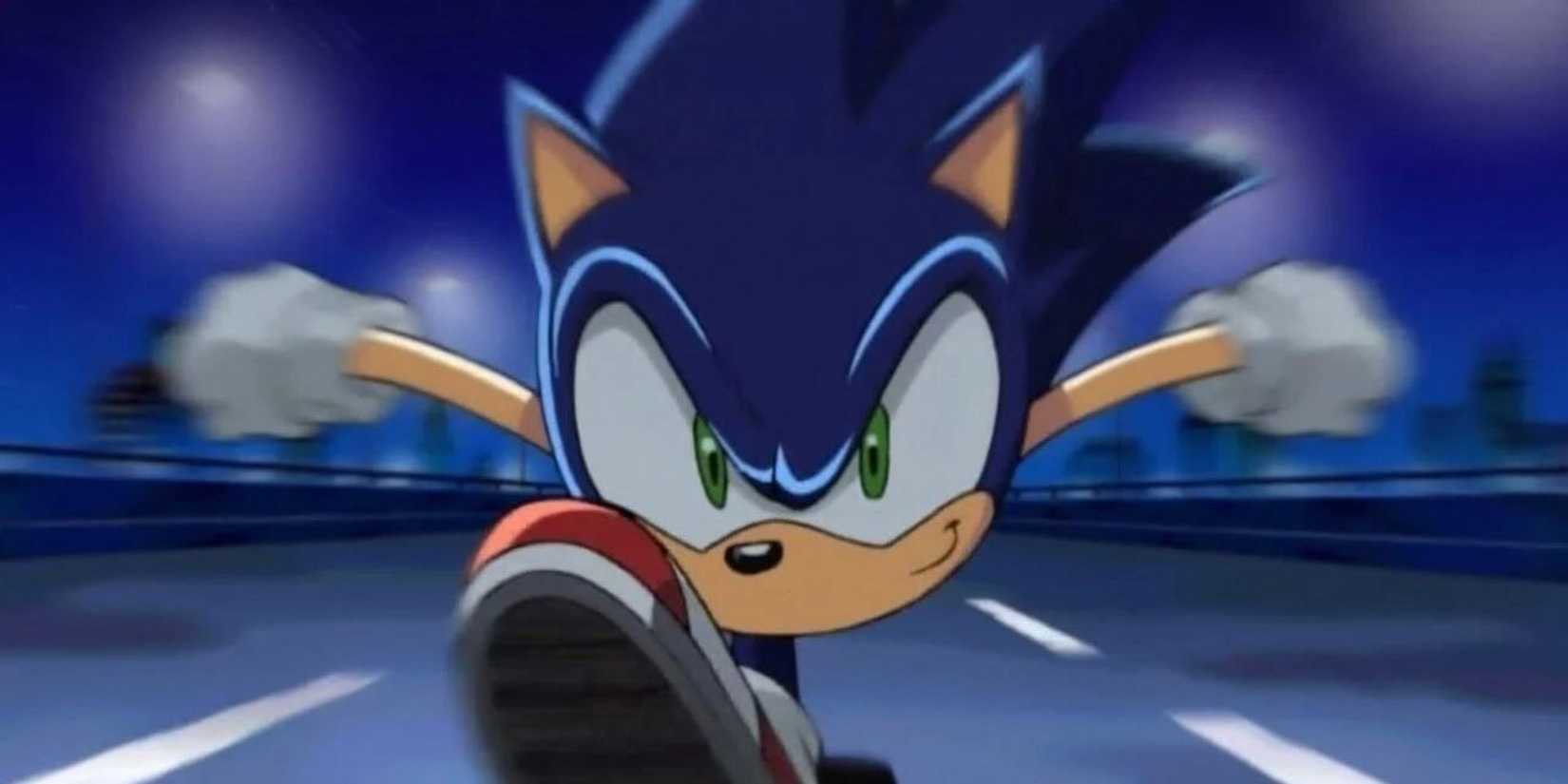
6. Sonic X (2003–2006)
Despite the polarizing reception of characters like Chris Thorndyke, Sonic X remains a touchstone for fans. Its third season, "The Metarex Saga," is a standout, elevating the typical episodic format into a 20-episode epic. For those who want to see the Sonic Adventure games brought to life, episodes 27 through 38 are an essential watch.
5. Viewtiful Joe (2004–2005)
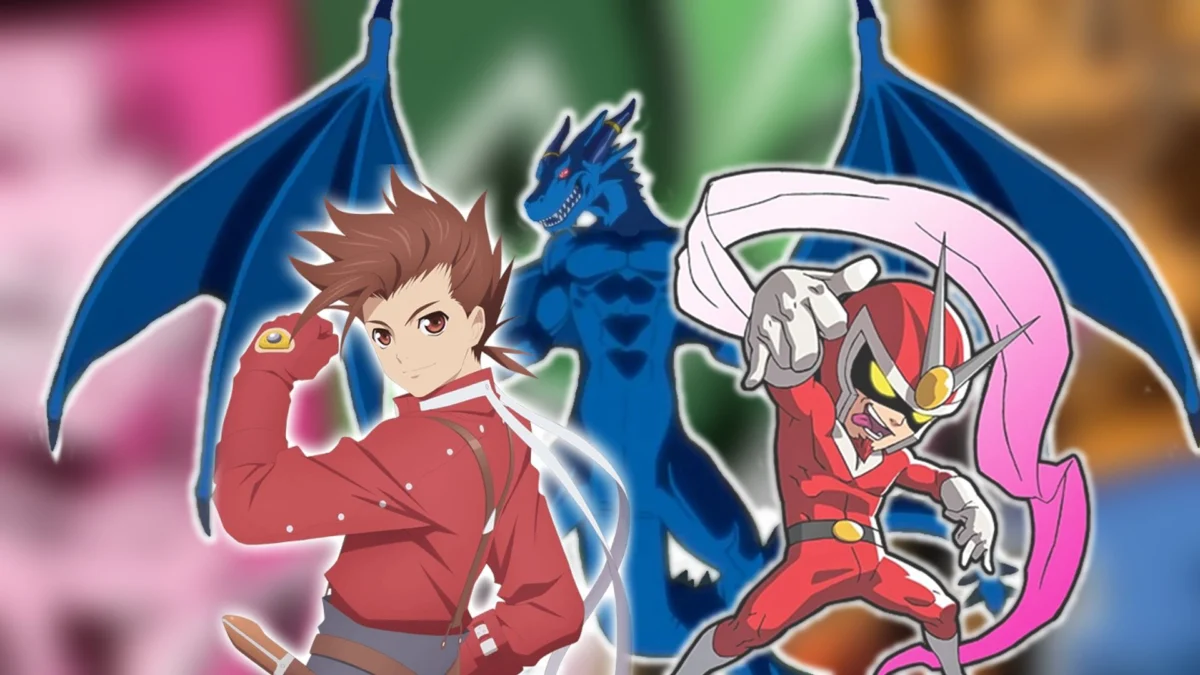
Viewtiful Joe is a testament to the "superhero style" of the early 2000s. By keeping the vibrant, cinematic art direction of the game intact, the anime provides a fun, stylistic ride for those who don’t want to hunt down expensive retro copies of the game. It is a quirky, fast-paced adaptation that thrives on its own unique energy.

4. Cyberpunk: Edgerunners (2022)
Perhaps the greatest example of a "companion" adaptation, Edgerunners did not try to recreate the experience of playing Cyberpunk 2077. Instead, it utilized the established lore of Night City to tell an original, devastating story. With animation by the legendary Studio TRIGGER, the show is a visual feast that expanded the franchise’s footprint and brought a new wave of players to the game.
3. Pokémon Journeys (2019–2023)
Pokémon Journeys broke the series’ tradition by moving beyond a single region. It served as a grand victory lap for Ash Ketchum, incorporating characters and creatures from across the franchise’s history. Its legacy is cemented by its focus on the emotional payoff of long-term character growth, representing the peak of the Pokémon anime’s 25-year run.
2. Bomberman Jetters (2002–2003)
While the Bomberman franchise has faded from the limelight, Jetters remains a high-water mark for the series. It begins as a simple "monster of the week" show but quickly evolves into a complex character drama. White Bomber’s maturity arc is genuinely compelling, making this a classic that deserves a modern renaissance.
1. Tales of Symphonia: The Animation (2007)
Tales of Symphonia occupies the top spot not just for its story, but for its necessity. The game, originally a GameCube classic, has suffered from notoriously lackluster ports over the years. The anime provides a reliable way to experience the narrative for those who are unable to play the original version. While it moves at a breakneck pace, it remains the most stable, accessible way to witness one of the most beloved JRPG stories ever told.
Supporting Data and Industry Context
The success of these titles is not coincidental; it is the result of a calculated industry shift. According to recent market analysis, anime adaptations of video games have seen a 40% increase in viewership since 2020. This is largely attributed to the "Halo Effect"—where the success of an anime drives massive spikes in game sales, and vice-versa.
Official responses from developers like CD Projekt Red have confirmed that the release of Cyberpunk: Edgerunners was a primary catalyst for the game’s resurgence in late 2022. Similarly, the long-running Pokémon anime has consistently acted as a multi-generational marketing engine, ensuring that every new game generation finds a massive, pre-educated audience.
Implications for the Future
The implication of this trend is clear: the wall between "gamer" and "anime fan" has effectively dissolved. We are entering an era where franchises are treated as transmedia ecosystems rather than isolated products. As streaming giants continue to invest in high-quality animation, the quality bar for game adaptations will continue to rise.
We are likely to see more direct collaborations between game studios and animation houses earlier in the development cycle. Rather than waiting for a game to prove its worth, developers are now incorporating animation as a core pillar of their franchise strategy. This shift benefits the consumer, offering richer, more immersive ways to engage with the stories they love. Whether you are a long-time enthusiast or a curious newcomer, the current landscape of video game anime has never been more vibrant or essential to the culture at large.