Raul Delapena Setiawan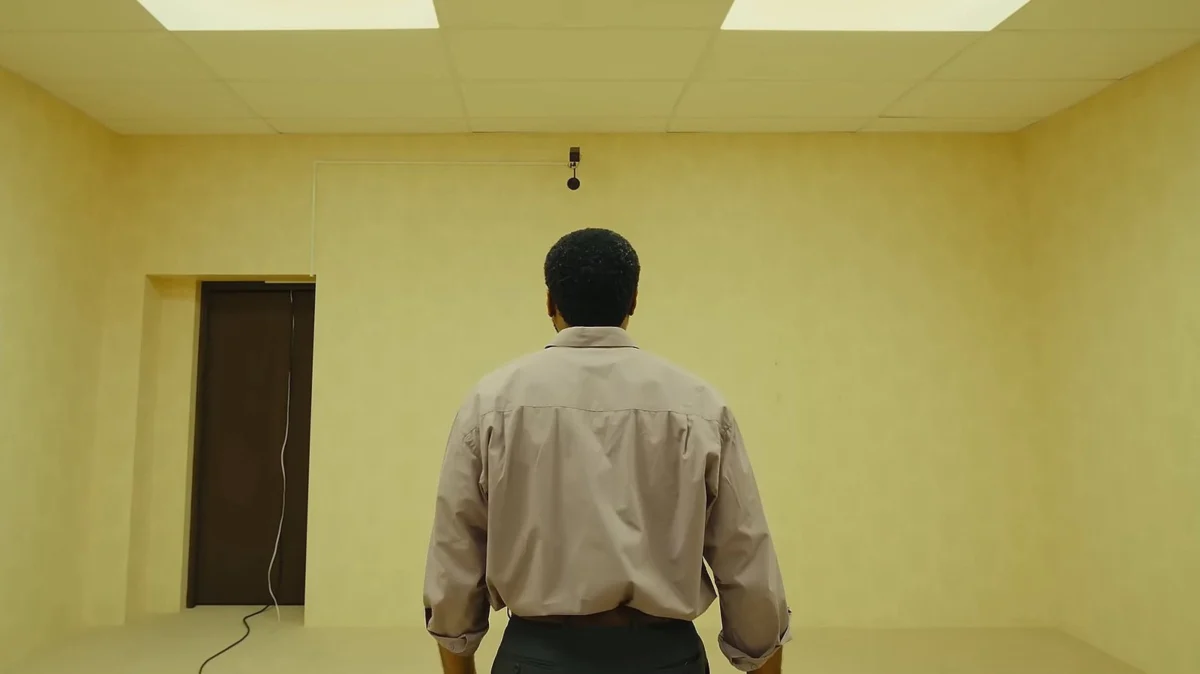
The landscape of modern horror has undergone a seismic shift, migrating from the traditional studio system into the hyper-creative, grassroots ecosystem of the internet. At the vanguard of this movement is director Kane Parsons, whose transition from viral YouTube sensation to A24 feature filmmaker marks a watershed moment for digital creators. His latest project, the long-awaited feature film adaptation of Backrooms, has arrived in theaters, bringing with it a star-studded cast to navigate the unsettling, liminal yellow corridors of the internet’s most famous creepypasta.
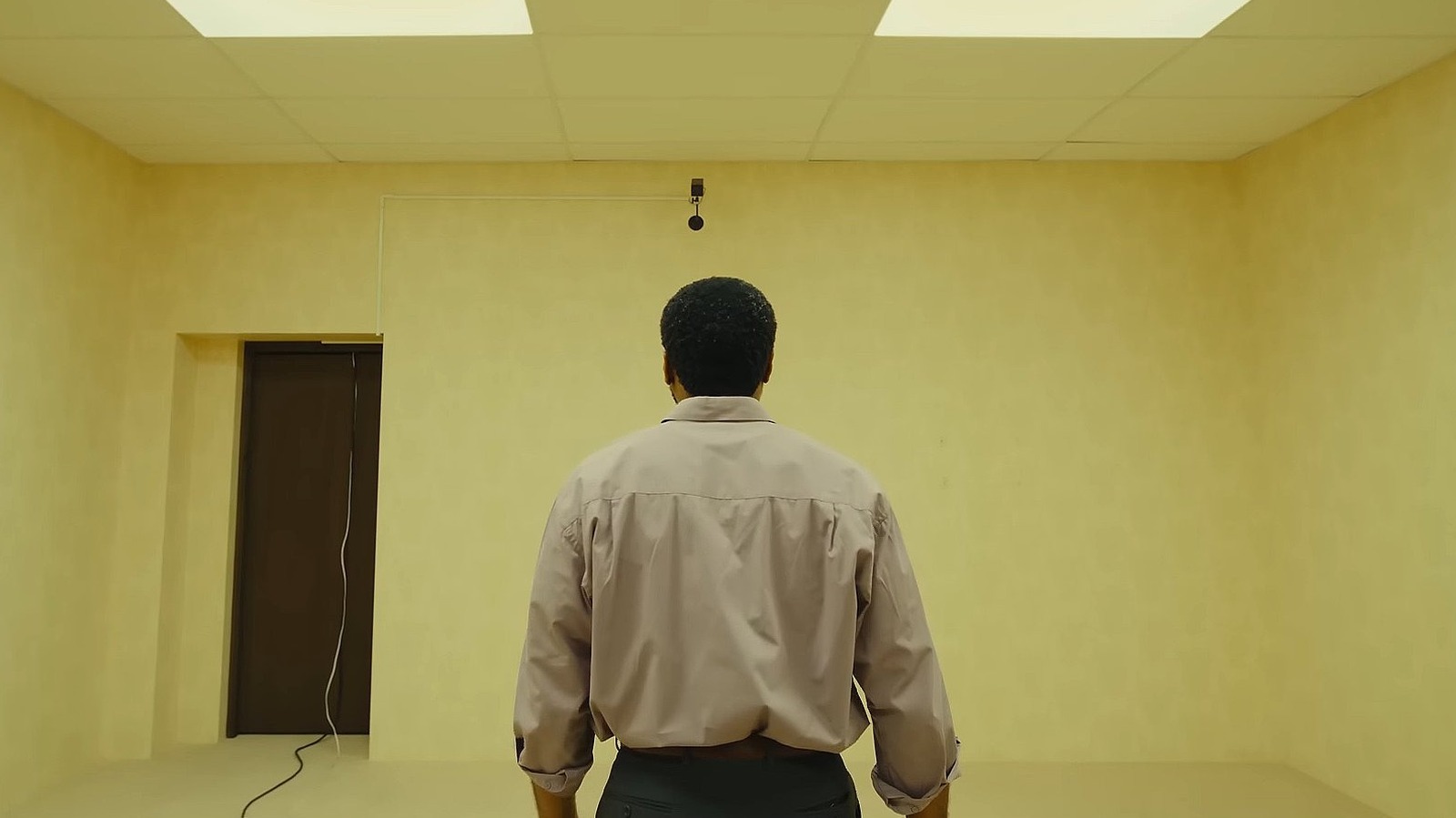
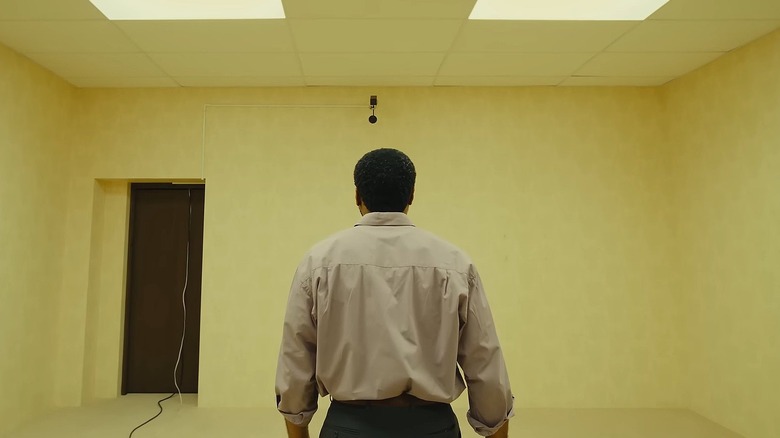
Among the ensemble is Mark Duplass, who portrays the character of Phil. For many viewers, seeing Duplass appear in the sterile, unsettling environment of the Backrooms triggers an immediate sense of recognition. While the character of Phil is new to the lore, the man behind him is a veteran of the independent film circuit, a master of found-footage horror, and a fixture of modern television.
Main Facts: The "Backrooms" Phenomenon
The Backrooms movie is not merely a film; it is the culmination of years of viral world-building. Originating from an obscure 4chan post in 2019 that depicted an empty office space with yellow wallpaper and flickering fluorescent lights, the concept blossomed into a communal horror project. Kane Parsons, known online as Kane Pixels, expanded this imagery into a series of highly atmospheric, unsettling YouTube shorts that garnered hundreds of millions of views.
In the feature-length adaptation, the premise is expanded: a mysterious doorway appears in the basement of an unassuming furniture showroom, acting as a gateway into a labyrinthine, extradimensional space. The film features Oscar-nominated talent such as Chiwetel Ejiofor and Renate Reinsve, but the inclusion of Mark Duplass serves as a bridge between the film’s high-concept production value and the gritty, DIY roots of the found-footage aesthetic.
A Chronology of a Career: The Rise of Mark Duplass
To understand why Mark Duplass feels so ubiquitous, one must look at the trajectory of his career, which spans over two decades of relentless creative output.
The Mumblecore Era (2000s)
Duplass, alongside his brother Jay, is often credited with helping define the "mumblecore" movement—a genre of low-budget, character-driven independent films characterized by naturalistic dialogue and raw production. Starting with short films and breaking into features like The Puffy Chair (2005) and Baghead (2008), the brothers established a reputation for agility and ingenuity. They proved that compelling cinema didn’t require massive budgets, only a strong concept and authentic performances.
Mainstream Breakthroughs (2009–2015)
As his reputation grew, Duplass transitioned into broader television and film roles. His portrayal of Pete Eckhart in FX’s hit comedy The League introduced him to a mass audience. Running for seven seasons, the show made Duplass a household name for fans of improv-heavy comedy. During this same period, he balanced his television work with indie hits like Safety Not Guaranteed (2012) and mainstream projects like Zero Dark Thirty (2012), showcasing an impressive versatility.
The Horror Renaissance (2014–Present)
Perhaps the most significant reason for Duplass’s resonance in Backrooms is his deep-seated history in the horror genre. His work as the writer and star of the Creep franchise (2014–2017) solidified his status as a horror icon. Through the character of "Peachfuzz," Duplass explored the terrifying intimacy of the found-footage medium—a style that mirrors the very origins of the Backrooms project. His recent reprisal of these themes in The Creep Tapes (2024) on Shudder confirms his ongoing relevance in modern genre cinema.
Supporting Data: A Portfolio of Versatility
The breadth of Duplass’s filmography is staggering. His career can be categorized into three distinct pillars:
- The Creator/Producer Pillar: As a producer, he has championed dozens of independent films and series. His influence is so substantial that he was famously approached by Marvel Studios for a superhero project—an offer he turned down to maintain his creative independence.
- The Dramatic Actor: His role as Chip Black in Apple TV’s The Morning Show has garnered critical acclaim, proving he can hold his own alongside titans like Jennifer Aniston and Steve Carell.
- The Voice Actor: Beyond live-action, his distinct vocal delivery has made him a staple in adult animation, including roles in Big Mouth and Animals.
This massive catalog of work—ranging from fantasy football comedy to psychological horror—is why, when he appears on screen in Backrooms, the audience feels a subconscious familiarity. He has occupied so many different cultural spaces that he feels like an old friend, making his presence in the terrifyingly unfamiliar Backrooms all the more jarring.
Official Responses and Creative Synergy
The collaboration between Kane Parsons and an actor of Duplass’s caliber is a testament to the legitimization of digital-first creators. When asked about his participation in the film, Duplass has spoken positively about the importance of supporting "the next generation" of filmmakers. Parsons, in turn, has noted that he needed actors who could convey deep-seated anxiety and human frailty within the surreal environment of the Backrooms.
In an industry where the barrier to entry is high, Parsons and Duplass represent a unique synergy. Duplass, who began his career with a handheld camera and a small crew, finds a kindred spirit in Parsons, who conquered the internet with nothing but Blender software and a vision.
The Implications for Horror Cinema
The casting of Mark Duplass in Backrooms carries profound implications for the future of the industry:
- Genre Legitimacy: The involvement of A24 and established actors like Duplass signals that "internet horror" is no longer a niche subculture. It is a legitimate pillar of modern cinematic storytelling, capable of competing with traditional Hollywood IPs.
- The Found-Footage Evolution: The Backrooms movie suggests that the "found-footage" aesthetic—which has been largely dormant or relegated to low-budget sequels—is ready for a sophisticated revival. By utilizing professional actors to navigate these liminal, computer-generated spaces, filmmakers are creating a new "hybrid" horror experience.
- The Creator-to-Studio Pipeline: The success of Backrooms will likely encourage studios to look closer at YouTube and TikTok creators as the next generation of feature directors. This creates a pipeline where viral concepts are refined by industry veterans, resulting in films that carry both the soul of the internet and the polish of the studio system.
Conclusion: Why Phil Resonates
When you watch Backrooms and see Mark Duplass as Phil, you aren’t just seeing a character in a yellow maze. You are seeing the culmination of two decades of artistic evolution. You are seeing the guy from The League who made you laugh, the writer of Creep who made you lock your doors, and the producer who helped shape the modern independent film landscape.
His presence in Backrooms grounds the film’s abstract, nightmarish concept in a familiar human performance. As the industry continues to evolve, the blending of established talent like Duplass with emerging digital auteurs like Kane Parsons appears to be the blueprint for the next era of horror. Backrooms is currently in theaters, and for those who have followed Duplass’s long, winding career, it offers the thrill of seeing a familiar face navigate a completely alien world.


 Jia Lissa
 Muslim