LOS ANGELES, CA – July 3, 2026 – After an electrifying debut that captivated audiences worldwide, Bones Film’s acclaimed action series, Gachiakuta, is officially preparing to plunge deeper into its dystopian world with a highly anticipated second season. Unveiling a tantalizing first-look teaser at Anime Expo 2026, the animation powerhouse has confirmed that the breakout shonen phenomenon is not only returning but is poised to deliver its most devastating and expansive arc yet, promising significant growth and a "big pivot" for its protagonist, Rudo, and the enigmatic Cleaners.
The announcement, made during a dedicated panel featuring key creative personnel, sent ripples of excitement through the global anime community. Following the dramatic conclusion of its inaugural season in 2025, which cemented Gachiakuta‘s status as one of the year’s most distinctive and compelling new series, fans have eagerly awaited news of its continuation. The new footage, though brief, showcased an undeniable escalation in scope and intensity, hinting at evolving powers, formidable new adversaries, and an even more intricate exploration of the Pit’s treacherous depths.
Main Facts: A Deep Dive into Gachiakuta’s Return
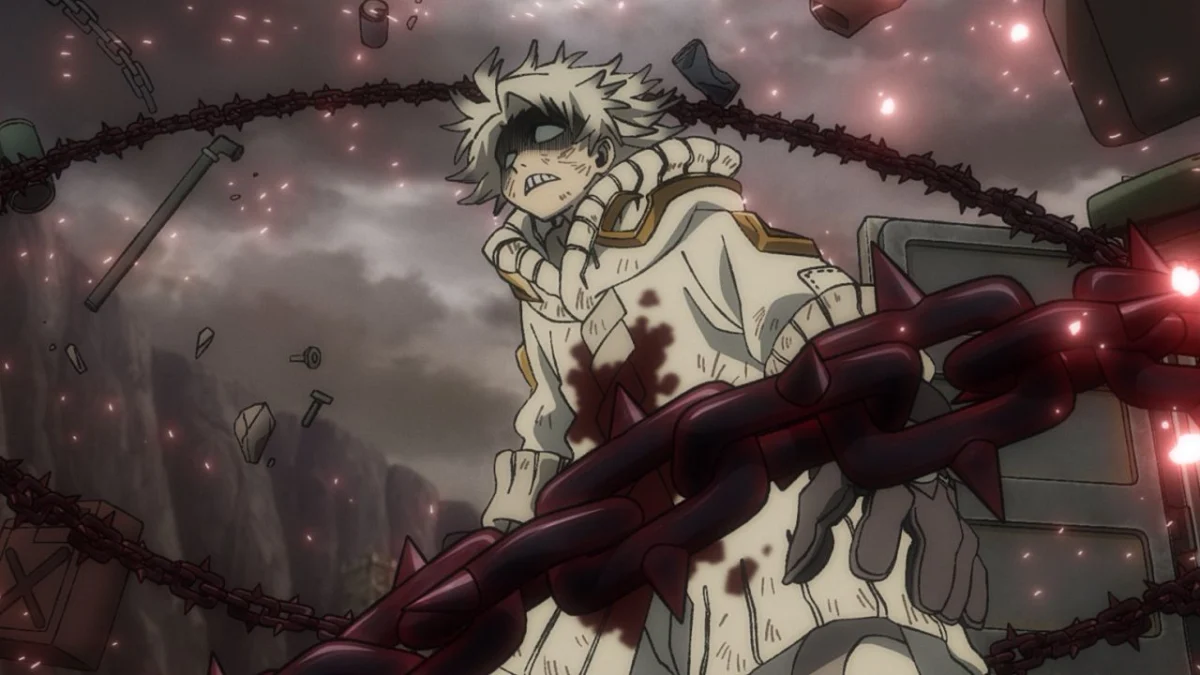
Gachiakuta, an anime adaptation of Kei Urana’s critically acclaimed manga, burst onto the scene in 2025, quickly distinguishing itself through a unique blend of gritty urban fantasy, socio-economic commentary, and breathtaking action. The series immediately resonated with viewers thanks to its striking "graffiti-inspired visual identity," an innovative "Jinki" power system that imbues discarded objects with extraordinary abilities, and a meticulously crafted world built quite literally on the refuse of a stratified society. Its narrative follows Rudo, a young orphan falsely accused of murder and cast into the Pit, a colossal abyss where society’s unwanted live amidst mountains of trash. There, he discovers his own Jinki ability and joins the Cleaners, a group dedicated to fighting monstrous creatures known as the Horrors and uncovering the truth behind their desolate existence.
The core message from Anime Expo 2026 is clear: Gachiakuta Season 2 is not merely a continuation but an ambitious expansion. Director Fumihiko Suganuma described the upcoming season as a "big pivot" and a period of "a lot of growth," signaling a significant evolution for both the narrative and its central characters. The teaser footage, showcasing an exciting new look at Rudo’s burgeoning powers and the intensified role of the Cleaners, underscored Bones Film’s commitment to pushing the boundaries of the series’ visual and narrative ambition. While a specific release date remains under wraps, it was confirmed that Season 2 will be available to stream globally on Crunchyroll, ensuring its accessibility to its rapidly growing international fanbase.
Bones Film, renowned for its exceptional work on iconic titles like Fullmetal Alchemist: Brotherhood and Mob Psycho 100, proved to be the perfect studio to translate Urana’s vision. Their track record of producing visually dynamic, emotionally resonant, and action-packed anime made them ideal candidates to bring Gachiakuta‘s very specific feel to life. The first season was lauded for its kinetic animation, fluid fight sequences, and the studio’s ability to maintain the manga’s distinct aesthetic, elements that the Season 2 teaser suggests will be amplified.
Chronology: The Ascent of a Shonen Contender
The Genesis of a Phenomenon
The journey of Gachiakuta began with its manga serialization, penned and illustrated by the talented Kei Urana. Launched in February 2022, the series quickly garnered attention for its audacious concept and distinctive art style. Urana’s ability to weave a compelling narrative rich with social commentary into a high-stakes action adventure set it apart from its contemporaries. The manga’s initial chapters introduced readers to a world where the elite live in opulent sky cities, casting their waste and their outcasts into the sprawling, dangerous Pit below. This stark class divide, coupled with the intriguing Jinki power system, laid a robust foundation for a story that was both thrilling and thought-provoking. Critics and readers alike praised Urana’s creativity in crafting a world that felt both fantastical and eerily relevant, establishing Gachiakuta as a rising star within the shonen demographic even before its anime adaptation.
Season 1’s Triumphant Debut
The announcement of an anime adaptation by Bones Film was met with significant anticipation, and the studio delivered spectacularly. Premiering in 2025, Gachiakuta‘s first season exceeded expectations, becoming one of the strongest debuts of the year. Bones masterfully translated Urana’s gritty aesthetic and dynamic action sequences into a visually stunning animated experience. The "graffiti-inspired visual identity" wasn’t just a stylistic choice; it imbued the world of the Pit with a tangible sense of rebellion and resilience, reflecting the characters’ struggles. The "Jinki" power system, which allows individuals to draw out the "soul" of discarded objects and weaponize them, was animated with creative flair, making each battle unique and unpredictable.
The narrative arc of Season 1 focused on Rudo’s initial descent into the Pit, his struggle for survival, and his gradual integration into the Cleaners. His personal quest for vengeance against those who framed him intertwined with the larger mystery of the Pit’s origins and the corrupt systems governing society. The season excelled in character development, showcasing Rudo’s transformation from a desperate outcast to a determined fighter, all while hinting at deeper secrets regarding his own lineage and powers. The kinetic action, coupled with an increasingly compelling mystery, garnered widespread critical acclaim, with many drawing parallels to MAPPA’s Dorohedoro for its unique, darkly imaginative world-building and uncompromising tone. Gachiakuta Season 1 wasn’t just good; it proved that fresh, innovative stories could still thrive in the crowded shonen landscape.
The Road to Season 2
The dramatic events of the first season’s finale left viewers on a cliffhanger, fueling immense anticipation for what lay ahead. The subsequent announcement that a second season was already in production shortly after the finale aired was met with jubilant celebration from the burgeoning fanbase. The intervening months have been filled with speculation and excitement, as fans dissected every hint from the manga and debated potential plot points. The Anime Expo 2026 presentation thus became a pivotal moment, offering the first concrete glimpse into the next chapter of Rudo’s arduous journey. The sustained buzz, online discussions, and fan art creations underscored the series’ rapid ascent to cult status, setting a high bar for the upcoming season.
Supporting Data: Expanding the World and Its Vision
Diving Deeper into the Pit: Narrative Evolution
Season 2 of Gachiakuta is poised to dramatically expand the narrative horizons established in its predecessor. The story will pick up directly after the climactic events of the first season, continuing Rudo’s perilous journey further into the Pit’s uncharted territories. As hinted by director Suganuma, this is where Rudo’s powers are expected to undergo significant evolution. The teaser showcased glimpses of his developing Jinki abilities, suggesting new applications and greater mastery over his unique connection to discarded objects. This evolution will be crucial as he encounters increasingly dangerous new foes and factions, whose motivations extend far beyond the simple struggle for survival that defined much of the first season.
The manga’s progression reveals that this next stretch of the story introduces a wealth of new allies and formidable enemies, each with their own agendas and philosophies regarding the Pit and the world above. The narrative begins to shift its focus from mere personal survival to a broader exploration of the intricate political and social structures that govern this broken society. Audiences can expect to delve into the origins of the Pit itself, the true nature of the Horrors, and the complex web of organizations, both benevolent and malevolent, that shape the ongoing conflict. This expansion promises to deepen the world-building, offering a more nuanced understanding of the socio-economic inequalities and ethical dilemmas that underpin the entire Gachiakuta universe.
The Art of Adaptation: Bones Film’s Signature
Bones Film’s reputation as a premier animation studio is built on its consistent delivery of high-quality, visually dynamic anime. Their portfolio boasts titles that are not only critically acclaimed but also beloved for their distinct visual styles and compelling action choreography. Fullmetal Alchemist: Brotherhood, for instance, is celebrated for its seamless blend of intricate world-building, emotional depth, and spectacular alchemical battles. Similarly, Mob Psycho 100 is lauded for its groundbreaking animation techniques, particularly in depicting psychic powers and fluid character movement.
This expertise proved invaluable in adapting Gachiakuta. The studio’s ability to translate Kei Urana’s "graffiti-inspired visual identity" into animation was a key factor in the first season’s success. The gritty textures, urban decay, and vibrant bursts of Jinki energy were rendered with exceptional detail and dynamism. The "kinetic action" that Gachiakuta demands is a hallmark of Bones’ animation, ensuring that every punch, kick, and Jinki activation feels impactful and fluid. The comparison to MAPPA’s Dorohedoro is particularly apt, as both series share a penchant for unique, somewhat grotesque aesthetics, dark fantasy elements, and a willingness to explore morally ambiguous characters in desolate, trash-filled landscapes. Bones’ commitment to capturing this specific "feel" is what elevated Gachiakuta beyond a typical shonen adaptation, promising that Season 2 will continue this legacy of visual excellence and impactful storytelling.
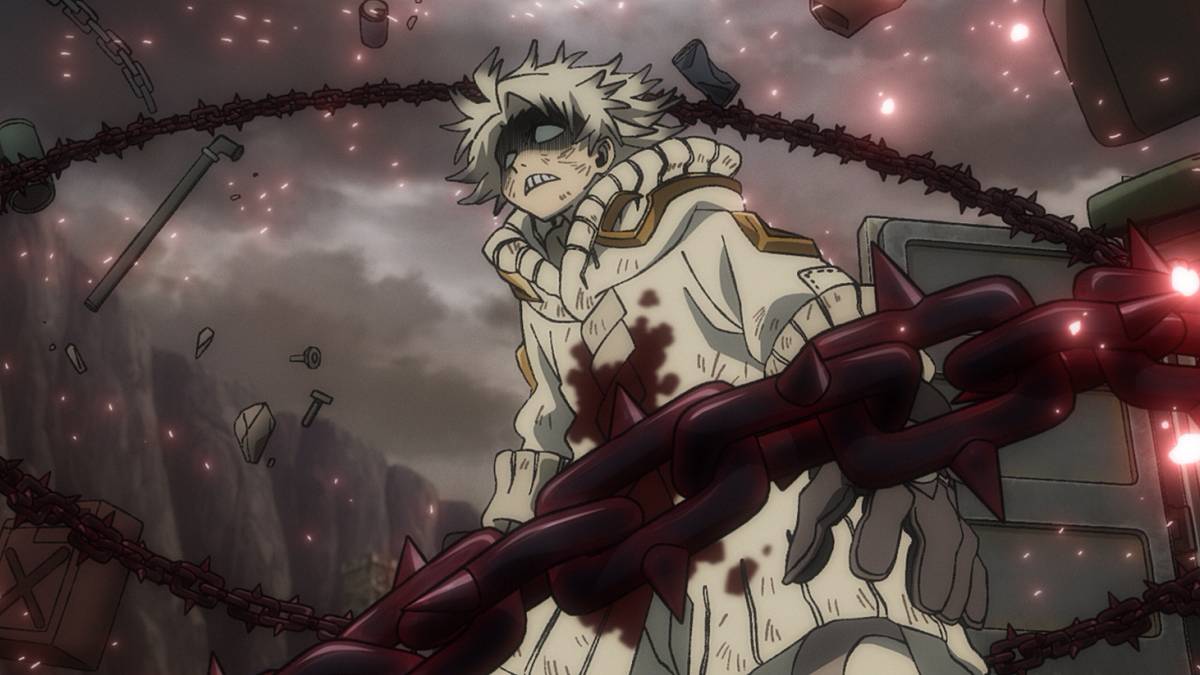
The "Jinki" System and World-Building
At the heart of Gachiakuta‘s distinctiveness lies its ingenious "Jinki" power system. Unlike many shonen series that rely on inherent magical abilities or inherited powers, Jinki draws its strength from the "soul" of discarded objects. This concept is not only visually fascinating but also deeply thematic. It reinforces the series’ central critique of a society that discards not just objects, but also people, only for those very discards to become sources of immense power and potential. Rudo’s ability to manifest Jinki from objects he cares about or has a strong connection to adds a personal and emotional layer to his powers, distinguishing him from other shonen protagonists.
The world-building, constructed quite literally on "society’s discarded trash," is another critical element. The Pit is not merely a setting; it is a character in itself, constantly evolving and presenting new challenges. The vertical stratification of society, with the privileged living above and the "undesirables" condemned to the Pit, serves as a powerful metaphor for real-world class disparities. This intricate world, where survival depends on resourcefulness and a keen understanding of one’s environment, provides a rich tapestry for storytelling. Season 2’s promise to explore the "systems that govern this broken society" suggests a deeper dive into the socio-political machinations behind this dystopian reality, further cementing Gachiakuta‘s place as a shonen that dares to tackle complex themes.
Shonen’s Evolving Landscape
Gachiakuta emerged at a time when the shonen genre is experiencing a renaissance, with series like Jujutsu Kaisen, Chainsaw Man, and Spy x Family pushing creative boundaries. What makes Gachiakuta stand out is its darker, grittier approach, coupled with its overt social commentary. While many shonen narratives focus on aspirational heroes and clear-cut good versus evil, Gachiakuta embraces moral ambiguity and the harsh realities of its world. Rudo is not a pristine hero; he’s a survivor shaped by hardship, navigating a world where even the "good guys" operate in shades of gray.
Its unique aesthetic, compelling power system, and willingness to explore themes of class struggle, identity, and the value of the discarded make it a vital contributor to the genre’s evolution. It demonstrates that shonen can be both thrilling and intellectually stimulating, appealing to a broader audience seeking narratives with more depth and edge. Season 2’s promise of a "big pivot" suggests an even greater commitment to these distinguishing characteristics, solidifying Gachiakuta‘s position as a trailblazer in the modern shonen landscape.
Official Responses: The Vision Behind the Continuation
Director Fumihiko Suganuma’s Vision
At the heart of the Season 2 reveal was the invaluable insight from director Fumihiko Suganuma. Speaking on stage at Anime Expo 2026, Suganuma articulated a clear vision for the upcoming season, describing it as a "big pivot" and emphasizing that it would include "a lot of growth." These statements are particularly significant. A "big pivot" implies a substantial shift in narrative direction or thematic focus, potentially moving beyond the initial survival narrative to explore the larger forces at play within the Gachiakuta universe. This could mean a deeper dive into the political landscape of the Pit, the origins of the Jinki, or the motivations of the ruling class.
"A lot of growth" directly addresses the character arcs, particularly for Rudo. Having established his foundational abilities and motivations in Season 1, Season 2 is set to challenge him in unprecedented ways, forcing him to evolve not just in terms of power but also in his understanding of the world and his place within it. This suggests a more mature and complex narrative, promising a richer emotional experience for viewers. Suganuma’s confidence in these changes underscores Bones Film’s commitment to delivering a second season that not only meets but surpasses the high expectations set by its acclaimed predecessor.
The Anime Expo Teaser Analysis
The sneak peek shared during the Anime Expo event, though not publicly released in its entirety at the time of this report, was described as "explosive footage" that offered an "exciting new look at Rudo’s powers and how the Cleaners factor in this season." This suggests that the teaser provided concrete visual evidence of the narrative and character developments teased by Suganuma. Viewers likely witnessed enhanced animation sequences showcasing Rudo’s evolving Jinki abilities, perhaps demonstrating new techniques or a higher level of control. The mention of the Cleaners’ increased role hints at more coordinated action sequences, deeper exploration of their individual members, or perhaps even internal conflicts or new alliances within the group.
The fact that Bones isn’t "dialing back the ambition anytime soon" speaks volumes about the studio’s commitment to the project. This implies a continued investment in the series’ distinctive art style, kinetic action, and intricate world-building. The teaser served as a powerful declaration of intent, assuring fans that the visual spectacle and narrative depth they’ve come to expect from Gachiakuta will be fully present and perhaps even amplified in Season 2.
Crunchyroll’s Role
The confirmation that Gachiakuta Season 2 will stream on Crunchyroll when it launches is a crucial detail for its global audience. Crunchyroll has established itself as the leading platform for anime distribution outside of Japan, providing immediate and widespread access to new releases. This partnership ensures that Gachiakuta will continue to reach its international fanbase without delay, fostering continued community engagement and expanding its global footprint. For a series that has rapidly gained international acclaim, Crunchyroll’s distribution is vital for maintaining momentum and allowing new viewers to discover its unique appeal.
Implications: The Future of Gachiakuta and Shonen
Impact on the Anime Industry
The continued success and ambitious trajectory of Gachiakuta carry significant implications for the broader anime industry. Its unique blend of dark fantasy, social commentary, and a distinct visual style demonstrates that innovation within the shonen genre is not only possible but highly rewarded. For other studios and creators, Gachiakuta‘s triumph serves as a powerful example that audiences are receptive to narratives that challenge conventions, explore mature themes, and boast unconventional aesthetics. This could encourage more risk-taking in adaptation choices and original productions, potentially leading to a more diverse and creatively vibrant anime landscape. Its success also reinforces the value of strong source material and the crucial role of a skilled animation studio like Bones in translating that vision effectively.
Fan Expectations and Community Engagement
The anticipation for Gachiakuta Season 2 is palpable within the anime community. Social media platforms, fan forums, and online discussions are abuzz with theories, predictions, and expressions of excitement. The first season cultivated a deeply engaged fanbase, drawn to its compelling characters, unique world, and the emotional resonance of Rudo’s journey. The Anime Expo reveal, offering a tangible glimpse of the future, will only intensify this engagement. The challenge for Bones Film will be to meet and exceed these heightened expectations, delivering a season that not only satisfies existing fans but also attracts new ones, further solidifying Gachiakuta‘s dedicated community. The series’ themes and distinctive style lend themselves well to fan discussions, fan art, and cosplay, all of which contribute to a robust and active community.
The Future of Shonen
Gachiakuta‘s ascent marks it as a significant contender in the evolving landscape of shonen anime. By embracing darker themes, a gritty aesthetic, and a world steeped in socio-economic critique, it offers a fresh perspective on a genre often associated with lighter, more optimistic narratives. Its ability to balance intense action with profound character development and intricate world-building positions it as a series that could redefine what audiences expect from shonen. If Season 2 lives up to its promise of a "big pivot" and "a lot of growth," Gachiakuta could cement its place as not just a popular anime, but a seminal work that influences future generations of shonen creators, pushing the boundaries of storytelling and thematic depth within the genre.
Long-Term Vision
Given the depth and breadth of Kei Urana’s manga, Gachiakuta has immense potential for a long and successful anime run beyond just Season 2. The manga continues to unravel complex mysteries, introduce fascinating characters, and expand the scope of its world in ways that suggest multiple seasons of compelling adaptation. Should Season 2 replicate the critical and commercial success of its predecessor, it will lay a strong foundation for future seasons, allowing the anime to fully explore the rich narrative tapestry Urana has woven. The series has all the ingredients – a unique premise, compelling characters, a talented studio, and a dedicated fanbase – to become a long-standing fixture in the anime world, continually challenging and entertaining audiences with its uncompromising vision. The journey into the Pit is far from over, and the future looks explosively promising for Gachiakuta.