The trajectory of Robert Griffin III—the man the sports world simply calls "RGIII"—is one of the most compelling narratives in modern American athletics. From the dizzying heights of a Heisman Trophy win to the crushing weight of professional skepticism and physical injury, Griffin’s journey is a masterclass in resilience. Now, as he pivots into a multifaceted career as an investor, media personality, and mentor, Griffin is proving that his legacy is not defined by the "what-ifs" of his playing days, but by the intentionality of his second act.
The Meteoric Rise and the "What-If" Reality
Robert Griffin III burst onto the NFL scene in 2012 with a charisma and athletic dynamism that seemed to rewrite the playbook for the quarterback position. Selected second overall in the 2012 NFL Draft by the Washington Redskins, Griffin immediately captured the imagination of the American public. His rookie season was nothing short of legendary: he was named the NFL Offensive Rookie of the Year, earned a Pro Bowl selection, and was ranked by his peers as the 15th-best player in the league.
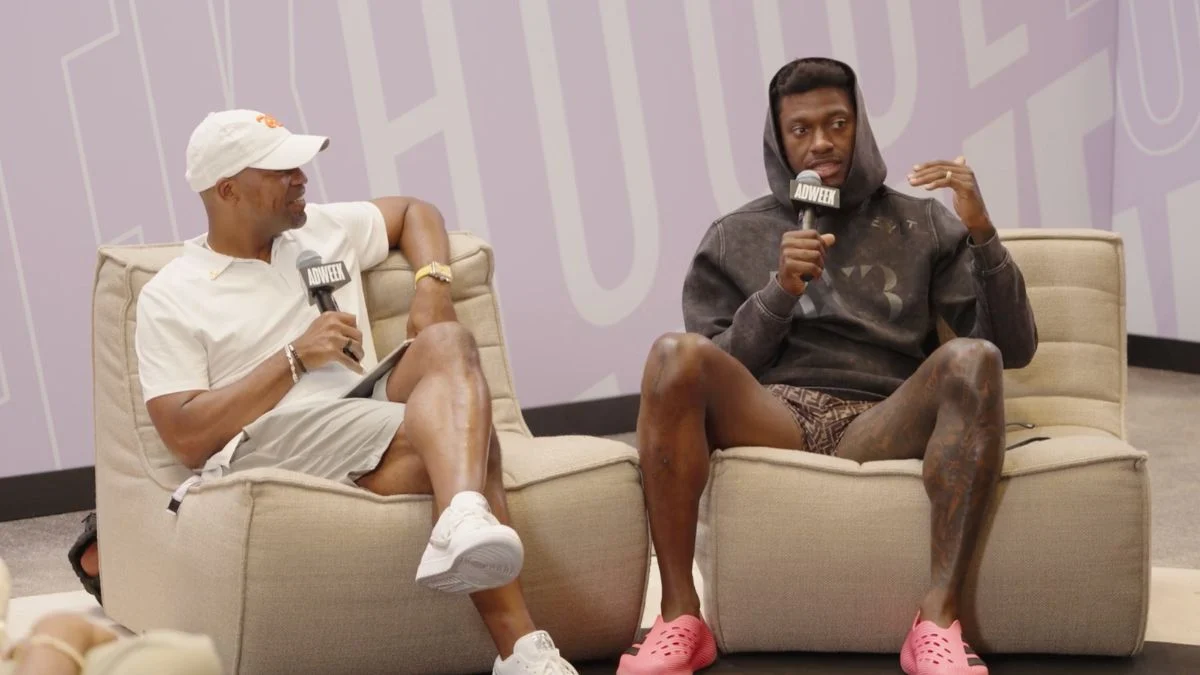
Beyond the box scores, Griffin was a cultural phenomenon. In a recent appearance at ADWEEK House during the Cannes Lions festival, the former quarterback revealed a statistic that even surprised him: in 2012, he outsold global football icon Lionel Messi in jersey sales. "That stat was mind-blowing to me," Griffin told the audience, reflecting on a time when he was the undisputed face of the NFL.
However, the physical demands of the professional game took their toll. A series of injuries, beginning in that same rookie season, altered the trajectory of a career that many projected to be Hall-of-Fame caliber. After four seasons in Washington, Griffin saw brief tenures with the Cleveland Browns and the Baltimore Ravens. While his playing career eventually transitioned into a media role, Griffin refuses to let his narrative be defined by the injuries that derailed his path. Instead, he has "picked up the pen" to author his own post-football story.
Chronology: A Career of Peaks and Pivots
To understand the man behind the brand, one must look at the timeline of his professional evolution:
- 2011: Wins the Heisman Trophy at Baylor University, cementing his status as the nation’s top collegiate prospect.
- 2012: Drafted 2nd overall by the Washington Redskins. Wins NFL Offensive Rookie of the Year.
- 2013–2015: Faces significant injuries, leading to a period of intense media scrutiny and challenges within the Washington organization.
- 2016–2020: Moves through Cleveland and Baltimore, transitioning from a starter to a veteran mentor. Notably spends three years as the backup to Lamar Jackson, playing a pivotal role in the future MVP’s development.
- 2021–Present: Fully embraces his second act, focusing on a lucrative media career, high-profile investments, and community coaching.
Supporting Data: The Business of Life After Football
Griffin’s post-playing career is not a retirement; it is a strategic expansion. He is currently leveraging his platform to invest in ventures that align with his personal values, emphasizing that he only backs projects that genuinely improve people’s lives.
His portfolio is diverse, reflecting both his cultural influence and his business acumen:
- Hospitality: He is an investor in the Toca Madera restaurant brand, including the high-profile 1587 spot, which counts NFL stars Patrick Mahomes and Travis Kelce, as well as global sensation Taylor Swift, among its associates.
- Advanced Tech: He has backed Proto, a company pioneering the use of interactive, life-sized holograms.
- Community Impact: Beyond the boardroom, Griffin is deeply involved in grassroots development, personally coaching a 300-kid, 20-team 7-on-7 football organization. "What I’ve learned over the course of my 16 years as a professional is that the more time you can give somebody, the better," he noted.
Overcoming Systemic Doubt and Navigating the Locker Room
A recurring theme in Griffin’s life is the persistent need to prove his worth in the face of doubt. Even during his college days at Baylor, his teammates questioned his standing relative to other prospects like Cam Newton or Andrew Luck. "I got offended," Griffin recalls. "Bro, my locker is right here… I wasn’t mad at them, but I wanted to show them that you can trust me to be that guy."
When he arrived in the NFL, that doubt transformed into a new kind of hurdle: the perception that he was a "running quarterback" who couldn’t read defenses or process the game. "I was having to face those same discriminations again that I had already dispelled all the way through college," he said.
Navigating these perceptions required a high degree of emotional intelligence, particularly when he was just 22 years old and leading veterans with families to support. "They don’t care about the commercials, they don’t care about the cool swag," Griffin explained. "They want to know when you get on the field, can you help me feed my family."
He credits his wife, track and field star Grete Griffin, as a cornerstone of his professional endurance. During a critical training camp, when the team was prioritizing younger players for reps, Grete sacrificed her own competitive summer to help Robert stay game-ready. "The only reason I made the roster was because of how I performed," he said. "She was a big part of that."
Mentorship and the Legacy of the Black Quarterback
Perhaps the most enduring part of Griffin’s legacy is his role in mentoring the next generation of Black quarterbacks. His time with the Baltimore Ravens, serving as a mentor to Lamar Jackson, serves as a poignant example of his character.
"I don’t ever take credit for anything that anyone else does," Griffin said, "but I think being able to show him the mistakes that I made along the way allowed him to become a two-time MVP… and know when to stay on the field and when to get off."
By sharing the vulnerabilities of his own career—the physical toll, the management of expectations, and the pressure of being a pioneer—Griffin is helping to clear a path that is safer and more sustainable for those who follow in his footsteps.
Implications: A Blueprint for the Modern Athlete
The story of Robert Griffin III is an essential study for current athletes navigating the pressures of the modern sports industry. His transition demonstrates that the "what-if" narrative can be countered by proactive narrative-building.
When asked about his outlook on life, Griffin emphasizes faith, family, and a refusal to harbor bitterness. Whether he is appearing on national broadcasts, managing a portfolio of cutting-edge tech and dining companies, or coaching young athletes on a Saturday morning, Griffin is applying the same intensity that once made him the second overall pick in the NFL.
He is no longer asking for validation; he is creating his own. By focusing on ventures that carry meaning and providing mentorship that carries weight, RGIII is proving that while his time as a starting quarterback was finite, his influence on the sports and business landscape is just beginning. As he told his audience at Cannes, the key to it all is simple: "You cannot let the narrative change who you are."