The literary world of Rick Riordan is bracing for its most ambitious expansion yet. Disney+ has officially pulled back the curtain on the third season of Percy Jackson and the Olympians, confirming that the series will adapt the fan-favorite installment, The Titan’s Curse. With a release date locked for November 20th, the production promises to heighten the stakes, deepen the emotional resonance of its core trio, and introduce an ensemble cast that reads like a who’s who of modern character acting.
The Narrative Foundation: Adapting The Titan’s Curse
At the heart of the upcoming season lies the narrative complexity of The Titan’s Curse. Having survived two monumental quests, Percy Jackson (Walker Scobell) finds himself in a position where his reliance on his best friend and tactical partner, Annabeth Chase (Leah Sava Jeffries), has become his defining vulnerability.
The plot kicks off with a harrowing catalyst: Annabeth is captured by the dark forces serving the Titan Lord Kronos. This abduction forces Percy into a desperate, high-stakes mission that will test his limits as a demigod. Unlike previous seasons, which largely focused on the world-building of Camp Half-Blood and the immediate dangers of specific monsters, season three shifts toward a cosmic struggle. Percy must rescue a goddess in chains, confront the titular "Titan’s Curse," and navigate a prophecy that threatens the very stability of Mount Olympus. With Grover Underwood (Aryan Simhadri) at his side, Percy will be forced to form unlikely alliances to prevent the collapse of the divine order.
A Star-Studded Pantheon: Casting the New Faces of Mythology
One of the most discussed aspects of the upcoming season is the sheer caliber of talent joining the production. The casting department has opted for a blend of seasoned veterans and rising stars to portray the volatile, powerful figures of Greek mythology.
The Divine Roster
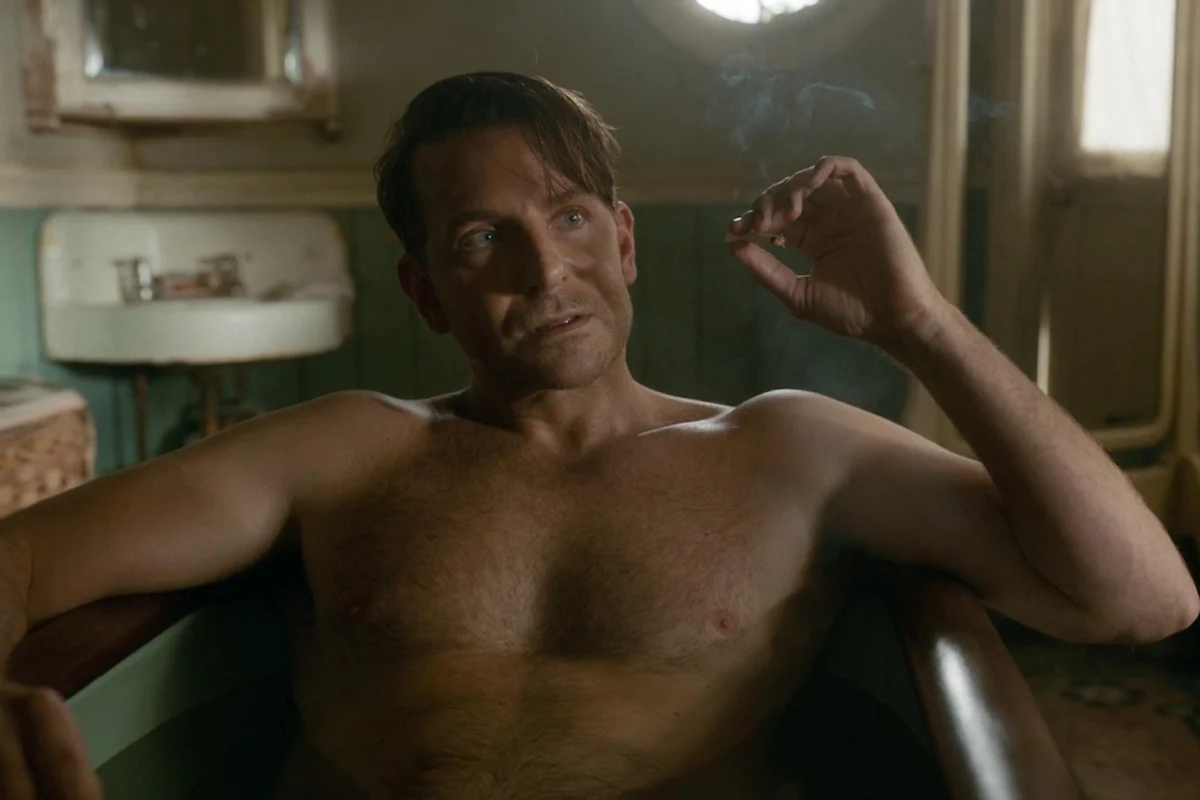
- Kate McKinnon as Aphrodite: Perhaps the most intriguing addition, McKinnon’s take on the goddess of love promises to be nuanced. Early footage features a line—"If we’re going to survive a war with the Titans, it will be because of love"—delivered with an unexpected gravity that suggests the show is interested in subverting the "love as a plot device" trope.
- Ming-Na Wen as Hera: The casting of the Queen of the Gods has been met with universal acclaim, with fans calling for more of her commanding presence in the promotional materials.
- Jennifer Beals as Demeter: Bringing a grounded yet authoritative energy, Beals steps into the role of the harvest goddess, adding another layer to the complex family dynamics of the Olympians.
- Dafne Keen as Artemis: The huntress of the gods, Keen is expected to bring a fierce, ethereal intensity to the role of Artemis, particularly during the sequences involving her Hunters.
- Holt McCallany as Atlas: Tasked with the physically and emotionally demanding role of the Titan who bears the weight of the sky, McCallany’s casting suggests a season that will lean heavily into the darker, more visceral aspects of the source material.
Rounding out the cast are Hubert Smielecki as Apollo, Saara Chaudry as the resilient Zoe Nightshade, and Jesse L. Martin as Frederick Chase, Annabeth’s father—a casting choice that promises to add emotional weight to Annabeth’s arc. The addition of the di Angelo siblings, Nico (Levi Chrisopulos) and Bianca (Olive Abercrombie), signals that the show is ready to introduce characters who will play pivotal roles in the broader mythology of the series.
Chronology and Character Development
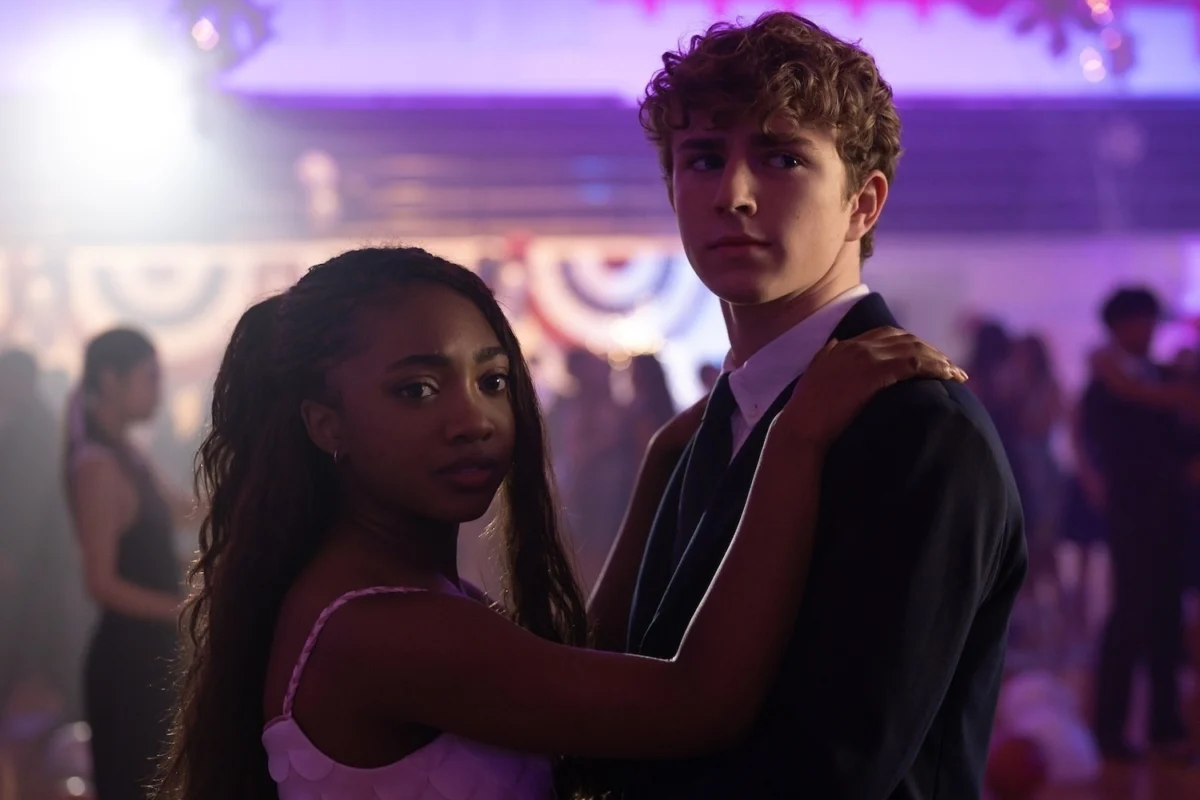
The growth of the show’s central characters remains a focal point for the production team. While season two provided glimpses of the evolving relationship between Percy and Annabeth—most notably in the teaser clips featuring a moment at a dance—season three appears to be the point where the subtext becomes text.
The dialogue featured in the trailer, particularly Annabeth’s chilling ultimatum ("If it came down to a choice between me and Olympus, you’d burn it to the ground"), suggests a maturation in their dynamic. The innocence of the early quests is being replaced by the harsh reality of war. Percy and Annabeth are no longer just friends surviving monsters; they are young adults grappling with the weight of the world and the potential destruction of their home.
The Quest for Book Accuracy
In an era where streaming adaptations are often criticized for drifting too far from their source material, the creative team behind Percy Jackson has made a concerted effort to appease the die-hard fanbase. Walker Scobell has gone on record stating that he believes this season is the "most book-accurate so far."
This commitment to the source material is not merely a stylistic choice but a narrative necessity. The Titan’s Curse is widely regarded as the point in Riordan’s series where the tone shifts from lighthearted adventure to a more somber, epic fantasy. By adhering to the book’s structure, the writers are allowing the audience to experience the same stakes that readers did, moving from the quest to find Annabeth to the existential threat posed by the Titan army.
Industry Implications and Streaming Strategy
Disney+ is clearly positioning Percy Jackson and the Olympians as a tentpole series. The investment in high-profile guest stars and the push for "book-accurate" production values underscore a strategy designed to retain both the legacy readers of the novels and the newer, younger audience that has discovered the world through the show.
The release date of November 20th places the series firmly in the window for major awards consideration and holiday-season viewing. By releasing the season in its entirety (or via a rapid-fire release schedule), Disney is looking to maximize social media engagement—a metric where the show has historically performed well, particularly regarding "fan-casting" and character-focused discourse.
Supporting Data: Why This Matters
The success of the Percy Jackson franchise is built on a foundation of massive readership numbers. With over 180 million copies of the books in print globally, the built-in audience is vast. However, the show’s success hinges on its ability to translate the internal monologue of Percy—a hallmark of the books—into cinematic storytelling.
The production budget for season three has reportedly increased, reflecting the need for more complex CGI to render the mythological monsters and the divine powers of the new cast members. This increase is a vote of confidence from Disney, signaling that the studio views the franchise as a long-term asset that can compete with the likes of other major fantasy properties currently dominating the streaming landscape.
Conclusion: A New Era for Demigods
As November 20th approaches, the excitement surrounding the third season of Percy Jackson and the Olympians is palpable. The combination of a refined, matured cast, a more intense narrative arc, and an unwavering commitment to the source material has set the stage for a television event that could redefine the standards for young adult fantasy adaptations.
Whether the series can successfully balance the humor of the original novels with the darkening atmosphere of The Titan’s Curse remains to be seen. However, if the casting and the early glimpses of the script are any indication, audiences are in for a ride that will be as emotionally taxing as it is visually spectacular. The gods have returned to Disney+, and this time, the stakes are nothing short of the survival of Olympus itself.