Jia Lissa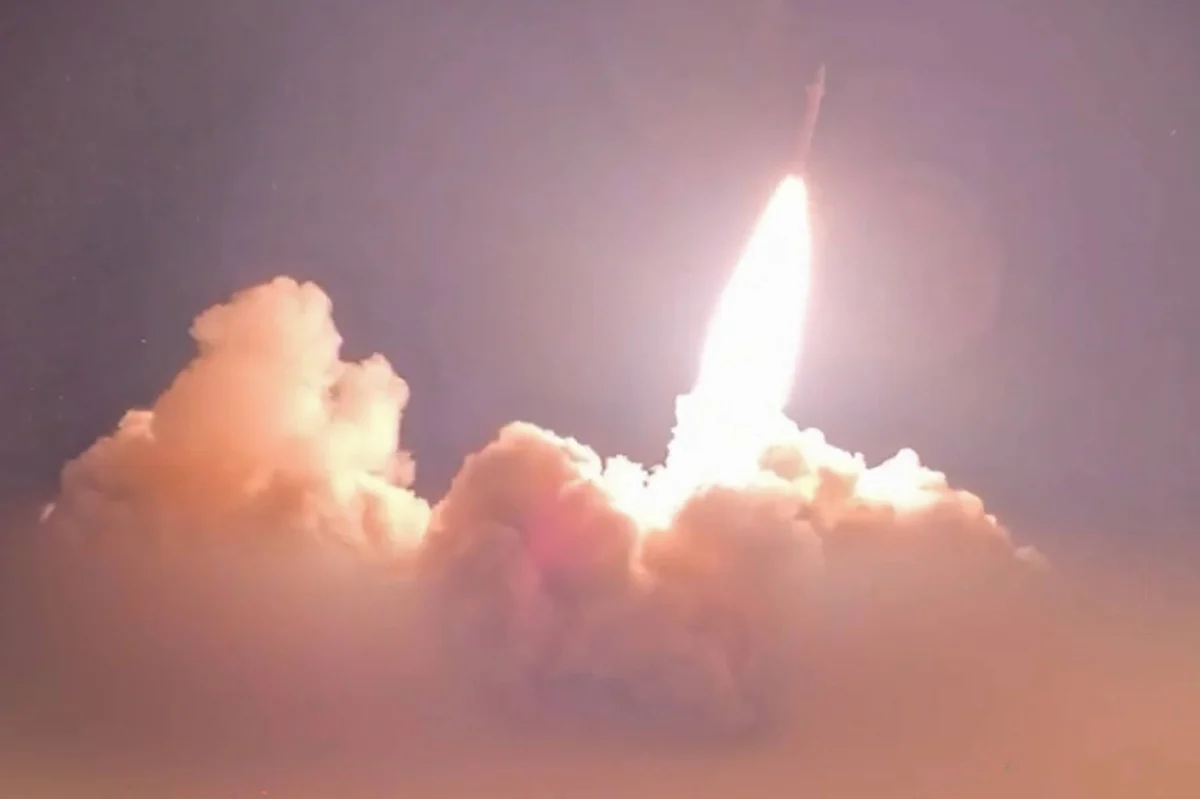
Tehran/Washington/Dubai — The geopolitical landscape of the Middle East has spiraled into a state of acute volatility following a dramatic escalation in hostilities between Iranian forces and the United States. On Saturday, Iran’s Islamic Revolutionary Guard Corps (IRGC) announced that two oil tankers had been destroyed by underwater mines in the strategic Strait of Hormuz, a critical chokepoint for global oil supplies. This development comes amidst an intensifying cycle of drone and missile strikes between the two nations, marking one of the most perilous junctures in regional security in recent history.
The incident has triggered immediate alarms in global energy markets and raised the specter of a direct military confrontation, as both Washington and Tehran continue to trade accusations and kinetic actions across a theater of operations that spans Jordan, Kuwait, Bahrain, and the Persian Gulf.
The Incident: Chaos in the Strait
The IRGC, through its official news outlet IRNA, reported that the two tankers met with catastrophe while attempting to navigate what it described as a "minefield" south of the Strait of Hormuz. The statement alleged that the vessels were lured into the area by "deceptive American intelligence agencies," a claim that has been categorically rejected by U.S. defense officials.
"An hour ago, two oil tankers, which were trying to pass through the minefield south of the Strait of Hormuz by deceptive American intelligence agencies, exploded and caught fire," the IRGC statement noted. While the identity of the vessels remains unconfirmed, the announcement of their destruction underscores the extreme hazard now facing commercial maritime traffic in the Gulf.
In a concurrent display of military posturing, the IRGC confirmed via state television that its naval units had successfully "stopped" four additional ships attempting to transit the waterway. These actions represent a direct challenge to the international right of free passage and signal a hardening of Iran’s strategy to control the maritime corridors through which nearly one-fifth of the world’s petroleum consumption flows.
Chronology of Escalation: A Rapid Deterioration
The current crisis is not an isolated event but the culmination of a weeks-long breakdown in regional stability.
- Mid-July: Tensions began to manifest in the form of sporadic cyber-attacks and intercepted communications, leading to a heightened military posture by the U.S. Central Command (CENTCOM).
- Thursday: The situation turned kinetic when video footage, released by the IRGC, showed a coordinated missile strike launched from an undisclosed location. The targets, according to regional intelligence, included U.S. assets stationed in Jordan, Kuwait, and Bahrain. This marked a significant departure from previous "gray-zone" tactics, moving the conflict into the realm of overt military aggression.
- Friday: The United States began mobilizing defensive assets, including increased aerial surveillance and the deployment of additional missile defense batteries across the Gulf Cooperation Council (GCC) states.
- Saturday: The explosion of the two tankers in the Strait of Hormuz confirmed that the theater of conflict had shifted from land-based military targets to the vital energy infrastructure of the global maritime economy.
Supporting Data: The Strategic Importance of the Strait
The Strait of Hormuz is the world’s most important oil transit chokepoint. According to the U.S. Energy Information Administration (EIA), the daily flow of oil through the Strait averaged roughly 21 million barrels per day (bpd) in recent years, representing nearly 21% of global petroleum liquids consumption.
The disruption of this flow, even for a limited period, has immediate and profound impacts:
- Energy Prices: Markets reacted sharply to the news on Saturday, with Brent crude futures surging in overnight electronic trading. Analysts warn that if the Strait remains compromised, global energy prices could see a sustained "war premium" that would threaten the fragile post-pandemic economic recovery.
- Shipping Insurance: Marine insurance premiums for tankers operating in the Persian Gulf have spiked significantly, with many underwriters declaring the region a "high-risk" zone.
- Logistical Bottlenecks: The IRGC’s interference with four additional vessels suggests a systematic attempt to disrupt trade, forcing shipping companies to consider longer, costlier routes around the Arabian Peninsula, thereby straining global supply chains.
Official Responses and Diplomatic Fallout
Tehran’s Stance
Tehran continues to maintain that its actions are a defensive response to Western "malign influence." By framing the tanker explosions as a result of American deception, the IRGC is attempting to shift the narrative responsibility onto the United States. Iranian officials have warned that any further "provocations" by U.S. forces in the region will be met with a "crushing response," signaling that the IRGC is prepared to escalate further if necessary.
Washington’s Position
The White House and the Pentagon have responded with a mix of restraint and readiness. While the Biden administration has not yet announced a retaliatory strike, officials have stated that the U.S. "remains committed to ensuring the freedom of navigation in international waters." Pentagon spokespersons have characterized the Iranian claims regarding "deceptive intelligence" as "absurd fabrications" designed to deflect from Iran’s own illegal actions against international shipping.

Regional Allies
The GCC states, particularly Kuwait and Bahrain, find themselves in a precarious position. Having hosted U.S. assets that were targeted in the recent missile strikes, these nations are now balancing their security partnerships with the U.S. against the reality of their geographic proximity to Iran. Diplomatic channels are reportedly working overtime to prevent a wider regional conflict that could devastate their own critical infrastructure.
Implications: A New Era of Maritime Insecurity
The current crisis suggests that the "Rules-Based International Order" in the Middle East is facing its most significant challenge in decades. Several key implications emerge from these developments:
1. The End of Strategic Ambiguity
For years, the conflict between Iran and the U.S. was characterized by proxy wars and limited engagement. The transition to direct missile strikes on U.S. bases and the targeting of commercial shipping represents an end to this ambiguity. The threshold for what constitutes an "act of war" has been crossed, leaving both sides with narrowing options for de-escalation.
2. Vulnerability of Infrastructure
The incident highlights the extreme vulnerability of energy infrastructure to asymmetric warfare. A handful of underwater mines and localized drone strikes have effectively held the global economy hostage. This reality will likely force Western nations to rethink their energy dependence and maritime security protocols, potentially leading to a permanent increase in naval presence in the region.
3. Economic Contagion
The volatility is not confined to the Middle East. As energy markets integrate globally, the risk of "economic contagion" is high. Countries in Asia and Europe, which are the primary destinations for oil passing through the Strait, are particularly vulnerable to price shocks and supply disruptions. The geopolitical fallout could lead to a reassessment of energy alliances, with nations scrambling to secure alternative, non-Gulf energy sources.
Looking Forward: The Path to De-escalation
As the smoke clears over the Strait of Hormuz, the international community faces an urgent question: how to restore order before the situation spirals into full-scale war?
Diplomatic observers suggest that the current stalemate requires a robust, multilateral response. A coalition-led maritime security task force, focused on clearing mines and escorting commercial vessels, may be the immediate priority. However, the deeper issue—the ideological and geopolitical rivalry between Tehran and Washington—remains unaddressed.
Without a credible diplomatic off-ramp, the risk of a miscalculation—a single missile hitting the wrong target or a defensive action spiraling into an offensive campaign—remains dangerously high. As the world watches, the Strait of Hormuz remains a flashpoint where the friction of two opposing worldviews threatens to ignite a global crisis.
The international community now waits to see if cooler heads will prevail, or if the events of this past week are merely the opening chapter of a much larger, and far more destructive, confrontation. In an era of rampant misinformation and complex global interdependencies, the truth of the situation—and the path to peace—has never been more elusive.


 Neng Nana
 Asro
Asro