

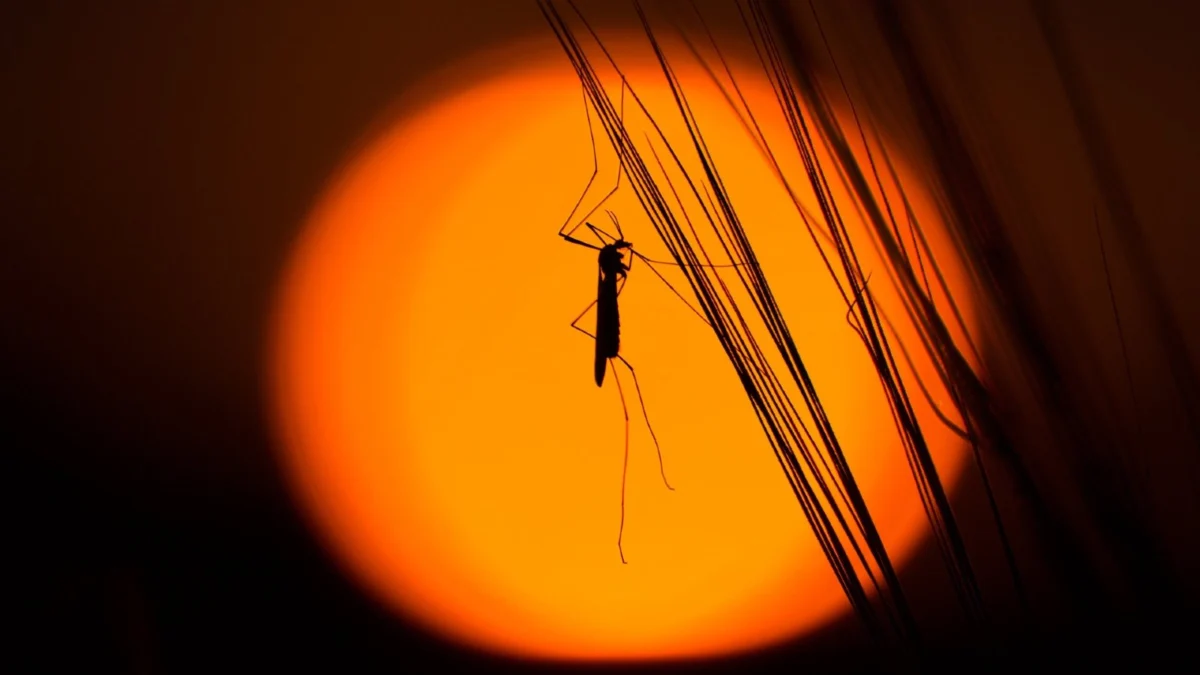
In a bold intersection of Big Tech and public health, Google—through its parent company, Alphabet—is seeking federal authorization to deploy a massive biological intervention across the United States. The tech giant has submitted a formal proposal to the Environmental Protection Agency (EPA) to release 32 million genetically and biologically altered mosquitoes across California and Florida. This initiative, spearheaded by the company’s long-running "Debug" project, aims to drastically reduce the populations of Aedes aegypti mosquitoes, which are primary vectors for some of the world’s most debilitating viral diseases.
As the EPA opens a public comment period, the proposal has sparked a complex dialogue regarding the ethics of environmental engineering, the role of private corporations in public health, and the efficacy of using nature against itself to combat the encroaching threat of climate-driven disease expansion.
Main Facts: The Wolbachia Strategy
The core of Google’s proposal rests on a biological phenomenon known as Wolbachia pipientis. Wolbachia is a naturally occurring bacterium found in roughly 60% of all insect species. However, it is not naturally present in the Aedes aegypti mosquito, the primary carrier of pathogens such as dengue, Zika, yellow fever, and chikungunya.
The "Debug" initiative involves the mass-rearing of male mosquitoes infected with a specific strain of Wolbachia. When these laboratory-raised males are released into the wild, they are intended to mate with native, uninfected females. Because of the incompatibility between the bacteria-carrying males and the wild females, the resulting eggs fail to hatch.
Google’s plan hinges on three critical safeguards:
- Sterilization: The Wolbachia acts as a form of biological birth control. Over successive generations, the population of the target species collapses as fewer offspring survive.
- Safety of the Sexes: Only female mosquitoes bite humans, as they require the protein found in blood to produce eggs. By exclusively releasing male mosquitoes—which feed only on nectar—Google claims there will be no increase in the nuisance factor or the risk of disease transmission during the rollout.
- Scalability: The project utilizes proprietary automated breeding and sorting technology, allowing Google to produce and sex-sort millions of insects with a level of precision that was previously impossible in traditional laboratory settings.
Chronology: A Decade of Debugging
The roots of this project date back over a decade, originating within Verily, Alphabet’s life sciences division.
- 2014–2016: Verily begins the "Debug" project, focusing on the development of automated insectaries. The goal was to prove that technology could industrialize the biological control of disease vectors.
- 2017: The first field trials begin in Fresno County, California. These initial tests were designed to validate the automated sex-sorting technology, which uses high-speed cameras and artificial intelligence to distinguish male mosquitoes from females with near-perfect accuracy.
- 2018–2020: Debug expands its operations, collaborating with public health officials in various jurisdictions to assess the impact of these releases on local mosquito densities.
- 2023–2024: Following the refinement of their techniques and data analysis, Google submitted a formal application to the EPA for a broader, two-year rollout in California and Florida.
- June 5, 2024: The designated deadline for the EPA’s public comment period. The agency is now tasked with weighing the potential public health benefits against the environmental impact of introducing large numbers of Wolbachia-treated insects into diverse ecosystems.
Supporting Data: The Threat of Mosquito-Borne Pathogens
The urgency of this initiative is underscored by the rising threat of mosquito-borne diseases in the United States. According to the Centers for Disease Control and Prevention (CDC), West Nile virus remains the most prevalent mosquito-borne disease in the country, but the range of the Aedes aegypti mosquito is expanding due to warming global temperatures.
Disease Profiles
- West Nile Virus: Often results in fever, headache, and body aches; however, in rare cases, it can cause severe neurological disease.
- Dengue Fever: Known as "breakbone fever" for the intense joint and muscle pain it causes, dengue has become an increasing concern in southern U.S. states.
- Zika Virus: A significant threat to pregnant women, associated with microcephaly and other serious birth defects in newborns.
Data on Population Control
Previous field studies conducted by Verily have demonstrated significant efficacy. In some trial areas, the suppression of the Aedes aegypti population reached upwards of 90%. By keeping the population below the threshold required to sustain an outbreak, Google believes it can provide a "technological shield" for vulnerable urban environments where traditional pesticides are becoming less effective due to the development of chemical resistance in mosquito populations.
Official Responses and Regulatory Oversight
The EPA’s role in this process is that of an arbiter of environmental safety. Under the Federal Insecticide, Fungicide, and Rodenticide Act (FIFRA), the EPA must determine if the "pesticide"—in this case, the Wolbachia-infected mosquito—will cause "unreasonable adverse effects on the environment."
The EPA’s Stance
The agency has been methodical in its review process. By opening the floor to public comment, the EPA is inviting ecologists, entomologists, and the general public to identify potential risks, such as the disruption of local food chains or the accidental release of biting females.
Corporate Accountability
Google has maintained a stance of transparency, publishing several white papers on the "Debug" technology. The company argues that because Wolbachia is a naturally occurring bacterium and the intervention does not involve CRISPR-style gene editing (the mosquitoes are not genetically modified, but rather biologically treated), the ecological risk is minimal. Critics, however, argue that releasing millions of insects—even if non-biting—is an unprecedented large-scale environmental intervention that requires a higher burden of proof regarding long-term ecosystem stability.
Implications: The Future of Public Health
The potential implications of this project are vast, touching upon public policy, the future of the biotech industry, and the ethics of ecological management.
The Technological Frontier
Google’s involvement signals a shift in how the private sector approaches public health. By applying machine learning and robotics to biological problems, companies like Alphabet are effectively moving into the space of "bio-infrastructure." If successful, this model could be applied to other pests, such as agricultural crop-destroyers, potentially revolutionizing how the world manages invasive species.
Ethical Considerations
The proposal raises significant ethical questions. Who owns the "right" to alter an ecosystem? While the benefits of reducing diseases like Zika are clear, the secondary impacts on local biodiversity are less understood. If the Aedes aegypti population is wiped out in a specific region, will another, potentially more dangerous species fill the ecological void? Furthermore, there is the issue of "informed consent" on a regional level; residents of the affected California and Florida counties may be uncomfortable with the idea of a private corporation releasing millions of insects into their backyards, regardless of the stated safety benefits.
The Climate Connection
Finally, the project is a sobering reminder of the impact of climate change. The northward expansion of tropical mosquito species into the U.S. is a direct consequence of shifting climate zones. The reliance on high-tech interventions like the Debug initiative suggests that traditional public health infrastructure—such as mosquito netting, stagnant water removal, and conventional insecticides—may no longer be sufficient to counter the challenges posed by a warming planet.
Conclusion
Google’s plan to release 32 million mosquitoes is a test case for the future of environmental management. As the June 5 deadline passes and the EPA moves toward a decision, the nation is watching. The outcome will likely set a precedent for how the U.S. government regulates the intersection of biological intervention and private technological innovation. Whether this represents a triumph of human ingenuity or a cautionary tale of environmental hubris remains to be seen. What is certain, however, is that as our climate changes, the tools we use to protect public health must evolve—and Google is banking on the idea that the answer lies in the very insects that have plagued humanity for millennia.
For those interested in the broader scope of insect populations and the changing dynamics of the natural world, the Debug initiative serves as a companion to other recent ecological phenomena, such as the discovery of massive underground bee colonies beneath urban centers and the unprecedented swarms of beetles seen blanketing coastlines, both of which highlight the increasingly erratic and interconnected state of global insect populations.












No comments yet. Be the first to join the conversation!