
 Azzam Bilal Chamdy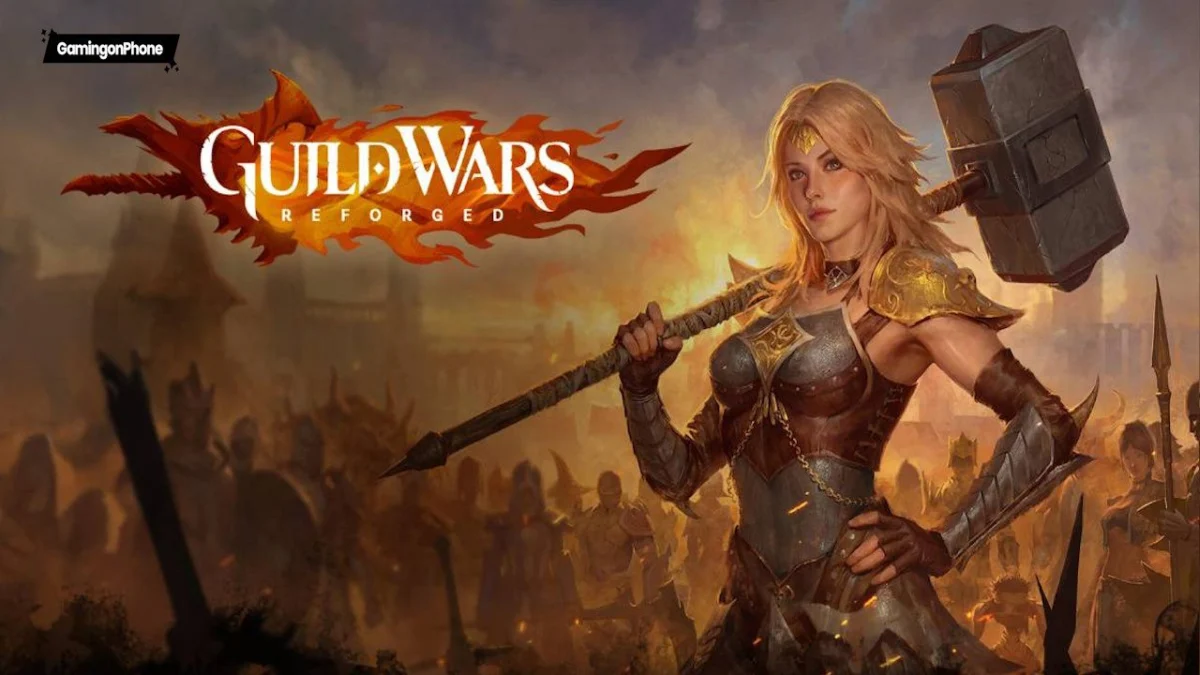
The landscape of modern mobile gaming has been fundamentally altered by the global release of Guild Wars Reforged. ArenaNet’s ambitious project represents more than just a port; it is a full-scale, modernized revival of the iconic 2005 MMORPG that once challenged industry norms by ditching the standard monthly subscription model. Now available on Android and iOS, Reforged bridges the gap between a classic PC experience and the high-fidelity demands of today’s mobile devices.
The Chronology of a Revival
The journey to bring Guild Wars to the mobile market was neither short nor simple. The project was first formally announced in April 2026, sending shockwaves through the legacy gaming community. Recognizing that a direct port would fail to meet contemporary standards, ArenaNet initiated a "soft-launch" phase in select regions throughout May 2026.
This testing period was crucial, allowing developers to refine the touch-optimized UI and stress-test the cross-platform infrastructure. By the time the global launch rolled out in the summer of 2026, the game had already established a polished foundation. Today, Guild Wars Reforged stands as a fully realized cross-platform title, allowing players to traverse the world of Tyria seamlessly across mobile, PC, and Steam Deck.
Gameplay Mechanics and the "Reforged" Experience
At its heart, Guild Wars Reforged maintains the tactical depth of the original, but it arrives with a modernized control scheme. Players navigate the world using a left-hand virtual joystick, while the right side of the screen is dedicated to an eight-skill action bar.

Understanding the Economic Model
Unlike many modern mobile RPGs that rely on aggressive "gacha" monetization, Reforged retains a more traditional structure. The Prophecies campaign is available as a free-to-play entry point, though free accounts face limitations regarding PvP access and global chat functionality. To access additional campaigns or to unlock the full potential of the game’s vast world, players can purchase expansions for $6.99 each. For players accustomed to free-to-play titles, this "buy-to-play" model may seem novel, but it provides a clear, transparent path to content without the RNG-heavy frustrations typical of the genre.
Character Creation and Progression
Choosing your character is a pivotal decision. Upon starting, you must decide between a "PvP-Only" character—which grants instant access to max-level gear but bypasses the narrative—or a "Roleplaying" character. For the vast majority of players, the Roleplaying route is the superior choice, as it allows for natural progression and the eventual unlocking of PvP features through standard gameplay.
The game features ten distinct professions, each with a unique primary attribute that grants a passive mechanical benefit. This choice is permanent. While you can eventually unlock a secondary profession to experiment with dual-classing, your primary identity is set in stone. This design choice forces players to be intentional with their builds, rewarding deep mechanical knowledge over brute-force leveling.
Strategic Combat and Party Dynamics
Combat in Guild Wars is defined by its tactical complexity. The reduction to an eight-skill limit might seem restrictive, but it forces a level of strategic curation that is rarely seen in modern "button-mashing" mobile MMOs.

Skill Acquisition and Elite Tactics
Skills are not simply handed out at level-up. They must be earned through trainers, quest rewards, or by "capturing" them from boss enemies. The most powerful abilities, known as "Elite Skills," require a specific "Capture Signet" and the defeat of a powerful boss. This creates an engaging loop where exploration and combat prowess are directly rewarded with character growth.
The Aggro System
Unlike the standardized threat tables found in World of Warcraft or Final Fantasy XIV, Guild Wars Reforged utilizes a more dynamic and occasionally unpredictable aggro system. Enemies tend to prioritize the weakest link—the player with the lowest armor or health. This necessitates a "body-block" playstyle. Experienced tanks must physically position themselves between threats and their party members, acting as a living shield to protect casters and support roles.
Managing NPCs
Since open-world zones in Guild Wars are instanced to ensure performance and focus, you will often find yourself relying on AI-controlled companions. You can assemble a squad of 4 to 8 members. Success depends on equipping these companions with complementary builds. A poorly kitted NPC team is often the difference between a triumphant mission completion and a swift defeat.
Essential Tips for the Aspiring Hero
To thrive in Tyria, players must adapt to the game’s steep learning curve. Below are the most critical strategies for beginners:

1. The Versatility of the Longbow
Regardless of your primary profession, keeping a Longbow in your secondary weapon slot is an essential tactic. It serves as the ultimate tool for "pulling"—the act of luring specific enemies away from a larger group, preventing you from being overwhelmed by multiple mobs simultaneously.
2. Skill Point Investment
Gold and platinum are precious, but they should always be prioritized for upgrading your hero skills. Neglecting your skill progression is a common trap; if your abilities are under-leveled, you will quickly hit a wall where even basic enemies become insurmountable.
3. Smart Hero Management
When managing your AI heroes, keep their skill bars focused. Avoid assigning complex situational spells, such as resurrection, to automated characters. They will often attempt to cast them at inappropriate moments, wasting valuable mana and cooldowns during the heat of battle.
4. Community Engagement
Guild Wars has always been defined by its community. If a map seems desolate, use the district menu to jump to "District 1," where the majority of player social activity occurs. Joining a guild is highly recommended; not only does it provide a sense of belonging, but veteran players are notoriously generous when it comes to helping newcomers with gear and advice.

Official Stance and Implications for the Industry
ArenaNet’s decision to bring Guild Wars to mobile has sparked a conversation about the longevity of legacy MMORPGs. In an official statement accompanying the global release, the developers emphasized that the goal was to provide "the complete saga" without compromising the integrity of the original design.
The success of Reforged carries significant implications for the industry. It proves that there is a substantial, untapped market for "premium-feeling" mobile experiences that reject the predatory microtransaction cycles of contemporary mobile RPGs. By leveraging cross-platform play, ArenaNet has effectively expanded the lifespan of a two-decade-old title, turning it into a modern juggernaut that appeals to both nostalgic fans and a new generation of mobile gamers.
Final Thoughts: A World Worth Exploring
Guild Wars Reforged is a testament to the idea that great game design is timeless. While its systems are undeniably dense compared to the casual offerings typically found on the App Store, the reward for that patience is a deep, rewarding, and highly tactical experience. By starting with a balanced class like the Warrior or Elementalist, keeping a Longbow ready, and engaging with the vibrant community, players will find that Tyria is just as enchanting today as it was in 2005. Whether you are a veteran returning to your old stomping grounds or a mobile gamer looking for your next serious commitment, Guild Wars Reforged is a milestone release that demands your attention.


 Suro Senen
 Evan Lee Salim




