

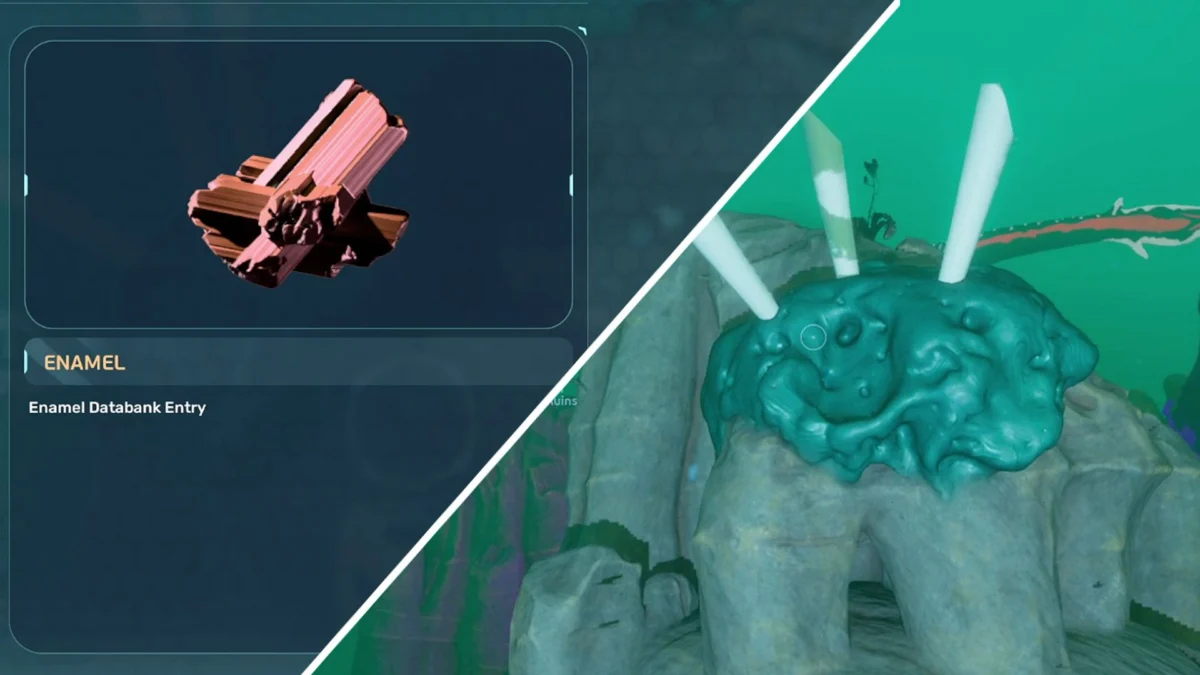
Surviving the unforgiving, aquatic alien world of Subnautica 2 requires more than just a sharp instinct for navigation; it demands a mastery of the planet’s complex resource ecosystem. While early-game survival is defined by the frantic gathering of Titanium, Copper, and Silver, the mid-to-late game shift introduces a layer of environmental complexity that challenges even the most seasoned explorers. Among these advanced materials, Creature Enamel stands out as a critical, yet notoriously elusive, component required for high-tier technological progression.
This guide provides an exhaustive look at the location, identification, and strategic utility of Creature Enamel, ensuring that your journey through the depths of Planet 4546B remains as efficient and successful as possible.
The Strategic Importance of Advanced Materials
In Subnautica 2, resource management is the cornerstone of progression. As players move from basic base-building into the sophisticated engineering required to survive the deeper, more pressurized biomes, the necessity for high-grade composites increases. Players will inevitably encounter a "resource wall" where basic metals no longer suffice, and advanced minerals—specifically Troilite, Celestine, and the elusive Creature Enamel—become mandatory.
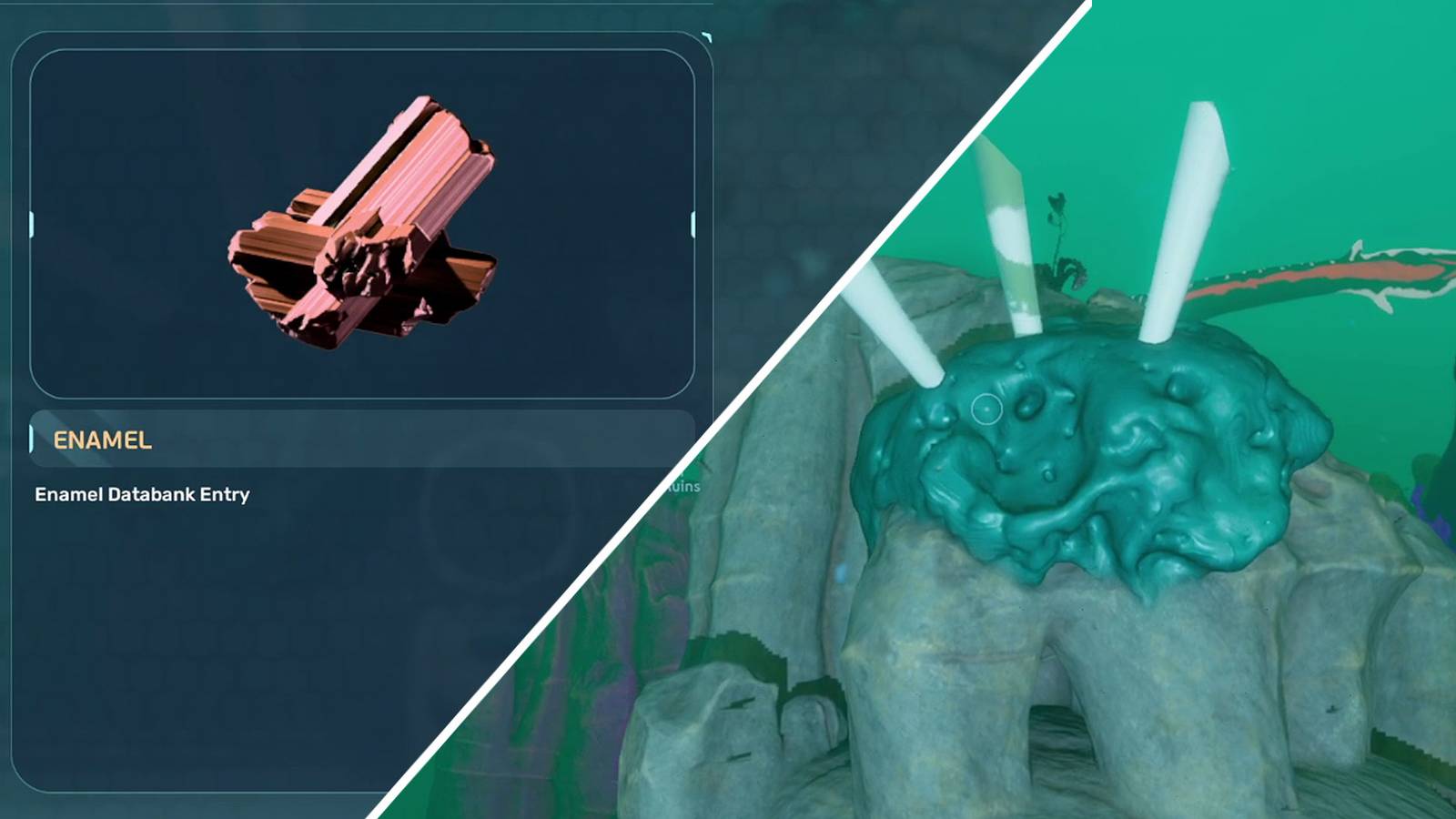
Creature Enamel is not merely a decorative mineral; it is a vital chemical catalyst. Because of its unique structural properties, it is essential for the fabrication of Enameled Glass, a reinforced material required for the most advanced submersibles and survival tools. Without it, the player’s ability to explore beyond the 250-meter threshold is severely limited, effectively gating the narrative and physical exploration of the game’s deepest, most dangerous zones.
Chronology of Discovery: Navigating to the Source
Understanding when and where to hunt for Creature Enamel is vital for resource management. Players typically encounter the need for this material once they have established a mid-game base and are preparing to craft the "Tadpole" submersible upgrades.
The Search Area
Creature Enamel is geographically isolated. Unlike common surface materials that litter the seabed, this resource is restricted to a specific region of the map. Explorers should direct their navigation toward the eastern sector, specifically the expanse situated between the Observatory and the Power Plant structures.

Navigation Markers
For those utilizing the coordinate or waypoint systems within their PDA, the primary deposit sites are located approximately 1,350 meters east of the initial Lifepod. Players should expect to descend to depths between 100 and 250 meters.
An excellent landmark for this expedition is the Ancient Ruins. Once you have located the ruins, track your heading to approximately 330 meters southeast. It is here, nestled on jagged rock formations, that you will find the most consistent spawns for Creature Enamel.
Identification: The "Hidden in Plain Sight" Problem
One of the primary frustrations reported by the Subnautica 2 community is the visual deception inherent in the game’s mineral nodes. Creature Enamel is notoriously difficult to spot for novice explorers because it does not possess the clean, metallic sheen of Copper or the crystalline structure of Quartz.
Instead, the resource mimics the local flora. When scouting, players should look for rock formations that appear to have organic, plant-like protrusions growing from their sides. These biological appendages are, in fact, the exterior casing for the Enamel. If you are scanning the environment, do not look for a shiny node; look for the "living" rock. Once you have successfully identified the visual pattern of these nodes, they become significantly easier to spot throughout the region.
Supporting Data: Why Enameled Glass Matters
The primary utility of Creature Enamel is the production of Enameled Glass. By combining this raw material with standard Glass, players gain access to a tier of technology that defines the late-game experience.
Essential Crafting Recipes
- Bioscanner: A critical tool for analyzing local fauna and understanding the ecosystem.
- Feedback Resonator: An essential piece of story-related equipment required to bypass environmental barriers and unlock new narrative paths.
- Tadpole Haul Chassis: The structural backbone for your submersible’s survival.
- Strike Armor: A defensive upgrade for the Tadpole, essential for navigating regions patrolled by aggressive leviathans.
- Depth Module Mk. 1: Perhaps the most important item in the list, this upgrade allows the Tadpole to increase its operating depth from 250 meters to a staggering 450 meters.
The ability to operate at 450 meters is not just a quality-of-life improvement; it is a requirement for accessing the game’s mid-to-late-game story content. Without the Depth Module, the player is physically barred from entering the deeper trenches where the game’s core secrets are buried.
Official Developer Insights: The Design Philosophy
According to the development team at Unknown Worlds Entertainment, the inclusion of materials like Creature Enamel was a deliberate choice to encourage environmental exploration. By making the resource look like flora, the developers force the player to slow down and observe their surroundings rather than simply speed-running to a marker.
This "naturalistic" approach to resource gathering is a hallmark of the Subnautica franchise. The goal, as stated in recent developer logs, is to ensure that the player feels like an explorer rather than a collector. The use of Unreal Engine 5 has allowed for a higher density of environmental detail, making the task of distinguishing between harmless plant life and valuable resources a skill that is honed through trial and error.
Implications of Advanced Resource Gathering
The hunt for Creature Enamel represents the transition from "Survivor" to "Explorer." As players successfully navigate the eastern sectors and bring back their findings to the base, the gameplay loop shifts significantly.
Survival Efficiency
By securing a reliable supply of Creature Enamel, the player reduces the amount of time spent in dangerous, high-pressure environments. Efficient gathering allows for the mass-production of Depth Modules, which in turn allows for safer, faster traversal of the map. This creates a "snowball effect" where the player’s survival capabilities scale alongside their technological advancements.
Environmental Risks
Explorers should be cautioned: the region where Creature Enamel is found is not devoid of danger. The presence of the Collector Leviathan and the proximity to the Ancient Ruins suggest that this area is of high interest to both the game’s lore and its predators. Players are advised to maintain a high level of vigilance and ensure their Tadpole is equipped with defensive modules before venturing into these waters.
Conclusion
Creature Enamel is the quiet gatekeeper of Subnautica 2. While it lacks the flash of gold or the utility of titanium, its role in the crafting of Enameled Glass makes it arguably the most important mid-game material. By mastering the ability to spot its unique, flora-mimicking appearance and successfully navigating the treacherous waters east of the Lifepod, players can unlock the depths and continue their descent into the mysteries of Planet 4546B.

As you continue your journey, remember that in the world of Subnautica, the environment is your greatest teacher. Look closer, scan often, and never underestimate the value of a rock that looks just a little bit out of place. Whether you are playing on PC or console, the path forward requires patience, precision, and the right materials to survive the crushing pressure of the deep.












No comments yet. Be the first to join the conversation!