Introduction: The 2025 Cinematic Phenomenon
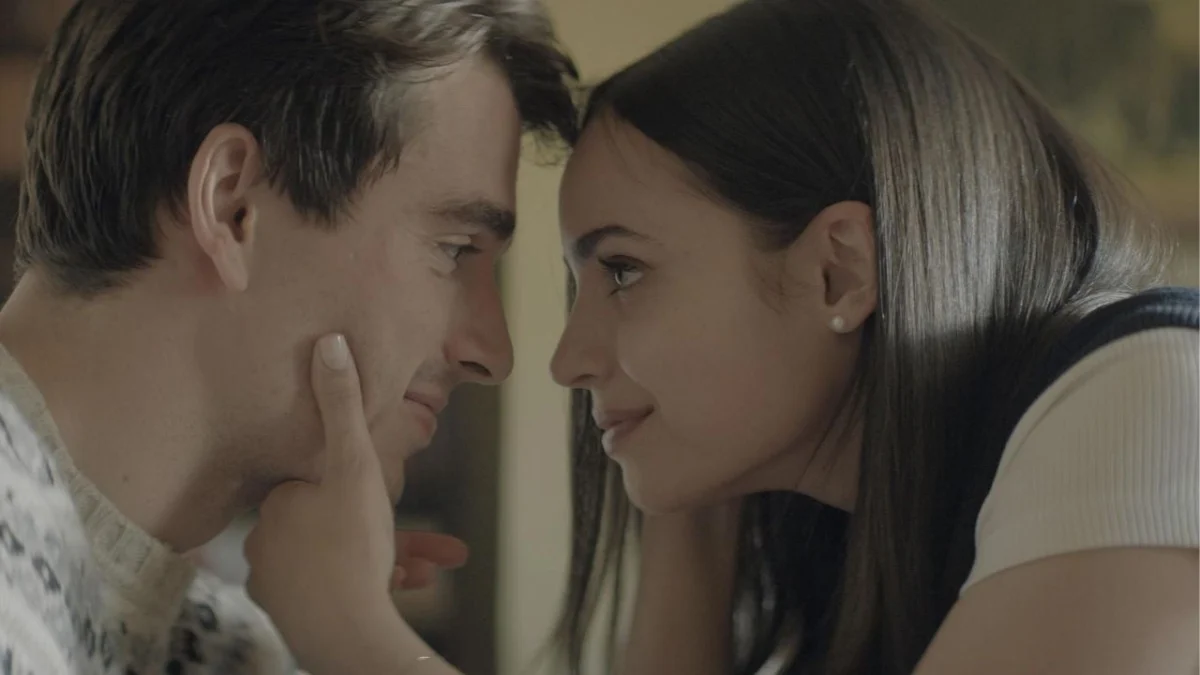
In the landscape of digital streaming, few genres have experienced as profound a resurgence as the sophisticated romantic drama. Netflix’s latest offering, My Oxford Year, has emerged not merely as a trending title but as a cultural touchstone for 2025. Set against the storied, cobblestone streets and Gothic architecture of the University of Oxford, the film has captivated millions with its blend of intellectual ambition and raw, emotional vulnerability.
Starring Sofia Carson and Corey Mylchreest, the film represents a strategic pinnacle for Netflix—a high-concept, literary-driven adaptation that bridges the gap between youthful "coming-of-age" stories and mature, life-altering dramas. As audiences increasingly move away from formulaic romantic comedies in favor of "textured" narratives that explore the complexities of grief, timing, and sacrifice, My Oxford Year stands as a testament to the power of smart, emotionally resonant storytelling.
I. Main Facts: The Core of the Narrative
At its heart, My Oxford Year is an adaptation of Julia Whelan’s 2018 bestselling novel, which itself had a unique journey from an original screenplay by Allison Burnett to a beloved work of fiction, and finally, back to the screen. The story follows Anna (Sofia Carson), a high-achieving American woman who fulfills a lifelong dream of attending the University of Oxford on a prestigious Rhodes Scholarship. Her trajectory is clear: a year of academic rigor followed by a high-stakes career in American politics.
However, the narrative shifts when she encounters James (Corey Mylchreest), a charming, somewhat cynical local who challenges her rigid worldview. What begins as a classic "opposites attract" scenario quickly evolves into a profound exploration of "intentional living." The film distinguishes itself from its peers by refusing to settle for easy answers, instead forcing its protagonists to confront the reality that love often requires choosing between the life you planned and the life that is happening right now.
Key Production Details:
- Director: Iain Morris (known for his ability to balance British wit with sincere character beats).
- Screenwriters: Allison Burnett and Melissa Osborne.
- Production House: Temple Hill Entertainment (the powerhouse behind The Fault in Our Stars and Twilight).
- Primary Locations: University of Oxford (Magdalen College, St Hugh’s College, Bodleian Library) and Windsor, England.
II. Chronology: From Literary Sensation to Global Streaming Event
The journey of My Oxford Year to the screen is a decade-long saga of creative evolution.
2013–2017: The Screenplay and the Novel
The project originated as a screenplay by Allison Burnett. While the script garnered significant interest in Hollywood, it was Julia Whelan—an acclaimed audiobook narrator and author—who saw the potential for a deeper, more character-driven exploration in prose. Her 2018 novel became a runaway success, particularly within "BookTok" and "Bookstagram" circles, establishing a built-in global fanbase long before a single frame was filmed.
2023: The Netflix Greenlight
Following the massive success of Carson’s Purple Hearts and the breakout stardom of Mylchreest in Queen Charlotte: A Bridgerton Story, Netflix identified the duo as the ideal pair to lead a high-end romantic drama. The project was officially greenlit under the production banner of Temple Hill Entertainment, a studio synonymous with successful YA and adult romantic adaptations.
September 2024: Principal Photography
Filming commenced in England during the autumn of 2024. The production was granted rare access to the University of Oxford’s most iconic sites. This period was marked by significant social media buzz, as "leak" photos of Carson and Mylchreest in academic gowns circulated online, further fueling anticipation.
Early 2025: Post-Production and Release
The film underwent a rapid post-production phase to meet the 2025 release window. Upon its debut, it immediately climbed to the Top 10 in over 80 countries, driven by the star power of its leads and the prestige of its setting.
III. Supporting Data: The Ensemble and Creative Vision
The success of My Oxford Year is largely attributed to its meticulously selected cast, which blends Hollywood star power with British acting pedigree.
The Leads: A Study in Chemistry
- Sofia Carson as Anna: Carson delivers what critics are calling a "career-best" performance. Known for her musical background and Disney roots, she brings a disciplined intensity to Anna. Her portrayal captures the anxiety of a woman whose identity is tied to her achievements, only to find that Oxford offers a different kind of education—one of the heart.
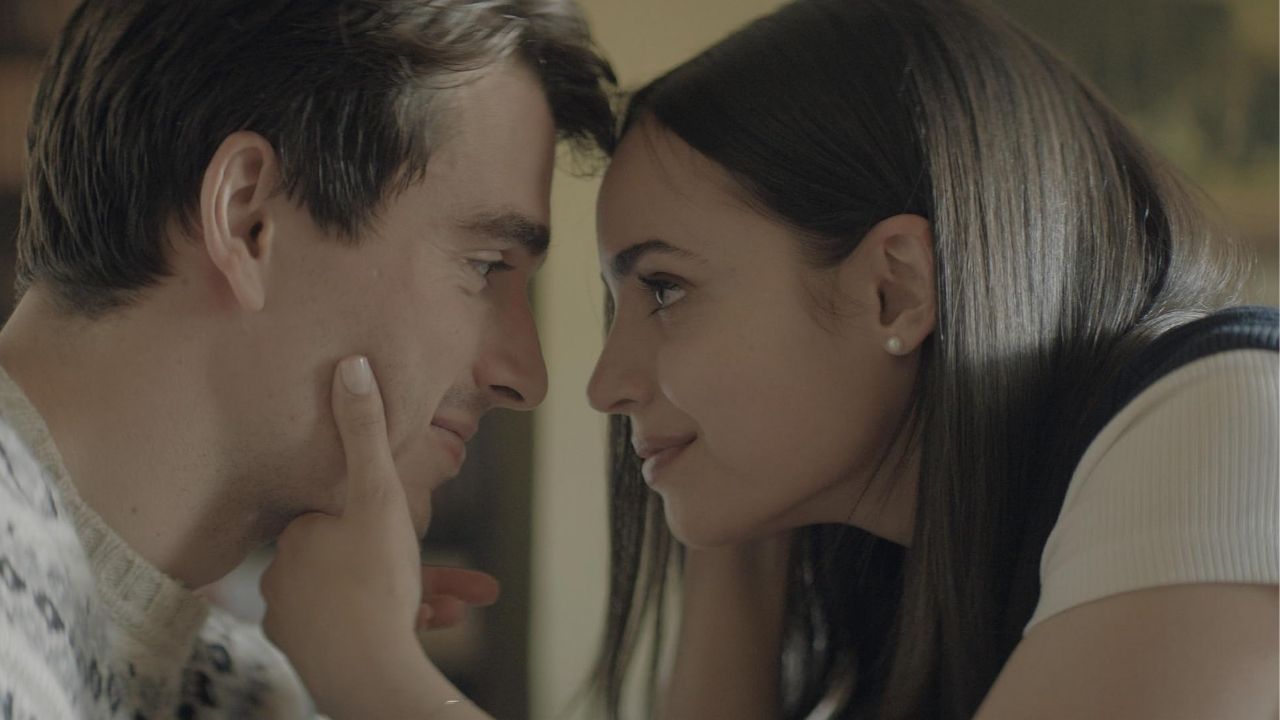
- Corey Mylchreest as James: After his breakout in the Bridgerton universe, Mylchreest solidifies his status as a premier romantic lead. His James is not just a "love interest" but a complex figure dealing with his own hidden burdens. The chemistry between Carson and Mylchreest has been cited as the film’s strongest asset, described by fans as "electric yet grounded."
The Supporting Ensemble
The film populates Oxford with a rich array of characters that make the academic environment feel lived-in and authentic:
- Dougray Scott and Catherine McCormack: Bringing gravitas to the film, these veteran actors provide the emotional scaffolding for the younger leads.
- Harry Trevaldwyn: Known for his comedic timing, Trevaldwyn provides much-needed levity, ensuring the film doesn’t succumb to melodrama.
- Hugh Coles as Ridley: A standout performance that captures the unique eccentricities of Oxford student life.
- Anna’s Parents (Romina Cocca and Yadier Fernández): Their roles highlight the cultural and emotional bridge Anna must maintain between her ambitious American life and her transformative British experience.
The "Oxford" Aesthetic
The film’s cinematography utilizes the "Dark Academia" aesthetic—a subculture that romanticizes higher education, classic literature, and historic architecture. By filming at the Bodleian Library and Magdalen College, the production achieved a level of authenticity that studio sets could not replicate. The visual language of the film—tweed coats, golden hour over the spires, and candlelit libraries—serves as a secondary character, drawing viewers into a world that feels both aspirational and intimate.
IV. Official Responses and Critical Reception
While Netflix does not traditionally release granular viewership data, industry analysts and social media metrics provide a clear picture of the film’s impact.
Critical Consensus:
Film critics have praised My Oxford Year for its "emotional intelligence." Unlike many contemporary romances that rely on "will-they-won’t-they" tropes, this film is being lauded for its maturity. The Hollywood Reporter noted that the film "treats its audience like adults, acknowledging that love is often complicated by career, geography, and health."
Fan Reaction:
On platforms like TikTok and X (formerly Twitter), the film has sparked a "travel boom" interest in Oxford. The "Sofia Carson effect" remains potent, with the actress’s massive following driving high engagement rates. Fans of the original novel have largely embraced the changes made for the screen, noting that the "soul of Whelan’s book remains intact."

Author Perspective:
Julia Whelan has expressed her satisfaction with the adaptation, particularly the casting. In various interviews, she highlighted that the film captures the "bittersweet reality" of the Oxford experience—the sense that it is a beautiful, temporary bubble that eventually must burst.
V. Implications: The Future of the Genre and Streaming Strategy
The success of My Oxford Year has several long-term implications for the film industry and Netflix’s content strategy.
1. The "Smart Romance" Trend
The film’s popularity suggests a pivot in audience appetite. There is a growing demand for "Smart Romance"—films that incorporate intellectual pursuits, professional ambitions, and realistic life hurdles into the love story. This success will likely lead to more adaptations of contemporary literary fiction rather than "viral" internet stories.
2. The Power of "Location-Porn"
In a post-pandemic world, "armchair travel" through cinema remains a massive draw. The lush, cinematic treatment of Oxford serves as a 100-minute advertisement for British culture and education. We can expect Netflix to lean further into "destination dramas" that utilize iconic European backdrops.
3. Star Synergy
The pairing of Carson and Mylchreest proves that Netflix is mastering the art of "internal casting"—taking stars who have succeeded in previous Netflix originals and pairing them to cross-pollinate fanbases. This ecosystem ensures a guaranteed opening-weekend audience.
4. Bridging the Atlantic
My Oxford Year successfully navigates the "Mid-Atlantic" appeal, combining American sensibilities (Anna’s ambition and drive) with British charm and tradition. This hybrid approach makes the content globally exportable, appealing to both the massive US market and the European demographic.
Conclusion: A Lasting Legacy
My Oxford Year is more than a fleeting weekend watch; it is a meticulously crafted drama that resonates because it speaks to a universal truth: the most important year of your life is rarely the one you planned for. Through the lens of Sofia Carson and Corey Mylchreest’s performances, and under the sensitive direction of Iain Morris, the film elevates the romantic drama genre to something more profound.
As it continues to trend throughout 2025, My Oxford Year will likely be remembered as the film that brought "prestige romance" back to the forefront of the streaming era—reminding us that in the hallowed halls of academia or the quiet corners of a library, the greatest discovery one can make is the courage to love in the face of uncertainty. For those looking to experience a story that is as much about finding oneself as it is about finding a partner, My Oxford Year remains an essential, heartbreaking, and ultimately hopeful journey.