The landscape of San Diego Comic-Con (SDCC) is shifting. In 2026, the convention floor—and the hallowed, cavernous expanse of Hall H—will play host to an unprecedented collision of pop culture titans. While the expected return of Marvel and the continued fantasy dominance of The Rings of Power provide the familiar rhythm of the convention, a new, darker, and infinitely more seductive force has claimed the spotlight. AMC’s The Vampire Lestat has officially ascended, graduating from the intimate confines of Ballroom 20 to the legendary Hall H, signaling that the "rock star vampire summer" is not just a trend—it is a full-scale cultural takeover.
The Main Event: A New Era for AMC’s Gothic Saga
For the uninitiated, the leap from Ballroom 20 to Hall H is the ultimate litmus test for a series. Hall H is the cathedral of modern fandom; it is where legends are made and where the most significant announcements in entertainment history occur. That The Vampire Lestat has been granted this platform is a testament to the seismic impact the series has had on its audience.
Following a season that shattered expectations, redefined the vampire mythos, and leaned into the surreal, musical, and tragic elements of Anne Rice’s seminal work, the show has cultivated a fervor rarely seen in contemporary television. The panel, scheduled for Friday, July 24, from 12:30 p.m. to 1:15 p.m., promises to be the centerpiece of the Friday programming.
Moderated by Rotten Tomatoes’ own Jacqueline Coley, the panel will feature the creative heavyweights behind the show, including showrunner Rolin Jones, executive producers Mark Johnson and Hannah Moscovitch, and the stars who have brought these iconic figures to life: Jacob Anderson (Louis de Pointe du Lac), Assad Zaman (Armand), and the legendary Eric Bogosian (Daniel Molloy).

A Chronology of Obsession: The Path to Hall H
The journey to Hall H was not an overnight success; it was a slow-burn ignition fueled by impeccable writing, transformative performances, and a marketing campaign that blurred the lines between fiction and reality.
The Ballroom 20 Genesis (2025)
Last year, The Vampire Lestat held court in Ballroom 20. The energy was, by all accounts, electric. The room reached capacity, filled with fans who had traveled from across the globe to dissect the intricate power dynamics between Louis and Lestat. It was there that the chemistry—both on-screen and among the cast—became the stuff of legend. The "hunger" for information, for a deeper understanding of the show’s complex, non-linear narrative, was palpable.
The "One Night Only" Phenomenon
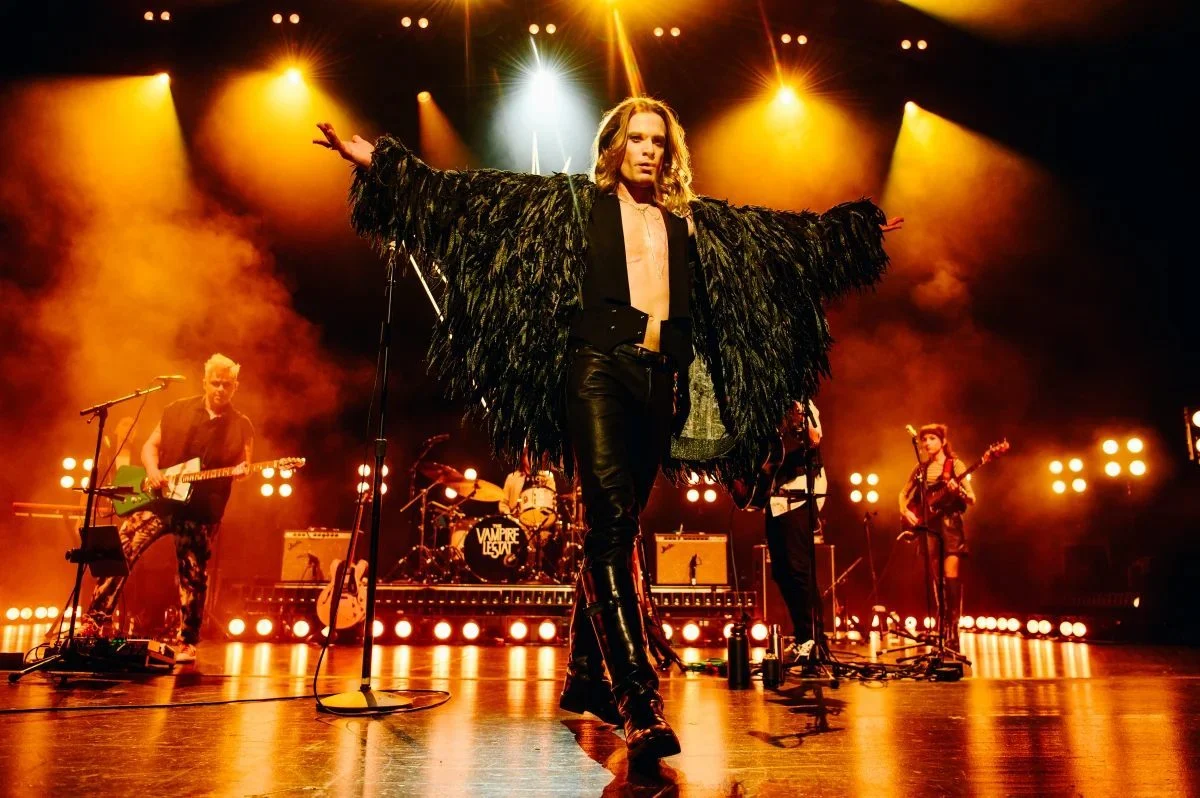
The show’s momentum was further accelerated by the ambitious live event, The Vampire Lestat: One Night Only Live. By staging an actual concert in New York City, complete with original music from composer Daniel Hart and a performance by Sam Reid as the titular rock-star vampire, AMC did something rare: they invited the audience to step into the world of the show. This blurring of the fourth wall proved that the series was not merely content to be watched; it demanded to be experienced.
The Season One Finale and the Current Surge
As the first season of The Vampire Lestat drew to its climax, the intensity reached a fever pitch. With the final episode airing just prior to the SDCC weekend, the Hall H panel will serve as the immediate, cathartic release for a fanbase reeling from the season’s "jaw-dropping" conclusions. The timing is deliberate, ensuring that the audience’s engagement is at its absolute zenith.

Supporting Data: Why the Hype is Real
What makes The Vampire Lestat a unique phenomenon in the current television landscape? To understand its rapid ascent, one must look at how it interacts with its source material and its audience.
A Deconstructive Masterpiece
In our review at Nerdist, we described the show as a "stained-glass window, smashed up and then turned into a mosaic." This is the core of the show’s success. It does not attempt to provide a simple, linear retelling of Anne Rice’s novels. Instead, it invites the viewer to parse through the fractured memories, unreliable narrators, and intense, centuries-spanning trauma of its protagonists.
The Power of the "Devil’s Minion"
The character dynamics, particularly the complex, often toxic, and deeply magnetic relationship between Armand and Daniel, have captured the imagination of social media. The "Devil’s Minion" ship has become a cultural touchstone, transforming the show from a niche gothic drama into a massive, meme-generating, and widely discussed weekly event.
Musical Integration
The decision to make music an integral part of the narrative—specifically with Lestat’s transformation into a rock icon—has provided the show with a distinct auditory identity. The songs, written by Daniel Hart and performed with eerie charisma by Sam Reid, have transcended the series, finding their way into playlists and live performance spaces.

Official Voices: What to Expect in Hall H
The lineup for the Hall H panel is stacked with the talent responsible for the show’s critical acclaim.
- The Creative Visionaries: Rolin Jones and his team of producers have been vocal about their desire to honor the "spirit" of Anne Rice while pushing the boundaries of what a supernatural drama can accomplish. Fans can expect in-depth discussions on the challenges of adapting the Great Conversion—the show’s central plot arc regarding the massive, unnatural surge in the vampire population.
- The Actors: Jacob Anderson and Assad Zaman have been lauded for their portrayal of the central relationship, a bond that is as tender as it is devastating. Their insight into the psychological toll of their characters will undoubtedly be a highlight for attendees.
- Exclusive Reveals: The panel will feature highlights from the One Night Only concert, providing those who couldn’t make it to New York a chance to see the production value that went into the show’s musical sequences.
The Broader Implications: The Future of the "Anne Rice Universe"
The move to Hall H is more than just a scheduling upgrade; it is a clear statement from AMC regarding the priority of the Anne Rice Immortal Universe.
A New Standard for Gothic Fantasy
With this move, AMC is setting a new standard for how Gothic fantasy is treated in the modern era. By prioritizing deep, character-driven storytelling over standard monster-of-the-week tropes, The Vampire Lestat has proven that there is a massive, underserved audience for "prestige horror."
The "Great Conversion" as a Narrative Engine
As the series moves forward, the plot point of the "Great Conversion" suggests a shift toward a larger, more ensemble-based narrative. This allows the show to expand its scope, introducing new characters and dynamics that will ensure the series remains fresh for seasons to come.

A Call to Action
For those attending SDCC, the recommendation is clear: do not miss this panel. It is an opportunity to see a cast and creative team at the height of their powers, in a room that demands the very best from its presenters. For those not in San Diego, the series remains available on AMC and AMC+, with the original novels by Anne Rice serving as the perfect companion piece for those who want to dive deeper into the lore.
The Vampire Lestat is not a simple watch. It is a revelatory meditation on love, immortality, and the burden of history, all dressed up in the sweat and glitter of a rock concert. Whether you are a long-time fan of the books or a recent convert to the show, one thing is certain: the world of Lestat de Lioncourt is currently the most exciting place to be on television. We will see you in Hall H.
Disclaimer: This post contains affiliate links. If you purchase items through these links, we may earn a small commission, which helps support our reporting and coverage of San Diego Comic-Con.